Learn more about your pain

Plantar fasciitis exercises: Simple stretches and massage that relieve pain in the heel
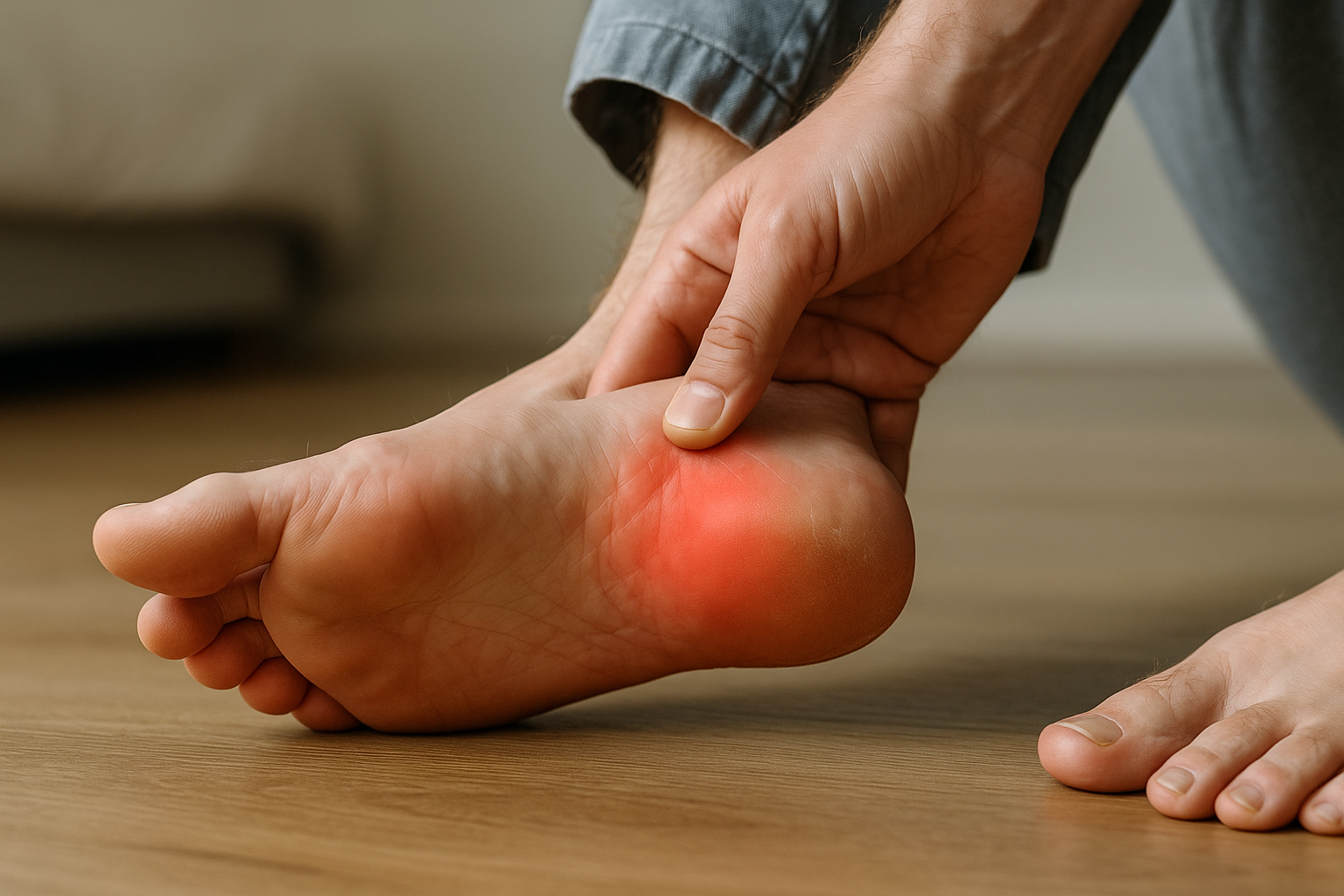
Many experience pain in the heel, which can often be associated with overuse. It is not uncommon to feel soreness and stiffness, especially at the start of the day, when the foot has been resting. Heel pain can affect daily movement, and for those who experience persistent discomfort, it may give reason to seek information on how to best relieve the pain in everyday life. By understanding the common experiences associated with this condition, it becomes easier to assess which simple exercises and massage techniques can relieve the discomfort and provide increased well-being. This knowledge is useful when one wants a safe and informative approach to the problem, so one can better take care of one's heel pain without struggling with uncertainty about what is normal to experience.When approaching the topic of plantar fasciitis exercises, one encounters descriptions of how individual stretches and massage techniques can help reduce the pain and increase the foot's mobility. It has been noted that many who regularly perform simple exercises experience a gradual improvement, making it easier to manage everyday challenges without constant discomfort. At the same time, an understanding of how overuse can cause pain provides a good starting point for finding relieving methods that suit the individual's needs.What is plantar fasciitis?Plantar fasciitis is a condition involving a band of tissue on the underside of the foot that runs from the heel to the toes. This band acts as an important support for the arch of the foot, but with overuse it can become sore and stiff. Many experience that the pain is most pronounced in the morning or after longer periods of rest, when the first steps can seem especially painful. It is common to seek information about plantar fasciitis exercises because these simple techniques can help relieve the discomfort that often comes with the condition.Typical characteristics of the condition include: Soreness in the heel after periods of inactivity Stiffness when starting after rest Discomfort during prolonged strain These symptoms lead many to consider how everyday stretches and massage can reduce the pain and strengthen the foot's function. By creating an understanding of what plantar fasciitis involves, a good framework is achieved for working with the exercises that can help reduce heel pain and make everyday life more comfortable.How does the pain present itself?The pain in the heel can appear differently from day to day. Many experience the most discomfort with the first steps after rest, while others notice a stabbing or burning feeling during longer walks or longer periods of standing work. The pain may feel localized in the heel area or spread out toward the inside of the foot and up into the lower leg, depending on how tense the muscles around the foot and calf are.How often is heel pain experienced in everyday life?Heel pain is common among people who walk or stand a lot at work, as well as among active exercisers. In everyday life, it can affect walks, stair climbing, and longer periods on one's feet, and many often adjust movement patterns to avoid the most intense discomfort. For some, the effect is temporary, while others experience recurring problems with repeated strain.Common causes that can cause heel pain? Frequent or suddenly increased strain from running, walks, or long workdays Footwear without good support or with a worn-out sole, which is often related to increased strain on the underside of the foot Increased muscle tension in the calf, buttock, and underside of the foot, which can change the movement pattern Hard surfaces and long periods of standing work, which can affect the strain on the feet Exercises and massage for targeted pain reliefSimple stretches and self-massage can relieve acute discomfort by loosening tense muscles in the calf and sole of the foot. A basic stretch consists of pulling the toes and forefoot toward you to lengthen the tissue area under the foot; this can help reduce stiffness. Rolling a small ball or bottle under the length of the foot can provide local relaxation and increased blood flow, which is often experienced as immediate relief.Muscle tension in other areas of the bodyTension in the back, neck, or shoulders may seem unrelated to heel pain, but posture and gait pattern are often connected with the strain on the feet. Tightness in the hamstrings and hips can change the running or walking pattern, so the calf muscles work harder and the feet receive greater strain. Being aware of several areas of the body can therefore be relevant in relation to how heel pain appears in everyday life.Everyday awareness for feetIn everyday life, it is useful to pay attention to repeated patterns that can affect the feet's comfort over time. Prolonged standing periods, repeated strain patterns, and variation in surfaces can change how pressure is distributed under the foot. Even smaller changes in gait pattern or the fit of the shoe can have an influence, and it is therefore relevant to notice which situations most often cause discomfort.Habits that may matter over timeSmall daily habits are often connected with how strain is experienced. Routines such as wearing the same type of footwear every day, long periods without relieving the feet, or repeated movements at work can affect comfort. Likewise, tension in the calf and hip can change the strain pattern, which can affect the foot's way of taking load over longer periods.Surfaces, shoes, and wear patternsThe hardness of the surface and the condition of the shoe can play a role in how the strain is distributed. Wear on the sole and the fit of the shoe can appear as altered strain zones, and different types of surfaces during a day can create variation in how much the foot is exposed to shock and pressure. Paying attention to where and when the discomfort occurs can give perspective on which daily settings matter most.Experiences with massage and self-careMany describe that massage and self-massage can feel different from one time to the next. For some it is immediate relief, for others the touch can give temporary soreness. Expectations and previous experiences are often connected with how a technique is experienced, and it is common to notice that the reaction can vary with time and daily strain.Monitoring patterns without acting immediatelyObserving patterns rather than seeking quick solutions can be informative. Making notes of which activities or times often recur can provide a picture of the connections between daily habits and experienced discomfort. Such observations can be useful as background knowledge before deciding on the next step.Frequently asked questionsHow quickly can one typically notice changes?The time frame varies greatly. Some experience changes within a few weeks, while others see development over several months. How quickly something is noticed is often related to the frequency of the habits that affect the feet, and to how consistent one's daily patterns are.Can massage feel like increased soreness?Yes, it can be experienced differently. For some, touch can cause temporary soreness, while others describe relaxing or relieving sensations. Variation in sensitivity and time of day often play a role in how massage feels.Which daily factors have the greatest effect over time?Factors such as repeated strain, choice of footwear throughout the day, the hardness of the surface, and general movement patterns all matter. These elements are often connected and can add up to noticeable changes over time..
Learn more
Massage for feet: How to relieve pain and tension at home
Many experience pain and tension in their feet after long days of physical activity or work where one stands a lot. It is common to notice that the feet become tired and sore, and sometimes swelling can occur, making everyday life less comfortable. Foot massage is therefore often used as a method to relieve this discomfort and create a feeling of well-being. By using a range of different techniques, foot massage can improve blood circulation and loosen the tension that accumulates in muscles and connective tissue. This form of massage is perceived as a natural way to give the body a break while also stimulating inner relaxation, so that one gets off to a good start after a long day's strain.For many who have an active everyday life, it is seen as an effective method for relieving quietly sore and tired feet. Foot massage is often experienced as a simple tool that can be integrated into the daily routine at home and create a feeling of subdued but lasting relief. It is an accessible method that can be performed both manually and with the help of various tools. The focus is on stimulating the parts of the foot that bear the most weight and giving calm to the strained areas through gentle, rhythmic movements and focused pressure point massage. The techniques can vary from light warming up with gentle strokes to deeper kneading, where the aim is to loosen tension that has built up over time.What is foot massage?Foot massage involves several approaches that together can relieve pain and tension as well as improve blood circulation. The techniques range from gentle strokes that warm up and soothe to more intense methods that release deeper tension. The method can be seen as a natural way to restore comfort and give the body the opportunity to relax after long days of strain. Gentle strokes, which help warm up and prepare the muscles Kneading, which loosens tension in the connective tissue Targeted pressure point massage to reduce soreness in specific places By integrating foot massage into everyday life, one can achieve a feeling of calm and regain daily comfort. Many find that this practice can help reduce the discomfort that comes with an active lifestyle, while also contributing to an overall sense of balance and well-being. By paying attention to the body's signals and taking time to care for the feet, a safe framework is created that supports both relaxation and health.How pain in the feet typically appearsPain and tension in the feet often appear as soreness after prolonged standing or walking, a feeling of fatigue in the foot muscles, and local stiffness during strain. Some experience swelling in the forefoot or around the ankle, while others notice sharp or throbbing sensations under the heel or at the toes. The symptoms can vary during the day and become more apparent in the evening after prolonged strain.How problems in the feet affect the rest of the bodyDiscomfort in the feet can often be associated with tension higher up in the body. When the feet feel sore, many automatically change their walking pattern or standing posture, which can put extra pressure on the legs, knees, and in some cases affect the back, neck, and shoulders. This connection between the feet and the rest of the body explains why relief in the feet is often experienced as increased comfort throughout the body.What can affect the extent of the discomfort? Prolonged standing or repeated strain in work and leisure Footwear with poor support or hard soles The hardness and unevenness of the surface when walking or running Lack of recovery and general fatigue Stress and increased muscle tension in the body These factors are often connected and can affect how pain is experienced. For example, a hard surface combined with poorly supportive shoes can make the feet more sensitive after a workday.Variations in how massage works on tensionFoot massage can be directed at different levels of tissue and therefore create different experiences. Gentle, superficial strokes often feel relaxing and help loosen tension in the skin and underlying muscle layers, while deeper kneading can target more compact muscle areas and connective tissue. Some techniques can feel relieving right away, others work gradually by reducing stiffness and soreness over time.When massage is part of daily routinesUsing massage as part of everyday life can make it easier to keep an eye on changes in the condition of the foot and respond to early signs of increased strain. Regular care of the feet can help reduce acute discomfort during the day and support a more comfortable everyday life, especially for those with standing work or a lot of walking.An eye for patterns in everyday lifeIn everyday life, it is often small repeated factors that over time affect how the feet feel. Changes in the fit of shoes, variation in work, or changed habits around standing and sitting can appear as a gradual increase in soreness or increased stiffness during strain. It is useful to notice times of day when the discomfort is most apparent, and which daily routines are often connected with these patterns.Connection between the use of footwear and comfortThe fit of footwear can change over months, and material choices in socks or shoes can affect the condition of the skin. Moisture and friction can appear as irritation or increased sensitivity, especially at the toes and along the sides of the foot. Attention to how shoes feel during different activities can provide insight into which situations have the greatest significance over time.Habits that can affect the reaction of the footRepeated positions, one-sided strain, and long periods without relief can matter for how tension develops. Some find that crossed legs or frequent carrying of heavy gear can change the walking pattern and thereby lead to other sensations of strain higher up in the body. These connections can affect how and when pain or discomfort appears.Small signs as indications Pain that becomes more prominent toward the end of the day Difference in feeling between the right and left foot Visible changes in the skin or in the shape of the foot Surprising or sudden changes in walking pattern Being attentive to these small signs can provide a calm understanding of how daily choices can affect foot comfort over time. This perspective helps put conversations about care and prevention into context and naturally leads into answers to the questions many ask about massage and foot care at home.Frequently asked questionsHow often is it normal to notice an effect after a foot massage?The experience varies from person to person. Some notice temporary relief immediately after a session, while others describe gradual changes over days, where symptoms may become less pronounced or change in character.Which tools are most often used for home use?There is a range of simple tools, from soft balls to rollers, as well as electric devices, all of which can provide different forms of touch and pressure. The choice of tool can affect how the sensation is experienced, without necessarily pointing to one correct solution.When does new or changed discomfort show signs of worsening?Worsening can be experienced as a clear increase in pain intensity, a change in when the discomfort occurs, or when normal daily activities are affected to a greater extent. These changes can be signals that the conditions around the foot have changed significantly..
Learn more
Pain in the feet in the morning: What causes it, and what can you do?
Many people find that pain in the feet in the morning can be a concerning start to the day. It is common that the first steps after a long period of rest trigger an unpleasant sensation that can affect the whole day. Although the pain often subsides when the feet are allowed to move, it can at times be both irritating and limiting in everyday life. The feeling of soreness and stiffness with these first steps often raises questions about what is actually going on in the feet, and why precisely the morning experience of pain is so pronounced. It is an issue that many have personal experience with, and which is highlighted when seeking improved daily comfort and well-being.Pain in the feet in the morning can be experienced as part of a broader range of foot problems related to strain and inflammation. For some, the pain is related to the feet getting a break from the constant strain they are subjected to throughout the day, and then suddenly having to handle the first steps with a certain stiffness. This condition can give rise to concern, as it not only affects physical comfort, but also the general perception of well-being. It is natural to want to understand what underlies the pain, and how it can affect everyday life.What is pain in the feet in the morning?Pain in the feet in the morning is a term for the pain that is often felt when waking up and the feet have to bear body weight after periodic rest. The sensation can often be described as a mixture of soreness and stiffness that subsides when the feet begin to move. This type of pain is typically associated with minor inflammations that can arise in structures such as the plantar fascia, and becomes most pronounced before the body has had the opportunity to warm up and relieve the tension through movement.Many seek knowledge about this topic, as the pain can create disruptions in daily mobility and comfort. It is important to have a basic understanding of what triggers the initial unpleasant sensation, so that one can navigate everyday life with a greater sense of security. By knowing how the soreness typically manifests itself, and what views exist regarding the causes, a better understanding is gained of the daily challenge that many experience in the morning.Where does the pain come from?Morning pain in the feet often appears as soreness and stiffness after a period of rest. It is often connected with irritation or strain in the plantar fascia and nearby soft tissues, which can give a stronger sensation in the heel and arch. Tension in the muscles and tendons in the lower leg can make the tissue feel tight in the morning, because movement first has to restore normal flexibility.How is the pain felt during the first steps?The pain can be experienced as a sharp or throbbing sensation during the first steps, which often subsides as the feet warm up. The location is typically in the heel and arch, but can also be felt further forward in the forefoot or up into the lower leg. For some, the pain can make it harder to fully put weight on the foot at the start of the day, and this can affect the walking pattern and daily movement.How common is the problem?Morning foot pain is a common symptom that many experience in periods. It occurs more frequently among adults, especially those who stand or walk a lot during the day, but it is not limited to a specific age. Variations in work-related and everyday strain mean that the extent and frequency of symptoms can vary from person to person.What can worsen the pain? Frequent or prolonged standing and walking, which can put extra pressure on the plantar fascia Footwear without sufficient support, which can lead to increased strain Sudden changes in activity level or weight, which change the load on the feet Stiffness in the calf muscles, which can make it harder for the plantar fascia to stretch Variations in the pain experienceThere is a great deal of difference in how morning foot pain appears. Some experience short-term stiffness that quickly goes away, while others have recurring or longer-lasting discomfort. The pain can be one-sided or occur in both feet, and the intensity can vary from slight irritation to more marked discomfort that can affect movement in the legs, knees, and back.Daily conditions that can affect foot comfort over timeIn everyday life, there are several factors that often matter for how feet feel from day to day. Prolonged standing on hard surfaces, repeated movement patterns, and one-sided use of certain shoes can create persistent strain that over time changes the way tissues respond. Paying attention to these conditions is not about providing solutions, but about being aware of the conditions your feet live under.Habits that can be felt in the feetSome habits have a particular tendency to make themselves felt in everyday life. This may be a long workday spent standing, frequent walking on uneven surfaces, or repeated use of footwear with a uniform sole construction. Periods of unexpectedly increased activity or longer rest are also factors that over time can matter for how the pain is experienced and how tension is distributed in the foot and lower leg.Points of attention without specific advice Shoe interaction over several days can change support and cushioning The hardness of the surface often influences load patterns Sleep position or rest periods can affect muscle and tendon tone upon waking Repeated movements can change the body's perception of soreness Massage, relief, and daily well-beingThe use of massage and general relief is often mentioned in connection with pain relief and daily well-being. Massage can be an element in the way some people experience increased well-being and temporary relief of tension. Over time, such influences can change the experience of stiffness and comfort, but the effects vary from person to person and depend on daily circumstances and habits.Keeping an eye on recurring patterns and variations in symptoms can provide useful insight into which factors are often associated with periods of increased discomfort. This form of observation can be part of understanding the foot's reactions in everyday life without going into specific methods.Frequently asked questionsWhy is the pain worst in the morning?Nighttime rest often changes the condition of the tissue; fluid distribution, reduced movement, and muscle and tendon tone can make stiffness and discomfort feel stronger during the first movements after waking.How can massage affect the experience of pain?Massage can affect both blood circulation and nerve signals in the tissue, and many experience an altered sensation of tension or soreness after massage. The effect varies, and it is common for the effect to be temporary.What do fluctuations in the pain from day to day mean?Day-to-day variations often point to changing loads, differences in footwear, or variation in activity patterns. The intensity of the pain can change in step with such external factors, just as individual sensitivities also play a role..
Learn more
Heel pain: Common causes and how they can be relieved
Many people experience heel pain in a busy everyday life, where daily activities such as walks, work, and exercise can be affected by a sore and at times stabbing pain in the heel. It is common for the pain to arise after periods of overuse or with sudden changes in activity level. Heel pain can be experienced as a mild irritation or as a more persistent nuisance that over time makes it challenging to maintain normal quality of life. The pain often becomes noticeable when starting the day, and it can gradually affect how one stands, walks, and moves. This condition concerns not only comfort, but can also create a natural curiosity about what heel pain actually covers. Therefore, there is great interest in understanding the underlying causes and getting an overview of how best to manage the discomfort, without having to resort to complicated solutions from the start.It is a challenge for many to find a balance between remaining active and at the same time taking the body's signals into account. Heel pain can arise in connection with activities that place unnecessary strain on the foot and heel, or after a period of intensive physical activity. A general interest in the topic is reflected in the broad search for information about how this pain arises and what it may indicate. By gaining a basic understanding of heel pain, it becomes easier to assess when the pain is a temporary irritant and when it may be a good idea to pay extra attention to the condition of the foot.What is heel pain?Heel pain is described as a condition in which soreness or stabbing pain occurs in or around the heel. This pain can come from several different causes such as inflammation of the plantar fascia, heel spur, or problems associated with altered foot structure, such as flat feet. Some experience pain with strain and repetitive movements, while others notice it is intensified in the morning. The pain often occurs when the foot is exposed to inappropriate strain or during prolonged standing. Factors related to the strain on the foot are often linked to daily lifestyle, and that is why many seek basic information about what heel pain entails. By understanding that heel pain can vary from a temporary irritation response to an expression of overuse, one can gain a better overview of how to relate to the discomfort in everyday life.How heel pain often appears in everyday lifeHeel pain can appear as a sharp or dull soreness in or around the heel, which may be most noticeable with the first steps in the morning or after longer rest. Many experience a stiffness that slowly subsides with movement, while others get renewed pain after longer periods of standing or walking. The pain can also be associated with increased muscle tension in the legs, especially the calf and underside of the foot, and in some cases an altered movement pattern is seen that causes increased strain in the back or shoulders.How common is heel painHeel pain is a common complaint in the population and affects both active and less active people. Age and activity level can affect how often one experiences pain, just as the structure of the foot can be significant. In everyday life, it is typically people who walk a lot, stand on hard surfaces, or suddenly increase their activity level who more often report discomfort from the heel. Many experience that the symptoms come and go, depending on daily strain and rest.Everyday factors that can worsen painSeveral daily circumstances can make heel pain more pronounced. Prolonged standing on hard floors, repeated running, or walks without appropriate support can cause increased pressure on the heel and create more discomfort. Overweight or rapid changes in the amount of activity are often associated with intensified symptoms. Also, footwear choice and the way one moves in everyday life can affect how quickly pain appears or how long it lasts.Variations in pain and muscle tensionThe experience of pain can vary greatly; some notice mostly stabbing pain during strain, others experience a feeling of fatigue or a burning sensation after activity. Muscle tension in the calves, hips, and back can be present at the same time as heel pain, as the body compensates for the discomfort. This tension can make it harder to find rest and can affect daily well-being by making it more strenuous to stand or walk over time.Situations that often lead to the need for reliefThe pain often becomes most evident in situations of high strain: long workdays on one's feet, longer walks after a longer rest period, or repeated jumping and running. In such moments, the need for relief and reduction of muscle tension can be clear in order to regain ordinary comfort in everyday life.Pay attention to patterns over timeInstead of focusing on individual episodes, it may be useful to observe how symptoms develop over weeks and months. The pain may change character, shift location, or be more prominent after certain types of days. These patterns appear as repeated fluctuations in intensity or frequency and can provide a picture of which daily circumstances play a role.Habits and daily choices that often matterCertain daily habits can affect how the strain is distributed in the foot. Long periods of uniform strain, regular use of the same type of footwear, and repeated movements in connection with work or leisure can change the strain pattern over time. The use of massage and other forms of relief can be experienced as methods that affect the tension level in the lower leg and the soft tissues of the foot, but the effect varies from person to person.Factors outside the foot that may play a roleThe rest of the body's musculoskeletal system and the way one carries weight in everyday life are often linked to how much strain the heel is exposed to. Changes in gait pattern, varying strain from carrying bags, or imbalance in posture can leave traces in the foot's strain pattern. Over time, such changes can appear as altered placement of discomfort or new sensitivity in weight-bearing areas.What shoes and surfaces can showThe condition of shoes and types of surfaces in everyday life can give signals about how the strain is distributed. Wear patterns in soles and changes in the experience of comfort during prolonged use often appear gradually. Attention to these indicators can provide insight into which daily situations are repeated and potentially contribute to increased strain.Frequently asked questionsCan massage affect the experience of pain?Massage can be experienced as a way to reduce muscle tension and alter sensitivity in the area around the heel. Many report temporary relief after massage, but reactions are individual, and the effect can vary from person to person.Why can the pain change location in the foot?Pain can change location as a result of compensation in movement pattern, variation in strain, or changes in the soft tissues around the foot. These movements often appear gradually and may reflect that the strain is not the same in all situations.How quickly can patterns in pain change?The timeframe is highly individual. For some, patterns change over a few days; for others, over several weeks or months. The frequency and type of repeated strain often play a role in how quickly changes appear..
Learn more
Foot massage device: What can it do for tired and sore feet?
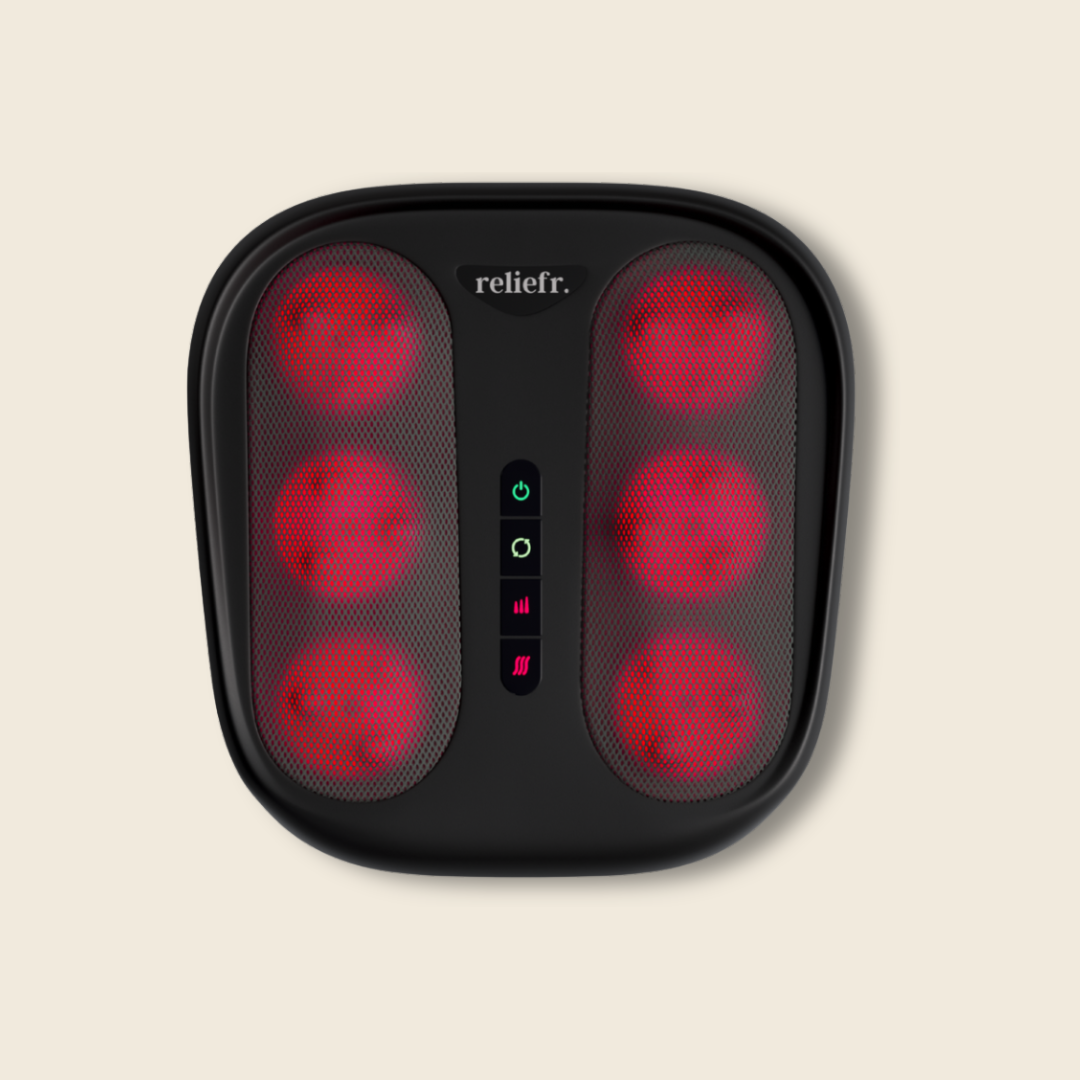
Many experience that their feet feel tired and sore after a long day of standing work or busy tasks. It is common to feel a form of discomfort when the feet have been strained for hours, whether due to work, exercise, or daily errands. In such situations, using a foot massager may seem like a help in providing increased comfort and relaxation. The devices are often designed to stimulate the foot's pressure points and provide a feeling of well-being, which many find reassuring when everyday life offers many challenges. By offering an easily accessible method for pain relief, many seek a solution that can make a noticeable difference in daily comfort.Finding calm and relaxation in a busy life is important. Therefore, there is great interest in products that can add relaxation and ease foot discomfort without much trouble. A device that massages the feet can be perceived as part of a broader approach to everyday well-being. Many find that such a machine helps loosen tension and create a more comfortable feeling in the feet, which can be welcome, especially after a long day.What is a foot massager?A foot massager is a device that massages the feet using several different technologies, such as rolling massage, heat, and air compression. These devices work by stimulating the areas on the foot where pressure and tension arise. By using different massage functions, the device can help relieve soreness, reduce the feeling of fatigue, and contribute to improved blood circulation. Rolling massage that addresses pressure points Heat function that can reduce the feeling of stiffness Air compression that provides gentle and calm relief By integrating these functions into one solution, a foot massager strives to create a stress-relieving effect that is felt both during and after use. Many experience that daily use of the device contributes to a feeling of lightness in the feet and can make a constructive difference in a busy everyday life. Interest in the device stems from the desire to find practical methods to escape daily fatigue and experience an improved balance between activity and relaxation.How does the combination of rolling massage, air pressure, and heat work?The combination of different techniques targets pressure points and muscle tension in the foot in different ways. Rolling massage moves tissue and stimulates places such as the heel, arch, and toes, which often appears as immediately increased mobility. Air pressure surrounds the foot and provides an even, compressive sensation that can be experienced as relief after longer periods of standing work. Heat makes soft tissue more pliable and can be experienced as reduced stiffness in the area, while also enhancing the feeling of well-being during use.Typical areas that may feel reliefThe effect is most often clear in the feet, but can also be felt in the ankles and calves, where tension is often associated with prolonged strain. Some experience that slight changes in posture or less muscle tension in the back and shoulders may follow after longer use, because the foot is the foundation of posture. The relief may appear as less soreness during strain and a general feeling of lightness after sessions.What affects how effectively the device works in everyday life?Several factors can affect the experience of pain relief and relief. The frequency of use and the duration of each session are often linked to how quickly one notices changes in the feeling of fatigue. Intensity levels and choice of program can affect how focused the massage feels on the heel or arch. Use of heat can increase comfort with stiffness, while the size of the foot and shoe choice in everyday life can determine how well the device suits your needs.Differences between models and what they typically showSome models focus primarily on rolling massage for targeted pressure on the arch and toes; others rely more on air compression for a gentler, enveloping effect. There are models with built-in heat for a softer sensation during use, and variants that emphasize reaching further up to the ankles and calves. The choice of functions often changes how the device works in everyday life: some are suitable for quick relief after work, while others provide a calmer, restorative experience over time.Daily factors that may affect the experienceThere are several everyday patterns that can over time play a role in how a foot massager is experienced in practice. Work patterns, alternation between standing and seated activities, as well as the length of active periods can all affect how often use of the device feels relevant. Likewise, the choice of shoes and walking surface can matter for which areas of the foot are experienced as most sore.Habits and repeated influencesSome habits appear as recurring patterns in relation to foot comfort. Repeated use of certain movements at work or during leisure can lead to strain patterns that over time can change where pressure and tension arise. It can also be useful to pay attention to how daily routines affect the timing and frequency of use of the device, without it being seen as a solution in itself.Practical factors in the homeWhere the device is placed in the home, and who shares it, can affect the usage pattern. If it is easily accessible, increased spontaneous use often appears, while limited space may mean that it is only brought out occasionally. Dust, temperature, and humidity can over time affect materials such as fabric and padding, and noise level can influence whether use is experienced as discreet in shared rooms.Technical and durability considerations A sign of wear in soft parts may be a changed feeling during use Electrical components can change performance over time Changes in noise level and vibrations can affect acceptance of long-term use These factors provide perspective on what one can observe without giving concrete instructions. At Reliefr, products are described with a focus on functions and materials, which may be relevant when comparing models based on expected durability and daily use.Frequently asked questionsWhat lifespan can one expect for a foot massager?The lifespan depends on construction, choice of materials, and usage pattern. Some models remain functional for many years with occasional use, while frequent daily use may show signs of wear more quickly, especially in the textile parts and moving mechanisms.Is there a big difference in durability between mechanical and air-based models?Mechanical systems often have more moving parts, while air-based systems place strain on textile elements and air systems. Both types can be robust, but they subject different parts to wear, which is reflected in maintenance needs and spare parts profile.How does noise level affect use in a shared home?Noise level can make a difference in how discreet the device is perceived, especially in open living spaces. Some users prioritize low noise level for shared use, while others tolerate louder sounds in private rooms. Noise choice can therefore be part of the assessment of where in the home the device fits best.
Learn more
Pain in the heel in the morning: What causes it, and how is it relieved?
Many experience that heel pain is especially noticeable in the morning. After a whole night of rest, the first steps can feel both stiff and painful, which often affects the morning and the daily rhythm. It is common for the pain to occur when ligaments and tendons have had longer time to become stiff, and that therefore increased discomfort is felt upon waking. Heel pain in the morning can vary in intensity, but is experienced as a clear and at times obstructive sensation that can affect both movement and well-being at the start of the day.The experience of pain can range from slight stiffness to a more pronounced and persistent discomfort that makes the first steps challenging. Many search for information about this topic, as daily strain, a busy everyday life, and prolonged sedentary behavior can give rise to painful sensations in the heel. It is important to have an overview of what this type of pain involves in order to understand how it affects one's mobility and daily activities. Changes in habits, correct footwear, and simple home-based methods can indeed influence how the pain is experienced.People who experience heel pain in the morning often describe a combination of stiffness and a throbbing sensation in the heel. This condition can seem surprising, as the pain often becomes milder over the course of the day, as the foot warms up, but the initial sensation can be both uncomfortable and demotivating.What is heel pain in the morning?Heel pain in the morning refers to pain that becomes apparent when one gets up after a night of inactivity. The pain is often highlighted with the first steps, while the foot prepares for daily activity. Many experience that the heel feels tight and sore, and that there is a need for a few minutes during which the pain gradually begins to give way as blood circulation increases. This condition is related to the fact that the tissues in the foot – including tendons and muscles – can become stiff with inactivity and therefore require time to "warm up".Some typical experiences with heel pain in the morning may include: Stiffness and soreness in the heel upon waking Pain that becomes noticeable with the first steps A feeling that the foot needs to be "woken up" to achieve normal mobility It is a condition that often arouses curiosity, as it can occur despite an otherwise healthy lifestyle. Many therefore become aware of how daily movements and choice of footwear can influence the discomfort in the morning, which makes the topic relevant for those who experience repeated episodes of heel pain at the start of the day.Typical causes of heel pain in the morningMorning heel pain often appears as a result of overuse and irritation in the tissues under the foot. A common cause is plantar fascia problems, where the tissue along the sole of the foot becomes strained over time and can be sore after rest. The pain is often related to repeated strain from walks, working positions, or prolonged standing, and it can appear more clearly after longer periods without movement.How does the pain typically present itself?The pain can be experienced as a sharp or stabbing sensation with the first steps in the morning, or as a more diffuse soreness in the heel area. Many describe that the foot feels tight and that it takes a few minutes to regain normal mobility. The intensity can vary from mild irritation to marked discomfort, and the pain may subside during the day as the foot becomes warm and moves more.How widespread is the problem in everyday life?Morning heel pain is common and affects people of different ages and with different levels of physical activity. In everyday life, it can affect both those who have an active working life with a lot of standing and those with sedentary work, because lack of movement and strain patterns can change how the tissues respond. Muscle tension and discomfort in other areas such as the back, neck, shoulders, and legs can also be present at the same time and change the overall sense of mobility and well-being.Factors that can affect how strongly the pain is experiencedSeveral factors can affect the pain experience. Excess weight places extra pressure on the foot's structures and can make morning pain more apparent. The use of shoes without sufficient support or shock absorption in everyday life is often related to increased strain on the heel. Rapid changes in activity level, such as increasing walking distance or training intensity, can also make the pain more pronounced during periods.Variations in heel painHeel pain can appear in different forms. Some experience a focused, sharp pain under the heel itself, while others have a broader, more diffuse soreness along the underside of the foot. Morning stiffness is a common feature, but how long the pain lasts, and how it feels during the day, can vary considerably from person to person. The existing tension in muscles and tendons around the foot is often part of the picture.What to be aware of in everyday lifeIn everyday life, small, repeated factors can play a role in how heel pain in the morning appears. Variation in surfaces, frequency of standing work, and how the foot rests throughout the night can all affect how the tissues respond after inactivity. Observing patterns over time often gives a clearer picture of connections between daily habits and the pain experience. Wake-up pattern: how stiffness changes from morning to evening can appear as an indicator of persistent irritation. Work strain pattern: repeated strain in the same working position can be related to increased soreness. Foot position during rest: the way the foot lies at night can affect the level of tension in tendons and soft tissues. Habits that may matter over timeLong-term habits often shape daily strain. Frequent use of hard surfaces or uniform shoes can over months appear as increased sensitivity in the heel area. Likewise, changes in activity patterns — both increasing and decreasing movement — can affect how the tissues adapt and how pain may be experienced over time.Relief, massage, and daily attentionThe use of massage and various forms of relief can in practice be experienced as contributing to better comfort in everyday life, but the effect varies from person to person. Massage can appear as a way to reduce tension in surrounding tissues, and regular touch of the area can make it easier to detect changes. At the same time, the use of supportive elements in shoes can lead to a change in the strain pattern, which over time can affect how pronounced the morning stiffness is.At Reliefr, it is often seen that small adjustments in daily routines give a different course of the pain experience without there being quick solutions. It is useful to note which days and situations where the heel pain is most pronounced, so that any patterns become visible.Frequently asked questionsCan working on hard floors affect heel pain?Working on hard floors can be related to increased strain on the foot's structures, which sometimes appears as more pronounced soreness after periods of standing activity.Does sleep pattern affect where the stiffness appears?Sleep pattern and how the foot rests at night can affect how stiff the foot feels upon waking and to what extent the tissues have had an opportunity to become less tense.Can changes in shoe use show up over several weeks?Yes, gradual changes in shoe use can lead to changes in the strain pattern, and the effect of such changes may only be felt after a few weeks, when the tissues adapt.When does pain change character over time?Pain can change character with variation in activity level, footwear, or daily strain. Changes in the pattern can appear as differences in intensity, spread, or how quickly the pain subsides during the day..
Learn more
Pain in foot: What causes the pain, and how can it be relieved?
Many people experience foot pain, and it is a problem that can affect everyday life in several ways. The pain can vary in intensity and location, and it can appear both as a creeping irritation and a sharp discomfort when standing or walking. It is common for foot pain to occur during periods of increased activity or after prolonged strain. The feeling of discomfort can make it challenging to perform everyday tasks and can over time affect general quality of life. This type of pain often raises questions about what underlies the discomfort and why exactly the foot reacts the way it does.Pain in the foot can be experienced differently depending on which areas are affected. In some, foot pain can manifest as a persistent soreness, while others experience sharp and locally centered pain. It is not uncommon for the pain to worsen during certain activities, such as prolonged walking or standing. At the same time, it can arise without an immediate cause, which leads many to seek knowledge about the condition and the possibilities for managing it in everyday life.What is foot pain?Foot pain covers discomfort and pain that can arise in different parts of the foot. The most common causes of this type of pain include: Overuse from repeated movements or prolonged strain Minor injuries and strains that affect the foot’s muscles and tendons Inflammation in the tissue, which can make the foot sore and stiff The pain can vary in both intensity and duration. For some, it is a sudden, sharp sensation, while others experience a more diffuse discomfort that persists over a longer period. Foot pain can thus occur as a result of everyday strain or minor mishaps, where the foot’s natural load distribution changes. It is also common for the pain to appear in connection with activities where the foot has to bear the body for a long time, for example during walks or at work that requires prolonged standing.By having a general understanding of what foot pain can cover, it becomes easier to identify when the discomfort should be taken seriously and how it can affect daily life. This overview creates a reassuring framework for assessing whether it is a temporary problem or a sign that changes are needed in daily activities.Typical causes of foot painFoot pain often appears as a result of overuse from repeated movements or suddenly increased activity. Minor injuries and strains in muscles and tendons can lead to local tenderness and increased muscle tension. Inflammatory conditions in soft tissue, for example in connective tissue under the foot or around the heel area, can make the foot stiff and sore. Nerve irritation in the foot area can cause other forms of discomfort, described as burning or stabbing sensations.How does the pain present itself in everyday life?The pain pattern varies, but there are some common features that recur in everyday life. Many experience sharp or stabbing pain under strain, while others experience a persistent soreness that worsens over time. Typical times of increased discomfort are after periods of inactivity or at the start of a walk, when the foot feels stiff. Sharp or localized pain when bearing weight Stiffness and reduced mobility early in the day Burning or tingling sensation with nerve involvement Foot pain can often be related to tension in surrounding areas and can affect how one moves. In general, problems in the feet can leave their mark on the legs, knees, and sometimes the back or shoulders, because walking pattern and posture change when the foot hurts.Everyday factors that can affect painDaily habits have great significance for how pain is experienced. Prolonged standing or many hours of walking on hard surfaces can worsen soreness and muscle tension. Wearing shoes without sufficient support or with worn soles can change the load on the foot and thereby increase the need for relief. Weight changes, repeated work movements, and sudden increases in activity level are often related to an increased experience of pain.Variations in pain and tension patternsThe pain can be short-term and acute after an overload or more persistent and changing in intensity. Muscle tension in the foot can feel like a tighter sensation or fatigue, while nerve involvement often appears as tingling or burning symptoms. The intensity can vary throughout the day and can be experienced differently depending on activity and the surroundings in which one walks..
Learn more
Pain on the outside of the foot: What causes it, and how is it relieved?
Many people experience pain on the outer side of the foot, and it is not unusual for the pain to affect daily activities. It is common to feel soreness or slight swelling, especially after periods of intense walking or physical activity. The pain may appear as a mild irritating sensation or develop into something more pronounced, so that even a simple movement may require extra attention. The discomfort that arises is often a sign that the structures of the foot have been strained over time. This form of pain naturally raises curiosity about what lies behind the discomfort and why it occurs in so many people in everyday life.Increased focus on the pain arises when one begins to adjust daily activity to reduce the symptoms. Many find it important to gain a better understanding of what pain on the outer side of the foot actually entails, so that one can confidently assess whether and how everyday life should be changed to avoid further discomfort. When the pain appears, it can create uncertainty about which activities may need to be reduced and how best to ensure that the foot gets sufficient rest and recovery.What is pain on the outer side of the foot?Pain on the outer side of the foot typically refers to pain that occurs in the outer part of the foot. The experience can vary and is often described as a combination of soreness and a feeling of pressure accompanied by slight swelling. The pain can be experienced during activities that strain the foot, for example during longer walks, running training, or when standing for longer periods. For many, the discomfort arises as a result of repeated strain on the foot’s tendons and joints, and an unstable ankle or previous injuries can intensify this problem. Soreness and slight swelling in the affected area Discomfort on touch and under strain Reduced mobility, especially after physical activity For many, the pain is linked to overuse, where repeated movements strain the structures of the foot. The pain often arises when the activity level suddenly changes, or when prolonged demanding activities have been carried out. An understanding of what lies behind the occurrence of pain on the outer side of the foot can provide a reassuring and manageable framework for handling the discomfort in everyday life, so that one can more easily assess which measures to take to reduce the pain and support the foot during a period of recovery.How does the pain typically present itself?Pain on the outer side of the foot can be experienced in different ways and varies in intensity. A sharp pain is often felt with lateral loading or when walking on uneven surfaces. After activity, the pain may feel more throbbing or like persistent soreness, and mobility in the ankle may be reduced until the area has had time to rest. Many also describe tension in the lower leg, which may be felt in the calf and ankle in addition to discomfort in the foot itself.How often does it occur in everyday life?The problem is frequently seen in people with repeated movements in work or leisure activities. Prolonged standing or frequent walks on hard surfaces can cause the pain to appear in everyday life. Older people may experience increased stiffness and weaker tendons, which is often associated with increased vulnerability in the foot. For many, this means reduced comfort during ordinary activities such as shopping, climbing stairs, or using public transport.Factors that can affect the pain Use of shoes without sufficient support, which increases the strain on the outer side of the foot Sudden increases in activity or intensity, which can cause irritation in the tendons Previous sprains or injuries in the foot and ankle that make the area more sensitive Hard surfaces and prolonged standing work, which increase pressure and strain Muscle contractions in the calf and lower leg, which change the load pattern in the foot Variations in the extent and consequences of the painPain by the outer side of the foot can vary from mild irritation soreness to such severe discomfort that walking and ordinary movement are limited. In some cases, the pain appears primarily during activity, while others experience recurring stiffness in the morning or after rest. Muscle tension around the ankle and in the calf can make the foot less flexible, and persistent discomfort can change the way one walks, which can cause increased strain in the foot, ankle, and knee.Which areas of the body are often involved?In addition to the foot itself, effects are often seen in the ankle, calf/lower leg, and sometimes in the knee or back when the walking pattern changes. Tension and reduced mobility in these areas are often linked to how the pain is experienced in everyday life.Observations in everyday lifeIn the daily routine, there are several small patterns that often go unnoticed but may be relevant to note. The intensity of the pain and the time of day can vary, and some experience that the discomfort changes in relation to the type of activity or how long one has been sitting or standing. Just as changes in walking pattern or how weight is distributed between the feet can appear gradually, it is worth paying attention to patterns rather than isolated episodes.Habits and conditions that can have an influence over timeSome daily habits affect how the strain is distributed in the foot over time. Prolonged one-sided strain, frequent lateral movements, and repeated short periods of strain can affect the foot’s response. Also, small changes in footwear, the profile of the sole, or how the shoe fits can change pressure distribution. Psychological factors such as stress and sleep can affect muscle tension and thereby the perception of discomfort in the foot. Variation in pain during the day without a clear cause Differences in strain between the right and left foot New or changed movement patterns in daily activities Changes in the fit of the shoe or the condition of the sole Massage and offloading in an everyday perspectiveMassage is often mentioned as part of daily well-being and relaxation. In everyday life, brief touch or light massage may be experienced as a way to create increased attention around a sore area and can be part of ordinary recovery routines. Offloading in the form of changed habits in everyday life can also be perceived as a way to create better comfort during periods of imbalance, without there necessarily being a need for major lifestyle changes.Frequently asked questionsCan sleep affect how pain is experienced?Sleep quality may be linked to muscle tension and pain threshold, which can cause discomfort in the foot to feel different from day to day.Is weather or temperature relevant to the experience of pain?Some people report that cold or damp conditions can change the sensation in the feet, which can affect the experience of discomfort in everyday life.How does wear on the shoe sole typically appear?Uneven or marked wear on the outer side of the sole may in some cases reflect changed strain under the outermost edge of the foot, and thus be an indicator of how weight distribution has been over time.Can changes in posture affect the foot?Small changes in posture or in how one carries weight in everyday life may be linked to how the strain is distributed to the feet, and can therefore matter for the experience of discomfort..
Learn more
Pain in feet: Common causes and relief in everyday life
Many experience pain in their feet in everyday life, and it is common to feel a certain discomfort when the foot becomes overloaded or affected by daily activities. The sensation can vary, and many have at some point experienced soreness or stiffness that affects both movement and well-being. This form of discomfort can be seen after long periods of standing, walking, or with sudden changes in physical activity. It can build up and give a general feeling of fatigue and discomfort that affects overall quality of life.What is pain in the feet?Pain in the feet covers discomfort and soreness that can be felt in one or more parts of the foot. It is a condition that is often experienced in connection with overuse, but which can also be linked to changes in the way the foot is loaded during daily activities. Many describe the feeling as a persistent soreness or periodic stabbing pain that makes it challenging to maintain a normal daily routine.The unpleasant sensation can be experienced differently among those who feel it. Some experience the pain as a mild, irritating soreness after a long day, while others may get more pronounced and sharp pain that makes it difficult to move freely. The pain can arise as a result of overuse, where repetitive activity or prolonged standing strains the muscles and joints of the foot. In addition, certain situations can lead to inflammation, which intensifies the feeling of pain and discomfort.It is common to seek knowledge about what underlies this pain, as when it occurs frequently it can be disruptive to the daily routine. Many see a connection between loading patterns and how the pain arises in the foot. Whether it concerns everyday activities, sports, or work, it is important to have an understanding of what the pain involves and how it typically manifests. This understanding-building approach creates an overview of how one can recognize and manage the discomfort before steps are taken toward possible relief.Causes of pain in the feetPain in the feet often has several simultaneous causes, where loading patterns and repeated activity play a significant role. Incorrect weight transfer during walking or running can increase pressure on certain parts of the foot, and prolonged strain makes muscles and tendons more tired and tense. Rapid changes in activity level, such as more walking or standing than normal, are often associated with increased discomfort.How does the pain typically show itself in everyday life?The pain can show itself as stiffness in the morning, soreness after standing for a long time, or as a sharp sensation at the first step after rest. Some experience a throbbing or burning feeling after repeated strain, while others notice local swelling or a feeling of fatigue in the foot. The intensity can vary over the day and be worse at the end of an active day.How common is foot pain in daily activities?Pain in the feet is common among both those who are physically active and those with sedentary work, because strain occurs in many different situations. Many experience recurring discomfort during periods of increased activity or in jobs that require many hours on their feet. The frequency often increases during periods of less rest or with repeated changes in daily habits.Daily conditions that can affect the intensityChoice of footwear and surface are often connected to how quickly the pain worsens during the day. Hard floors, long walks, and repeated standing can make the pain more pronounced, just as increased body weight and fatigue in the lower legs can affect the experience. Lack of breaks or prolonged standing work can cause tension to escalate in the foot’s muscles and surrounding soft tissue.Muscle tension and connection to other body areasTension in the calves and lower legs is often associated with increased pressure on the feet and can show itself as soreness or reduced mobility. Postural changes in the back and shoulders can affect the load down through the legs, and tension in the hip can alter the gait pattern so that certain areas of the foot are loaded more. Therefore, it is common to see a coincidence between discomfort in the feet and increased muscle tension in the back, neck, shoulders, or legs.Worth paying attention to in everyday lifeIn everyday life, it is often small, repeated circumstances that affect how pain in the feet can be experienced over time. The pain experience itself often changes from day to day and can show itself as variation in intensity, location, or time of day. These variations are often connected with changes in routines, workdays, or unexpected activities.There are several patterns that can be useful to notice without leading to concrete actions. For example, swelling in the ankle or the circumference of the foot can vary during the day and may be experienced as differences in fit or pressure. Likewise, prolonged fatigue in the lower leg can show itself as increased warmth or a feeling of heaviness in the feet. Variation in pain quality, such as feeling sharp, dull, or burning, can appear at different times of the day The foot’s circumference and feeling of tightness can change during longer periods of activity or in heat Small repeated movements in daily tasks can over time affect which areas of the foot are loaded the most It is also relevant to pay attention to how sleep, stress, and general fatigue can affect the sensation of pain. Mental pressure and lack of recovery can make the same strain feel different from one day to another. Furthermore, temperature and season have an influence, as variations in warmth can affect fluid distribution and sensitivity in soft tissue.Some choose to use different wellness products at home, and foot massage is an example often mentioned in connection with better blood circulation and reduced muscle tension. At Reliefr there are products for home use that some experience as part of their daily well-being: https://reliefr.dk/collections/fodmassagePaying attention to these patterns can give perspective on how pain in the feet develops over time, and prepare you for which questions you want answered. Below you will find some of the frequently asked questions about this topic.Frequently asked questionsHow does the pain experience typically vary from day to day?The pain experience can vary with activity level, fatigue, and circumstances such as temperature and fluid retention. Some experience more discomfort in the evening, others when starting after rest, and the patterns can change over weeks.Can massage affect how the pain is experienced?Massage often appears as a method that temporarily affects blood circulation and muscle tension, and many describe changes in comfort level after massage. The effect can vary from person to person.What can change the foot’s sensitivity during the day?Factors such as fluid distribution, temperature, and general fatigue are often connected with changes in sensitivity. Small daily variations in activity can also make certain areas more sensitive over time..
Learn more