Many experience pain and tension in their feet after long days of physical activity or work where one stands a lot. It is common to notice that the feet become tired and sore, and sometimes swelling can occur, making everyday life less comfortable. Foot massage is therefore often used as a method to relieve this discomfort and create a feeling of well-being. By using a range of different techniques, foot massage can improve blood circulation and loosen the tension that accumulates in muscles and connective tissue. This form of massage is perceived as a natural way to give the body a break while also stimulating inner relaxation, so that one gets off to a good start after a long day's strain.
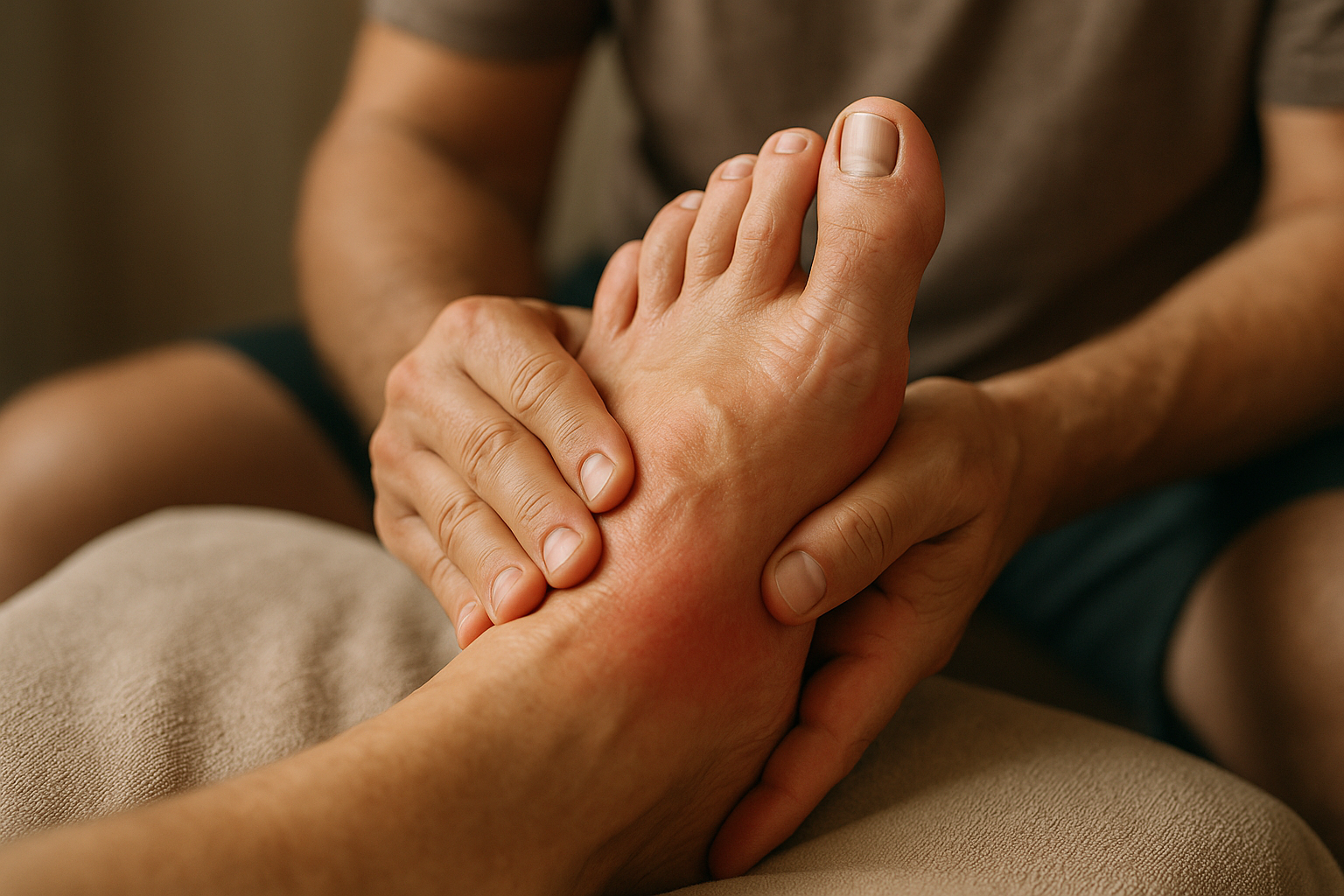
For many who have an active everyday life, it is seen as an effective method for relieving quietly sore and tired feet. Foot massage is often experienced as a simple tool that can be integrated into the daily routine at home and create a feeling of subdued but lasting relief. It is an accessible method that can be performed both manually and with the help of various tools. The focus is on stimulating the parts of the foot that bear the most weight and giving calm to the strained areas through gentle, rhythmic movements and focused pressure point massage. The techniques can vary from light warming up with gentle strokes to deeper kneading, where the aim is to loosen tension that has built up over time.
What is foot massage?
Foot massage involves several approaches that together can relieve pain and tension as well as improve blood circulation. The techniques range from gentle strokes that warm up and soothe to more intense methods that release deeper tension. The method can be seen as a natural way to restore comfort and give the body the opportunity to relax after long days of strain.
- Gentle strokes, which help warm up and prepare the muscles
- Kneading, which loosens tension in the connective tissue
- Targeted pressure point massage to reduce soreness in specific places
By integrating foot massage into everyday life, one can achieve a feeling of calm and regain daily comfort. Many find that this practice can help reduce the discomfort that comes with an active lifestyle, while also contributing to an overall sense of balance and well-being. By paying attention to the body's signals and taking time to care for the feet, a safe framework is created that supports both relaxation and health.
How pain in the feet typically appears
Pain and tension in the feet often appear as soreness after prolonged standing or walking, a feeling of fatigue in the foot muscles, and local stiffness during strain. Some experience swelling in the forefoot or around the ankle, while others notice sharp or throbbing sensations under the heel or at the toes. The symptoms can vary during the day and become more apparent in the evening after prolonged strain.
How problems in the feet affect the rest of the body
Discomfort in the feet can often be associated with tension higher up in the body. When the feet feel sore, many automatically change their walking pattern or standing posture, which can put extra pressure on the legs, knees, and in some cases affect the back, neck, and shoulders. This connection between the feet and the rest of the body explains why relief in the feet is often experienced as increased comfort throughout the body.
What can affect the extent of the discomfort?
- Prolonged standing or repeated strain in work and leisure
- Footwear with poor support or hard soles
- The hardness and unevenness of the surface when walking or running
- Lack of recovery and general fatigue
- Stress and increased muscle tension in the body
These factors are often connected and can affect how pain is experienced. For example, a hard surface combined with poorly supportive shoes can make the feet more sensitive after a workday.
Variations in how massage works on tension
Foot massage can be directed at different levels of tissue and therefore create different experiences. Gentle, superficial strokes often feel relaxing and help loosen tension in the skin and underlying muscle layers, while deeper kneading can target more compact muscle areas and connective tissue. Some techniques can feel relieving right away, others work gradually by reducing stiffness and soreness over time.
When massage is part of daily routines
Using massage as part of everyday life can make it easier to keep an eye on changes in the condition of the foot and respond to early signs of increased strain. Regular care of the feet can help reduce acute discomfort during the day and support a more comfortable everyday life, especially for those with standing work or a lot of walking.
An eye for patterns in everyday life
In everyday life, it is often small repeated factors that over time affect how the feet feel. Changes in the fit of shoes, variation in work, or changed habits around standing and sitting can appear as a gradual increase in soreness or increased stiffness during strain. It is useful to notice times of day when the discomfort is most apparent, and which daily routines are often connected with these patterns.
Connection between the use of footwear and comfort
The fit of footwear can change over months, and material choices in socks or shoes can affect the condition of the skin. Moisture and friction can appear as irritation or increased sensitivity, especially at the toes and along the sides of the foot. Attention to how shoes feel during different activities can provide insight into which situations have the greatest significance over time.
Habits that can affect the reaction of the foot
Repeated positions, one-sided strain, and long periods without relief can matter for how tension develops. Some find that crossed legs or frequent carrying of heavy gear can change the walking pattern and thereby lead to other sensations of strain higher up in the body. These connections can affect how and when pain or discomfort appears.
Small signs as indications
- Pain that becomes more prominent toward the end of the day
- Difference in feeling between the right and left foot
- Visible changes in the skin or in the shape of the foot
- Surprising or sudden changes in walking pattern
Being attentive to these small signs can provide a calm understanding of how daily choices can affect foot comfort over time. This perspective helps put conversations about care and prevention into context and naturally leads into answers to the questions many ask about massage and foot care at home.
Frequently asked questions
How often is it normal to notice an effect after a foot massage?
The experience varies from person to person. Some notice temporary relief immediately after a session, while others describe gradual changes over days, where symptoms may become less pronounced or change in character.
Which tools are most often used for home use?
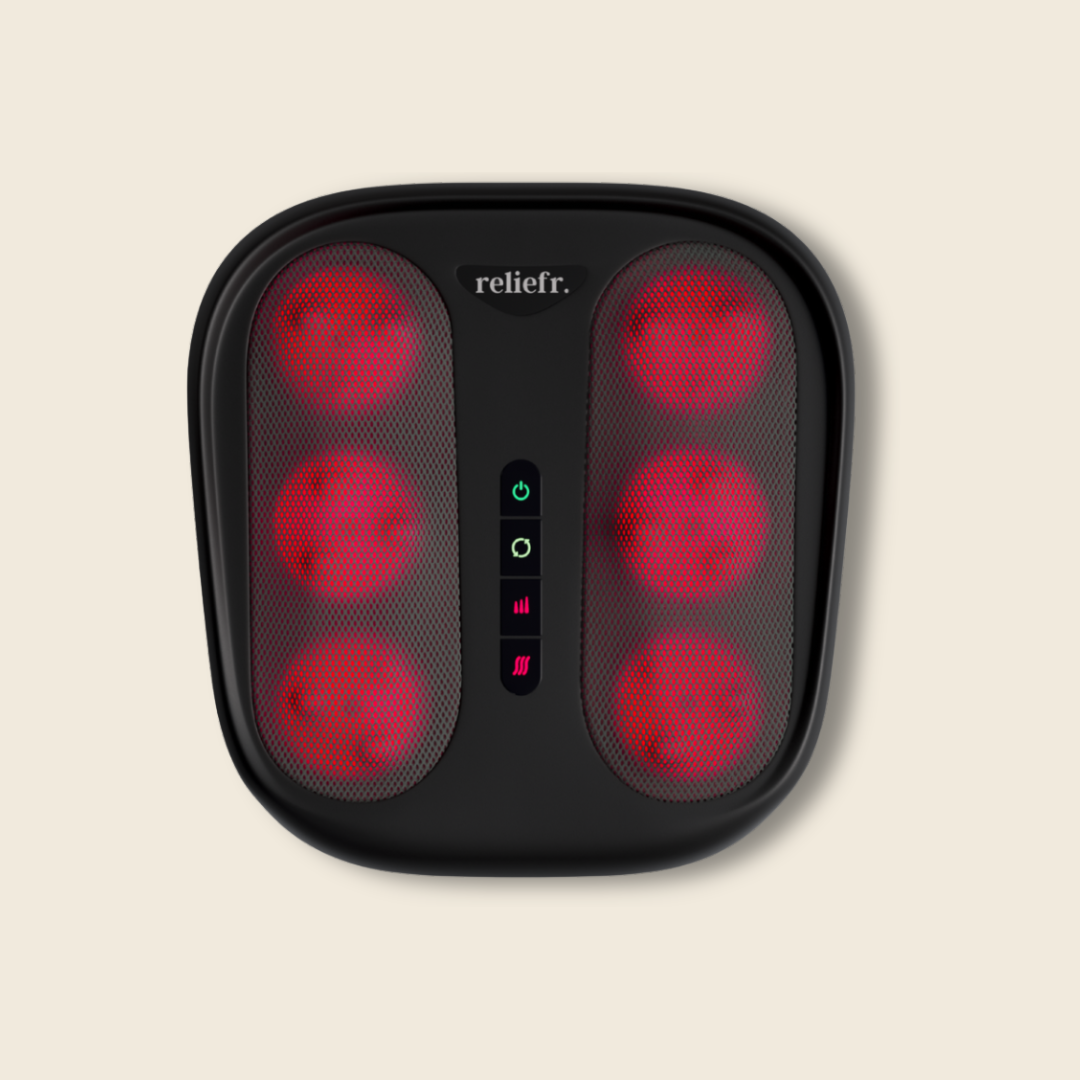
There is a range of simple tools, from soft balls to rollers, as well as electric devices, all of which can provide different forms of touch and pressure. The choice of tool can affect how the sensation is experienced, without necessarily pointing to one correct solution.
When does new or changed discomfort show signs of worsening?
Worsening can be experienced as a clear increase in pain intensity, a change in when the discomfort occurs, or when normal daily activities are affected to a greater extent. These changes can be signals that the conditions around the foot have changed significantly.
.