Many people find that their feet feel tired and sore after a long day of standing at work or rushing about. It is common to feel some discomfort when your feet have carried you for hours, whether from work, exercise or everyday errands. In those moments, a foot massager can help bring more comfort and relaxation. These devices are often designed to stimulate the pressure points of the foot and give a sense of well-being, which many find reassuring when everyday life is demanding. Because it is an easy, accessible way to ease pain, many people look to a foot massager for something that makes a noticeable difference to their daily comfort.
Finding calm and rest in a busy life matters. That is why so many people are interested in products that bring relaxation and ease foot discomfort without much effort. A foot massager can be one part of a wider approach to feeling well day to day. Many find that it helps release tension and leaves their feet feeling more comfortable, which is especially welcome after a long day.
What is a foot massager?
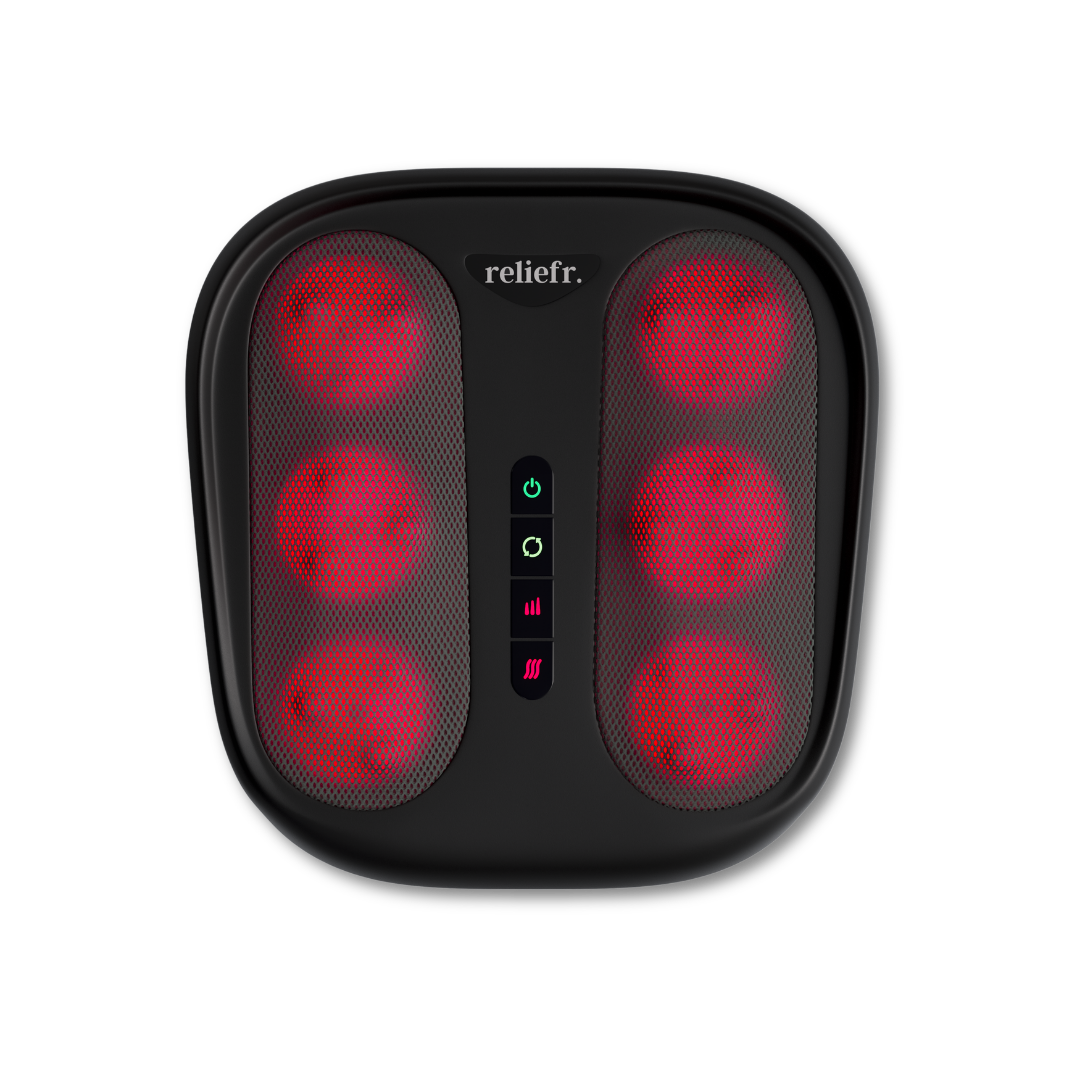
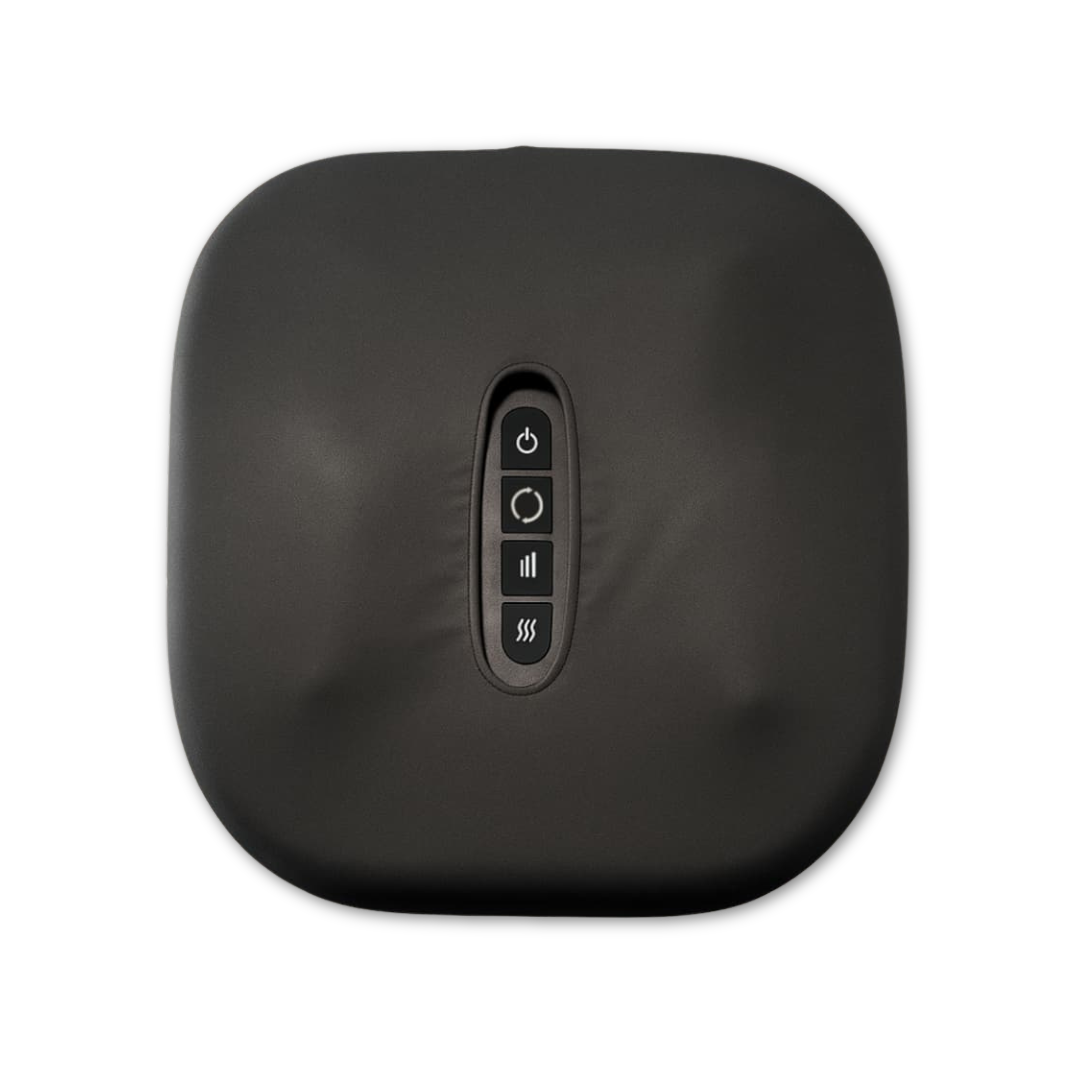
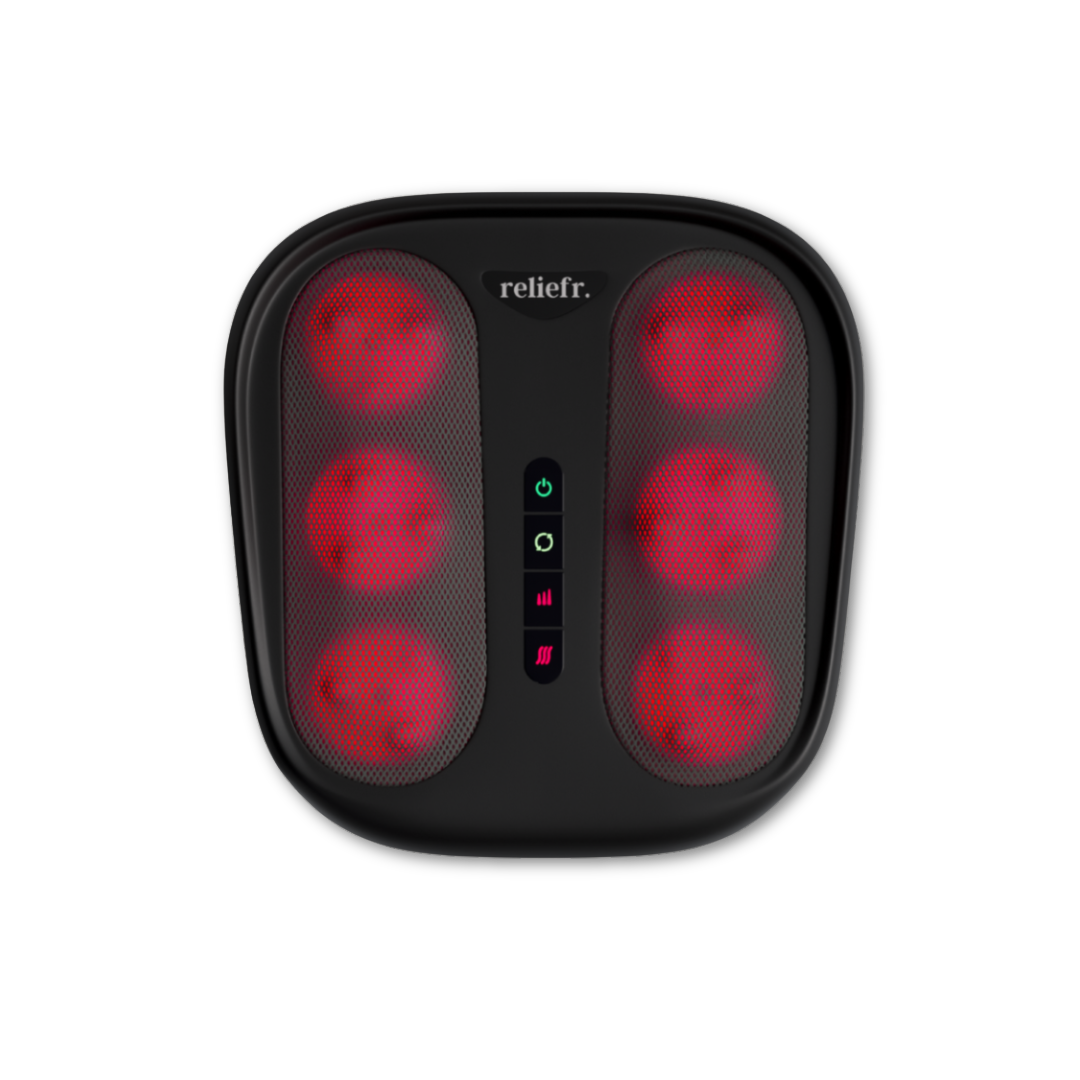
A foot massager is a device that massages your feet using several techniques, such as roller massage, heat and air compression. It works by stimulating the areas of the foot where pressure and tension build up. With its different massage functions, it can help ease soreness, reduce the feeling of tiredness and support better blood circulation.
- Roller massage, which targets pressure points
- Heat, which can ease the feeling of stiffness
- Air compression, which gives gentle, soothing relief
By combining these functions in one device, a foot massager aims to help you unwind, both during and after use. Many find that using it every day makes their feet feel lighter and can make a real difference in a busy life. The interest comes from wanting a practical way to shake off the day's tiredness and find a better balance between activity and rest.
How do roller massage, air pressure and heat work together?
Each technique works on pressure points and muscle tension in the foot in its own way. Roller massage moves the tissue and stimulates areas such as the heel, arch and toes, which often makes the feet feel more mobile straight away. Air pressure wraps around the foot and gives an even, squeezing sensation that can feel like relief after long periods of standing. Heat makes soft tissue more supple, which can feel like less stiffness in the area, while adding to the sense of well-being during use.
Where you may feel relief
The effect is usually most noticeable in the feet, but you may also feel it in your ankles and calves, where tension often builds up from long periods of strain. Some people notice slight changes in posture or less muscle tension in the back and shoulders after longer use, as the feet are the foundation of how we stand. The relief may show as less soreness when you are on your feet and a general feeling of lightness after each session.
What affects how well it works in everyday life?
Several things can affect how much relief you feel. How often you use it and how long each session lasts often go hand in hand with how quickly you notice your feet feeling less tired. The intensity level and programme you choose can affect how focused the massage feels on the heel or arch. Heat can add comfort when your feet feel stiff, while your foot size and the shoes you wear every day can decide how well the device suits your needs.
How models differ
Some models focus mainly on roller massage for targeted pressure on the arch and toes; others rely more on air compression for a gentler, enveloping feel. Some have built-in heat for a softer feel during use, and some are designed to reach further up the ankles and calves. The functions you choose often change how the device fits into your day: some are well suited to quick relief after work, while others offer a calmer, more restorative experience over time.
Everyday factors that can affect the experience
Several everyday patterns can, over time, shape how you experience a foot massager in practice. Your working pattern, how much you switch between standing and sitting, and how long you are active at a stretch can all affect how often you feel like using it. In the same way, your choice of shoes and the surfaces you walk on can affect which parts of your feet feel most sore.
Habits and repeated strain
Some habits show up as recurring patterns in how your feet feel. Repeating certain movements at work or in your free time can create patterns of strain that, over time, change where pressure and tension build up. It can also help to notice how your daily routine affects when and how often you use the device, without seeing it as a solution in itself.
Practical things at home
Where you keep the device at home, and who you share it with, can affect how you use it. If it is close at hand, people often use it more spontaneously, while limited space may mean it only comes out now and then. Over time, dust, temperature and humidity can affect materials such as fabric and padding, and the noise level can decide whether using it feels discreet in shared rooms.
Technical points and durability
- A changed feel during use can be a sign of wear in the soft parts
- The performance of electrical components can change over time
- Changes in noise level and vibration can affect how happy you are to keep using it
These points give you an idea of what to look out for, rather than concrete instructions. At Reliefr, we describe our products with a focus on functions and materials, which can help when you compare models for expected durability and everyday use.
Frequently asked questions
How long does a foot massager last?
That depends on how it is built, the materials used and how you use it. Some models keep working for many years with occasional use, while frequent daily use can show signs of wear sooner, especially in the fabric parts and moving mechanisms.
Is there a big difference in durability between mechanical and air-based models?
Mechanical models often have more moving parts, while air-based models put more strain on the fabric and the air system. Both types can be robust, but different parts are exposed to wear, which shows in the maintenance they need and the spare parts they may require.
How does the noise level affect use in a shared home?
The noise level can make a difference to how discreet the device feels, especially in open-plan living spaces. Some people prefer a quiet model when others are around, while others do not mind more noise in a private room. So noise is worth considering when you decide where in your home the device fits best.