Many experience pain in their feet in everyday life, and it is common to feel a certain discomfort when the foot becomes overloaded or affected by daily activities. The sensation can vary, and many have at some point experienced soreness or stiffness that affects both movement and well-being. This form of discomfort can be seen after long periods of standing, walking, or with sudden changes in physical activity. It can build up and give a general feeling of fatigue and discomfort that affects overall quality of life.
What is pain in the feet?
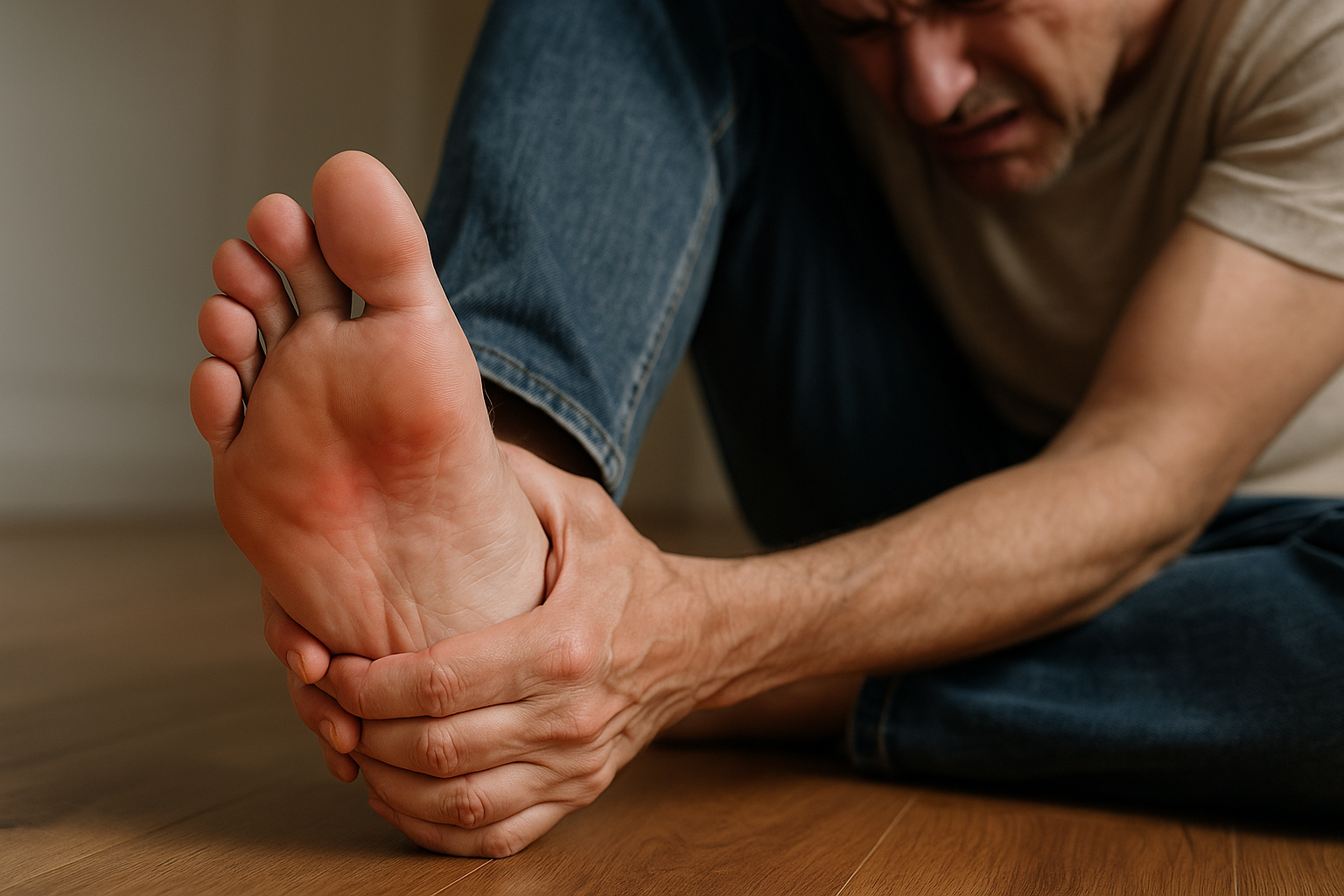
Pain in the feet covers discomfort and soreness that can be felt in one or more parts of the foot. It is a condition that is often experienced in connection with overuse, but which can also be linked to changes in the way the foot is loaded during daily activities. Many describe the feeling as a persistent soreness or periodic stabbing pain that makes it challenging to maintain a normal daily routine.
The unpleasant sensation can be experienced differently among those who feel it. Some experience the pain as a mild, irritating soreness after a long day, while others may get more pronounced and sharp pain that makes it difficult to move freely. The pain can arise as a result of overuse, where repetitive activity or prolonged standing strains the muscles and joints of the foot. In addition, certain situations can lead to inflammation, which intensifies the feeling of pain and discomfort.
It is common to seek knowledge about what underlies this pain, as when it occurs frequently it can be disruptive to the daily routine. Many see a connection between loading patterns and how the pain arises in the foot. Whether it concerns everyday activities, sports, or work, it is important to have an understanding of what the pain involves and how it typically manifests. This understanding-building approach creates an overview of how one can recognize and manage the discomfort before steps are taken toward possible relief.
Causes of pain in the feet
Pain in the feet often has several simultaneous causes, where loading patterns and repeated activity play a significant role. Incorrect weight transfer during walking or running can increase pressure on certain parts of the foot, and prolonged strain makes muscles and tendons more tired and tense. Rapid changes in activity level, such as more walking or standing than normal, are often associated with increased discomfort.
How does the pain typically show itself in everyday life?
The pain can show itself as stiffness in the morning, soreness after standing for a long time, or as a sharp sensation at the first step after rest. Some experience a throbbing or burning feeling after repeated strain, while others notice local swelling or a feeling of fatigue in the foot. The intensity can vary over the day and be worse at the end of an active day.
How common is foot pain in daily activities?
Pain in the feet is common among both those who are physically active and those with sedentary work, because strain occurs in many different situations. Many experience recurring discomfort during periods of increased activity or in jobs that require many hours on their feet. The frequency often increases during periods of less rest or with repeated changes in daily habits.
Daily conditions that can affect the intensity
Choice of footwear and surface are often connected to how quickly the pain worsens during the day. Hard floors, long walks, and repeated standing can make the pain more pronounced, just as increased body weight and fatigue in the lower legs can affect the experience. Lack of breaks or prolonged standing work can cause tension to escalate in the foot’s muscles and surrounding soft tissue.
Muscle tension and connection to other body areas
Tension in the calves and lower legs is often associated with increased pressure on the feet and can show itself as soreness or reduced mobility. Postural changes in the back and shoulders can affect the load down through the legs, and tension in the hip can alter the gait pattern so that certain areas of the foot are loaded more. Therefore, it is common to see a coincidence between discomfort in the feet and increased muscle tension in the back, neck, shoulders, or legs.
Worth paying attention to in everyday life
In everyday life, it is often small, repeated circumstances that affect how pain in the feet can be experienced over time. The pain experience itself often changes from day to day and can show itself as variation in intensity, location, or time of day. These variations are often connected with changes in routines, workdays, or unexpected activities.
There are several patterns that can be useful to notice without leading to concrete actions. For example, swelling in the ankle or the circumference of the foot can vary during the day and may be experienced as differences in fit or pressure. Likewise, prolonged fatigue in the lower leg can show itself as increased warmth or a feeling of heaviness in the feet.
- Variation in pain quality, such as feeling sharp, dull, or burning, can appear at different times of the day
- The foot’s circumference and feeling of tightness can change during longer periods of activity or in heat
- Small repeated movements in daily tasks can over time affect which areas of the foot are loaded the most
It is also relevant to pay attention to how sleep, stress, and general fatigue can affect the sensation of pain. Mental pressure and lack of recovery can make the same strain feel different from one day to another. Furthermore, temperature and season have an influence, as variations in warmth can affect fluid distribution and sensitivity in soft tissue.
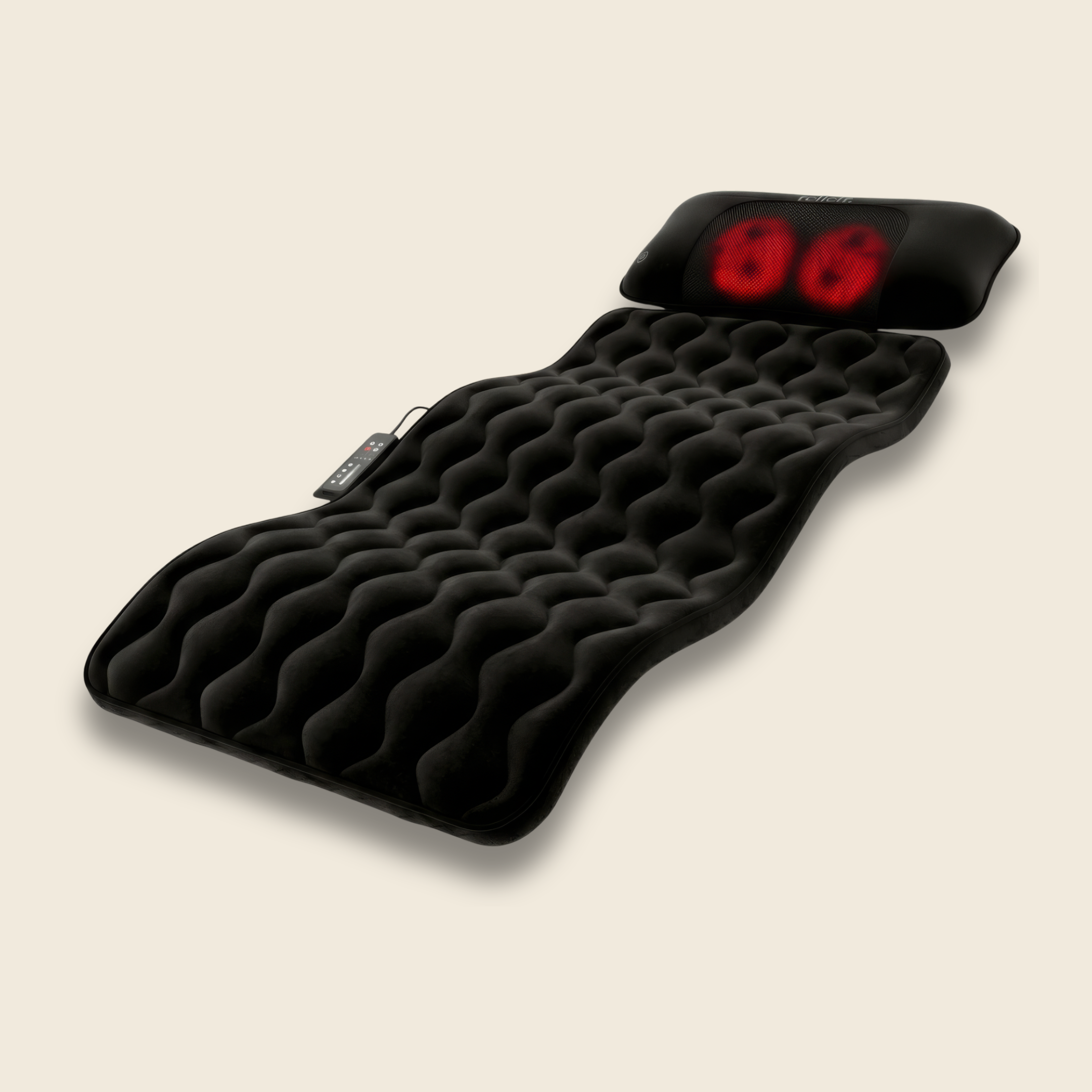
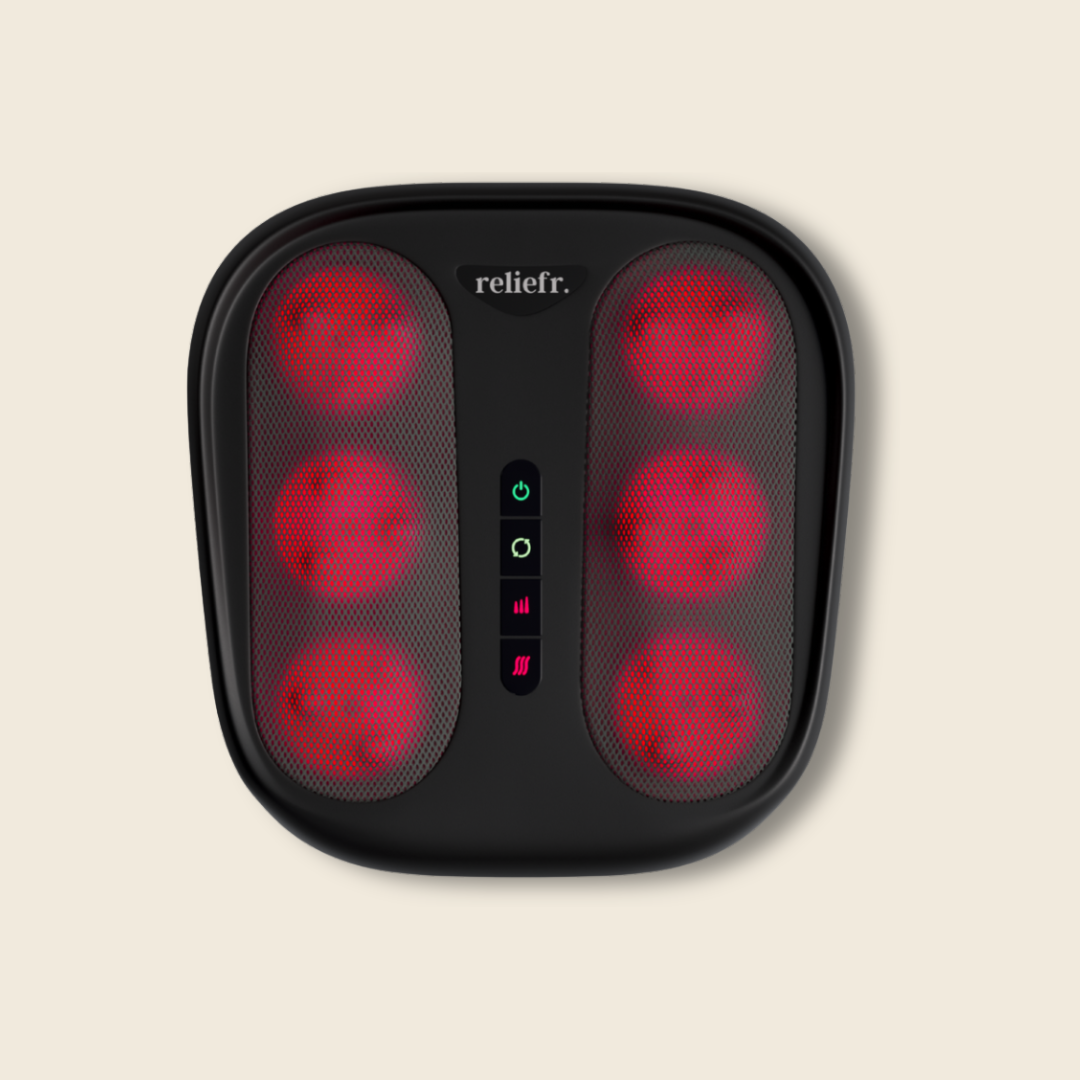
Some choose to use different wellness products at home, and foot massage is an example often mentioned in connection with better blood circulation and reduced muscle tension. At Reliefr there are products for home use that some experience as part of their daily well-being: https://reliefr.dk/collections/fodmassage
Paying attention to these patterns can give perspective on how pain in the feet develops over time, and prepare you for which questions you want answered. Below you will find some of the frequently asked questions about this topic.
Frequently asked questions
How does the pain experience typically vary from day to day?
The pain experience can vary with activity level, fatigue, and circumstances such as temperature and fluid retention. Some experience more discomfort in the evening, others when starting after rest, and the patterns can change over weeks.
Can massage affect how the pain is experienced?
Massage often appears as a method that temporarily affects blood circulation and muscle tension, and many describe changes in comfort level after massage. The effect can vary from person to person.
What can change the foot’s sensitivity during the day?
Factors such as fluid distribution, temperature, and general fatigue are often connected with changes in sensitivity. Small daily variations in activity can also make certain areas more sensitive over time.
.