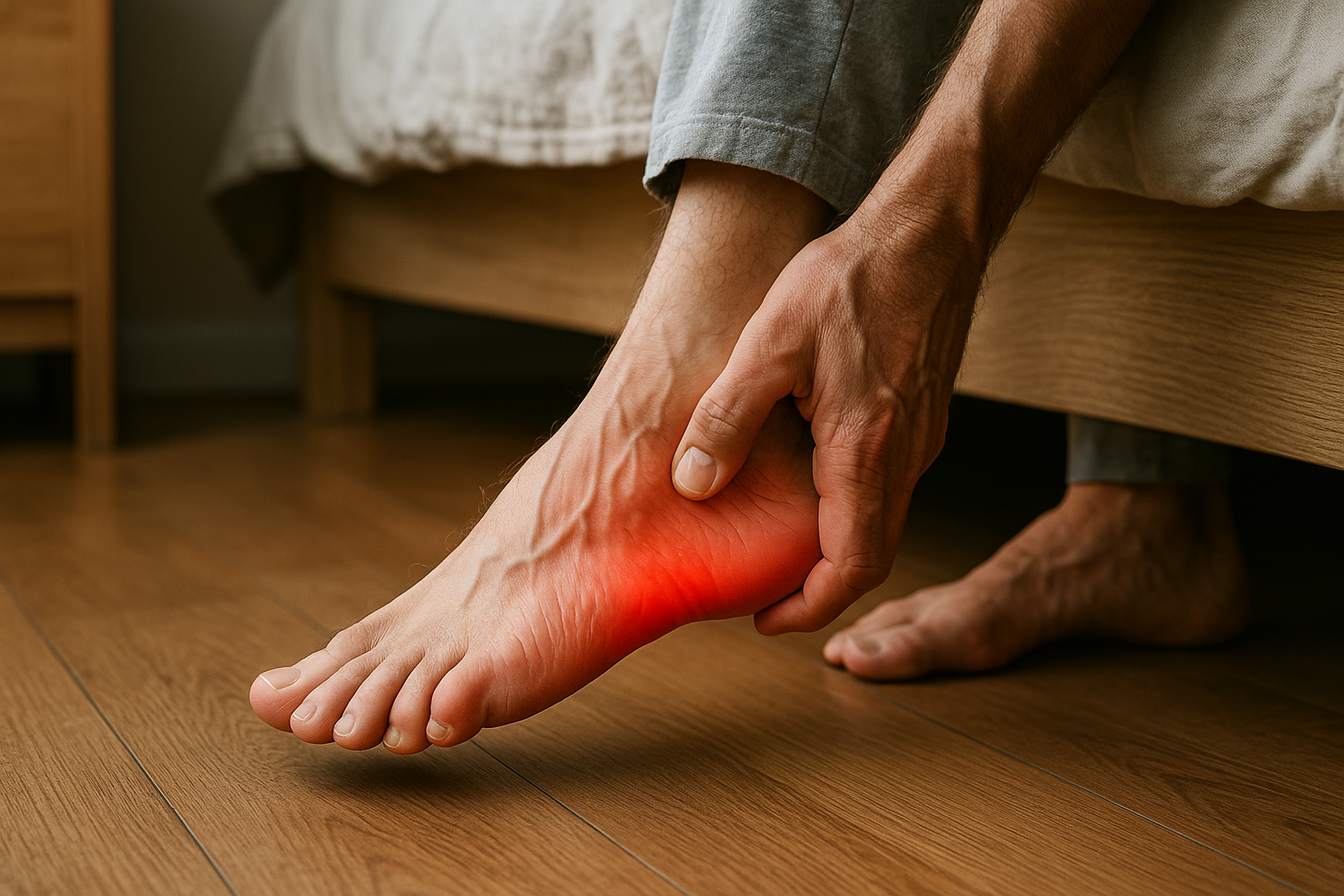
Many people find that pain in the feet in the morning can be a concerning start to the day. It is common that the first steps after a long period of rest trigger an unpleasant sensation that can affect the whole day. Although the pain often subsides when the feet are allowed to move, it can at times be both irritating and limiting in everyday life. The feeling of soreness and stiffness with these first steps often raises questions about what is actually going on in the feet, and why precisely the morning experience of pain is so pronounced. It is an issue that many have personal experience with, and which is highlighted when seeking improved daily comfort and well-being.
Pain in the feet in the morning can be experienced as part of a broader range of foot problems related to strain and inflammation. For some, the pain is related to the feet getting a break from the constant strain they are subjected to throughout the day, and then suddenly having to handle the first steps with a certain stiffness. This condition can give rise to concern, as it not only affects physical comfort, but also the general perception of well-being. It is natural to want to understand what underlies the pain, and how it can affect everyday life.
What is pain in the feet in the morning?
Pain in the feet in the morning is a term for the pain that is often felt when waking up and the feet have to bear body weight after periodic rest. The sensation can often be described as a mixture of soreness and stiffness that subsides when the feet begin to move. This type of pain is typically associated with minor inflammations that can arise in structures such as the plantar fascia, and becomes most pronounced before the body has had the opportunity to warm up and relieve the tension through movement.
Many seek knowledge about this topic, as the pain can create disruptions in daily mobility and comfort. It is important to have a basic understanding of what triggers the initial unpleasant sensation, so that one can navigate everyday life with a greater sense of security. By knowing how the soreness typically manifests itself, and what views exist regarding the causes, a better understanding is gained of the daily challenge that many experience in the morning.
Where does the pain come from?
Morning pain in the feet often appears as soreness and stiffness after a period of rest. It is often connected with irritation or strain in the plantar fascia and nearby soft tissues, which can give a stronger sensation in the heel and arch. Tension in the muscles and tendons in the lower leg can make the tissue feel tight in the morning, because movement first has to restore normal flexibility.
How is the pain felt during the first steps?
The pain can be experienced as a sharp or throbbing sensation during the first steps, which often subsides as the feet warm up. The location is typically in the heel and arch, but can also be felt further forward in the forefoot or up into the lower leg. For some, the pain can make it harder to fully put weight on the foot at the start of the day, and this can affect the walking pattern and daily movement.
How common is the problem?
Morning foot pain is a common symptom that many experience in periods. It occurs more frequently among adults, especially those who stand or walk a lot during the day, but it is not limited to a specific age. Variations in work-related and everyday strain mean that the extent and frequency of symptoms can vary from person to person.
What can worsen the pain?
- Frequent or prolonged standing and walking, which can put extra pressure on the plantar fascia
- Footwear without sufficient support, which can lead to increased strain
- Sudden changes in activity level or weight, which change the load on the feet
- Stiffness in the calf muscles, which can make it harder for the plantar fascia to stretch
Variations in the pain experience
There is a great deal of difference in how morning foot pain appears. Some experience short-term stiffness that quickly goes away, while others have recurring or longer-lasting discomfort. The pain can be one-sided or occur in both feet, and the intensity can vary from slight irritation to more marked discomfort that can affect movement in the legs, knees, and back.
Daily conditions that can affect foot comfort over time
In everyday life, there are several factors that often matter for how feet feel from day to day. Prolonged standing on hard surfaces, repeated movement patterns, and one-sided use of certain shoes can create persistent strain that over time changes the way tissues respond. Paying attention to these conditions is not about providing solutions, but about being aware of the conditions your feet live under.
Habits that can be felt in the feet
Some habits have a particular tendency to make themselves felt in everyday life. This may be a long workday spent standing, frequent walking on uneven surfaces, or repeated use of footwear with a uniform sole construction. Periods of unexpectedly increased activity or longer rest are also factors that over time can matter for how the pain is experienced and how tension is distributed in the foot and lower leg.
Points of attention without specific advice
- Shoe interaction over several days can change support and cushioning
- The hardness of the surface often influences load patterns
- Sleep position or rest periods can affect muscle and tendon tone upon waking
- Repeated movements can change the body's perception of soreness
Massage, relief, and daily well-being
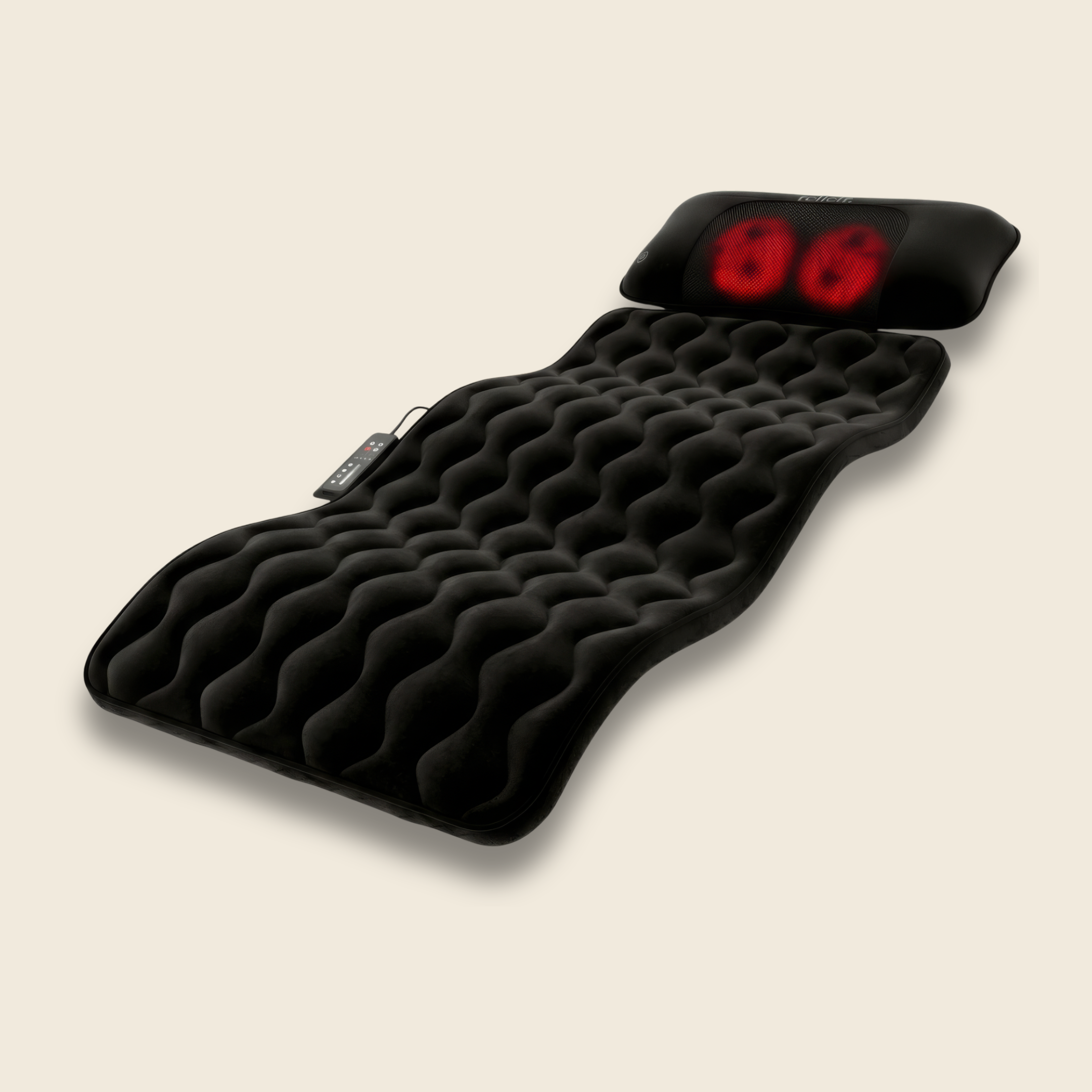
The use of massage and general relief is often mentioned in connection with pain relief and daily well-being. Massage can be an element in the way some people experience increased well-being and temporary relief of tension. Over time, such influences can change the experience of stiffness and comfort, but the effects vary from person to person and depend on daily circumstances and habits.
Keeping an eye on recurring patterns and variations in symptoms can provide useful insight into which factors are often associated with periods of increased discomfort. This form of observation can be part of understanding the foot's reactions in everyday life without going into specific methods.
Frequently asked questions
Why is the pain worst in the morning?
Nighttime rest often changes the condition of the tissue; fluid distribution, reduced movement, and muscle and tendon tone can make stiffness and discomfort feel stronger during the first movements after waking.
How can massage affect the experience of pain?
Massage can affect both blood circulation and nerve signals in the tissue, and many experience an altered sensation of tension or soreness after massage. The effect varies, and it is common for the effect to be temporary.
What do fluctuations in the pain from day to day mean?
Day-to-day variations often point to changing loads, differences in footwear, or variation in activity patterns. The intensity of the pain can change in step with such external factors, just as individual sensitivities also play a role.
.