Learn more about your pain

Plantar fasciitis: What is it, and how is the pain relieved?
Many experience pain under the foot, which can make everyday life more challenging. It is common to feel soreness and stiffness, especially after periods of inactivity, and the pain can have a negative impact on daily activities. For many, the unpleasant sensations under the heel are a reminder that the foot needs extra attention. The pain can help limit both work and leisure activities, which makes it important to understand what precisely causes these discomforts. People who experience this form of foot pain often seek information about the causes and the possibilities for relieving the discomfort so they can have a more comfortable everyday life without compromising mobility.The condition can manifest itself in different ways, and many notice that the pain is often most pronounced in the morning or after a period of rest. When starting movement, the pain may subside somewhat, but it can return during prolonged standing or after physical activity. It is therefore not surprising that the topic attracts attention when people search for methods to find relief and a better everyday rhythm.When examining the phenomenon more closely, it is important to look at how the pain affects both physical comfort and the feeling of wellbeing. A good overview can help create an understanding of why many feel frustrated by the persistent discomfort and seek information and solutions that can make a positive difference in their daily lives. This type of discomfort relates to the challenges that arise when the foot forms the basis of both mobility and an active lifestyle. The phenomenon is often seen in people who are active, as well as in those who spend many hours on their feet, and therefore it is a topic that is called for in conversations about wellbeing and daily comfort.What is plantar fasciitis?Plantar fasciitis is a condition that occurs when the tendon plate in the foot becomes inflamed and sore. The condition is often experienced as a sharp pain in the area around the heel, especially when taking the first steps after a period of inactivity. Some of the characteristic features of this condition include: Pain that is often felt in the morning or after longer periods of stationary rest Soreness in the area that can persist during prolonged strain A feeling of stiffness that can affect daily movements It is common to feel that the pain is connected with activities that strain the foot, such as walking, running, or standing work. Many experience that the unpleasant sensation is a constant reminder that the structure of the foot needs relief and care. By having an understanding of what plantar fasciitis involves, there is a reassuring framework for looking at the condition and the challenges it can bring in everyday life.How does the pain show itself in everyday life?The pain often appears as a sharp or shooting sensation under the heel with the first steps after rest. Many describe a feeling of stiffness and soreness that may ease a little after brief movement, but that returns after a longer time on the feet or after strenuous activities. The pain can also be experienced as a burning or throbbing sensation, and some notice point tenderness at the edge of the heel when touched.How widespread is the problem?Around 10% of the population will experience this form of heel pain at some point. The condition is seen more frequently in people who run regularly, as well as in those who stand or walk a lot in their work. In everyday life, the symptoms often occur as intermittent discomfort, where periods with fewer symptoms may be followed by worsening with increased strain.What can cause the condition?Several factors can cause increased strain on the foot. Sudden increases in activity level, hard surfaces, worn or inflexible shoes, and increased body weight are often associated with greater strain on the tendon plate under the foot. The shape of the foot can also matter; both flatter feet and a very high arch can change the strain pattern and thereby affect how the pain presents itself.How do muscle tension and movement patterns affect it?Muscles in the lower leg, especially the calf muscles, can become tense and make the foot less mobile, which is often associated with increased pressure on the heel area. Compensation in the walking pattern can lead to extra strain in other areas such as the knee, hip, and lower back, which can create a general feeling of fatigue and discomfort in the legs and back. Reducing tension in the leg and calf can therefore matter for how the local pain is experienced.Everyday opportunities for relief and easingIn everyday life, focusing on relief and comfort can make a difference for the pain. The use of shock-absorbing shoes and insoles, breaks from prolonged standing, as well as gentle movement to keep the foot and lower leg mobile can make everyday life more bearable. Heat, massage, or gentle mobilization of the foot and calf can provide temporary relief by reducing muscle tension and increasing the feeling of wellbeing in the foot, leg, and back.Daily habits that can change the strain over timeIn everyday life, it is often small, repeated patterns that change how the foot is strained. Gradual changes in work rhythm, commuting, or leisure activities can lead to variation in where and when pain appears. Small shifts in the walking pattern or in how the weight is distributed between heel and forefoot can over time change the pressure distribution under the foot and thereby affect the symptom experience.The condition of the shoe and subtle changesThe shoe's sole and heel counter change character after many hours of use. The sole's ability to distribute pressure can weaken, and the stiffness of the heel counter can decrease, which can lead to a different strain on the tendon plate. Uneven wear patterns in the sole can show that the walking pattern has changed, and small differences between the shoes can affect how the strain is distributed from day to day.The body's daily variations and symptom pictureThe experience of pain can vary with factors such as fatigue, fluid balance, and fluctuations in body weight. Increased fatigue in the legs after many hours of standing or frequent short walks can change the sensitivity in the foot and thereby the way the pain is experienced. Small changes in ankle and foot mobility over time can often be associated with changed strain in the area around the heel.Habits around footwear and movementThe choice of shoes, socks, and how the shoes are laced affects friction and support in daily use. Changes in these habits from season to season or from day to day can lead to variation in how the foot works. In addition, imbalances in movement patterns between the right and left side can show up as asymmetrical wear on footwear, which can be an indicator of changes in the walking pattern.Frequently asked questionsHow quickly can pain from plantar fasciitis change?Pain can vary from hour to hour and from week to week. Some experience marked fluctuations in connection with changes in activity level, while others notice gradual shifts over longer periods.Can weather affect the experience of pain?Some people experience that temperature and humidity can change the sensitivity in tissues and joints, which can result in differences in how pain is perceived from day to day.What can uneven wear on shoes mean?Uneven wear can show that the walking pattern or weight distribution has changed. It may be a sign that the strain is not distributed evenly between the feet.Is it common to have periodic worsening after changes in activity?Yes, changes in the amount of activity or strain pattern can often coincide with periods when the symptoms become more prominent, and other periods with fewer discomforts..
Learn more
Pain in the heel: What causes it, and how is it relieved?
Many experience pain in the heel, which can make everyday life more challenging. It is common for the discomfort to be felt both during the first steps in the morning and after periods of rest. The pain can vary from a mild irritation to a more persistent and sharp sensation. For those who are active daily or stand a lot, heel pain can arise as a result of overuse or an imbalance in the load on the foot. Changes in activity level and the use of footwear that does not provide the necessary support can all contribute to making heel pain felt even more. The reassuring and neutral informational framework in this post provides an overview of what pain in the heel covers, as well as how the condition is typically experienced in everyday life.More people seek information about heel pain to gain a better understanding of what may underlie the discomfort. It is common for the pain to affect both movement and well-being, and for many it arises in connection with increased physical activity or changes in strain. By highlighting the overall aspects of heel pain, including typical symptoms and possible causes, many seek to find calm and reassurance in facing the discomfort.What is pain in the heel?Pain in the heel is a condition that is often described as either a sharp or a more persistent pain, which can vary in intensity. The pain may arise suddenly or develop gradually over time. This condition is experienced, among other things, as a reaction to overuse of the foot, which can happen during longer periods of standing or walking activities. In addition, certain conditions, such as inflammation in the connective tissue under the foot, can lead to an increased degree of discomfort, which many feel when they start the day or return to activity after a break.Below are some typical features of pain in the heel: The pain may be felt as either a stabbing sensation or more diffuse, persistent pain. The condition is often experienced with greater intensity in the morning or after longer periods of inactivity. Overuse and changes in the load on the foot are often associated with the discomfort. The experience of heel pain can vary, and some find that even minor activities worsen the discomfort, while others notice particularly marked pain at the beginning of the day. This broad range of experiences makes the topic of interest to those seeking a deeper understanding of what underlies heel pain, and how, with an appropriate approach, relief can be found.How the pain typically appearsPain in the heel can appear in several ways. Many experience a sharp, stabbing sensation during the first steps after rest, while others describe a burning or deep, more persistent pain after activity. The pain can be located right under the heel or at the back, and it can be accompanied by stiffness or a feeling of tenderness when pressed. For some, the pain changes character during the day, from pronounced at start-up to a more dull discomfort after longer periods of standing or walking activities.Where in everyday life does pain often arise?Heel pain often appears in everyday situations where the load on the feet is high. Long shifts on hard floors, frequent walks, and sudden increases in activity level are often associated with increased discomfort. Surfaces such as concrete or uneven terrain can also have an effect, just as shoes with poor support make the pain more easily felt in everyday life. The pain can affect both work, leisure activities, and the ability to manage daily tasks without a break.The importance of muscle tensionMuscle tension in the lower leg and the connective tissue of the foot plays an important role in how heel pain is experienced. Tight calf muscles can alter the walking pattern and increase the load on the heel, while tension in the soft tissues of the foot can feel like local soreness or pulling. Tension in other areas such as the back and hips can also affect the load down through the leg, so pain in the feet and legs is often associated with tension higher up in the body.Prevalence in everyday lifeHeel pain is common in both those who are physically active and those with sedentary work. People who suddenly begin walking or standing for longer than usual often experience the symptoms coming to the fore. Likewise, weight changes and altered movement patterns can cause the pain to arise or worsen. The pain picture can vary from mild irritation to a limitation in activity level.Variations in the course of painSome experience a short-term, sharp attack after a specific strain; others get a more persistent discomfort that slowly increases over weeks or months. Morning stiffness and increased soreness after rest can appear as a pattern in those whose pain is related to daily strain. Understanding these variations can be important in finding appropriate forms of relief and offloading in everyday life.Relief and pain alleviation in everyday lifePractical choices in everyday life are of great importance for relief. The use of footwear that distributes pressure better, short breaks during prolonged standing work, and targeted use of heat or massage to loosen tension can all provide noticeable relief. Small changes in daily habits can reduce the load on the heel and thereby improve well-being in the foot, leg, back, and shoulders.Everyday habits that can have an effect over timeIn continued attention to pain in the heel, it can be useful to notice repeated patterns in everyday life without seeking quick solutions. Fluctuations in the pain often appear as variations in intensity and location, and these patterns can often be associated with daily choices or repeated movements. For example, uniform loading of one side of the body or repeated small adjustments in walking pattern can change how pressure is distributed in the foot.Wear and changes in footwear and surfacesFootwear changes character over time, and this may appear as altered support or uneven wear under the sole. Wear patterns can be subtle, for example a worn-down heel or a collapsed sole edge, and they can affect how the load is distributed. Likewise, different surfaces in everyday life can lead to variations in sensation and load, so the same activity can be experienced differently depending on the surface.Habits and daily movement patternsDaily habits such as the way you stand, carry bags, or prefer a certain foot position can play a role. When one side is repeatedly favored, it can lead to asymmetry in the load, and the pain can therefore be experienced differently from day to day. Fatigue in the muscles and general sensitivity also affect how the discomfort is felt, and sleep or stress can matter for the intensity of the pain.Following changes without changing the routineBeing aware of patterns is not about changing habits immediately, but about recording when and how pain in the heel appears. Small variations in activity, footwear, or movement pattern may appear as differences in the experience of pain, and these differences can be informative over time. A calm approach to observation provides a better overview and paves the way for more targeted questions later.Frequently asked questionsHow quickly can pain in the heel change character?Pain can change character over a few days or over several weeks. For some, the change appears as sudden worsening after specific activities, while others experience slow fluctuations in intensity. The variations can often be associated with activity level and daily fatigue.Why can pain be different from right to left?Differences between sides can be associated with differences in load, small asymmetries in posture, or repeated movement patterns that favor one side. These conditions can appear as differences in location or intensity of the discomfort.How do shoes change their properties over time?Shoes can have their support capacity altered through fatigue of the soles, collapse of the heel counter, or uneven wear. These changes affect how pressure is distributed, and they may appear as altered sensation in the heel during daily activities..
Learn more
Plantar fasciitis: What causes the pain, and how is it relieved?
Many experience pain in the foot, especially when it is affected by discomfort in the arch. It is common for the pain to begin in the morning with the first steps and to become accustomed to hurting during prolonged standing or walking. The pain in the arch is most often felt as a sore and stiff sensation that can quickly affect daily comfort and movement. For those who experience these symptoms, it can be reassuring to know that arch tendon inflammation is a widespread condition that is often related to overuse and tight muscles and tendons. This condition can be seen as a natural reaction in the foot when the load becomes too great over time. Many have at some point felt that the foot is not functioning optimally, which can give rise to questions about what actually underlies the pain and how it can be relieved with practical measures in everyday life.When the foot is exposed to repeated strain, such as during running, long workdays involving standing, or the use of footwear without sufficient support, the natural cushioning in the arch can be challenged. This leads to the arch tendon – the tissue that runs along the underside of the foot – becoming tight and sore. The experience is felt particularly clearly in the morning or after longer periods of rest, when the first load on the foot makes the pain prominent.What is arch tendon inflammation?Arch tendon inflammation is a condition in which the part of the foot called the arch becomes sore and inflamed. The condition often arises when the arch tendon is overloaded or affected by tight muscles and tendons. It is typically seen in people who have an active everyday life or who experience long periods of strain, for example during work, sports, and other daily activities. Many find that the pain in the arch can vary from mild discomfort to more intense soreness, which is especially felt with the first steps after a rest period.Several experiences with arch tendon inflammation may include: Pain at the heel and in the arch itself Soreness with the first steps in the morning Discomfort during prolonged walking or standing activity It is a condition in which daily routines can be affected, and many therefore seek information on how best to manage and understand this form of foot pain. By focusing on the overall characteristics of arch tendon inflammation, one gets a clear picture of what underlies the discomfort and why the pain can seem so bothersome in everyday life.How does the pain show itself in everyday life?The pain in the arch can show itself as recurring stiffness and soreness with the first steps after rest and as a feeling of fatigue in the foot after longer periods of walking or standing. Many experience that the discomfort can change throughout the day: sharper at the start of an activity, more sore after prolonged strain, and often stiffer after rest. The pain can also be experienced as increased sensitivity to pressure under the heel and midfoot, making ordinary tasks such as shopping or walks less comfortable.Everyday factors that can cause worseningSeveral daily conditions are often linked to a worsening of pain in the arch. Long periods on hard surfaces, repeated strain from running, or rapid changes in activity level can cause increased discomfort. Using shoes without sufficient support or with worn soles can change how weight is distributed on the foot and increase the load. In addition, fatigue or too little rest between strenuous activities can cause the pain to become more persistent in daily life.Muscle tension and which areas are affectedMuscle tension in the calves and Achilles tendon is often linked to increased pressure on the arch and can make the pain more pronounced. Tension can also be felt in the underside of the foot and in the ankle. Altered gait due to pain can affect other areas such as the knees, hips, and back, because the body shifts the load. Being aware of how the calves, feet, and legs feel during the course of a day gives a more nuanced picture of where tension arises.What can provide quick pain relief in everyday lifePain relief in everyday life is often seen through targeted offloading of the foot and by reducing repeated strain during periods of increased discomfort. Gentle massage and warmth can reduce muscle tension and provide temporary relief, just as lighter relief from standing tasks can reduce fatigue in the foot. Small changes in movement and short breaks in daily activities can provide better comfort and make it easier to manage everyday tasks without constant discomfort.Daily habits that matterPain in the arch can be affected by repeated daily patterns, and it is useful to be aware of which habits recur in everyday life. Strain related to work or leisure activities is often linked to how the foot is loaded over time. Less visible conditions such as the wear pattern of the shoes, variation in surfaces, and the way weight is distributed during standing tasks can all play a role in how the symptoms develop.Factors that can affect over time The shoe sole and shock absorption can affect where the pressure meets the underside of the foot Prolonged standing work or repeated stride pulls significance for fatigue in the arch Changes in gait as a result of discomfort can affect other joints such as the knee and hip Differences in surface level, for example hard floors versus softer surfaces Daily recovery and variation in movement can show themselves as differences in symptom intensity These conditions describe connections rather than concrete solutions. Over time, persistent influences can change how and when the pain shows itself, and it can be useful to observe patterns rather than seek immediate answers. The variation from person to person means that what is relevant for one person does not necessarily apply to another.Another aspect is the body's way of reacting to strain. Sensations in the calf and Achilles tendon are often linked to pressure under the underside of the foot, and small changes in daily movement can create differences in perceived discomfort. Sleep, fatigue, and general stress can also affect the pain threshold and how the pain is experienced during the course of a day.Gaining insight into these patterns can provide a more nuanced impression of everyday life around arch tendon inflammation, without this constituting concrete advice. Below we answer some of the most common questions that often arise when one wants a better understanding of the condition.Frequently asked questionsIs arch tendon inflammation hereditary?Some anatomical traits can recur in families, and hereditary differences in the shape of the foot can be linked to how load is distributed, which can affect the risk of symptoms.Can weight changes affect the pain?Changes in body weight can change the load on the feet, and such a change can be experienced as a difference in how much discomfort arises during daily activity.How do symptoms vary with age?Age-related changes in tissue elasticity and in activity patterns can cause the symptoms to appear differently throughout life and can affect intensity and frequency over time..
Learn more
Foot massage: What is it good for, and how does it work?
Many experience sore and tired feet after a long day of standing or walking work. It is common to feel a persistent fatigue and a slight soreness, which can make everyday life less comfortable. Foot massage is a method used to relieve this discomfort and provide a feeling of renewed energy. The technique is known both for reducing muscle tension and for creating a calming effect that promotes well-being. Many find that a simple massage of the feet can create a feeling of relaxation, where pressure and gentle strokes have a soothing effect after a long day. This practice is available both in professional treatments and as part of a daily self-care routine, making it a popular method for those who want to reduce the feeling of tiredness in their feet.When you feel exhausted after a long workday, a foot massage can seem like a natural way to stimulate blood circulation and loosen tension. A gentle massage makes it possible to release built-up fatigue and creates a feeling of lightness in the feet. In addition, the gentle treatment can have a calming effect that reduces the overall feeling of discomfort and provides a quiet moment in the middle of a busy day. The technique is often used as a form of self-care that makes it possible to give the body a break from the day's stress and rush. The pleasant sensations that arise from stimulating pressure points are often mentioned, which can help loosen both physical and mental tension.What is foot massage?Foot massage is a manual treatment method that uses pressure, strokes, and kneading of the feet to reduce soreness and tension. The technique works with the muscles, tendons, and pressure points of the feet to stimulate blood circulation and promote well-being. By applying gentle but targeted movements, foot massage can help relieve the general fatigue that often arises after hours on your feet. Many describe how a regular foot massage makes the feet feel more relaxed and less stiff, which contributes to a pleasant sensation throughout the body.Some of the perceived effects of a good foot massage may be: Reduced soreness and fatigue Improved blood circulation Relaxation of muscles and tendons A general feeling of relaxation By creating a safe setting for well-being, foot massage offers a simple but effective method for managing the daily challenges that physical activity and prolonged standing can cause. The method is easy to use and provides a natural way to refresh both body and mind, making it an attractive option for those who want a moment of rest in a busy everyday life.How does foot massage show itself in everyday life?Foot massage often shows itself through an immediate feeling of relief in the feet after standing or walking work. Many describe a heavy or sore sensation in the feet, which at the same time can feel like increased tension around the ankles and lower legs. For some, the discomfort can spread to the legs, back, and shoulders because gait pattern and posture change to relieve the feet. A short session focusing on gentle strokes and targeted pressure can have a calming effect and reduce the stiffness that may appear after a long day.How widespread is the need for pain relief in the feet?The need for regular pain relief in the feet is common among people with jobs that require a lot of standing or walking activity, but it is also seen in those who take long walks or participate in leisure activities. Many find that the need arises more frequently during busy periods or after longer periods without a break. Foot massage is used both as part of daily self-care at home and as a way to get quick relief in connection with physical strain.Factors that often affect the need for relief Prolonged standing or walking activity, which can increase fatigue in the feet Choice of footwear, where lack of support can create extra strain Body weight and age, which can change the strain on feet and joints Temperature and cold, which can make muscles and tendons more tense Stress and sleep patterns, which can make muscle tension more pronounced Variations in ways to loosen tension and provide reliefThere are several ways to work with tension in the feet. Manual massage with strokes, kneading, and acupressure can loosen superficial muscles and increase blood flow. Reflexology focuses on pressure points that can be experienced as soothing for the whole body. Other approaches combine heat and pressure to increase the feeling of softness in the tissues and reduce stiffness. The choice of method is often linked to personal preferences and the situation in which relief is needed.Patterns in pain and discomfortIn everyday life, changes in how and where the feet hurt can provide useful insight. Pain can show itself as a steady fatigue throughout the day or as sharp, brief jolts during certain movements. For some, the discomfort changes from side to side and can be experienced as differences in strain between the right and left foot. Over time, such patterns can often be linked to repetitive movements and to the surfaces one moves on, and those changes can affect the way one walks.Variable strain in everyday lifeIt is common for the strain on the feet to vary throughout the week. Periods of longer standing or extra walks can lead to certain areas of the foot being experienced as more sensitive than usual. Minor factors can also play a role and affect the sensory feeling over time. Uneven sole wear, which may appear as differences in wear patterns between shoes Changes in sensation from soreness to stiffness at certain times of day A feeling of warmth or cold in the feet, which changes with the seasons Skin, nails, and local sensitivityThe condition of the skin and nails often changes slowly and can be indicators of how the feet are affected in everyday life. Hard areas of skin and increased pressure sensitivity may appear as small, local discomforts, while increased sensitivity in certain zones can be experienced as irritating during ordinary walking. These changes can affect comfort over time and provide information about which areas are under the most strain.These observations provide a perspective on what one can pay attention to in everyday life without pointing to concrete solutions. Below are answers to frequently asked questions that many ask when they want to understand changes in the condition of the feet.Frequently asked questionsWhat can uneven sole wear indicate?Uneven sole wear often appears as heavier wear on either the inside or outside of the shoe. It may be a sign that the load is not distributed evenly during walking and is related to repetitive movements or posture patterns.Can foot massage affect skin and pressure sensitivity?Foot massage can temporarily change the local sensitivity of the skin and make certain areas more noticeable. In some, this may appear as softer skin in pressured areas, while others experience increased warmth or slight irritation after stimulation.When do changes in pain indicate a persistent pattern?When pain or increased sensitivity changes location or intensity over several weeks, it may be a pattern that deserves attention. Such changes often appear gradually and can affect how one walks or stands in everyday life..
Learn more
Heel spur exercises: Which work best for daily relief?
Many experience discomfort in the heel in everyday life, especially when leading an active lifestyle. For many active adults and runners over 40, heel spurs can cause pain that makes daily movement less comfortable. The problem often arises as a result of repeated strain, where standing and walking for longer periods can lead to irritation and discomfort in the heel area. It is common to seek homemade exercises in order to relieve the pain and maintain an active everyday life. The exercises are easy to perform and can be adapted to the individual's needs, so they support natural and daily relief. By introducing light stretches and simple movements, one can achieve a feeling of better mobility and reduce the pain that often makes even small everyday activities a challenge.What is a heel spur?A heel spur is often described as a condition where the heel is affected by overuse through the plantar tendon. This can lead to a range of unpleasant sensations that are felt both during physical activity and in quiet periods. Many experience that the pain is especially noticeable in the morning or after a longer period of inactivity, as the area feels stiff and tender when it needs to be activated again. The condition is linked to repeated strain, which makes it important to relieve the symptoms through targeted exercises that can reduce the pressure on the heel.Some of the typical signs that may indicate that a heel spur is present are: Pain in the heel at the start of the day A stiff sensation after rest Discomfort during longer periods of strain It is important to emphasize that homemade exercises in many cases can be seen as a natural method for reducing the discomfort. With the help of simple stretches and light movements, one can reduce the strain that causes the pain. Therefore, many seek practical and easy solutions that make it possible to relieve heel pain without the need for extensive interventions. The focus is on creating a daily routine of exercises that help loosen up and improve mobility in the heel area.The persistent pain and the associated unpleasant feeling in the heel can affect daily quality of life. Therefore, it is important to gain an understanding of what a heel spur actually involves, and how simple exercises can help achieve a more comfortable everyday life. Many find that a small effort in the form of regular exercises makes a big difference in reducing pain and improving the function of the musculoskeletal system in everyday life.How does a heel spur present itself in everyday life?Pain in the heel often presents itself as a sharp or throbbing sensation with the first steps in the morning or after longer rest. Many also experience increased tenderness when pushing off during walking or running, when the arch structure of the foot has to bear the weight. The pain may feel localized at the heel itself, but is often linked with tension in the feet, lower legs, and back, because the gait pattern changes to avoid discomfort.How widespread is it in everyday life?Heel-related pain is common among active adults and those who stand or walk a lot during the day. It is frequently seen in runners and people over 40, but can also arise in those with sedentary work if the load on the foot changes. In practice, this means that many encounter symptoms in ordinary daily situations such as walking to work, shopping, or taking the stairs.What can affect the pain and muscle tension?Several factors can worsen pain and increase muscle tension around the heel. Prolonged standing on hard surfaces, wearing shoes with poor support, and stiff calf muscles can make the area more sensitive. Excess weight and sudden changes in activity level can also affect the load. In addition, reduced mobility in the ankle can cause the muscles and tendons of the foot to work more tensely, which is felt in both the feet, legs, and sometimes also the shoulders due to compensatory movements.Exercises that often work against pain and tensionSome movements have proven useful for reducing pain and loosening muscle tension without requiring equipment. Slow heel raises, where you lift the body on the toes and lower in a controlled way, can loosen and strengthen the muscles of the lower leg. Stretching the underside of the foot, where the toes are bent toward the shin, can provide immediate relief in the arch tissue. Simple gripping exercises with the toes can strengthen small foot muscles and improve stability.Massage and gentle reliefRolling with a massage ball or a rolled-up towel under the foot promotes local circulation and helps reduce tension in both the underside of the foot and the calf muscles. Short sessions at the end of the day can help create better comfort and reduce stiffness the next morning.Variations and adaptation to everyday lifeExercises can be performed sitting or standing, depending on how much load one wants. Less intense variations are suitable early in the day, while more demanding movements can be fitted in after the demands of the workday. The aim of the variations is to find a form of relief and pain reduction that can easily become part of daily routines without being time-consuming.What to be aware of in everyday lifeIn everyday life, there are several factors that can affect how heel pain is experienced over time. Small changes in weight distribution, altered gait patterns, and frequent standing on hard surfaces can slowly change how the load is distributed in the foot. This may present itself as increased discomfort in certain situations, for example after longer periods of standing or with repeated strain during the workday.Short-term habits, such as changing shoes or wearing the same pair for many months, can affect the support the structure of the foot receives daily. Likewise, the choice of surfaces at work and during leisure time can alter the way the feet work, and this is often linked with variation in discomfort through the week. An awareness of these patterns can help in understanding when the pain fluctuates.Sleep, stress levels, and the general amount of activity can also color the experience of pain. The feeling of stiffness or tenderness can be more pronounced after restless sleep or days with increased mental strain, as attention and the pain threshold can change. This can affect how symptoms are experienced from day to day. Where during the day the discomfort typically arises Whether certain shoes or surfaces are linked with increased discomfort Whether other joints or muscles describe increased tension at the same time Over a longer period, repeated small influences can lead to slower changes in the movement pattern. This means that what seems insignificant in one week can affect comfort over months. Paying attention to gradual patterns rather than isolated episodes gives a different perspective on why some days feel worse than others.In conclusion, calm attention to daily habits and the small variations in activity and footwear can create value in understanding the condition of the heel. Below follow answers to some of the most common questions that often arise when you want to know more about relief and everyday conditions.Frequently asked questionsWhat are the best exercises to relieve heel spurs?There are several exercises that are often mentioned in connection with relief, including strengthening and stretching movements for the foot and lower leg. Which ones fit best may vary from person to person.How long does it take to see improvements with exercises?The time frame varies greatly. Some experience changes within a few weeks, while others see gradual differences over several months, depending on frequency and individual conditions.Can massage help with heel spurs?Massage can contribute to increased comfort for some by affecting tension and blood circulation locally. The effect depends on the method and how regularly it is part of everyday life..
Learn more
Heel spur treatment: Which methods relieve the pain in everyday life?
Many experience heel pain in their daily lives. It is common to feel a stabbing discomfort, especially after longer periods of rest or after walking or standing for too long. Often, heel spurs can cause a feeling of fatigue and soreness in the lower part of the foot, making it challenging to carry out household and work-related activities without periods of relief. In everyday life, the persistent pain can feel burdensome, and many therefore seek practical methods to ease the discomfort. The focus is usually on non-invasive measures that are easy to integrate into daily life to reduce the irritating pain and create a more comfortable everyday life.What is heel spur treatment?Heel spur treatment covers the methods used to relieve pain and discomfort in the heel. It is often seen that a sharp pain occurs during strain, causing the heel to feel sore and tense. Treatment typically focuses on reducing pain through a combination of relief and simple, everyday measures. This includes both natural methods and home-based solutions, including ice treatment and stretching exercises.The approach to heel spur treatment often includes the following elements: Reduction of strain and increased rest Use of ice to relieve soreness Stretching exercises to increase mobility in the foot Massage to loosen tension and improve circulation These measures are easy to carry out at home and can often be adapted to the individual's needs, depending on how intense the discomfort is. Many have found that a consistent effort with these methods can make a noticeable difference in daily quality of life.The pain can vary from day to day, and it is therefore important to have a basic understanding of what heel spur treatment involves. The focus is on creating reassurance in everyday life by using methods that reduce acute pain while also preventing worsening. By sticking to these easily accessible measures, a balanced approach is achieved that allows one to manage the discomfort with practical solutions that are easy to implement in daily life.How the pain often presents itselfThe pain can appear as a sharp stab on the first step in the morning or as a rubbing soreness after prolonged standing or walking. Many find that the heel feels tense and sensitive to touch, and that the pain can vary throughout the day. Altered gait pattern is common and can lead to increased strain elsewhere such as the foot, leg, and back.When in everyday life the discomfort is most noticeableIn daily life, the greatest discomfort is generally experienced in situations with repeated strain or long periods of standing. It may be after the first steps in the morning, after a long workday on one's feet, or during longer walks. Hard walking surfaces and flat shoes often make the symptoms more pronounced, just as long periods of sitting are followed by stiffness and soreness when getting started.Factors that can affect the extent of the painGeneral conditions that are often associated with increased pain include persistent strain, lack of support in shoes, and limited mobility in the lower leg and foot. Muscle tension in the calf and foot can make the heel more sensitive, while being overweight and sudden changes in activity level can affect how strongly the symptoms are experienced. Work or leisure activities that require many repeated movements increase the likelihood that the discomfort will return.Practical measures for daily reliefThere are a number of everyday measures that can reduce pain and loosen muscle tension without being complicated. Relief in the form of frequent breaks from standing tasks and short sitting breaks can reduce the pressure on the heel. A cold compress can provide temporary relief of local soreness, while gentle stretching increases mobility in the foot and calf. Massage aimed at tight muscles improves blood circulation and can feel pleasant after activity. In addition, shock-absorbing shoes or insoles can help distribute weight more evenly and reduce strain during daily walking. Relief and frequent break shifts Application of a cool compress during acute moments of intense soreness Gentle stretching to reduce stiffness and increase mobility Massage against muscle tension for improved circulation Shock absorption in footwear for more even weight distribution What to be aware of in everyday lifeIn everyday life, small recurring factors can affect how the pain is experienced. Times of day when the pain changes, patterns related to work or leisure activities, and how the foot reacts after prolonged rest can provide useful insight into the individual's situation. Attention to the surface one walks or stands on, as well as how often the same pair of shoes is used, is often associated with changes in the discomfort.It is also useful to notice compensation patterns. When strain is shifted to other joints or muscles, it can over time affect both gait pattern and sensitivity in the foot. Changes in pain intensity after the night's rest or with repeated strain may indicate whether a given measure provides temporary relief or merely changes the experience temporarily. Variation in surfaces and work can change the strain on the heel Frequent use of the same shoes can change the feeling of support over time The timing of the pain can indicate changed strain patterns Habits and conditions that may matter over timeDaily habits such as the way one distributes breaks, standing time, or walking during a day can affect the discomfort over a longer period. How the muscles around the calf and foot react to repeated strain and slight variations in activity can be seen as part of a larger picture, where small changes in routines can often matter after weeks or months.There are also practical conditions worth putting into perspective. Wear on shoes and insoles, changes in body weight, or work that involves new movement patterns can affect the experience of pain. Observing patterns rather than seeking immediate solutions can provide clearer insight into which conditions are most often associated with worsening or improvement of symptoms.Frequently asked questionsCan symptoms vary with the seasons?Yes, many experience changes in the extent of symptoms in line with changes in daily habits or footwear in different seasons. Temperature and activity level can affect how the discomfort feels.How long does support from insoles typically last before it changes?The lifespan of support in shoes and insoles depends on usage patterns and strain. Frequent daily use on hard surfaces will often lead to a gradual change in support ability over time.What can morning pain versus pain after activity indicate?The timing aspect of pain can point to different strain patterns. Morning pain may be related to reduced mobility after rest, while pain after activity is often associated with repeated strain during the day..
Learn more
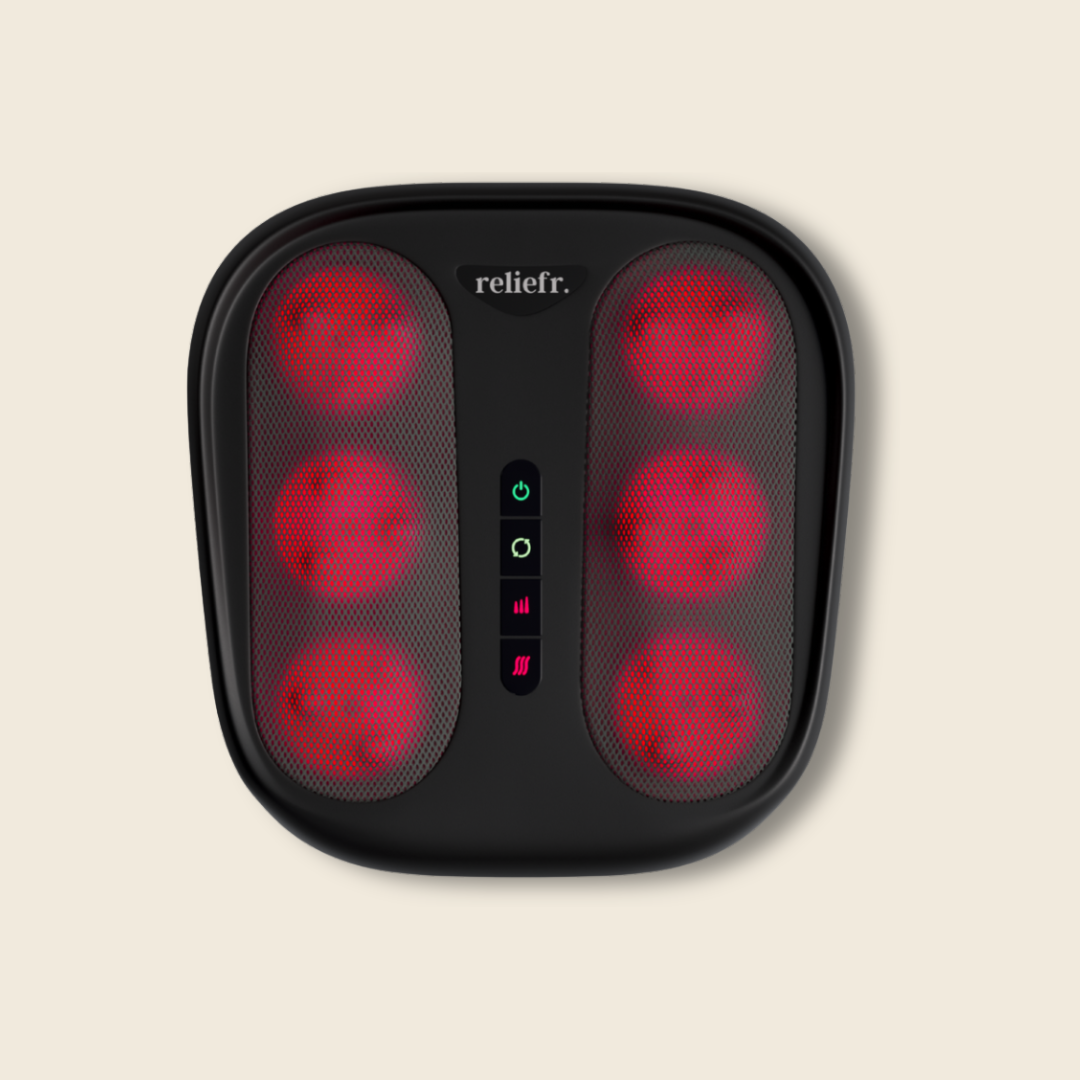
Foot massage device: How does it work, and what can it help with?
After a long workday or an intense sports challenge, many experience sore and tired feet, which can affect both everyday comfort and well-being. It is common to look for a method to relieve the daily strain when the feet feel stiff and tired. By taking a closer look at how a device can mimic the relaxing effect of a professional massage, one gains greater insight into the possibility of achieving a simpler everyday life. Many wonder whether a fixed integrated routine with foot massage could make a noticeable difference, especially when you have a busy everyday life that often involves periods of unavoidable fatigue and muscle tension.Foot massage devices appeal to those who want an easy and convenient method for creating increased comfort. As the workday gets longer and leisure activities intensify, the need for relaxation becomes more pronounced. Therefore, many seek information about how a device can help relieve the feeling of stiffness and fatigue in the feet. The simple idea of being able to get a regular massage at home, without having to invest time in booking a treatment, provides a feeling of control and relief in a busy everyday life.What is a foot massage device?A foot massage device is a machine that simulates the massage movements typically experienced during a professional treatment of the feet. The devices work by combining different techniques such as vibration, air compression, and heat applications. These methods can relieve tension and increase blood circulation, which is often experienced as a calming effect after a long day. The following benefits are often mentioned in connection with the use of a foot massage device: Reduces the feeling of fatigue Relieves muscle tension Strengthens blood circulation By integrating a foot massage device into the daily routine, one can achieve a more relaxed state, where the discomfort from sore feet is reduced. Many people find that the simple massage experience helps create a more balanced feeling in the body, and that a short, relaxing session with the device can make a noticeable difference in relation to daily comfort and well-being.How does a foot massage device work?A foot massage device typically combines movement, pressure, and heat to affect muscles and soft tissue in the foot. Vibration and mechanical rollers work locally on muscle tension, while air compression provides even pressure around the exposed areas of the foot. Heat can have a calming effect and make muscles more pliable, which often makes the massage experience more comfortable. Overall, these functions can lead to increased blood flow and a more relaxed sensation in the treated area.How the individual functions may be experienced Vibration can be experienced as a deep, local relaxation that loosens tight muscle fibers. Air compression acts like repeated pressure that can relieve the senses and create lightness in the foot. Heat makes the tissue softer and can help reduce stiffness after strain. Different types and their typical characteristicsRoller-based devices often focus on acupressure along the length of the sole and can feel like kneading movements against the underside of the foot. Air compression devices enclose the foot and provide rhythmic pressure, which can be experienced as even relief for the entire foot and calf. Vibration devices work more broadly and can be especially noticeable for those who want a general feeling of looseness in the muscles. Each type appears particularly suitable for different forms of fatigue and tension.Common usage situations in everyday lifeMany encounter the need for foot massage after long periods on their feet, during repeated strain related to sports, or after sedentary work, where tension can build up in the calves and feet. Travelers and people with changing work schedules also find that a short session can provide immediate relief. In these scenarios, the use of a foot massage device often proves to be an easy way to create comfort without having to change the entire daily rhythm.How the effect is felt in other body areasEffects from foot massage can be felt beyond the feet. Many experience a feeling of less tension in the legs and increased mobility in the ankles. Tension in the back, neck, and shoulders may also be experienced as less pronounced after a relaxing foot session, because the overall bodily calm often increases the feeling of well-being. These changes can be clear immediately after use and in the hours that follow.Everyday conditions that matterIn everyday life, there are several conditions that can affect how the feet are experienced over time. Prolonged standing work and repetitive movements are often linked to an increased feeling of fatigue in the feet and calves. Shoe choice and fit can change strain patterns, and surfaces such as hard floors or uneven ground can cause general discomfort to appear more frequently. Changes in weather and temperature can also affect tissue sensation in the feet, and changing activity levels can cause signals from the feet to vary from day to day.Habits and usage patternsHow devices and other aids are included in everyday life varies greatly. Some see the use of a foot massage device as a short-lived feature after particularly demanding days, while others use it more regularly. The way one chooses to use the device, including session length and regularity of use, can affect the experience without saying anything about what is right or wrong. In this context, small repetitions over time often show themselves as changes in the comfort level. Changes in work rhythm and standing hours The shoe's fit and the use of different shoes throughout the week Surfaces and daily movement patterns Variation in the intensity and duration of activities How the body can give signalsThe body often sends subtle signs before problems become more pronounced. Increased stiffness in the morning may appear as a temporary limitation in movement. Pain or soreness that spreads from the foot up into the calf may be experienced as changes in gait pattern. Temporary soreness after new strains or after longer periods of standing work can be part of normal variations. Over time, such signals can change in intensity or frequency, and it may be relevant to pay attention to patterns rather than individual episodes.Frequently asked questionsHow do I choose the right foot massage device?The choice often depends on which functions one values, as well as practical conditions such as size and storage. Some users place emphasis on a heat function, others on intensity settings or a design that covers both foot and calf. Consider which elements match your everyday life without viewing a single choice as the only solution.Are there any side effects from using a foot massage device?Some people may experience temporary soreness or a feeling of warmth after use, and skin irritation may occur with prolonged contact in certain cases. In general, the use of devices is experienced as safe in ordinary situations, but individual reactions may vary, and it is common to experience differences from person to person.How often should one use a foot massage device?There is great variation in usage patterns. Some find frequent use beneficial, others prefer occasional use after particularly demanding days. What works best may change over time, and many notice that the frequency and length of sessions affect how comfort develops..
Learn more
Foot massage machine: What can it do for sore and tired feet?
Many experience sore and tired feet after long days of both standing work and physical activity. It is common to feel persistent pain or stiffness that can make everyday life less comfortable. The experience of tense feet can lead one to seek a method to give oneself a short break and find a sense of well-being. Foot massage machines have become popular because they offer a way to relieve the discomfort without the need for professional treatment. Many find that a good foot massage can provide an immediate feeling of relaxation, while also stimulating blood circulation and reducing tension in areas that are often overlooked in the daily routine. Different techniques are used to create a pleasant massage experience, and the devices often have features such as heat and vibration, which help increase the effect of the massage. In this way, a foot massage machine can be seen as a practical solution in a busy life, where one still longs for a moment of calm and relief for sore feet.What is a foot massage machine?A foot massage machine is an electronic device that uses different massage techniques to provide relief for tired and sore feet. It can offer a combination of methods, such as: Rolling massage, where small rollers move over the surface of the feet to stimulate blood circulation Shiatsu, which uses pressure on specific points to loosen tension Reflexology, which focuses on massaging pressure points to achieve general relaxation Air compression, which applies cyclic pressure to relieve stiffness and increase the feeling of comfort In addition, the machines can often include heating elements and vibration functions that together create a deep and pleasant massage experience. Many find that regular use can lead to a noticeable difference in how the feet feel after a long day. The use of these devices has become an integrated part of the daily routine for those who want a quick and effective way to de-stress and achieve an increased sense of well-being. By providing a clear and informative introduction to what a foot massage machine is, one can easily get an idea of how the features offered are connected to the need to relieve sore feet and restore balance in everyday life.How sore feet show themselves in everyday lifeSoreness in the feet often appears as a mixture of pain, stiffness, and a heavy sensation that can get worse after long periods of standing work or walking. The discomfort may be localized around the heel, forefoot, or arch, but can also send tension on to the legs, back, and even neck and shoulders. For some, the feeling is most pronounced in the evening, while others experience soreness early in the day after prolonged rest.How widespread is the problem in daily life?Many experience tired feet regularly, especially those with standing jobs or active leisure habits. The use of hard surfaces and shoes with poor support is often associated with more frequent discomfort. In densely populated or busy everyday lives, the symptoms can become more persistent because there are fewer breaks for relief and recovery.Which everyday conditions can affect tension?Several daily factors can make muscle tension in the feet and calf muscles more pronounced. Strain from long workdays, lack of rest after physical activity, and use of shoes without proper support can cause increased fatigue in the muscles. Temperature in the surroundings can also play a role; cold feet can feel stiffer, while warmth often feels softening.Different massage techniques and the experience they provideDifferent techniques in foot massage machines appear as different sensations and effects on soreness and tension. Rolling massage can be experienced as deep and local pressure that loosens tight areas and promotes blood flow. Shiatsu and reflexology-like pressure appear as targeted pressure on points, which is often felt in the underlying muscles. Air compression can be experienced as an enveloping squeeze that may have a soothing effect on stiff muscles and joint mobility. Vibration and heat often work together with the mechanical techniques and can provide an immediate feeling of relaxation and increased comfort.How machine use fits into daily habits?Use of a foot massage machine is often introduced as a short break in everyday life, where the focus is on pain relief and relaxation. Many see it as a practical way to relieve tired feet after work or activity, and the effect can be felt not only in the feet, but also in reduced tension in the legs, back, and shoulders. The choice of functions such as heat or air compression can be important for perceived comfort.Daily attention around useIn daily life, small factors can affect how a foot massage machine is experienced over time. Materials in the inner lining matter for comfort, and sensitive skin can react differently to heat and pressure. The noise level from the machine can play a role in whether use feels relaxing at home or in a shared room. Similarly, storage habits and accessibility can determine how often the device is used, which in turn can affect the overall experience.Conditions that can change the experience over timeRepeated habits and surroundings are often connected with how one experiences effect and comfort. Shoe choice and surfaces in daily life can create persistent strain patterns, which can change which functions one prefers. Temperature in the home can make heating functions feel more or less pleasant, and seasonal changes can alter the need for certain settings. Wear on textiles and moving parts can over time change the sensation of the massage without necessarily being visible. Placement in the home: accessibility can affect frequency of use Durability of the materials: inner lining and outer fabric can be affected by frequent use Noise level: quiet models are preferred in shared rooms Seasonal variation: temperature and sock thickness can change the sensation Safety awareness: electrical devices require ordinary caution when stored Being aware of these conditions provides a broader perspective on how a foot massage machine fits into everyday life. Small changes in habits or surroundings can affect the experience over time, and it can be useful to note these patterns before assessing the device's role in the routine. Below are answers to frequently asked questions about practical aspects of use and ownership.Frequently asked questionsHow is a foot massage machine cleaned?Cleaning varies between models. Many have removable inner linings, and surfaces can tolerate light wiping. The manufacturer's information is often the best starting point for which materials can tolerate what.How noisy is a foot massage machine typically?Noise level depends on motor size and mechanics. Some models are designed to be relatively quiet, while others can be more noticeable in operation, especially at higher intensity.What does the warranty period and service typically include?Warranty periods vary between suppliers and models. Documentation from the manufacturer typically states the duration and conditions for complaints or service. This may also appear in purchase documents..
Learn more
Heel spur: What is it, and how is the pain relieved?
Many experience pain in the heel, which can affect everyday life, especially after long periods of standing or walking activities. Heel spurs are a condition that often presents as a shooting pain that can be felt under the heel. It is common to feel a soreness that can vary in intensity, depending on how much the foot has been strained. The pain typically develops gradually, and for some the pain may feel most pronounced in the morning, while for others it may worsen with prolonged activity. Regardless of the cause, it is natural to seek knowledge about heel spurs when the discomfort is felt and when it affects everyday life in the form of fatigue or reduced comfort.In everyday life, the strain on the foot can be expressed in several ways. Heel spurs are experienced by many as a form of soreness and stabbing pain that makes it challenging to perform even the simplest movements. Many who stand or walk a lot feel a sensation of pulling in the heel, which can create a feeling of instability and discomfort. This painful condition is often associated with overuse of the foot, where the part that bears most of the body weight can no longer handle the strain without showing signs of irritation. That is why more and more people seek information about what heel spurs involve and how best to manage the daily strain on the foot.What are heel spurs?Heel spurs are a condition that occurs as a result of overuse of the connective tissue that runs from the heel to the toes. This strain can lead to a range of symptoms, the most pronounced of which are persistent soreness and a shooting pain under the heel. The pain can vary from a mild uncomfortable sensation to a more intense stabbing pain that makes it challenging to walk or stand for longer periods.The condition often appears in the form of localized tenderness at a specific spot under the heel, where the persistent strain has left its mark. It may involve a small calcium deposit on the heel bone, which is typically experienced as part of the overall pain picture. Many who experience these symptoms find that the pain is especially bothersome when heel spurs develop, which makes it important to understand what the condition involves and how it can be felt in the daily routine.The basics of understanding heel spurs are to see them as a result of persistent strain that over time can lead to irritation of the connective tissue in the foot. This insight provides an overview of how daily strain can affect comfort and well-being, which can help identify ways to relieve the pain and have a better everyday experience.How to recognize pain in the heelHeel spurs often appear as a sharp or shooting sensation under the heel with the first step after rest. Many may find that the pain is most intense in the morning, when the connective tissue has been at rest. During the day, the pain may decrease as the connective tissue becomes warmer and more flexible, but with prolonged standing or walking activities the soreness can return.Repeated strain in daily activitiesDaily movements, such as going for long walks or standing in the kitchen for hours, can cause overuse of the plantar fascia. Hard surfaces such as concrete or tiles increase the pressure under the foot, and repeated movements in the same direction can lead to small micro-injuries in the connective tissue. The experience of fatigue in the heel is often linked to the intensity and duration of the strain.Load patterns in everyday life Standing work on a hard floor increases pressure under the arch Long walks on uneven surfaces can create uneven strain Heavy lifting without relief puts extra pressure on the heel How widespread are heel spurs?Experiences resembling heel spurs affect around 20 % of adults over the course of a year. The condition is seen most often in people between 40 and 60 years old, but can occur at all ages. Among people with an active everyday life, e.g. teachers, waitresses, and shop employees, up to 15 % report pain under the heel related to overuse.Factors that affect the pain experienceSeveral factors can change how strongly the pain is felt: Being overweight increases pressure under the feet and can cause greater strain on the connective tissue Improper footwear is often associated with lack of support and uneven distribution of body weight Lack of warm-up before physical activity can lead to stiff muscles in the calf and foot Differences in pain intensityThe intensity of the pain can vary from mild soreness to a sharp, shooting sensation. When the connective tissue is warmed up through movement, it becomes more flexible, and the pain may ease temporarily. Conversely, long periods of rest may be followed by renewed pain when the tension in the tissue increases with the first step.Muscle tension in the legs, back, and feetWith repeated overuse, tension can spread from the heel to nearby areas. The calf muscles may become tighter, which can alter the gait and place extra pressure on the underside of the foot. Tension in the hamstring or lower back can arise as compensation for an altered gait pattern, and the feeling of pulling can be felt in both the legs and back.Possibility of heel spurs without painIt is possible to have a small calcium deposit on the heel bone without feeling discomfort. Many only discover the deposit on an X-ray, even though they have never had pain. Pain only occurs when the connective tissue around the deposit becomes irritated through repeated strain.Variations in symptoms and discomfortEach person’s experience may vary. Some will experience a constant, low intensity of soreness, while others may get sudden shoots of pain with certain movements. The intensity can change throughout the day and from day to day, depending on activity, rest, and the foot’s history of strain.Pay attention to load patterns in everyday lifeIn everyday life, small repeated strains can accumulate over time and appear as persistent discomfort in the heel. Variation in movement and surfaces is often linked to how pain develops over weeks and months. Paying attention to when the discomfort arises during the day can provide insight into which activities contribute to the symptoms without pointing to concrete solutions.Connection between footwear and long-term impactThe fit and wear of the shoe can affect the pressure distribution under the foot and thereby change the load over time. Some materials prove to be more supportive at first, but can lose their properties with frequent use. The wear pattern under the shoe can be considered together with where the load is concentrated, and this may be experienced as increased soreness during repeated activities.Compensatory movement patterns and consequencesWhen the heel hurts, people often change their gait without thinking about it. These compensations can affect the calf muscles, hamstrings, and back and may be felt as pulling or tightness. Over time, altered movement may be associated with new areas of tension, which can change the overall feeling of comfort in the lower body.Typical mistakes Using worn shoes Uniform strain day after day Ignoring early pain signals Keeping the same gait pattern despite discomfort Inappropriate distribution of standing and sitting periods Overall, it is useful to pay attention to patterns rather than isolated episodes. Noting when and how the heel reacts can provide a clearer picture of which factors interact over time. This knowledge can create a more nuanced basis for asking questions and seeking answers.Frequently asked questionsHow can massage affect the experience of pain?Massage can be experienced as a way to affect muscle tension and local circulation, and many describe temporary relief or a feeling of increased mobility in the foot after treatment. The effect can vary from person to person and often depends on frequency and intensity.Can heel spurs go away on their own?There are examples of symptoms decreasing over time, while calcium deposits may be present without pain. The course varies greatly and depends on individual load patterns and changes in daily habits.How long does it typically take before symptoms change?Changes in symptoms can occur over weeks to months. The long-term history of strain and repeated patterns often plays a role in how quickly changes are seen..
Learn more