Many experience heel pain in their daily lives. It is common to feel a stabbing discomfort, especially after longer periods of rest or after walking or standing for too long. Often, heel spurs can cause a feeling of fatigue and soreness in the lower part of the foot, making it challenging to carry out household and work-related activities without periods of relief. In everyday life, the persistent pain can feel burdensome, and many therefore seek practical methods to ease the discomfort. The focus is usually on non-invasive measures that are easy to integrate into daily life to reduce the irritating pain and create a more comfortable everyday life.
What is heel spur treatment?
Heel spur treatment covers the methods used to relieve pain and discomfort in the heel. It is often seen that a sharp pain occurs during strain, causing the heel to feel sore and tense. Treatment typically focuses on reducing pain through a combination of relief and simple, everyday measures. This includes both natural methods and home-based solutions, including ice treatment and stretching exercises.
The approach to heel spur treatment often includes the following elements:
- Reduction of strain and increased rest
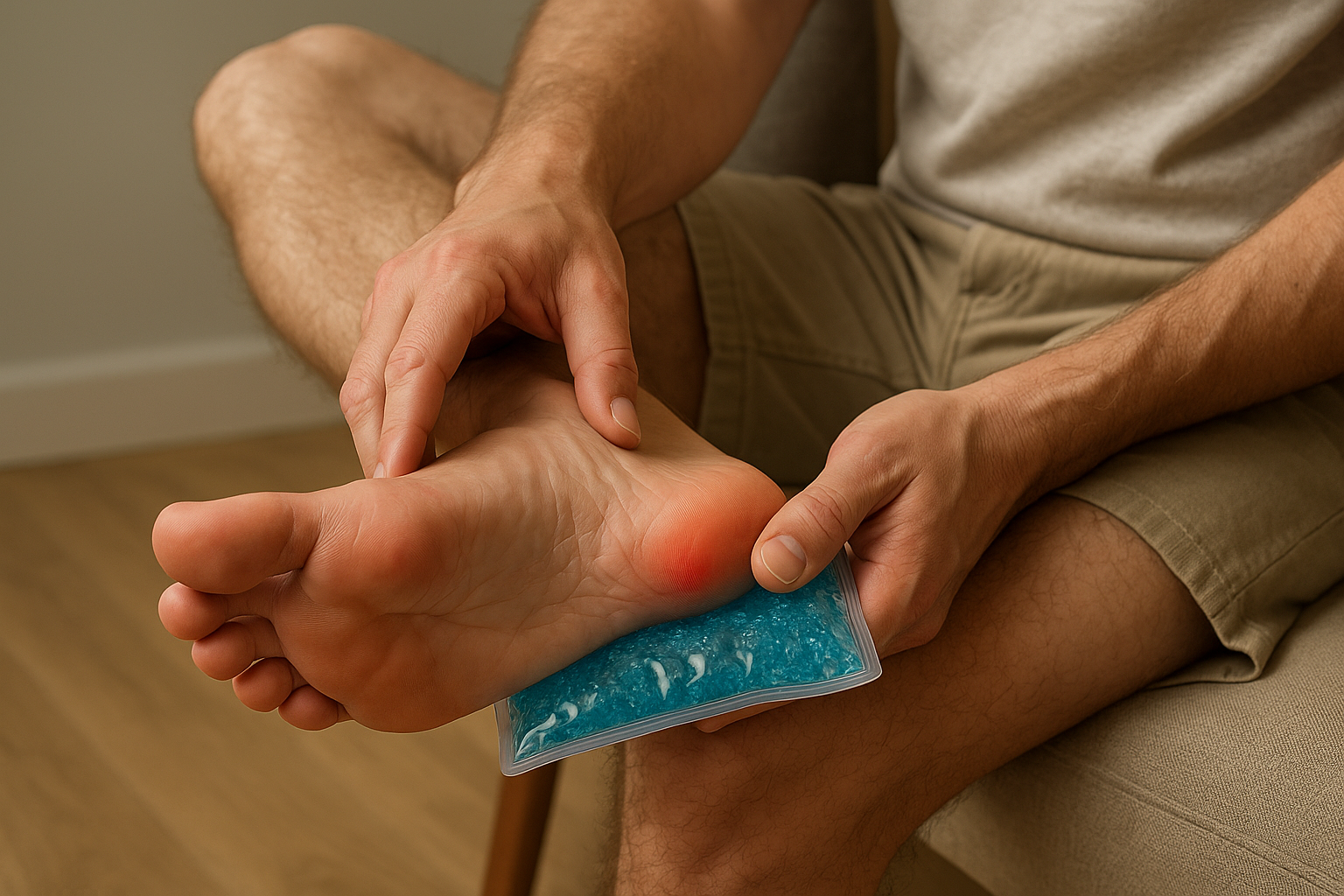
- Use of ice to relieve soreness
- Stretching exercises to increase mobility in the foot
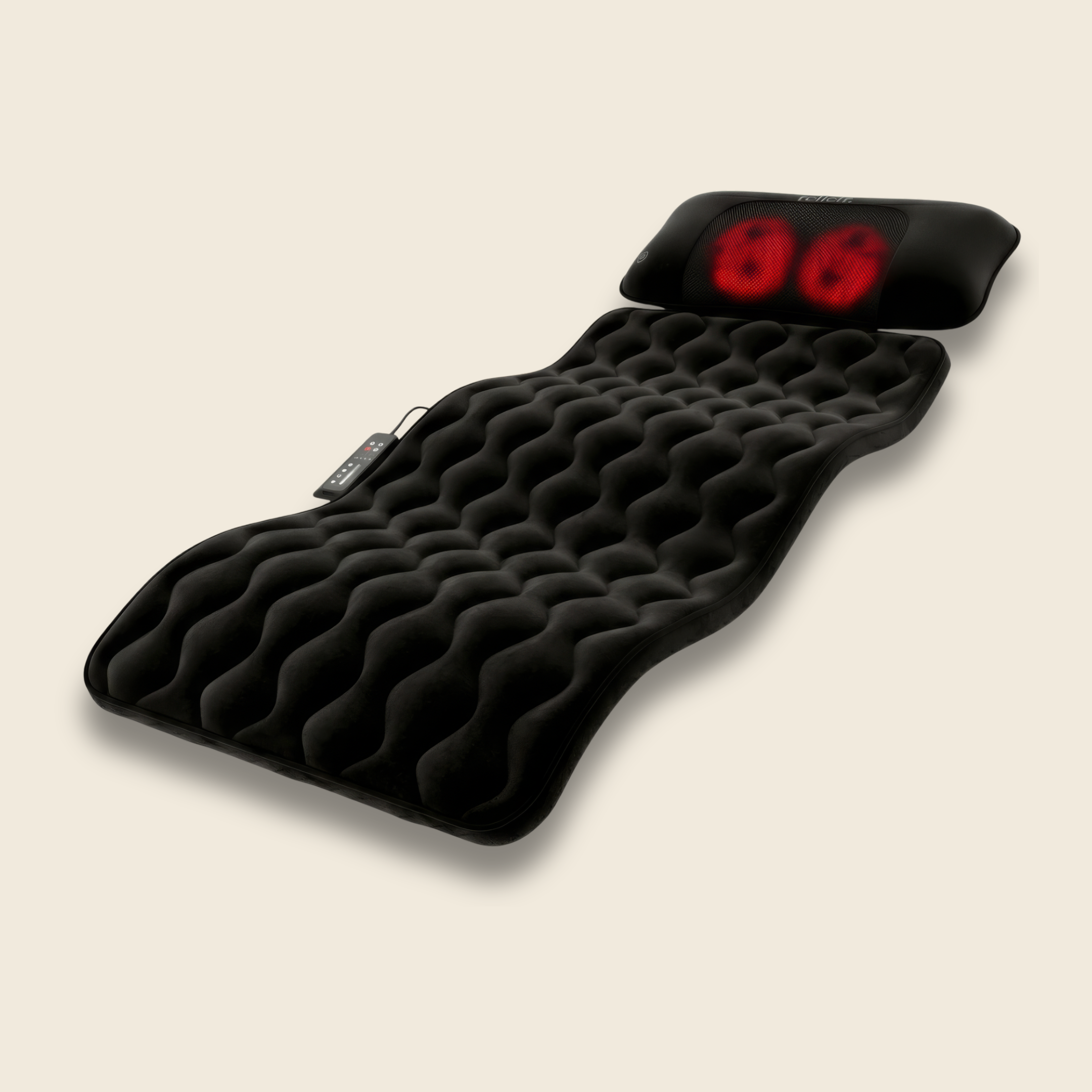
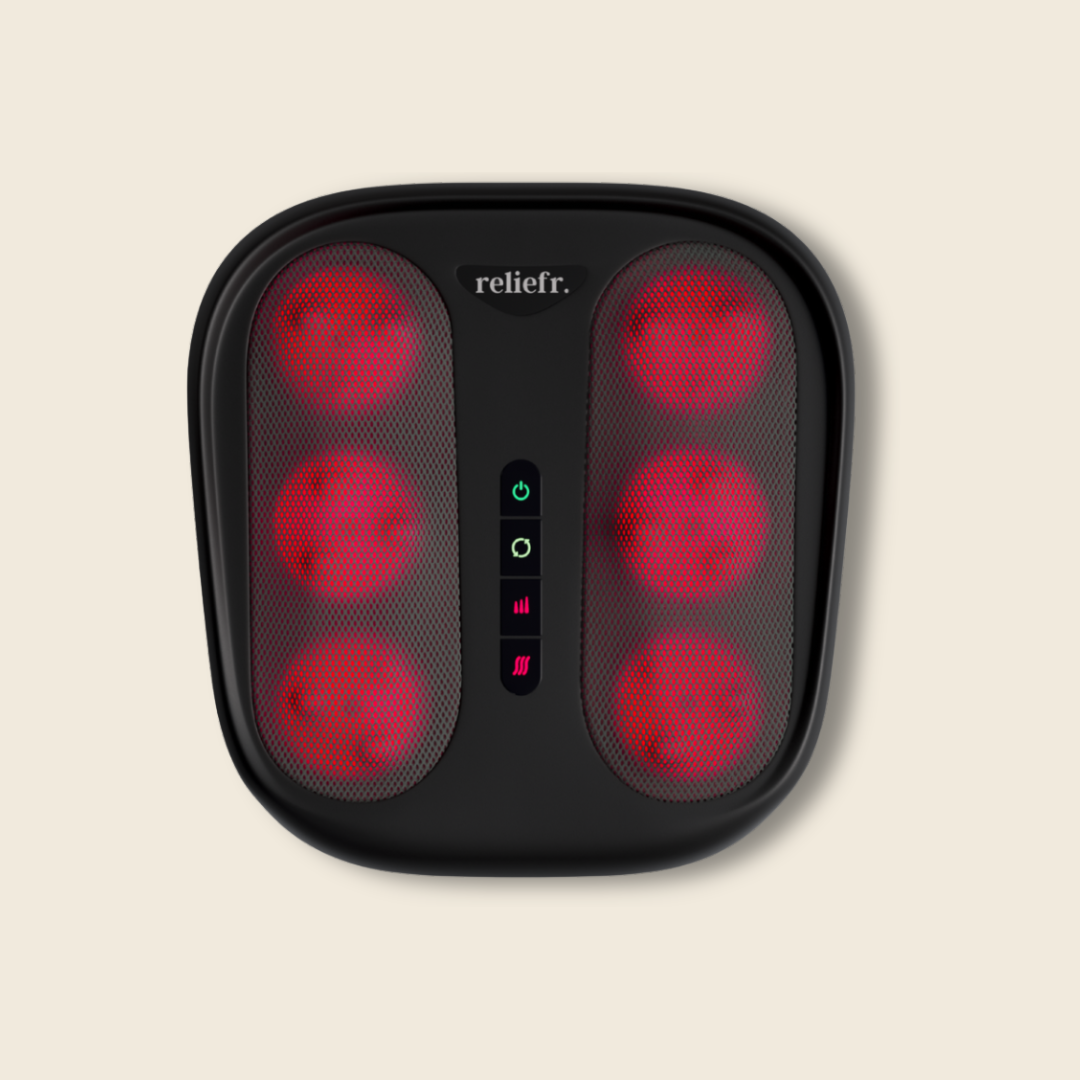
- Massage to loosen tension and improve circulation
These measures are easy to carry out at home and can often be adapted to the individual's needs, depending on how intense the discomfort is. Many have found that a consistent effort with these methods can make a noticeable difference in daily quality of life.
The pain can vary from day to day, and it is therefore important to have a basic understanding of what heel spur treatment involves. The focus is on creating reassurance in everyday life by using methods that reduce acute pain while also preventing worsening. By sticking to these easily accessible measures, a balanced approach is achieved that allows one to manage the discomfort with practical solutions that are easy to implement in daily life.
How the pain often presents itself
The pain can appear as a sharp stab on the first step in the morning or as a rubbing soreness after prolonged standing or walking. Many find that the heel feels tense and sensitive to touch, and that the pain can vary throughout the day. Altered gait pattern is common and can lead to increased strain elsewhere such as the foot, leg, and back.
When in everyday life the discomfort is most noticeable
In daily life, the greatest discomfort is generally experienced in situations with repeated strain or long periods of standing. It may be after the first steps in the morning, after a long workday on one's feet, or during longer walks. Hard walking surfaces and flat shoes often make the symptoms more pronounced, just as long periods of sitting are followed by stiffness and soreness when getting started.
Factors that can affect the extent of the pain
General conditions that are often associated with increased pain include persistent strain, lack of support in shoes, and limited mobility in the lower leg and foot. Muscle tension in the calf and foot can make the heel more sensitive, while being overweight and sudden changes in activity level can affect how strongly the symptoms are experienced. Work or leisure activities that require many repeated movements increase the likelihood that the discomfort will return.
Practical measures for daily relief
There are a number of everyday measures that can reduce pain and loosen muscle tension without being complicated. Relief in the form of frequent breaks from standing tasks and short sitting breaks can reduce the pressure on the heel. A cold compress can provide temporary relief of local soreness, while gentle stretching increases mobility in the foot and calf. Massage aimed at tight muscles improves blood circulation and can feel pleasant after activity. In addition, shock-absorbing shoes or insoles can help distribute weight more evenly and reduce strain during daily walking.
- Relief and frequent break shifts
- Application of a cool compress during acute moments of intense soreness
- Gentle stretching to reduce stiffness and increase mobility
- Massage against muscle tension for improved circulation
- Shock absorption in footwear for more even weight distribution
What to be aware of in everyday life
In everyday life, small recurring factors can affect how the pain is experienced. Times of day when the pain changes, patterns related to work or leisure activities, and how the foot reacts after prolonged rest can provide useful insight into the individual's situation. Attention to the surface one walks or stands on, as well as how often the same pair of shoes is used, is often associated with changes in the discomfort.
It is also useful to notice compensation patterns. When strain is shifted to other joints or muscles, it can over time affect both gait pattern and sensitivity in the foot. Changes in pain intensity after the night's rest or with repeated strain may indicate whether a given measure provides temporary relief or merely changes the experience temporarily.
- Variation in surfaces and work can change the strain on the heel
- Frequent use of the same shoes can change the feeling of support over time
- The timing of the pain can indicate changed strain patterns
Habits and conditions that may matter over time
Daily habits such as the way one distributes breaks, standing time, or walking during a day can affect the discomfort over a longer period. How the muscles around the calf and foot react to repeated strain and slight variations in activity can be seen as part of a larger picture, where small changes in routines can often matter after weeks or months.
There are also practical conditions worth putting into perspective. Wear on shoes and insoles, changes in body weight, or work that involves new movement patterns can affect the experience of pain. Observing patterns rather than seeking immediate solutions can provide clearer insight into which conditions are most often associated with worsening or improvement of symptoms.
Frequently asked questions
Can symptoms vary with the seasons?
Yes, many experience changes in the extent of symptoms in line with changes in daily habits or footwear in different seasons. Temperature and activity level can affect how the discomfort feels.
How long does support from insoles typically last before it changes?
The lifespan of support in shoes and insoles depends on usage patterns and strain. Frequent daily use on hard surfaces will often lead to a gradual change in support ability over time.
What can morning pain versus pain after activity indicate?
The timing aspect of pain can point to different strain patterns. Morning pain may be related to reduced mobility after rest, while pain after activity is often associated with repeated strain during the day.
.