Many experience muscle tension and discomfort in everyday life, and it is common to seek methods to relieve these issues. By taking a closer look at the topic, it becomes clear that massage can be part of the daily wellness practice that many choose to use. A massage device has become a popular tool for those who want a simple method to relieve tired muscles and reduce painful tension. With regular use, the device can contribute to a feeling of relaxation and lightness, which is important for a comfortable everyday life. Many find that a simple massage can make a big difference in their daily lives, especially when it comes to relieving discomfort that arises after a long day of sedentary work or physical activity.
What is a massage device?
A massage device is an electronic device that imitates the techniques of a traditional massage to loosen tense muscles and reduce pain. The devices come in several variants and offer different types of massage, adapted to individual needs and preferences. Among the most widespread types are:
- Vibration massage – where the device's rapid movements attempt to stimulate blood circulation and loosen muscle tension.
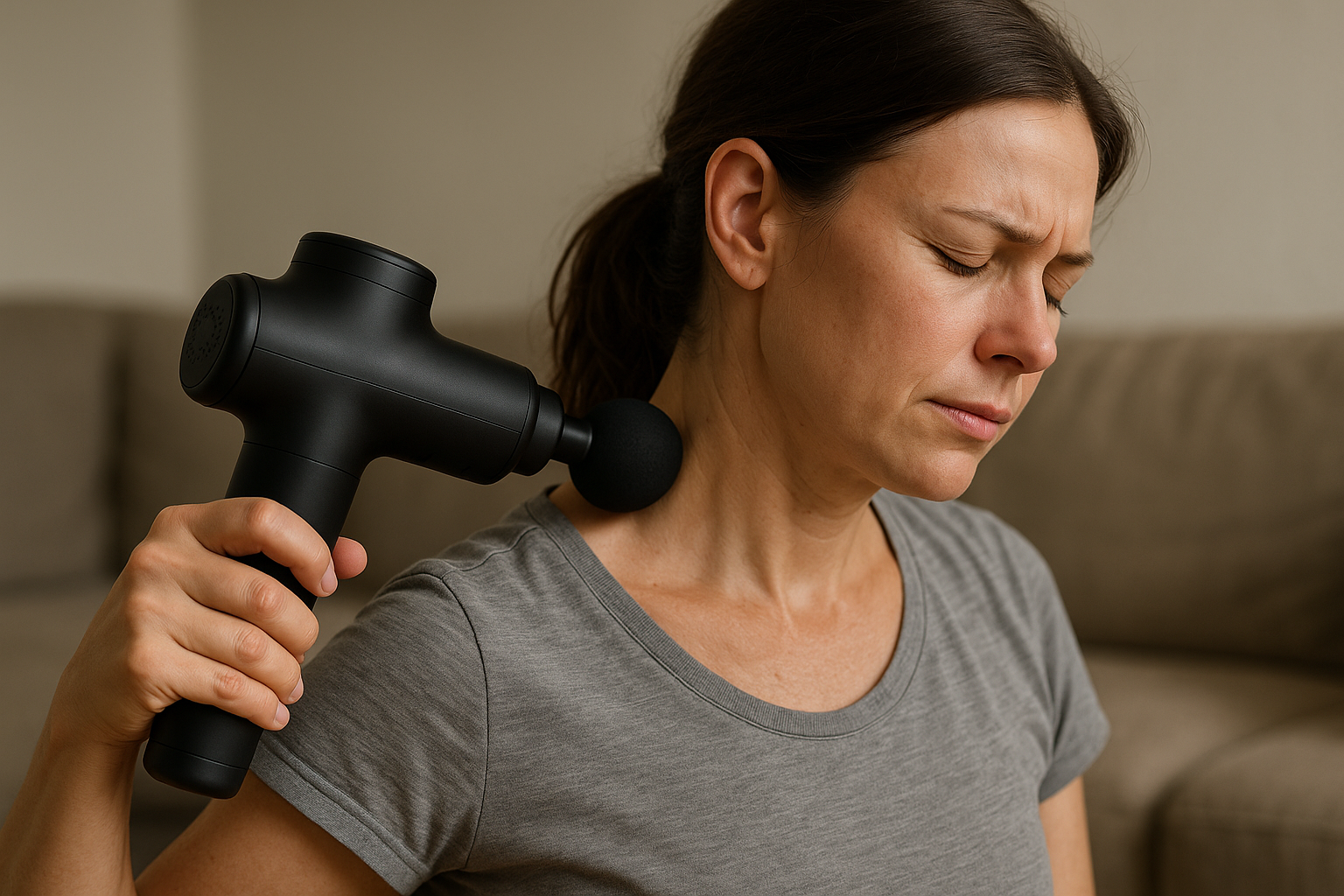
- Percussion massage – which imitates a pulsing movement that can help prevent accumulated tension in deeper muscle tissue.
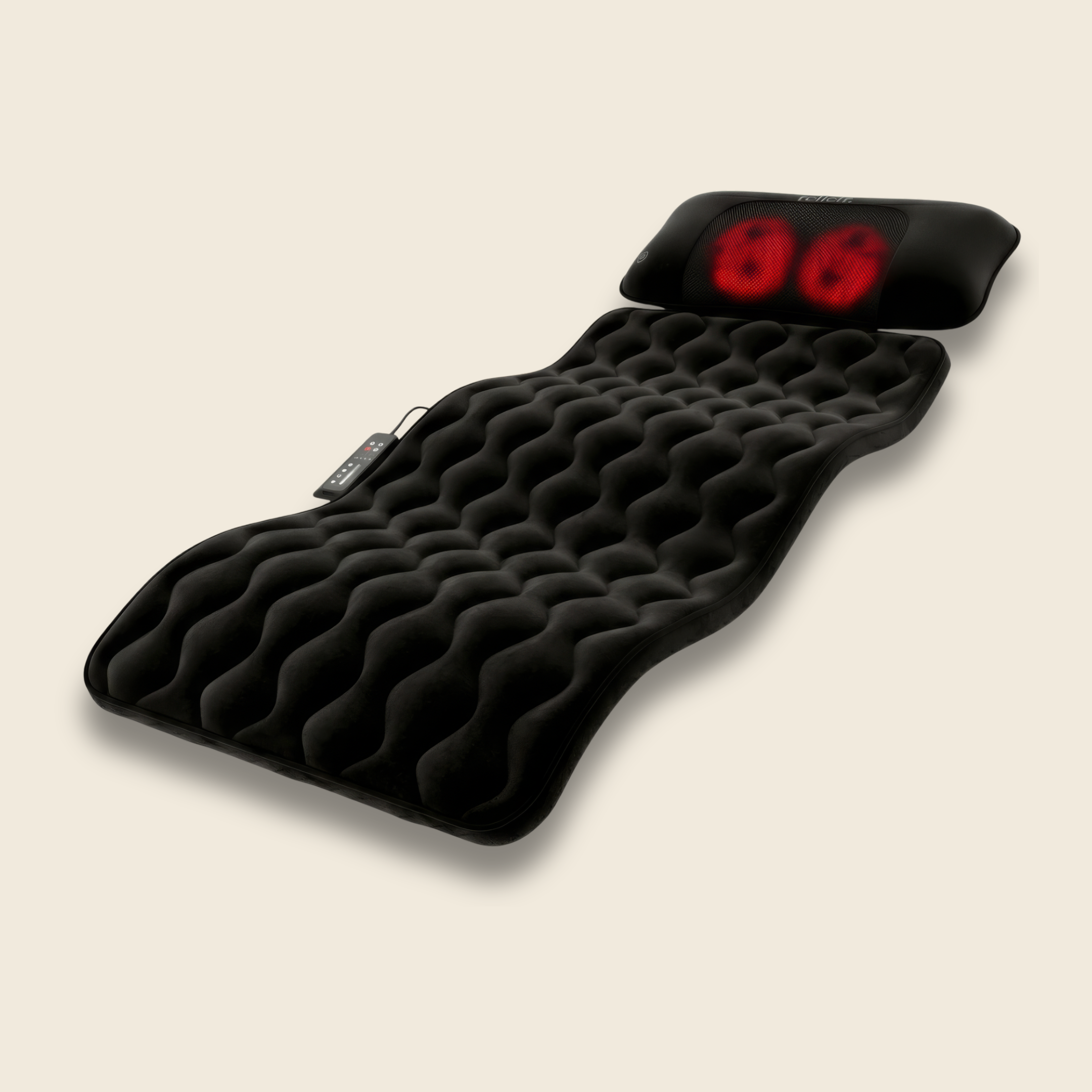
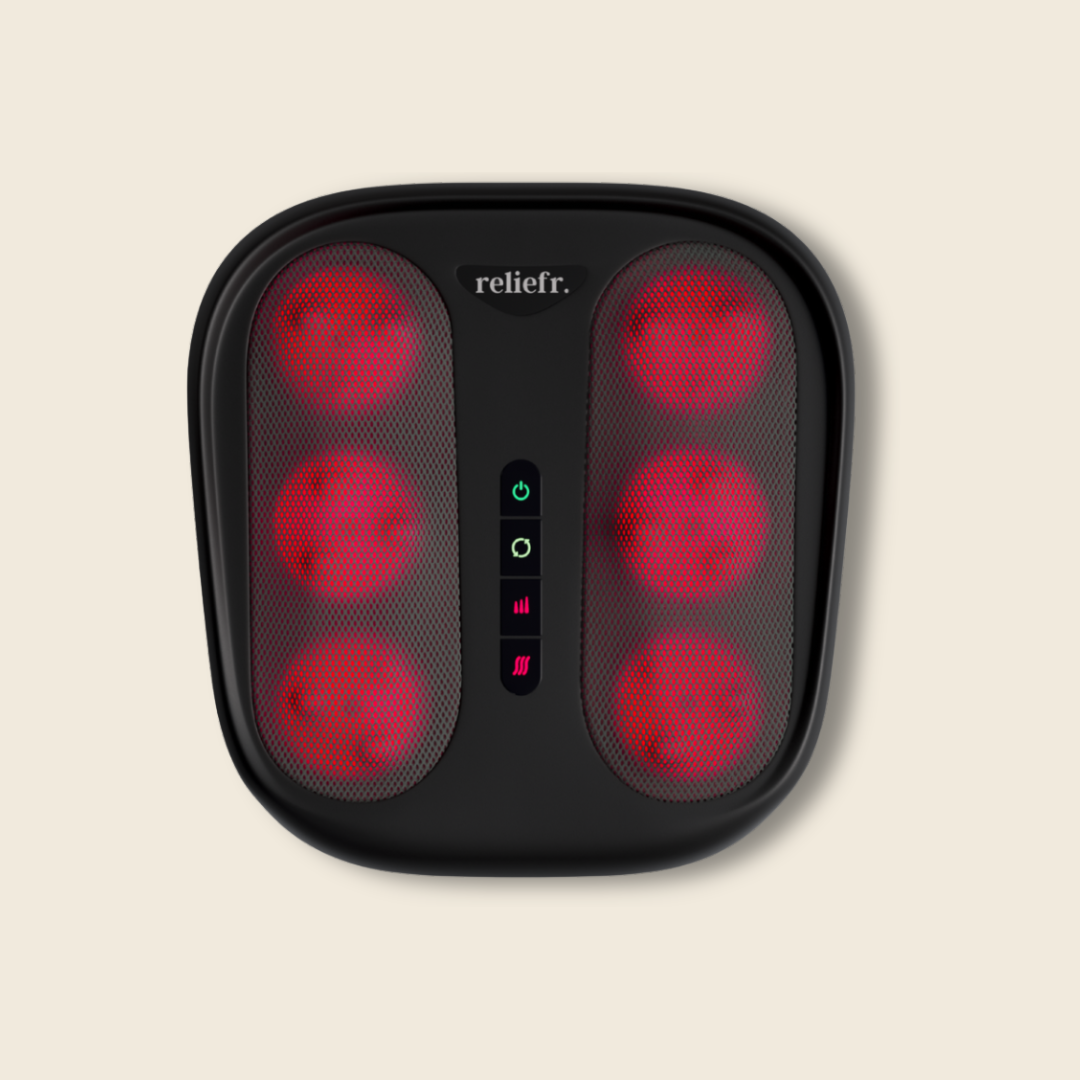
- Heat massage – where integrated heating elements are used to increase blood flow and create a feeling of deeper relaxation.
These massage devices are often used to reduce discomfort in areas such as the back, neck, and shoulders, where daily activities can lead to peak strain. The experience of receiving a massage using a device is often described as a light and pleasant stimulation of the affected areas, which gives an immediate feeling of relief. The functionality of the massage device is connected with the fact that they emulate traditional massage techniques, which many know from treatment sessions with a massage therapist. Whether one has a busy life or simply wants to pamper oneself, a massage device can be a practical method for managing the daily issues associated with muscle tension and fatigue. By integrating these devices into one's daily routine, one may find that easily accessible relief for sore areas becomes a natural part of well-being, supporting a healthy balance in everyday life.
How do vibration and percussion work?
Vibration uses rapid, small movements to stimulate muscle tissue and surrounding soft tissue. This stimulation can be experienced as a superficial release of tense areas and can feel soothing with short-term use. Percussion works through rhythmic, deeper impacts against the muscles, which can be felt as a more targeted effect on underlying tension. Both methods affect sensory impressions in the skin and muscles, which often leads to a feeling of less stiffness in areas such as the back, neck, and shoulders.
Heat and local relaxation
Integrated heat in a massage device increases the perceived relaxation by increasing blood flow in the heated area. The heat can make muscles more pliable and can make it easier to reduce fatigue in muscles in the legs, feet, and back. The combination of heat and mechanical stimulation can be experienced as particularly effective in providing quick relief after exertion or long periods of one-sided strain.
Frequent uses in everyday life
A great deal of use occurs in connection with daily work and leisure activities. Some use a massage device after a long day of sedentary work to reduce tension in the neck and shoulders. Others use it after walks or longer periods on their feet to relieve soreness in the legs and feet. Many also find the devices useful as part of short breaks during the day to restore a sense of well-being.
Factors that can affect effectiveness
Settings such as intensity and choice of attachments matter for how the stimulation is experienced. Placement and timing of use also play a role; a short, targeted session may be more relevant during the workday, while longer sessions may be desirable after physical activity. Clothing and skin contact can change how directly the stimulation is felt, and thereby how the muscles react.
Portable versus stationary solutions
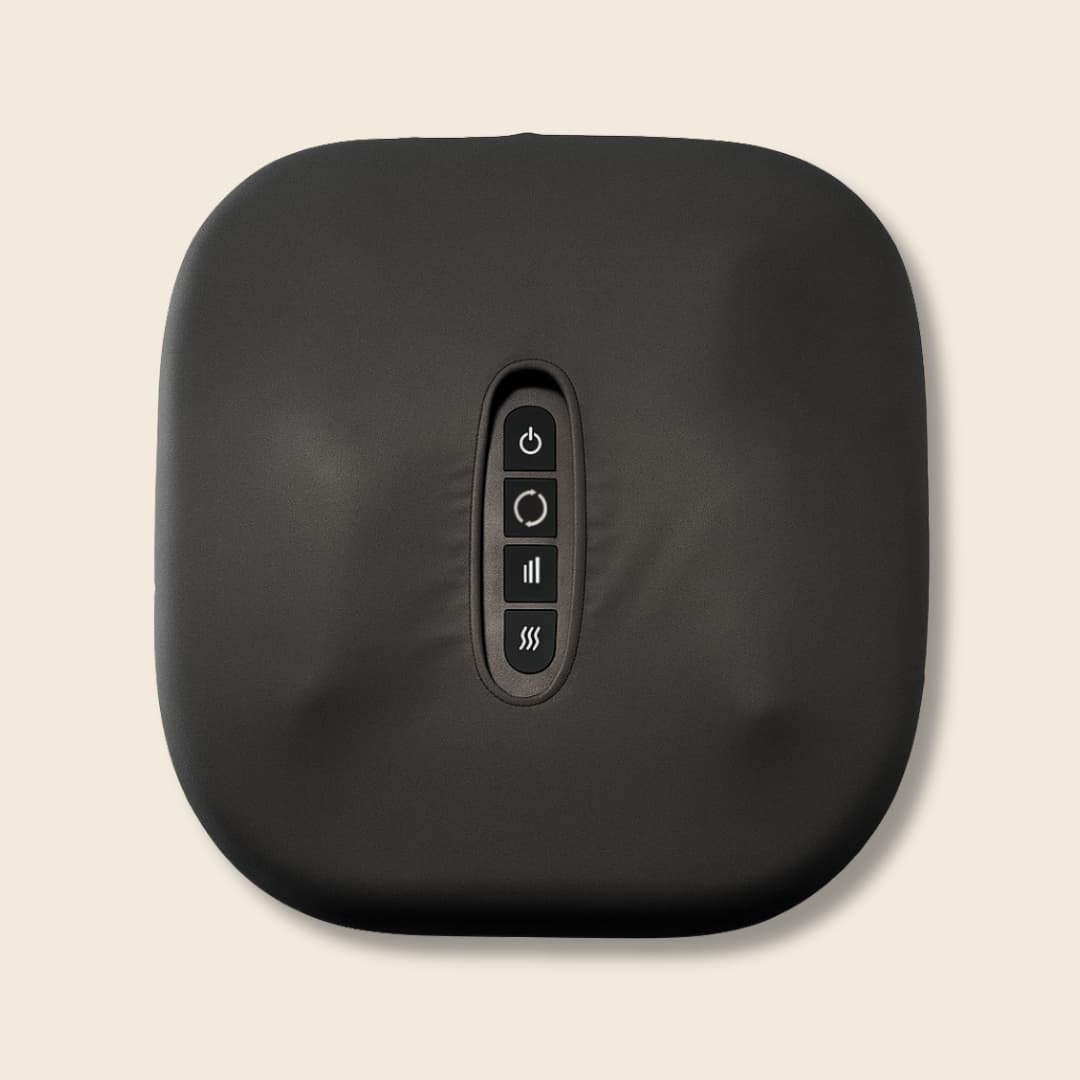
Portable devices are often designed for flexible use and practical relief at the neck, shoulders, and feet, while stationary mats or chairs typically cover larger areas such as the back and sides of the body. The choice between them depends on where in everyday life one wants relief: quick, targeted relief or a more comprehensive, calmer experience at home.
What you can be aware of in everyday life
In everyday life, there are several factors that can affect how pain relief is experienced over time. Minor repeated strain from one's working position or frequent use of certain muscles may appear as stiffness or soreness, while the choice of clothing and shoes can affect strain patterns in the feet and back. Psychological pressure and sleep patterns are often linked with how the body handles tension during the day.
- Repeated movements at work or during leisure that can cause local tension
- Sleep habits and recovery, which can affect the experience of soreness
- Changing strain on body parts during standing or seated work
- Use of shoes and seat cushions, which can change weight distribution
Habits and factors that can become significant over time
Long-term habits can be experienced as recurring patterns in muscle condition. Frequent one-sided strain or repeated short breaks can over time affect how often discomfort arises. Minor changes in daily routines, such as longer periods without relieving certain areas, can cause tension to appear more often. At the same time, fluctuations in stress level and sleep quality can affect the body's ability to regain normal mobility.
It is also common for attention to pain to change over time. What is initially registered as slight discomfort may later be experienced as more persistent if the strain pattern does not change. Choice of clothing and contact between skin and surfaces can affect how stimulation from a device is felt, especially during prolonged use throughout the day.
Frequently asked questions
How do you choose the right massage device?
The choice often depends on which areas one expects to focus on and how the device is used in everyday life. Some prefer a light and portable solution for short breaks, while others choose models that cover larger areas in the home. Functions and design can affect how often the device becomes part of everyday life.
Can a massage device replace professional massage?
A massage device can provide similar sensations of relaxation and temporary relief, but the experience differs from a session with a professional, where techniques and adaptation are individual. Many see devices as a supplement in the home rather than a direct replacement.
Are there any side effects from using massage devices?
Some may experience temporary redness, soreness, or sensitivity in the treated areas. Reactions vary from person to person and may depend on intensity, duration, and the individual's bodily condition at the given time.
.