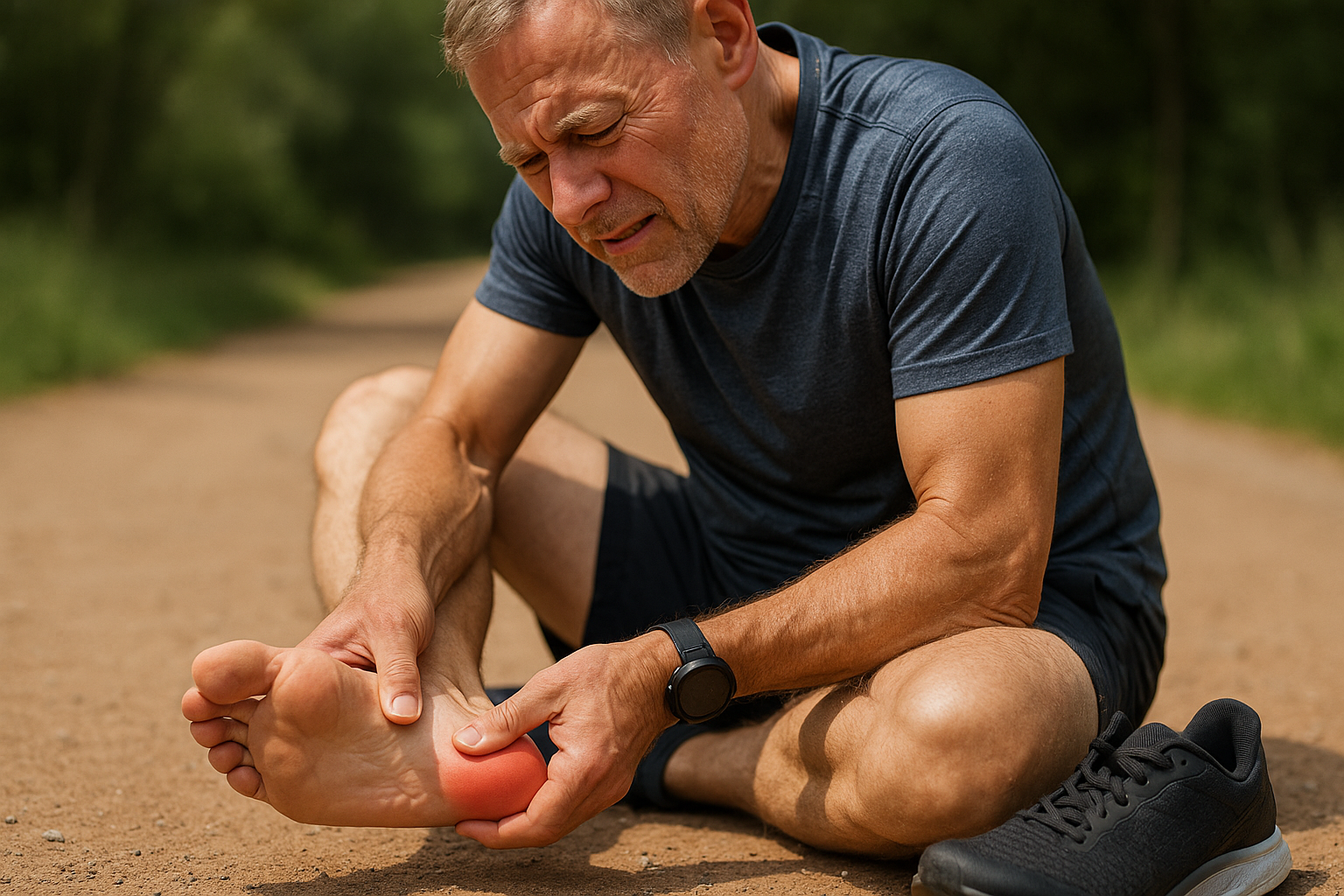
Many experience discomfort in the heel in everyday life, especially when leading an active lifestyle. For many active adults and runners over 40, heel spurs can cause pain that makes daily movement less comfortable. The problem often arises as a result of repeated strain, where standing and walking for longer periods can lead to irritation and discomfort in the heel area. It is common to seek homemade exercises in order to relieve the pain and maintain an active everyday life. The exercises are easy to perform and can be adapted to the individual's needs, so they support natural and daily relief. By introducing light stretches and simple movements, one can achieve a feeling of better mobility and reduce the pain that often makes even small everyday activities a challenge.
What is a heel spur?
A heel spur is often described as a condition where the heel is affected by overuse through the plantar tendon. This can lead to a range of unpleasant sensations that are felt both during physical activity and in quiet periods. Many experience that the pain is especially noticeable in the morning or after a longer period of inactivity, as the area feels stiff and tender when it needs to be activated again. The condition is linked to repeated strain, which makes it important to relieve the symptoms through targeted exercises that can reduce the pressure on the heel.
Some of the typical signs that may indicate that a heel spur is present are:
- Pain in the heel at the start of the day
- A stiff sensation after rest
- Discomfort during longer periods of strain
It is important to emphasize that homemade exercises in many cases can be seen as a natural method for reducing the discomfort. With the help of simple stretches and light movements, one can reduce the strain that causes the pain. Therefore, many seek practical and easy solutions that make it possible to relieve heel pain without the need for extensive interventions. The focus is on creating a daily routine of exercises that help loosen up and improve mobility in the heel area.
The persistent pain and the associated unpleasant feeling in the heel can affect daily quality of life. Therefore, it is important to gain an understanding of what a heel spur actually involves, and how simple exercises can help achieve a more comfortable everyday life. Many find that a small effort in the form of regular exercises makes a big difference in reducing pain and improving the function of the musculoskeletal system in everyday life.
How does a heel spur present itself in everyday life?
Pain in the heel often presents itself as a sharp or throbbing sensation with the first steps in the morning or after longer rest. Many also experience increased tenderness when pushing off during walking or running, when the arch structure of the foot has to bear the weight. The pain may feel localized at the heel itself, but is often linked with tension in the feet, lower legs, and back, because the gait pattern changes to avoid discomfort.
How widespread is it in everyday life?
Heel-related pain is common among active adults and those who stand or walk a lot during the day. It is frequently seen in runners and people over 40, but can also arise in those with sedentary work if the load on the foot changes. In practice, this means that many encounter symptoms in ordinary daily situations such as walking to work, shopping, or taking the stairs.
What can affect the pain and muscle tension?
Several factors can worsen pain and increase muscle tension around the heel. Prolonged standing on hard surfaces, wearing shoes with poor support, and stiff calf muscles can make the area more sensitive. Excess weight and sudden changes in activity level can also affect the load. In addition, reduced mobility in the ankle can cause the muscles and tendons of the foot to work more tensely, which is felt in both the feet, legs, and sometimes also the shoulders due to compensatory movements.
Exercises that often work against pain and tension
Some movements have proven useful for reducing pain and loosening muscle tension without requiring equipment. Slow heel raises, where you lift the body on the toes and lower in a controlled way, can loosen and strengthen the muscles of the lower leg. Stretching the underside of the foot, where the toes are bent toward the shin, can provide immediate relief in the arch tissue. Simple gripping exercises with the toes can strengthen small foot muscles and improve stability.
Massage and gentle relief
Rolling with a massage ball or a rolled-up towel under the foot promotes local circulation and helps reduce tension in both the underside of the foot and the calf muscles. Short sessions at the end of the day can help create better comfort and reduce stiffness the next morning.
Variations and adaptation to everyday life
Exercises can be performed sitting or standing, depending on how much load one wants. Less intense variations are suitable early in the day, while more demanding movements can be fitted in after the demands of the workday. The aim of the variations is to find a form of relief and pain reduction that can easily become part of daily routines without being time-consuming.
What to be aware of in everyday life
In everyday life, there are several factors that can affect how heel pain is experienced over time. Small changes in weight distribution, altered gait patterns, and frequent standing on hard surfaces can slowly change how the load is distributed in the foot. This may present itself as increased discomfort in certain situations, for example after longer periods of standing or with repeated strain during the workday.
Short-term habits, such as changing shoes or wearing the same pair for many months, can affect the support the structure of the foot receives daily. Likewise, the choice of surfaces at work and during leisure time can alter the way the feet work, and this is often linked with variation in discomfort through the week. An awareness of these patterns can help in understanding when the pain fluctuates.
Sleep, stress levels, and the general amount of activity can also color the experience of pain. The feeling of stiffness or tenderness can be more pronounced after restless sleep or days with increased mental strain, as attention and the pain threshold can change. This can affect how symptoms are experienced from day to day.
- Where during the day the discomfort typically arises
- Whether certain shoes or surfaces are linked with increased discomfort
- Whether other joints or muscles describe increased tension at the same time
Over a longer period, repeated small influences can lead to slower changes in the movement pattern. This means that what seems insignificant in one week can affect comfort over months. Paying attention to gradual patterns rather than isolated episodes gives a different perspective on why some days feel worse than others.
In conclusion, calm attention to daily habits and the small variations in activity and footwear can create value in understanding the condition of the heel. Below follow answers to some of the most common questions that often arise when you want to know more about relief and everyday conditions.
Frequently asked questions
What are the best exercises to relieve heel spurs?
There are several exercises that are often mentioned in connection with relief, including strengthening and stretching movements for the foot and lower leg. Which ones fit best may vary from person to person.
How long does it take to see improvements with exercises?
The time frame varies greatly. Some experience changes within a few weeks, while others see gradual differences over several months, depending on frequency and individual conditions.
Can massage help with heel spurs?
Massage can contribute to increased comfort for some by affecting tension and blood circulation locally. The effect depends on the method and how regularly it is part of everyday life.
.