Many experience sore and tired feet after a long day of standing or walking work. It is common to feel a persistent fatigue and a slight soreness, which can make everyday life less comfortable. Foot massage is a method used to relieve this discomfort and provide a feeling of renewed energy. The technique is known both for reducing muscle tension and for creating a calming effect that promotes well-being. Many find that a simple massage of the feet can create a feeling of relaxation, where pressure and gentle strokes have a soothing effect after a long day. This practice is available both in professional treatments and as part of a daily self-care routine, making it a popular method for those who want to reduce the feeling of tiredness in their feet.
When you feel exhausted after a long workday, a foot massage can seem like a natural way to stimulate blood circulation and loosen tension. A gentle massage makes it possible to release built-up fatigue and creates a feeling of lightness in the feet. In addition, the gentle treatment can have a calming effect that reduces the overall feeling of discomfort and provides a quiet moment in the middle of a busy day. The technique is often used as a form of self-care that makes it possible to give the body a break from the day's stress and rush. The pleasant sensations that arise from stimulating pressure points are often mentioned, which can help loosen both physical and mental tension.
What is foot massage?
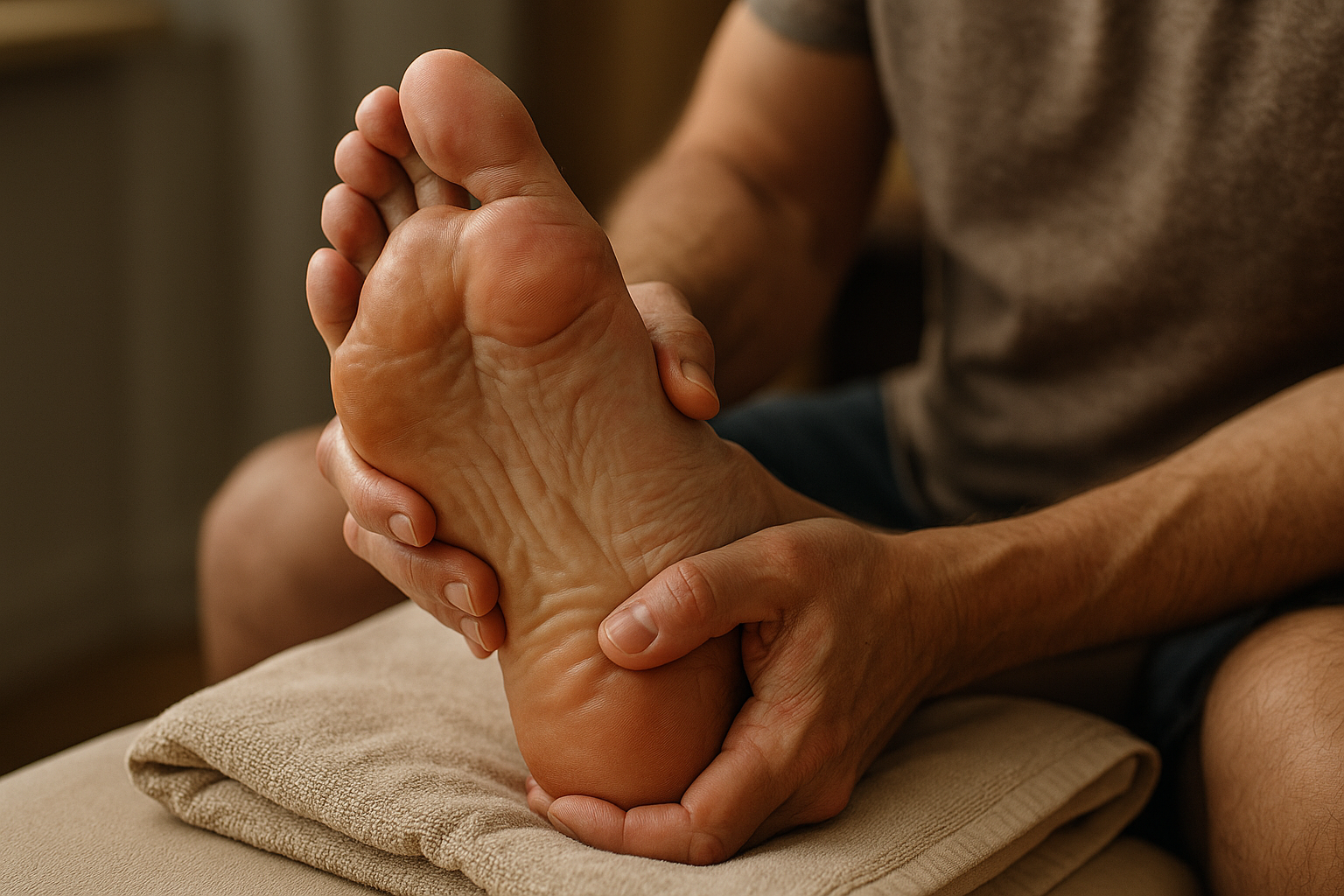
Foot massage is a manual treatment method that uses pressure, strokes, and kneading of the feet to reduce soreness and tension. The technique works with the muscles, tendons, and pressure points of the feet to stimulate blood circulation and promote well-being. By applying gentle but targeted movements, foot massage can help relieve the general fatigue that often arises after hours on your feet. Many describe how a regular foot massage makes the feet feel more relaxed and less stiff, which contributes to a pleasant sensation throughout the body.
Some of the perceived effects of a good foot massage may be:
- Reduced soreness and fatigue
- Improved blood circulation
- Relaxation of muscles and tendons
- A general feeling of relaxation
By creating a safe setting for well-being, foot massage offers a simple but effective method for managing the daily challenges that physical activity and prolonged standing can cause. The method is easy to use and provides a natural way to refresh both body and mind, making it an attractive option for those who want a moment of rest in a busy everyday life.
How does foot massage show itself in everyday life?
Foot massage often shows itself through an immediate feeling of relief in the feet after standing or walking work. Many describe a heavy or sore sensation in the feet, which at the same time can feel like increased tension around the ankles and lower legs. For some, the discomfort can spread to the legs, back, and shoulders because gait pattern and posture change to relieve the feet. A short session focusing on gentle strokes and targeted pressure can have a calming effect and reduce the stiffness that may appear after a long day.
How widespread is the need for pain relief in the feet?
The need for regular pain relief in the feet is common among people with jobs that require a lot of standing or walking activity, but it is also seen in those who take long walks or participate in leisure activities. Many find that the need arises more frequently during busy periods or after longer periods without a break. Foot massage is used both as part of daily self-care at home and as a way to get quick relief in connection with physical strain.
Factors that often affect the need for relief
- Prolonged standing or walking activity, which can increase fatigue in the feet
- Choice of footwear, where lack of support can create extra strain
- Body weight and age, which can change the strain on feet and joints
- Temperature and cold, which can make muscles and tendons more tense
- Stress and sleep patterns, which can make muscle tension more pronounced
Variations in ways to loosen tension and provide relief
There are several ways to work with tension in the feet. Manual massage with strokes, kneading, and acupressure can loosen superficial muscles and increase blood flow. Reflexology focuses on pressure points that can be experienced as soothing for the whole body. Other approaches combine heat and pressure to increase the feeling of softness in the tissues and reduce stiffness. The choice of method is often linked to personal preferences and the situation in which relief is needed.
Patterns in pain and discomfort
In everyday life, changes in how and where the feet hurt can provide useful insight. Pain can show itself as a steady fatigue throughout the day or as sharp, brief jolts during certain movements. For some, the discomfort changes from side to side and can be experienced as differences in strain between the right and left foot. Over time, such patterns can often be linked to repetitive movements and to the surfaces one moves on, and those changes can affect the way one walks.
Variable strain in everyday life
It is common for the strain on the feet to vary throughout the week. Periods of longer standing or extra walks can lead to certain areas of the foot being experienced as more sensitive than usual. Minor factors can also play a role and affect the sensory feeling over time.
- Uneven sole wear, which may appear as differences in wear patterns between shoes
- Changes in sensation from soreness to stiffness at certain times of day
- A feeling of warmth or cold in the feet, which changes with the seasons
Skin, nails, and local sensitivity
The condition of the skin and nails often changes slowly and can be indicators of how the feet are affected in everyday life. Hard areas of skin and increased pressure sensitivity may appear as small, local discomforts, while increased sensitivity in certain zones can be experienced as irritating during ordinary walking. These changes can affect comfort over time and provide information about which areas are under the most strain.
These observations provide a perspective on what one can pay attention to in everyday life without pointing to concrete solutions. Below are answers to frequently asked questions that many ask when they want to understand changes in the condition of the feet.
Frequently asked questions
What can uneven sole wear indicate?
Uneven sole wear often appears as heavier wear on either the inside or outside of the shoe. It may be a sign that the load is not distributed evenly during walking and is related to repetitive movements or posture patterns.
Can foot massage affect skin and pressure sensitivity?
Foot massage can temporarily change the local sensitivity of the skin and make certain areas more noticeable. In some, this may appear as softer skin in pressured areas, while others experience increased warmth or slight irritation after stimulation.
When do changes in pain indicate a persistent pattern?
When pain or increased sensitivity changes location or intensity over several weeks, it may be a pattern that deserves attention. Such changes often appear gradually and can affect how one walks or stands in everyday life.
.