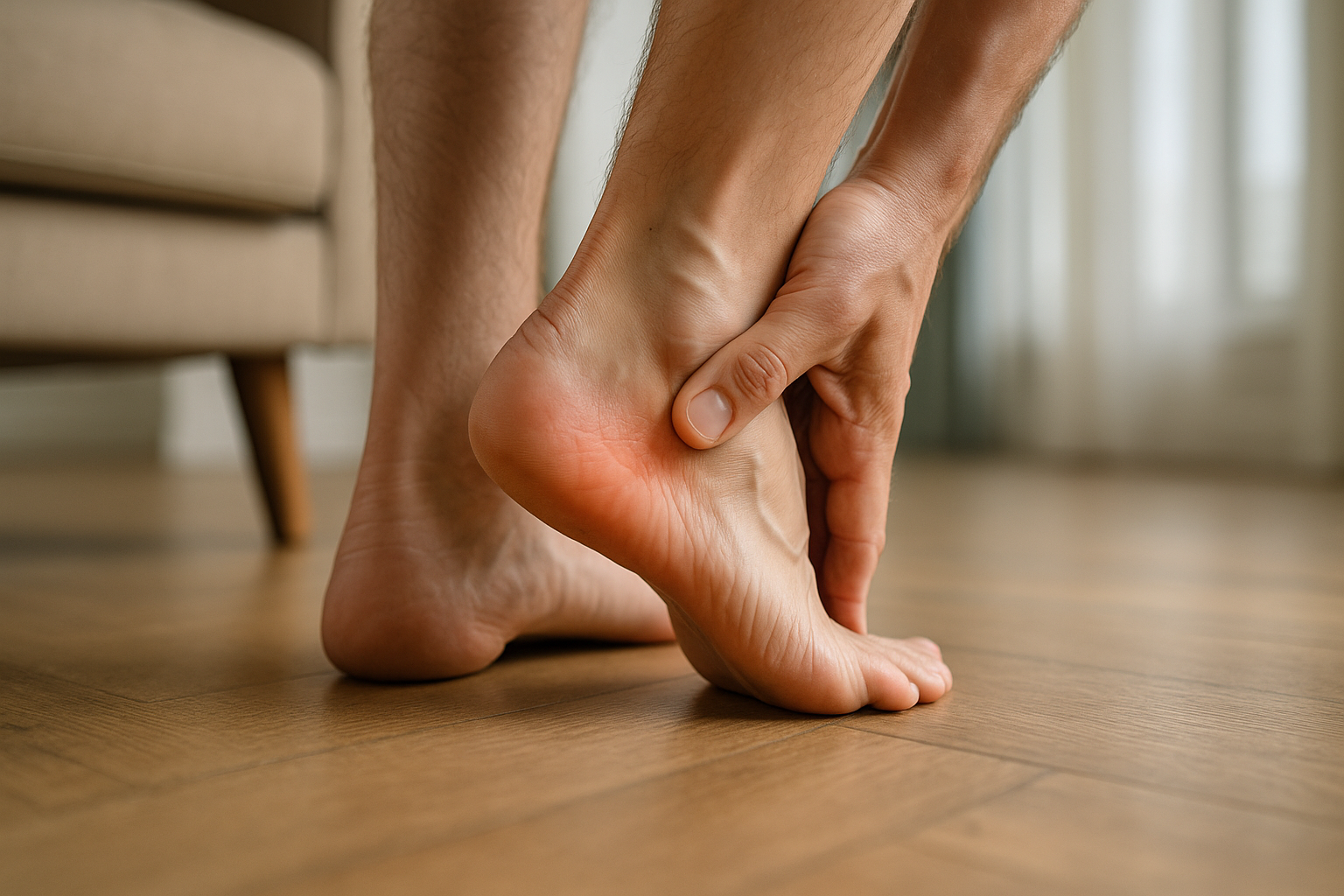
Many experience pain in the heel, which can make everyday life more challenging. It is common for the discomfort to be felt both during the first steps in the morning and after periods of rest. The pain can vary from a mild irritation to a more persistent and sharp sensation. For those who are active daily or stand a lot, heel pain can arise as a result of overuse or an imbalance in the load on the foot. Changes in activity level and the use of footwear that does not provide the necessary support can all contribute to making heel pain felt even more. The reassuring and neutral informational framework in this post provides an overview of what pain in the heel covers, as well as how the condition is typically experienced in everyday life.
More people seek information about heel pain to gain a better understanding of what may underlie the discomfort. It is common for the pain to affect both movement and well-being, and for many it arises in connection with increased physical activity or changes in strain. By highlighting the overall aspects of heel pain, including typical symptoms and possible causes, many seek to find calm and reassurance in facing the discomfort.
What is pain in the heel?
Pain in the heel is a condition that is often described as either a sharp or a more persistent pain, which can vary in intensity. The pain may arise suddenly or develop gradually over time. This condition is experienced, among other things, as a reaction to overuse of the foot, which can happen during longer periods of standing or walking activities. In addition, certain conditions, such as inflammation in the connective tissue under the foot, can lead to an increased degree of discomfort, which many feel when they start the day or return to activity after a break.
Below are some typical features of pain in the heel:
- The pain may be felt as either a stabbing sensation or more diffuse, persistent pain.
- The condition is often experienced with greater intensity in the morning or after longer periods of inactivity.
- Overuse and changes in the load on the foot are often associated with the discomfort.
The experience of heel pain can vary, and some find that even minor activities worsen the discomfort, while others notice particularly marked pain at the beginning of the day. This broad range of experiences makes the topic of interest to those seeking a deeper understanding of what underlies heel pain, and how, with an appropriate approach, relief can be found.
How the pain typically appears
Pain in the heel can appear in several ways. Many experience a sharp, stabbing sensation during the first steps after rest, while others describe a burning or deep, more persistent pain after activity. The pain can be located right under the heel or at the back, and it can be accompanied by stiffness or a feeling of tenderness when pressed. For some, the pain changes character during the day, from pronounced at start-up to a more dull discomfort after longer periods of standing or walking activities.
Where in everyday life does pain often arise?
Heel pain often appears in everyday situations where the load on the feet is high. Long shifts on hard floors, frequent walks, and sudden increases in activity level are often associated with increased discomfort. Surfaces such as concrete or uneven terrain can also have an effect, just as shoes with poor support make the pain more easily felt in everyday life. The pain can affect both work, leisure activities, and the ability to manage daily tasks without a break.
The importance of muscle tension
Muscle tension in the lower leg and the connective tissue of the foot plays an important role in how heel pain is experienced. Tight calf muscles can alter the walking pattern and increase the load on the heel, while tension in the soft tissues of the foot can feel like local soreness or pulling. Tension in other areas such as the back and hips can also affect the load down through the leg, so pain in the feet and legs is often associated with tension higher up in the body.
Prevalence in everyday life
Heel pain is common in both those who are physically active and those with sedentary work. People who suddenly begin walking or standing for longer than usual often experience the symptoms coming to the fore. Likewise, weight changes and altered movement patterns can cause the pain to arise or worsen. The pain picture can vary from mild irritation to a limitation in activity level.
Variations in the course of pain
Some experience a short-term, sharp attack after a specific strain; others get a more persistent discomfort that slowly increases over weeks or months. Morning stiffness and increased soreness after rest can appear as a pattern in those whose pain is related to daily strain. Understanding these variations can be important in finding appropriate forms of relief and offloading in everyday life.
Relief and pain alleviation in everyday life
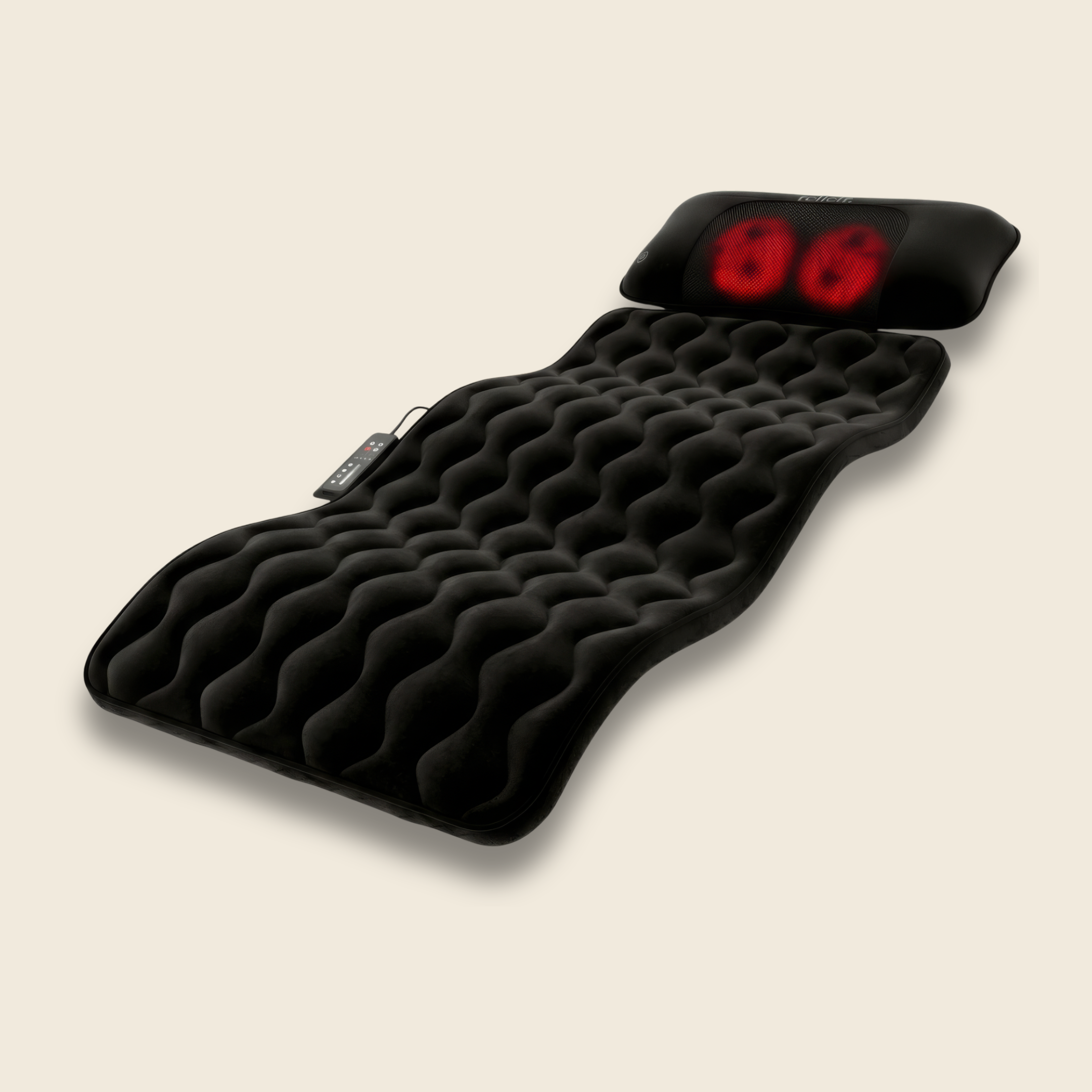
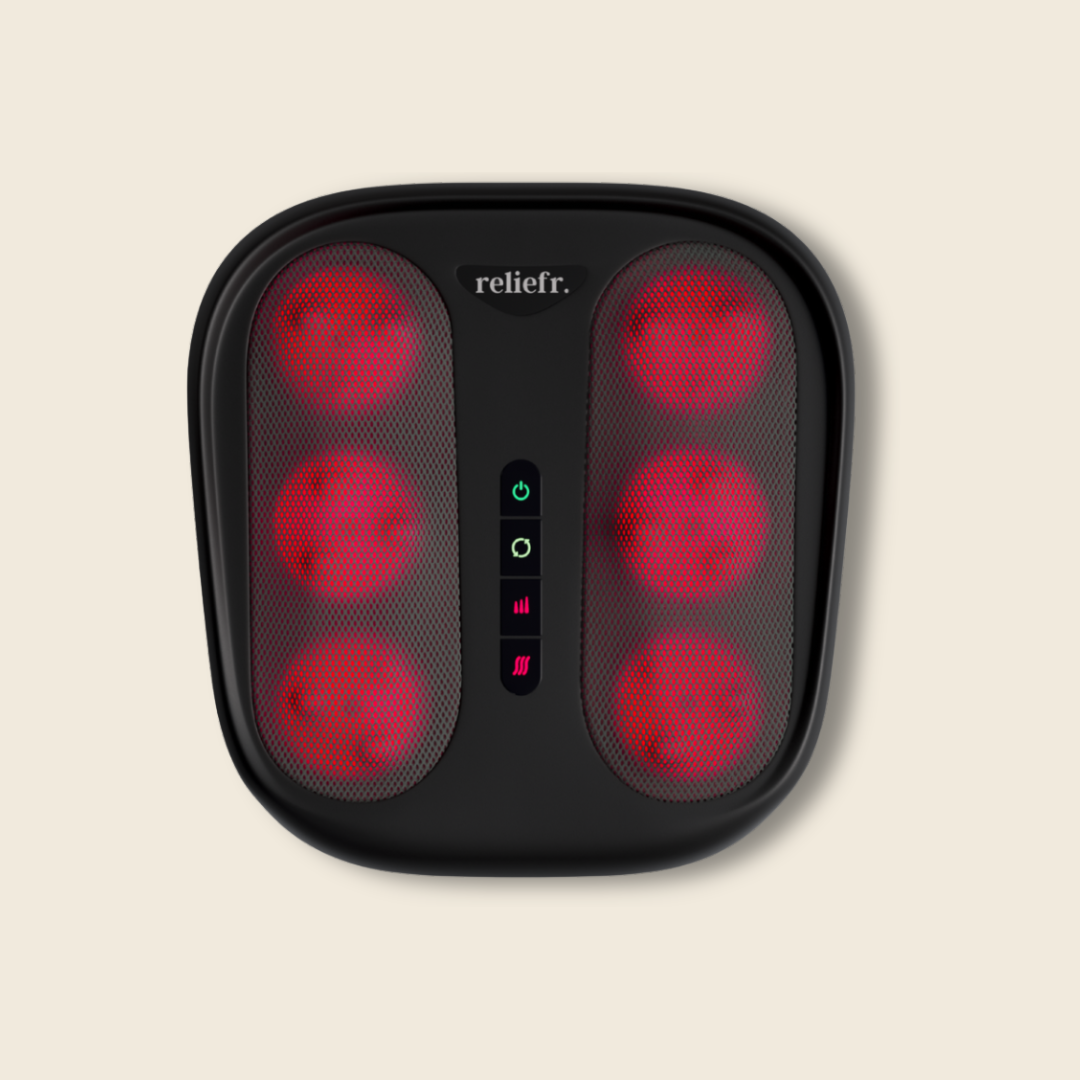
Practical choices in everyday life are of great importance for relief. The use of footwear that distributes pressure better, short breaks during prolonged standing work, and targeted use of heat or massage to loosen tension can all provide noticeable relief. Small changes in daily habits can reduce the load on the heel and thereby improve well-being in the foot, leg, back, and shoulders.
Everyday habits that can have an effect over time
In continued attention to pain in the heel, it can be useful to notice repeated patterns in everyday life without seeking quick solutions. Fluctuations in the pain often appear as variations in intensity and location, and these patterns can often be associated with daily choices or repeated movements. For example, uniform loading of one side of the body or repeated small adjustments in walking pattern can change how pressure is distributed in the foot.
Wear and changes in footwear and surfaces
Footwear changes character over time, and this may appear as altered support or uneven wear under the sole. Wear patterns can be subtle, for example a worn-down heel or a collapsed sole edge, and they can affect how the load is distributed. Likewise, different surfaces in everyday life can lead to variations in sensation and load, so the same activity can be experienced differently depending on the surface.
Habits and daily movement patterns
Daily habits such as the way you stand, carry bags, or prefer a certain foot position can play a role. When one side is repeatedly favored, it can lead to asymmetry in the load, and the pain can therefore be experienced differently from day to day. Fatigue in the muscles and general sensitivity also affect how the discomfort is felt, and sleep or stress can matter for the intensity of the pain.
Following changes without changing the routine
Being aware of patterns is not about changing habits immediately, but about recording when and how pain in the heel appears. Small variations in activity, footwear, or movement pattern may appear as differences in the experience of pain, and these differences can be informative over time. A calm approach to observation provides a better overview and paves the way for more targeted questions later.
Frequently asked questions
How quickly can pain in the heel change character?
Pain can change character over a few days or over several weeks. For some, the change appears as sudden worsening after specific activities, while others experience slow fluctuations in intensity. The variations can often be associated with activity level and daily fatigue.
Why can pain be different from right to left?
Differences between sides can be associated with differences in load, small asymmetries in posture, or repeated movement patterns that favor one side. These conditions can appear as differences in location or intensity of the discomfort.
How do shoes change their properties over time?
Shoes can have their support capacity altered through fatigue of the soles, collapse of the heel counter, or uneven wear. These changes affect how pressure is distributed, and they may appear as altered sensation in the heel during daily activities.
.