Many experience pain under the foot, which can make everyday life more challenging. It is common to feel soreness and stiffness, especially after periods of inactivity, and the pain can have a negative impact on daily activities. For many, the unpleasant sensations under the heel are a reminder that the foot needs extra attention. The pain can help limit both work and leisure activities, which makes it important to understand what precisely causes these discomforts. People who experience this form of foot pain often seek information about the causes and the possibilities for relieving the discomfort so they can have a more comfortable everyday life without compromising mobility.
The condition can manifest itself in different ways, and many notice that the pain is often most pronounced in the morning or after a period of rest. When starting movement, the pain may subside somewhat, but it can return during prolonged standing or after physical activity. It is therefore not surprising that the topic attracts attention when people search for methods to find relief and a better everyday rhythm.
When examining the phenomenon more closely, it is important to look at how the pain affects both physical comfort and the feeling of wellbeing. A good overview can help create an understanding of why many feel frustrated by the persistent discomfort and seek information and solutions that can make a positive difference in their daily lives. This type of discomfort relates to the challenges that arise when the foot forms the basis of both mobility and an active lifestyle. The phenomenon is often seen in people who are active, as well as in those who spend many hours on their feet, and therefore it is a topic that is called for in conversations about wellbeing and daily comfort.
What is plantar fasciitis?
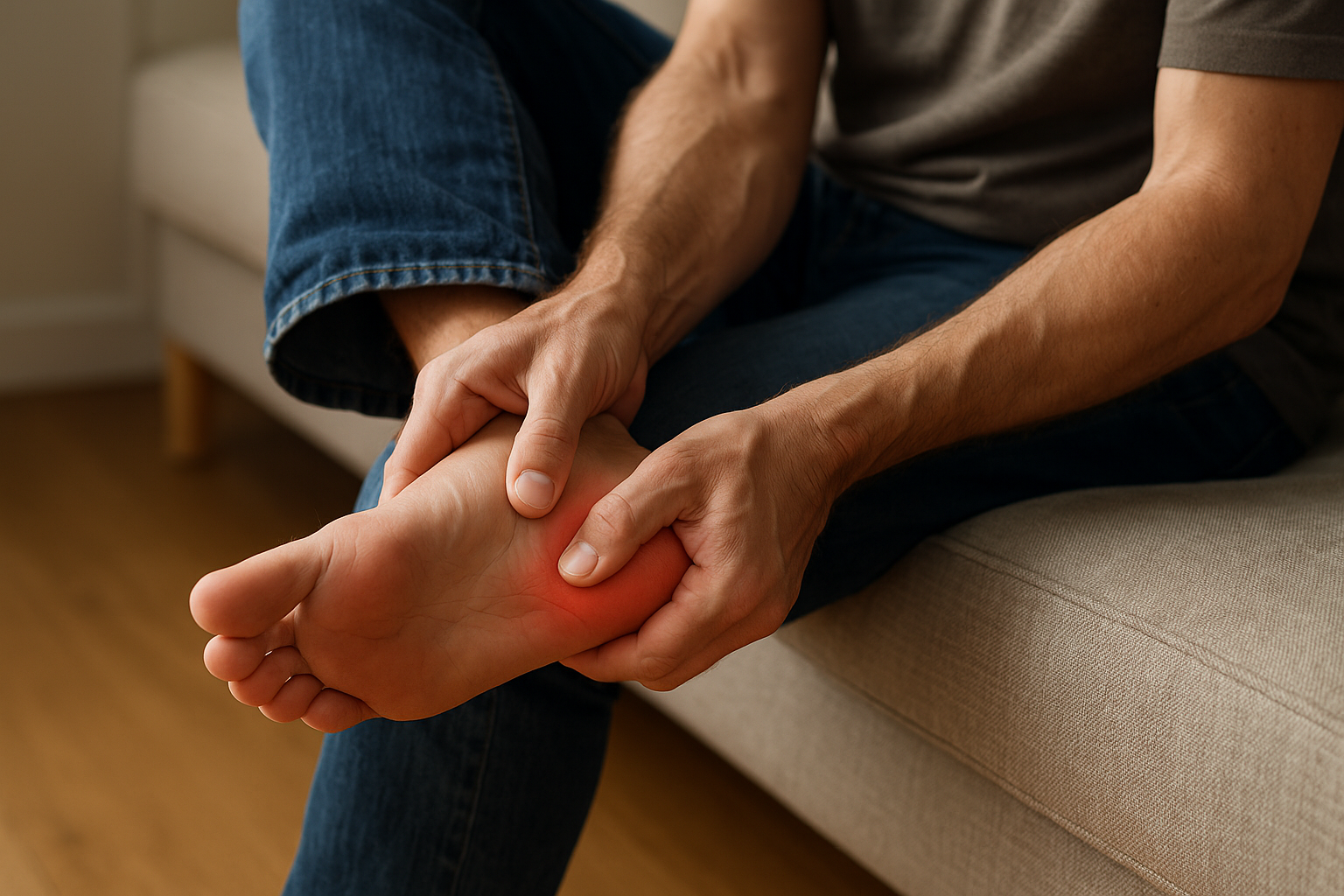
Plantar fasciitis is a condition that occurs when the tendon plate in the foot becomes inflamed and sore. The condition is often experienced as a sharp pain in the area around the heel, especially when taking the first steps after a period of inactivity. Some of the characteristic features of this condition include:
- Pain that is often felt in the morning or after longer periods of stationary rest
- Soreness in the area that can persist during prolonged strain
- A feeling of stiffness that can affect daily movements
It is common to feel that the pain is connected with activities that strain the foot, such as walking, running, or standing work. Many experience that the unpleasant sensation is a constant reminder that the structure of the foot needs relief and care. By having an understanding of what plantar fasciitis involves, there is a reassuring framework for looking at the condition and the challenges it can bring in everyday life.
How does the pain show itself in everyday life?
The pain often appears as a sharp or shooting sensation under the heel with the first steps after rest. Many describe a feeling of stiffness and soreness that may ease a little after brief movement, but that returns after a longer time on the feet or after strenuous activities. The pain can also be experienced as a burning or throbbing sensation, and some notice point tenderness at the edge of the heel when touched.
How widespread is the problem?
Around 10% of the population will experience this form of heel pain at some point. The condition is seen more frequently in people who run regularly, as well as in those who stand or walk a lot in their work. In everyday life, the symptoms often occur as intermittent discomfort, where periods with fewer symptoms may be followed by worsening with increased strain.
What can cause the condition?
Several factors can cause increased strain on the foot. Sudden increases in activity level, hard surfaces, worn or inflexible shoes, and increased body weight are often associated with greater strain on the tendon plate under the foot. The shape of the foot can also matter; both flatter feet and a very high arch can change the strain pattern and thereby affect how the pain presents itself.
How do muscle tension and movement patterns affect it?
Muscles in the lower leg, especially the calf muscles, can become tense and make the foot less mobile, which is often associated with increased pressure on the heel area. Compensation in the walking pattern can lead to extra strain in other areas such as the knee, hip, and lower back, which can create a general feeling of fatigue and discomfort in the legs and back. Reducing tension in the leg and calf can therefore matter for how the local pain is experienced.
Everyday opportunities for relief and easing
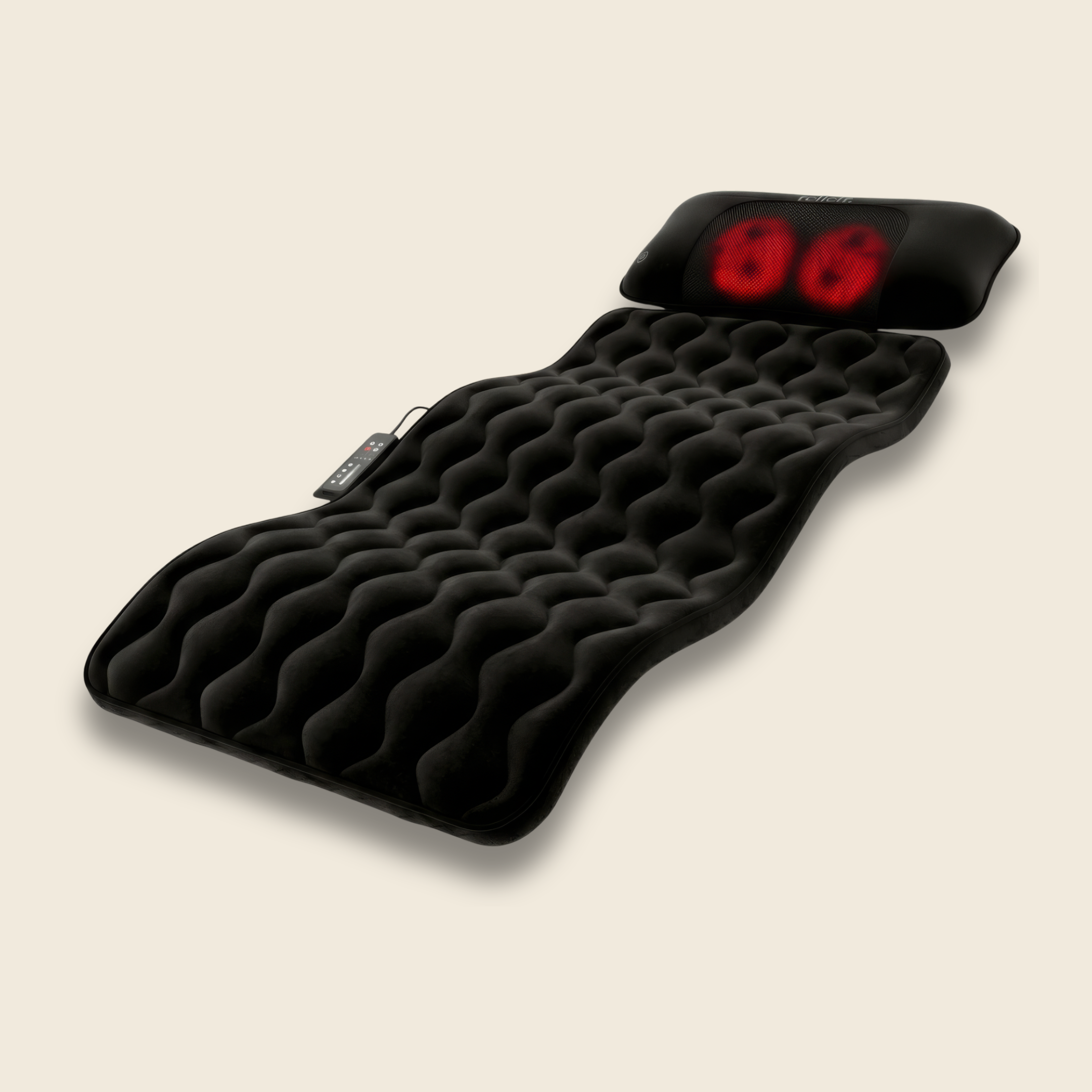
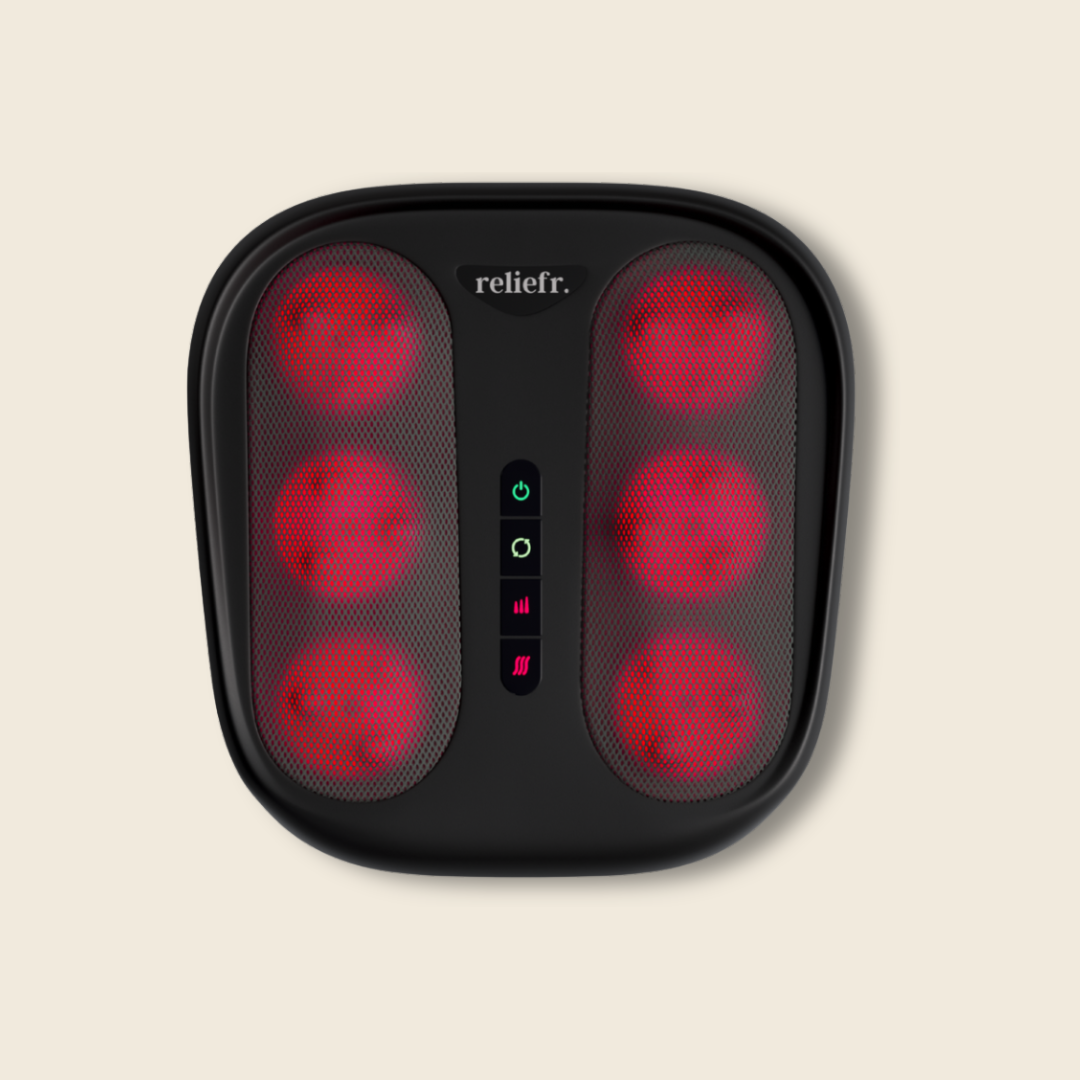
In everyday life, focusing on relief and comfort can make a difference for the pain. The use of shock-absorbing shoes and insoles, breaks from prolonged standing, as well as gentle movement to keep the foot and lower leg mobile can make everyday life more bearable. Heat, massage, or gentle mobilization of the foot and calf can provide temporary relief by reducing muscle tension and increasing the feeling of wellbeing in the foot, leg, and back.
Daily habits that can change the strain over time
In everyday life, it is often small, repeated patterns that change how the foot is strained. Gradual changes in work rhythm, commuting, or leisure activities can lead to variation in where and when pain appears. Small shifts in the walking pattern or in how the weight is distributed between heel and forefoot can over time change the pressure distribution under the foot and thereby affect the symptom experience.
The condition of the shoe and subtle changes
The shoe's sole and heel counter change character after many hours of use. The sole's ability to distribute pressure can weaken, and the stiffness of the heel counter can decrease, which can lead to a different strain on the tendon plate. Uneven wear patterns in the sole can show that the walking pattern has changed, and small differences between the shoes can affect how the strain is distributed from day to day.
The body's daily variations and symptom picture
The experience of pain can vary with factors such as fatigue, fluid balance, and fluctuations in body weight. Increased fatigue in the legs after many hours of standing or frequent short walks can change the sensitivity in the foot and thereby the way the pain is experienced. Small changes in ankle and foot mobility over time can often be associated with changed strain in the area around the heel.
Habits around footwear and movement
The choice of shoes, socks, and how the shoes are laced affects friction and support in daily use. Changes in these habits from season to season or from day to day can lead to variation in how the foot works. In addition, imbalances in movement patterns between the right and left side can show up as asymmetrical wear on footwear, which can be an indicator of changes in the walking pattern.
Frequently asked questions
How quickly can pain from plantar fasciitis change?
Pain can vary from hour to hour and from week to week. Some experience marked fluctuations in connection with changes in activity level, while others notice gradual shifts over longer periods.
Can weather affect the experience of pain?
Some people experience that temperature and humidity can change the sensitivity in tissues and joints, which can result in differences in how pain is perceived from day to day.
What can uneven wear on shoes mean?
Uneven wear can show that the walking pattern or weight distribution has changed. It may be a sign that the strain is not distributed evenly between the feet.
Is it common to have periodic worsening after changes in activity?
Yes, changes in the amount of activity or strain pattern can often coincide with periods when the symptoms become more prominent, and other periods with fewer discomforts.
.