Learn more about your pain

Pain at the back of the heel: What can cause it, and how is it experienced in everyday life?
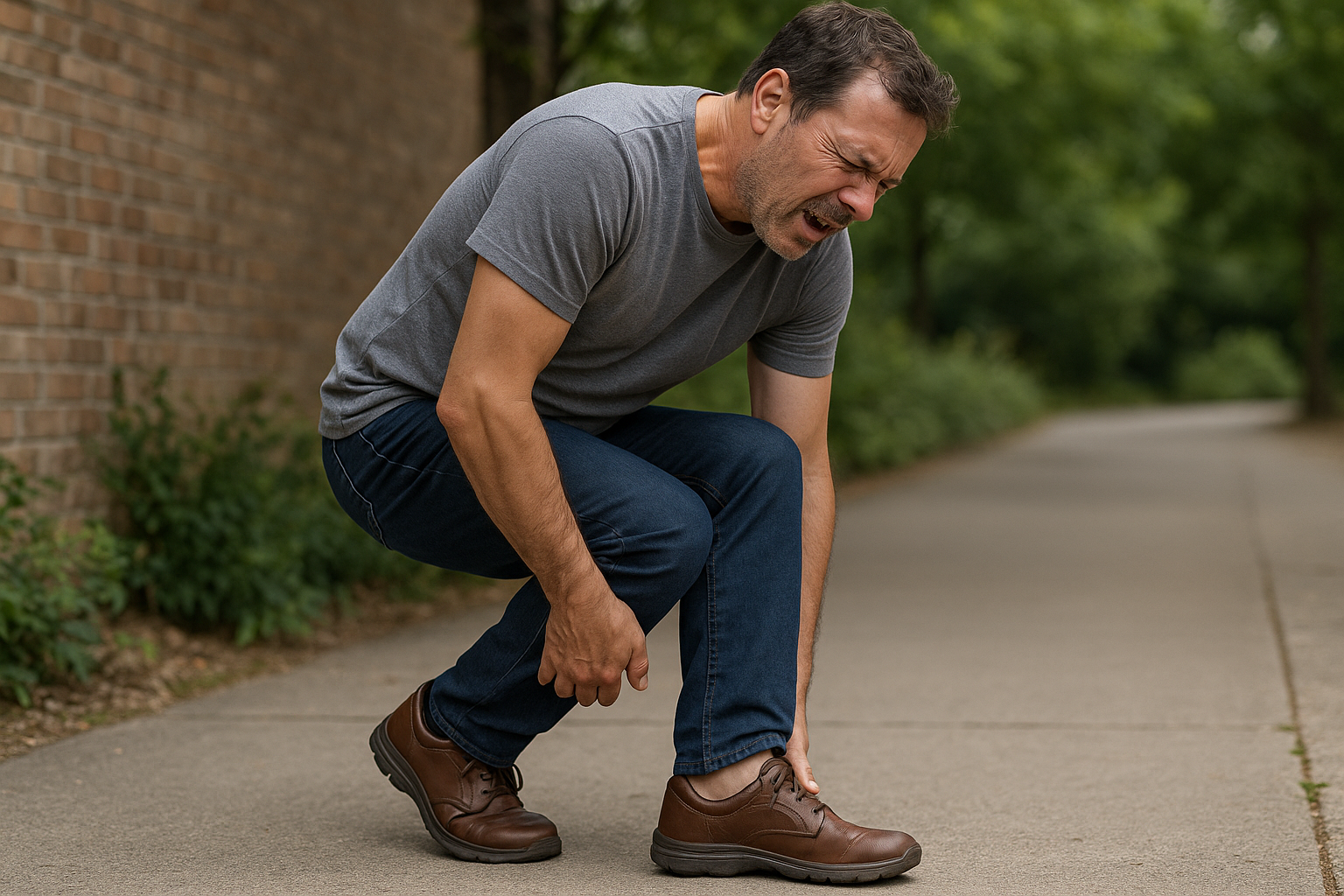
Many people experience pain at the back of the heel as part of everyday life, either when starting movement, during walking, or after prolonged strain. The pain can create an unpleasant sensation that affects both walking pattern and general comfort during the day. For some, the discomfort begins already in the morning, while others notice it most clearly after work, exercise, or longer periods of standing activity. It is common for pain at the back of the heel to be related to repeated strain, pressure from footwear, or the body’s response to inactivity and strain in alternating periods.Several describe that the pain can be mild and temporary, while others experience that it is more persistent and affects daily routines. The area at the back of the heel is exposed to both pulling from the calf muscles and direct external pressure, which can make it particularly sensitive. Therefore, many seek knowledge about what pain at the back of the heel may be caused by and how it is typically experienced in everyday life.When taking a closer look at the experience of pain at the back of the heel, it becomes clear that there may be several explanations. For some, it is a clear reaction to daily strain, while for others it is a more recurring pattern. Consider, for example, factors such as: Repeated strain from walking, running, or standing work Pressure and friction from footwear around the heel counter Tightness in the calf and Achilles tendon that affects the heel area What is pain at the back of the heel?Pain at the back of the heel refers to pain and tenderness located in the area around the rear of the heel, often close to the Achilles tendon. The pain can arise gradually or suddenly and is experienced differently depending on strain, activity level, and individual factors. For many, it is a sensation that becomes clear during movement, but that can also be felt at rest.The pain is often related to the body’s response to repeated movements and strains, where tissues and tendons are exposed to pulling and pressure over time. For people who experience this regularly, it becomes part of everyday life, which can affect both walking comfort and choice of footwear.Common mechanical causes in the heel areaPain at the back of the heel is often associated with tightness or irritation in the Achilles tendon and the surrounding tissue. Repeated movements can lead to increased tension in the tendon, which can cause tenderness and discomfort. Pressure from shoes with a stiff heel counter can also worsen the sensation, especially if the area is exposed to friction during the day.Reduced mobility in the ankle or tight calf muscles can also play a role, as this increases the pull on the heel during walking and strain. In periods of increased activity, the area may therefore feel extra sensitive.How does the pain typically present itself?The pain at the back of the heel can be experienced in several ways. Some notice a stabbing or cutting sensation during movement, while others experience a duller and more persistent soreness. The pain may be most pronounced with the first steps after rest or arise gradually during the day.For some, the discomfort decreases when the body warms up, while for others it worsens with continued strain. In some cases, the area may feel tender to the touch or slightly swollen, which can make footwear uncomfortable to wear.How common is pain at the back of the heel in everyday life?Pain at the back of the heel is relatively common and is seen in both physically active people and those with more sedentary work. The problem can occur across age and activity levels and is often related to changes in strain, footwear, or daily routines.It is also seen that the pain can occur together with tension elsewhere in the legs, especially in the calves and ankles, where the overall strain affects the heel area.Variations in heel pain and its characterPain at the back of the heel can vary in both location and intensity. Some experience the pain very locally at the back of the heel, while others notice that it extends up into the Achilles tendon or down toward the foot. The sensation may be most bothersome at startup, under strain, or as a persistent soreness throughout the day.There can also be differences in whether the pain is experienced as sharp, pressing, or burning. These variations mean that the experience is not the same from person to person and can change over time depending on daily habits and strain..
Learn more
Pain on top of the foot: Common causes and how you relieve it
Many experience an unpleasant soreness or pain developing on the top of the foot, which can disrupt their daily activities. This discomfort is often seen when the foot is loaded carelessly or when the footwear does not provide sufficient space and support. It is common to feel some degree of swelling or stiffness after long days, and the discomfort can affect both walking and activity level. In everyday life, the pain can appear when one has been on one's feet for a longer time or after activities where the foot has been strained. It is therefore important to have knowledge of what may underlie the discomfort and how one can generally take care of one's feet to reduce the irritation.Whether one is active and plays sports or has sedentary work, many find that pain on the top of the foot can arise suddenly or develop over time. Sometimes the daily strain, for example from the wrong shoe size or insufficient foot strength, can lead to increased soreness and at times swelling in the area. A factual understanding of how these signals from the foot arise can help reduce the general feeling of discomfort and ensure better daily comfort.What is pain on the top of the foot?Pain on the top of the foot refers to a condition where the area on the upper part of the foot experiences soreness, swelling, or pain with movement. The symptoms can vary from mild discomfort to more pronounced pain felt when walking or bearing weight. Many find that the pain subsides with rest, but that it returns as soon as the foot is used again. The discomfort can often be linked to everyday activities where the foot runs into problems due to incorrect loading or unsuitable footwear.It is common for the pain to be experienced in the area on top, where muscles and tendons lie close to each other. When these structures are exposed to repeated loads or pressure, they may experience symptoms such as soreness and swelling. This type of pain often arises as a result of the foot's natural mobility and balance being disturbed by overexertion. At the same time, the discomfort can make daily activities more challenging, which leads many to seek knowledge about how they can best remedy the problem.By having a basic understanding of what underlies pain on the top of the foot, a safe framework is created for how one can navigate one's own everyday life with the discomfort. This knowledge makes it easier to take the necessary precautions so that one can both prevent and relieve the type of pain that occurs with overloading of the foot.Causes of pain on the top of the footPain on the top of the foot often appears as a result of irritation processes in tendons and tension in the muscles located on the foot and the front of the shin. Pressure from shoes or laces that are too tight can create localized discomfort, and repeated movements when walking or running can increase the load on the top of the foot. Nerve pressure between tissues or from shoes can also cause a stabbing or tingling sensation, while swelling in the tissue can make it difficult to put on shoes without extra pressure.How does pain on the top of the foot present itself?The pain can be experienced as soreness, local warmth, and a feeling of stiffness, especially after periods of strain. Some find that the pain is felt more clearly when the toes are bent upward or when the lacing on the shoes is tight. Others may notice an incipient soreness after rest, which then worsens with use. Changes in sensation, for example tingling sensations or reduced feeling, can occur when there is pressure on nerves.How common is it in everyday life?Many encounter pain on the top of the foot during life, both among people with a high activity level and those who stand a lot at work. It is common for the condition to arise during periods of changed activity or changes in footwear. The age distribution is broad; young active people can feel pain after sports, while adults with prolonged standing work often describe soreness after the workday.What can affect the intensity of the pain?Several everyday factors are often related to how the pain feels: uniform movement patterns without variation, sudden increases in activity level, weight changes, and shoes with stiff materials can all affect the extent of the pain. Muscle tension in the calf and foot can pull on the tendons on the top side and thereby intensify the discomfort. Environments with many stairs or uneven surfaces can increase the load on the instep.Variations in where and how the pain is feltThe pain experience can vary from sharp pinpoint soreness near the toes to diffuse pressure in the middle of the instep or along the inside toward the ankle. Tenderness to touch, a feeling of tightness, and reduced mobility can occur in the feet, ankles, and legs at the same time. In some cases, the discomfort is most evident during activity, while others experience constant tension that affects daily movement and well-being.What one can be aware of in everyday lifeIn daily routines, small details can matter for how discomfort on the instep develops over time. Materials in shoes and socks, seams, and pressure points from laces or buckles can create local irritation, while wear patterns in soles gradually change the distribution of load. Temperature and humidity in shoes can affect tissue comfort and sensory experience, and work or leisure environments with many hard surfaces can cause more repeated strain than softer surfaces.Habits that can play a roleRepeated movements in everyday life are often related to how the discomfort develops. One-sided ways of standing or carrying weight can change the load over time, and frequent use of the same pair of shoes day after day can reduce variation in the load. Mental tension can present itself as increased muscle tone in the lower leg, which in some cases can contribute to a feeling of tightness on the top of the foot. The shoe's inner finish and seams can create local irritation or pressure Wear patterns in the sole often change contact points and pressure distribution Frequent standing work or repeated movements without variation can affect the load Changes in weight distribution from bags or work tools can affect the foot's load pattern Temperature and humidity in footwear can change comfort and sensory experience Overall considerations without concrete adviceIt can be useful to pay attention to patterns rather than individual incidents. Long-term habits and small repeated influences can change how the area is experienced, and variation in daily relations to footwear and the surface can make a difference to how symptoms develop over time. With us, many notice that observing patterns in discomfort gives a clearer picture of the connections in everyday life.Frequently asked questionsWhy can pain in the instep come and go without an obvious reason?Pain can vary in intensity depending on daily fluctuations in load, footwear, and the body's own state of tension. Small changes in daily patterns can make the discomfort be experienced differently from day to day.What can a tingling sensation on the top of the foot indicate?Tingling sensations can be related to pressure on nerves or changes in tissue irritation. How the sensation is experienced can vary with pressure, contact points, and materials in the footwear.When is it normal to notice changes in pain through the week?Variations during the week can appear in connection with differences in activity, changes in footwear, or work routines. Patterns in when the discomfort occurs can help understand which daily conditions play a role..
Learn more
Foot massage machine: What can it do for sore and tired feet?
Many experience sore and tired feet after a long day of physical activity, whether due to standing work or long walks. For those looking for a way to relieve the discomfort at home, foot massage machines appear as a practical solution. It is common to feel fatigue and mild pain in the legs and feet, and this can often lead to everyday life being marked by a persistent feeling of exhaustion. A foot massage machine can provide a pleasant break, where the machine’s functions contribute to a relaxing moment that can already be felt during use.One of the most remarkable effects of regular foot massage is improved blood circulation. It is known that increased blood flow can help relieve tension and reduce the feeling of stiffness. At the same time, the gentle massage can have a calming effect and create a sense of well-being, which can be especially important for those who experience stress in their daily lives.Most people have at some point tried to find methods to manage daily fatigue and the minor pains that can appear in the feet. The use of a foot massage machine provides a non-invasive opportunity to give the feet a break while also stimulating the areas that may feel particularly sore. The experience of pleasant pressure on the foot’s reflex zones can contribute to a general feeling of relaxation, and this is why many seek information about how these devices work and what technology they use.When experiencing discomfort in the feet, it is important to be aware of the tools that can relieve the symptoms in a simple way. This is especially relevant when considering how everyday activities and prolonged strain can affect one’s comfort. A home solution that offers the possibility of stimulating the well-being of the feet can therefore be a great help in a busy everyday life.What is a foot massage machine?A foot massage machine is a device designed to provide targeted massage of the feet through various technologies. The machine can use techniques such as shiatsu, heat treatment, and air compression to create a pleasant massage experience. It works by stimulating pressure points on the foot, which can help relieve both soreness and tension. Many models offer adjustable programs that adapt to the individual user’s needs, and they can often be combined with other wellness products in the home. Please note that the machine’s functions stem from a combination of modern technology and simple but effective massage principles, which over time are intended to strengthen the feeling of well-being and ease everyday discomfort.How different massage principles work against pain and muscle tensionDifferent principles in a foot massage machine target pressure, movement, and heat to affect soreness and tension. Shiatsu-like movements imitate the pressure of fingers on specific points, rolling mechanisms massage along the length of the foot, and vibration can loosen tight muscle fibers in the arch and toes. Heat increases the feeling of relaxation, while air compression squeezes and releases around the foot to create alternating pressure sensations. Together, these elements provide a targeted effect on the foot’s soft tissue, which can be experienced as immediate relief and subsequent reduced stiffness.How does the pain often show itself in everyday life?Pain and tension in the feet typically show themselves as persistent soreness after long periods of standing or walking work, stiffness in the morning, and fatigue in the legs during the day. Many also experience increased sensitivity in the heel, arch, and toes, and these discomforts can often be connected with a limited desire to go for walks or stand for longer periods. When foot problems continue, it is often felt as increased fatigue in the calves and ankles, and in some cases it can affect the back, neck, and shoulders through altered posture.What can affect the need for regular massage?The need to use a foot massage machine can be affected by daily habits and strains. Long workdays spent standing, frequent walking on hard surfaces, heavy work, and shoes without sufficient support are often associated with greater demands on the feet. Age and general physical condition can also play a role, just as stress and lack of rest can make muscles in the legs and feet more tense. Using massage at home can be a way to relieve when these factors lead to persistent discomfort.Variations in functions and which areas they targetMachines vary in focus and intensity; some models concentrate on the whole foot, others pay extra attention to the heel, arch, or toes. Some units extend upward and also affect the ankles and calves, while others are more compact and only cover the feet. The choice of function matters for which areas are felt the most — from local pain relief in the feet to a broader feeling of relaxation in the legs, ankles, and in some cases an effect on the back and shoulders through reduced tension.What you can pay attention to in everyday lifeWhen a foot massage machine is part of daily life, there are several conditions that can affect both the experience and the duration of the effect. Comfort and fit are often related to how the feet feel after use, because differences in foot size and width can change which areas receive the most pressure. Likewise, the choice of materials in covers and padding can affect immediate comfort and how the use of the machine is experienced over time.Small practical conditions regarding placement and storage often matter for how easy it is to use the device in a busy everyday life. Noise level, size, and weight can affect whether the machine is used regularly, as these elements can make use more or less convenient in different rooms. Moisture and cleaning: surface materials can react differently to sweat and moisture, which shows itself as changes in textile or odor over time. Usage pattern: shorter or longer sessions can be experienced differently depending on personal preferences and daily routine. Storage conditions: temperature and dust in the room can affect the machine’s lifespan. Compatibility with footwear: some use the machine without socks, others with them, and this can change the feeling of pressure. Mobility: if the machine needs to be moved often, weight and handles are factors to pay attention to. Over time, small changes in daily habits can affect how the feet react to stimulation from a machine. Individual differences in sensitivity mean that what feels soothing to one person can feel less pleasant to another. This variation is normal and shows itself as different preferences for intensity and duration.Frequently asked questionsHow does the noise level affect use?The noise level can play a role in where and when a foot massage machine is used. For some, background sounds may be unproblematic, while others may experience noise as disturbing in quiet rooms.How long a lifespan can one expect?The lifespan varies depending on the model, material, and frequency of use. Wear on moving parts and textiles can appear gradually, and regular attention to cleaning and storage typically affects longevity.Can materials in covers cause reactions?Some people may be sensitive to certain textiles or foam types. This can show itself as irritation or discomfort on contact, and it is common to check material descriptions to avoid unwanted reactions.Is size important for storage?Size matters for how easily the machine fits into the home. Compact models take up less space, while larger units may require dedicated storage space between uses..
Learn more
Foot massage roller: How can it relieve tired and sore feet?
Many experience that their feet become tired and sore after a long day, whether it is due to work or leisure activities. It is common to feel discomfort and stiffness, which can impair daily comfort. A simple and accessible method to relieve these issues is with the help of a foot massage roller. By using a simple tool to stimulate the feet, many can experience an increased feeling of relaxation and improved well-being.It is not unusual to hear about experiences with foot massage rollers, as they are widely used in everyday life to create a more comfortable foot condition. No advanced techniques or complicated handball rules are needed to benefit from this method. The tool is easy to use at home and provides the opportunity for a gentle massage that can be connected with a relaxed evening routine after a busy day.What is a foot massage roller?A foot massage roller is a tool designed to stimulate and massage the feet by gently rolling them back and forth over the surface. The simple design makes the tool easy to handle and ensures that you can easily achieve a pleasant feeling of relaxation. By using the roller, one can target built-up tension in the feet and thereby reduce the overall degree of discomfort.The experience of the foot massage roller is often perceived as an effective method for easing pressure in the feet and increasing blood circulation, which can help reduce the feeling of tired and sore feet. It is common for people with an active everyday life or those who have sedentary working hours to seek knowledge about how they can best relieve foot discomfort with a simple tool that is easy to integrate into the daily routine.By rolling the foot back and forth over the roller, the tool works by stimulating the areas where tension often builds up. The simple but effective technique leads to a feeling of released tension, which for many is experienced as a help in achieving better foot comfort in everyday life.How does a foot massage roller work?A foot massage roller works by mechanically stimulating the surface under the foot, which can increase local blood circulation. Use of the roller leads to increased blood flow in the area being massaged, and this can be experienced as a warming and relaxing sensation. At the same time, touch and pressure against reflex areas on the sole of the foot can affect nerve signals, which often appears as reduced tension in the foot itself and a general sense of well-being.The stimulation can also reduce muscle tension in the small muscles under the foot, so that stiffness and soreness may feel less pronounced. In addition, the tactile effect can promote the release of endorphins, which can provide a feeling of pain relief and calm. Overall, these effects mean that a foot massage roller can have a soothing effect after long periods of strain.Typical issues with tiredness and soreness in the feetTired feet and local tensionTired feet often appear as heaviness, soreness under the foot, and a feeling of tension in the foot's muscles. The pressure often gathers in the arch, heel, and forefoot, and use of a roller can target these areas to loosen them and reduce local discomfort.Poor blood circulation and cold feetSome people experience cold or 'asleep' toes after sedentary work or prolonged standing. When blood circulation is reduced, the area can feel stiff and less sensitive. Rolling can for many feel invigorating by stimulating circulation and making the feet feel warmer and more awake.Muscle tension that extends to the legs and backTension in the feet is often connected with tension in the legs, back, neck, and shoulders, especially with repeated strain or poor relief. When the feet feel less stiff, it can be experienced as a chain reaction that also affects comfort in the legs and back in everyday life.Use in everyday life and variationsFoot massage rollers are used in many everyday situations: after work, after training, or as part of the evening routine to reduce soreness. Use varies between short, light rounds and longer, more targeted sessions depending on how tired the foot is. Patterns of use are often related to type of work and activity level; people with a lot of standing work more often report a need for relief than those with especially sedentary workdays.In addition, many find that the combination of roller and attention to relief in shoes and rest can change daily comfort. Variations in pressure and tempo when using the roller appear as different degrees of relaxation and relief, depending on how the feet feel before use.Daily factors that can affect foot comfortOnce the effect of a foot massage roller has been explained, it can be useful to direct attention to habits and surroundings that may matter over time. Small and repeated influences in everyday life appear as changes in how the feet feel at the end of the day. These conditions can affect the experience of tiredness, soreness, and stiffness without necessarily being immediately visible.Factors one can pay attention to Prolonged standing or repeated strain: may be experienced as increased pressure in the heel and arch over time The fit of the shoe and support from the sole: appears as differences in weight distribution on the surface of the foot Surfaces in everyday life: hard floors can lead to increased local fatigue in foot muscles Rest patterns and sleep quality: can affect the body's perception of strain the next day Temperature and blood circulation in the feet: cold feet can feel stiffer and less sensitive How habits can play a role over timeRepeated movements and fixed routines are often connected with how pain and discomfort develop. Slow changes in daily patterns can affect the foot's response and the way one experiences relief from different measures. The use of simple tools at home is part of a larger daily context, where both patterns of activity and recovery play a role in overall comfort.General considerations without detailed adviceIt may be relevant to observe changes in symptoms over weeks and months, as small variations in everyday life can often affect how the feet feel. Sensitivity to materials, differences in activity level, and seasonal conditions can all matter. At Reliefr, we often receive questions about which conditions people should be aware of in their everyday lives when evaluating the effect of a foot massage roller.Frequently asked questionsHow do you choose the right foot massage roller?The choice often depends on personal preferences for size, firmness, and material. Many consider how the roller feels against the skin and whether the shape fits the contours of the foot. The decision may depend on which areas of the foot one primarily wants to reach.Can foot massage rollers be used by everyone?Foot massage rollers are widely used, but individual factors such as skin sensitivity or previous injuries may mean that some people react differently. It is common to choose based on how one personally experiences pressure and comfort.How often does it make sense to use a foot massage roller?Usage patterns vary greatly between individuals. Some experience an effect with shorter, frequent sessions, while others prefer longer and less frequent use. Frequency is often related to daily activity and one's own sensitivity.
Learn more
Calf massage at home: How to relieve sore muscles with simple techniques
Many experience sore calf muscles after long days or after an intense workout. It is common for calf and muscle tension to lead to a feeling of discomfort that can affect daily well-being. Many find that a calf massage performed at home can create a feeling of relief and increase relaxation. By using simple massage techniques, it becomes possible to stimulate blood circulation and thereby reduce the tension, which can contribute to a more balanced everyday life. This type of practice is popular because it provides a practical approach to handling tired muscles and reducing the unpleasant sensations that often arise after prolonged physical exertion or a workday with many hours in a stationary position.What is calf massage?Calf massage is a method where various techniques are used on the muscles in the calf to loosen tension and promote relaxation. It is not about medical treatment, but about creating a pleasant and relaxing experience in everyday life. Calf massage often uses gentle pressure and kneading techniques, which can provide noticeable relief from soreness and fatigue.Some of the available techniques for calf massage can be described with the following points: Gentle circular massage from ankle to knee Light kneading of the muscles to loosen tension Shaking the sore areas to stimulate blood flow These movements can help reduce the feeling of tightness and provide a more pleasant sensation in the legs. Many find that a regular massage, performed at home, makes it easy to notice the difference when everyday life becomes busy or the muscles feel overworked. A simplified approach makes it possible to take a few minutes to focus on the body's signals without having to leave the safe surroundings of home.Calf massage appears as a method that is both easy to learn and practical to integrate into everyday life. By using the mentioned techniques, one can easily relieve minor discomfort and achieve a feeling of calm and well-being that supports the natural balance between relaxation and activity.How does the need show itself?The need for calf massage shows itself as soreness, tension, or a feeling of tightness in the lower leg. Some experience local cramps or fatigue after physical activity, while others feel stiffness that comes gradually after long periods of standing or seated work. The symptoms can be experienced differently from day to day and can be described as either sharp discomfort or a more diffuse, pressing sensation.How frequently is it experienced in everyday life?It is common for people to feel the need for relief in the calves in connection with daily activities. After a long workday on their feet or after running and cycling, the level of tension can be higher, and many seek simple ways to create immediate relief and well-being. The need can also arise with repeated strain over time, where the calves feel sore without a clear single cause.Factors that can affect the level of tensionSeveral conditions can often be related to how much tension you feel in your calves: The extent of physical activity such as running, interval training, or prolonged cycling The nature of the work, especially long periods of standing or sitting Choice of shoes and surface during daily activities Stress and sleep quality, which can make muscles more sensitive Hydration and nutrition, which can affect muscle comfort Connection with other body areasTension in the calves is often connected with tension in other areas such as the back, neck, shoulders, legs, and feet. When one muscle group is tense, it can change the way one moves and lead to compensatory tension elsewhere. Therefore, a focus on the calves can be experienced as part of a broader feeling of muscular discomfort in the body.Variations in how the effect is experiencedPeople experience different degrees of relief after calf massage. For some, quickly noticeable relief and improved freedom of movement come, while others experience a more gradual change over several days. Increased blood circulation and the release of wellness substances in the body can play a role, and how one feels the effect is often connected with the time of day and how tense the muscles were before the effort.What you can pay attention to in everyday lifeDuring an ordinary day, small patterns can appear that matter for the effect of calf massage over time. Many notice that sensitivity in the calves shows itself as periods of increased stiffness at the end of the day or after prolonged repetitive movements. Others find that one calf muscle reacts differently than the other, which can show itself as uneven tension or differences in the degree of soreness.There are also daily conditions that can affect how the body experiences massage. Temperature, sleep rhythm, and how much the legs rest during the day can play a role and can over time affect how the muscles feel to the touch. The sensation can shift from mild soreness to a heavier, more widespread feeling, depending on which daily habits are present.Habits and patterns that may be relevantPersonal habits often influence how the calves react. Repeated movement patterns or strain in specific situations can lead the muscles to get used to a certain tension, which can make changes appear slowly. At the same time, regularity in self-care may differ from sporadic effort, as the body often responds differently to frequency and consistency.Another factor to be aware of is asymmetry in everyday movements. For example, when one unconsciously favors one leg, this can often be associated with increased local tension in the other calf muscle. Such patterns can be difficult to spot without observing daily movements over time.Long-term conditions without concrete solutionsOver months, repeated minor strains can change how the calves feel in everyday life. Changes may be experienced as varying needs for relief or as differences in how pleasant massage feels. It is common for family-related and work-related routines to play a role in these patterns, and for the effect of a single effort to be temporary rather than lasting.If you want to explore products related to calf massage, you can find relevant solutions with us at https://reliefr.dk/collections/leg-massage or in selected product categories at https://reliefr.dk/collections/massage.Frequently asked questionsHow can I perform an effective calf massage at home myself?Many seek practical approaches to self-massage. In general, it is about adjusting the intensity according to what feels appropriate and paying attention to how the muscles react before and after. Variation in techniques and frequency can make the experience differ from person to person.Which tools can make calf massage easier?Different tools are often used to change pressure distribution and contact surface. Some prefer softer surfaces, others use firmer rollers. The choice of tool matters for how pressure and movement are experienced and can be a matter of personal preference.How long does the effect of a single massage typically last?The effect of a single massage may be temporary for some and more long-lasting for others. The effect can be experienced differently depending on daily strain and individual differences in muscle response, and how one experiences relief can vary from time to time.When is it relevant to change your calf self-care routine?People often consider adjusting their approach when patterns in daily sensitivity change, or when one type of effort no longer produces the same effect. Such considerations are often related to the length and nature of daily strain..
Learn more
Where is heel spur located? Placement, symptoms and the difference from plantar fasciitis
Many experience discomfort in the heel, and it is common to seek information about where a heel spur is located when the pain becomes persistent. Heel pain can affect daily life, as for many it leads to an unpleasant start in the morning and a general deterioration of the foot's comfort. Especially during periods of increased physical activity, this condition can create uncertainty about what is actually causing the discomfort. Many have experienced that the pain subsides after the first few steps, which can make it challenging to understand whether there is a more long-term cause behind the pain. This type of bony growth is often anchored at the area where a large tendon meets the heel bone, and it can therefore help confuse those who experience both stiffness and pain in the foot.It is not uncommon to begin experiencing pain as a result of a heel spur without knowing it, during periods of increased strain or with repeated strain on the foot. The experience of pain in the heel can raise questions about where it is precisely located and how this condition differs from other foot-related discomfort. It is often seen that the symptoms are more pronounced when the foot has to bear weight after a long period of rest, which leads many to seek answers and understanding of what they are actually dealing with. This curiosity and the need for a factual explanation of the heel spur's location are supported by a desire to find methods to manage the daily strain and reduce the discomfort.What is a heel spur?Heel spur refers to a small bony growth that forms on the front of the heel bone, near the place where a significant tendon meets the foot. This bony growth can be experienced as a hardened calcium deposit and is often seen more clearly on an X-ray examination. It is noteworthy that this condition can sometimes be confused with inflammation in the tendon, as both conditions typically cause pain, especially in the first steps in the morning. Some of the common characteristics of heel spur include: A growth located at the attachment of the large tendon under the foot Pain that is often felt at the start of the day and decreases with movement Frequent confusion with inflammation at the tendon attachment It is important to understand that by its nature, heel spur concerns a change in bone growth and not directly an inflammatory condition. This differentiation means that although the symptoms may be similar, the approach to managing the discomfort is often shaped by the specific location and the type of strain the foot is exposed to in everyday life.Where is the pain most often felt?The pain typically appears under and in front of the heel, close to the place where the plantar fascia attaches to the heel bone. Many describe a sharp stab during the first steps after rest, which may then subside and develop into a throbbing or pressing sensation during prolonged walking or standing work. The pain can also radiate toward the midfoot or up into the calf, and in some cases the entire load pattern in the feet, legs, and back is affected.How is it experienced in everyday life?In everyday life, the condition often shows itself in that activities requiring prolonged standing or many steps feel heavier than normal. Morning movements can be especially challenging, and short breaks can provide temporary relief. Repetitive movements such as long walks or running can lead to increased discomfort the following day. For people who stand a lot at work or walk on hard surfaces, the discomfort is often linked to load patterns in everyday life.Factors that often cause increased painThe intensity of the pain can be affected by several factors: increased weight on the feet, long-term standing work, frequent running training or repeated jumping and leaping, as well as the use of shoes without sufficient support. Age also matters, as the incidence increases with age. Misloading of the foot, where the weight is distributed unevenly along the edge of the foot, is often associated with greater strain on the heel and thus higher pain in everyday life.Muscle tension that arises with altered walkingWhen the heel hurts, the gait pattern often changes to avoid pain. This may appear as increased tension in the calf and in the muscles under the foot, and in the long term such changes can affect muscles around the knee and back. The tensions can be felt on the underside of the foot, in the calf muscles, and as stiffness in the back after longer activity. These secondary tensions can make it harder to find comfort in daily movements.Relief in everyday lifeRelief often involves changing the load in daily situations: reducing prolonged standing, varying working positions, and choosing footwear that provides more support when walking. Less strain during periods of worsened discomfort can make it easier to maintain the joy of movement, and attention to weight distribution while walking can reduce tension in the feet, legs, and back..
Learn more
Pain in the feet: Common causes and relief in everyday life
Many experience pain in the feet, and it is not unusual to feel persistent soreness or stiffness after a long day. The pain can manifest itself in different ways and in several parts of the foot – from the heel to the forefoot. Without going into detail about specific causes, this experience often gives rise to a search for information and advice on how best to manage the discomfort in everyday life. It is common that with age or with frequent activity one notices that the foot's comfort can be challenged, which leads to a desire for a simple and practical approach to relief.What is pain in the feet?Pain in the feet covers different types of discomfort that can be expressed through soreness, stiffness, or a penetrating, nagging sensation. This form of pain is often experienced when the foot is exposed to repeated strain or when daily activity leads to an unbalanced use of muscles and tendons. Sometimes the pain can be felt most clearly after periods of great activity, while for others it may occur more sporadically, but still affect daily life negatively.In daily life, foot pain may seem like a result of both physical activity and the choice of footwear one uses. The pain can arise when the foot's natural movement pattern is exposed to extra pressure, which is often experienced as an unstable sensation in the arch of the foot or an immediate discomfort at the start of the activity. Many notice that even a short walk can become a challenge if the pain intensifies, and it can be difficult to find the right balance between activity and rest.It is common to seek knowledge about the subject, as understanding what foot pain covers can create a reassuring sense of having control over one's own well-being. By knowing the different expressions of pain – whether it is a throbbing feeling, intense pain during certain movements, or a more diffuse discomfort – one can more easily identify which aspects of the daily lifestyle need a little more attention. This insight can provide a good framework for trying self-help methods that support the desire for an easier and more comfortable everyday life.Causes of pain in the feetPain in the feet often shows itself as a result of repeated strain or imbalance in the way the foot is used. Overuse from prolonged standing or many steps, altered gait, and shoes without sufficient support can lead to local soreness and muscle tension. Body weight and changes in activity can also matter, just as natural aging can make tissues and joints less flexible. In some cases, there are local structural changes that alter the load in the heel, forefoot, or midfoot, and this may be a contributing cause of persistent discomfort.How does foot pain show itself?The pain can be experienced differently from person to person. Some feel a sharp pain with certain steps, others experience a more diffuse, dull soreness after activity. Typical expressions of pain include stiffness in the morning, increased sensitivity during prolonged walking, and local tension in muscles and tendons. The intensity of the pain can vary throughout the day and is often linked to load patterns and the foot's position during movement. The location of the symptoms may be centered around the heel, forefoot, or toes, but tension may also be related to the legs, back, and shoulders.How widespread is it in everyday life?Foot pain is a common problem that many experience to a greater or lesser degree. It is common among people with physically demanding work, people who walk a lot daily, and those who have increased activity levels. Although one rarely talks about numbers, it is common to hear about foot pain in different age groups, from younger active people to older individuals, where comfort and mobility can become more challenged.What can affect pain in everyday life?Several daily conditions can affect how the pain is experienced and persists. This concerns: use of shoes with poor support or incorrect fit the amount and type of physical activity the hardness of the surface, for example hard floors at work body weight and changes in daily movement the presence of muscle tension in the legs, back, or neck, which changes gait and load These conditions can increase the load on the feet and make it harder to find daily relief and pain relief, especially when several factors occur at the same time.What to pay attention to in everyday lifeIn everyday life, it is often the small, repeated patterns that matter for how the feet feel over time. How one distributes weight during standing working hours, variation in movement throughout the day, and the way one relates to fatigue and rest can all affect comfort. There are also a number of practical matters around care and observation that may be relevant to keep an eye on without seeking specific solutions.A number of elements can be useful to note as indicators of changes in the condition of the foot. The condition of the skin and nails can show signs of pressure or irritation, and changes in sensation in the different parts of the foot can indicate that the load is shifting. At the same time, tension in the legs, hips, or back can influence gait and thereby affect how the load is distributed over time. The connection between daily rhythm and foot comfort, for example long periods in the same working position Changes in activities from day to day, which alter load patterns The condition of the skin and nails as an indicator of local irritation General muscle and joint tension in the lower body, which can affect gait and posture Massage and touch can be experienced as a way to create well-being in the foot and provide immediate relief for many. In an everyday life where time is limited, attention is often about becoming aware of patterns rather than looking for quick solutions. Over time, the way one organizes one's days and which small habits one repeats can be closely linked to the experience of both discomfort and relief.It can be reassuring to gather information and compare one's own experiences with general descriptions of foot comfort. At Reliefr, one gains insight into how products for massage and support are used in everyday routines, without the focus being on individual measures.Frequently asked questionsWhat can provide quick temporary relief?Immediate measures such as short-term rest, relief from pressure, and gentle massage can provide temporary relief for many. The effect varies according to cause and intensity, and such measures are often experienced as temporary.What are the most common causes of pain in the feet?In general, repeated strain, changes in gait, and local structural changes are among the most frequently mentioned causes. These conditions affect how weight and movement are distributed in the foot.Can pain be prevented without a doctor's visit?There are many daily habits and choices that matter for the foot's comfort. Being aware of patterns in activity, shoe choice in a broad sense, and regular observation of the condition of the foot can play a role in prevention over time..
Learn more
Pain in the plantar fascia: What can cause it, and how is it experienced in everyday life?
Many people experience pain in the plantar fascia as part of everyday life, either with the first steps of the day, أثناء walking, or after prolonged strain. The pain may appear as a sore, tight, or stabbing sensation under the foot and can affect both walking pattern and general comfort during the day. For some, the discomfort begins already in the morning after rest, while others notice it most clearly after work, exercise, or many hours on their feet. It is common for pain in the plantar fascia to be related to repeated strain and the way the foot is used in daily life.Several describe that the pain can be mild and temporary, while others experience more persistent discomfort that affects daily routines. The plantar fascia plays a central role in the foot’s function and stability, and when it begins to send signals, attention is often directed toward strain, footwear, and movement. Therefore, many seek knowledge about what pain in the plantar fascia may be related to and how it is typically experienced in everyday life.When taking a closer look at the experience of pain in the plantar fascia, many point to factors such as: Repeated strain from walking, running, or standing work Lack of variation in daily movements Increased strain after changes in activity level What is pain in the plantar fascia?Pain in the plantar fascia refers to pain and tenderness located along the underside of the foot, often from the heel area toward the forefoot. The pain can develop gradually over time or become apparent after periods of increased strain. For many, it is a sensation that is especially noticeable during movement, but that can also be present at rest.The pain is often related to the body’s response to repeated movements, where the plantar fascia is exposed to pulling and strain throughout the day. When this repeats over time, the area can feel more sensitive and cause discomfort in everyday life.Common mechanical factors around the plantar fasciaThe plantar fascia is exposed to daily strain when the foot bears the body’s weight. Repeated movements such as walking and running can increase tension in the fascia, especially if the strain is one-sided or lasts a long time. Over time, this can lead to tenderness and a feeling of tightness under the foot.The foot’s mobility and tension in surrounding muscles can also play a role. Tightness in the calf or limited movement in the ankle can increase the pull on the plantar fascia and make the area more sensitive under strain.How does the pain typically present itself?Pain in the plantar fascia can be experienced in different ways. Some notice a sharp or stabbing sensation with the first steps after rest, while others experience a duller and more persistent soreness that develops during the day. The sensation may be most obvious under strain, but may also appear as tension or fatigue under the foot.For some, the discomfort decreases when the foot becomes warm and in motion, while for others it worsens after prolonged activity. In some cases, the area may feel tender to pressure, which can affect the choice of footwear and walking comfort.How common is pain in the plantar fascia in everyday life?Pain in the plantar fascia is relatively common and occurs in both active people and those with more sedentary work. The condition is seen across age and activity levels and is often related to changes in strain, routines, or daily movement patterns.Many find that the pain can come and go, depending on how much the foot is strained in everyday life and how recovery is between active periods.Variations in pain from the plantar fasciaPain in the plantar fascia can vary in both intensity and location. Some experience the discomfort close to the heel, while others feel it more in the middle under the foot or as a pulling sensation along the arch. The pain can be experienced as sharp, pressing, or burning and can change character over time.These variations mean that the experience of pain in the plantar fascia is not the same for everyone and can change depending on daily habits, strain, and movement. Over time, many become aware of patterns in when the pain arises and when it subsides, without there necessarily being one clear explanation..
Learn more
Inflammation in the plantar fascia: Common causes and how the discomfort can be experienced
Many experience pain under the foot in everyday life, where completely ordinary activities such as walking, work, and exercise can gradually become characterized by soreness and a stabbing sensation in the arch or heel area. Inflammation of the plantar fascia is a common cause of this type of foot pain and often occurs during periods of increased or uniform strain. For some, the discomfort begins discreetly and develops over time, while others experience that the pain suddenly becomes clear after changes in activity level. The condition can affect both comfort and movement patterns and create a natural need to understand what lies behind the pain and how it can be managed in everyday life.It can be challenging to find the balance between remaining active and at the same time taking the body's signals into account. Inflammation of the plantar fascia is often associated with repeated strain on the foot, which over time can lead to irritation in the tissue. Therefore, many seek knowledge about what the inflammation entails and which factors in everyday life may matter for how the pain develops.What is inflammation of the plantar fascia?Inflammation of the plantar fascia, also known as plantar fasciitis, describes a state of irritation in the tendon that runs along the underside of the foot from the heel toward the forefoot. The plantar fascia plays a central role in supporting the arch of the foot and absorbing shock when standing and moving. When this tendon is subjected to repeated strain without sufficient recovery, small overloads can occur, causing pain and soreness.The condition is often associated with: Pain under the heel or along the arch Soreness under strain Stiffness after rest, especially in the morning A tense or tight sensation in the foot Inflammation of the plantar fascia usually develops gradually and is rarely related to a single event.How inflammation of the plantar fascia often shows up in everyday lifePain from the plantar fascia is often felt most clearly during the first steps of the day or after long periods of sedentary work. Many experience that the discomfort subsides somewhat when the foot warms up, but returns after longer periods of standing or walking. In some cases, the pain can change the walking pattern, which can create a feeling of fatigue or tension in the lower leg, knee, or back.How common is inflammation of the plantar fascia?Inflammation of the plantar fascia is seen in both active and less active people. It often occurs in people with jobs that require a lot of standing or walking, as well as in people who run or walk a lot in their free time. Age, the structure of the foot, and daily strain patterns can affect how frequently the condition occurs and how long the symptoms last.Everyday factors that can worsen the discomfortSeveral daily conditions can affect how pronounced the pain becomes. Prolonged strain on hard surfaces, footwear with limited support, and sudden changes in activity level can increase the strain on the plantar fascia. Repetitive movements without variation and lack of breaks can also play a role in the development of the discomfort.Variations in pain and tension in the footThe experience of pain varies from person to person. Some feel a sharp, stabbing pain under the heel, while others experience a more diffuse soreness along the arch. Muscle tension in the calf and foot may occur at the same time, as the body often compensates for the strain. Over time, this tension can affect both comfort and endurance in everyday life.Situations where the need for relief becomes clearDiscomfort from the plantar fascia often becomes most noticeable during long workdays on your feet, after walks on hard surfaces, or with repeated strain without sufficient rest. In such situations, many experience a clear need to reduce the strain in order to regain more normal comfort.Be aware of patterns over timeInstead of focusing on individual pain episodes, it can be useful to observe the development over a longer period of time. The pain can vary in intensity and location depending on daily routines and strain. These repeated patterns can provide insight into which conditions play a role in the discomfort.Habits and daily choices that often matterUniform working positions, use of the same type of footwear, and repeated strain can over time change how the plantar fascia reacts. Small variations in everyday life can matter for how the pain is experienced from week to week.Factors outside the foot itselfThe strain on the plantar fascia is often connected to the movements of the rest of the body. Changes in walking pattern, posture, and weight distribution can affect where the pressure accumulates in the foot. Over time, these conditions can change where and how the discomfort appears.What shoes and surfaces can revealWear on the shoes and changes in the comfort experience can provide an indication of strain patterns. Hard surfaces and shoes with limited cushioning can intensify the impact on the plantar fascia, especially with repeated use.Frequently asked questionsCan inflammation of the plantar fascia change over time?Yes, many experience that the pain varies depending on activity level, surface, and daily habits. The discomfort can come and go or change character over weeks and months.Why is the pain often worst in the morning?After rest, the plantar fascia can feel stiff, and the first steps put more direct strain on the area. This makes the pain more noticeable until the foot is in motion again.Can the pain move around in the foot?Pain can change location as a result of altered strain or compensation in the walking pattern. This is common and is often connected with variation in daily activities..
Learn more