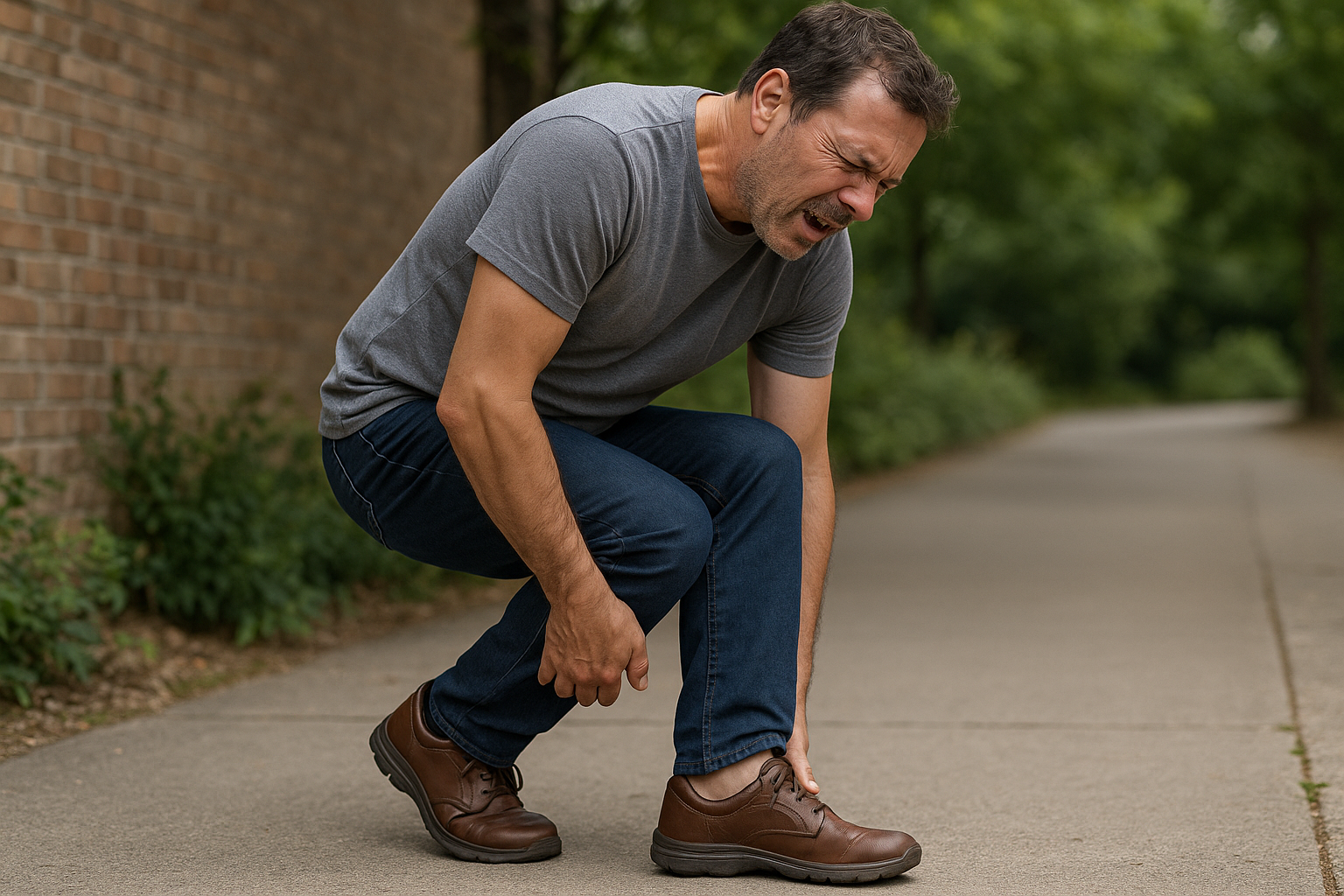
Many experience pain in the heel, which is especially felt when walking. This can make completely ordinary movements more strenuous and change the way one moves in everyday life. For some, the pain arises gradually during the day, while others feel it clearly already with the first steps. Pain in the heel when walking is often associated with repeated strain, changes in activity level, or longer periods of standing and walking work. Many therefore seek knowledge about what lies behind the pain and how it typically presents itself in everyday life.
When the heel is repeatedly strained, the tissue can react with soreness or irritation. This can mean that walking, stairs, or longer trips feel more demanding than normal. Over time, the discomfort can affect both enjoyment of movement and daily routines, making it natural to investigate why the pain occurs and how it is experienced in practice.
What does pain in the heel mean when I walk?
Pain in the heel when walking refers to pain that occurs when the heel area is loaded during walking or standing activity. The pain may be located directly under the heel, at the back of the heel, or in the transition between the heel and arch. For many, it is a sensation that is intensified by repeated movement and may subside with rest.
The pain is often related to how the foot strikes the ground and how the weight is distributed during walking. Depending on the structure of the foot and daily strain, the heel can become a particularly sensitive area.
How does the pain typically present itself during walking?
The pain can be experienced in several ways when walking. Some describe a sharp or stabbing sensation with every step, while others feel a more dull and persistent soreness that increases over time. For some, the discomfort is most noticeable at the start of a walk, while for others it only appears after walking for a longer time.
There can also be a difference in whether the pain feels constant or whether it varies depending on pace, surface, and footwear. In some cases, the walking pattern may change unconsciously to relieve the heel, which can affect the rest of the body.
Common causes of heel pain when walking
Heel pain when walking is often associated with mechanical strain on the structures of the foot. Repeated impacts against the surface can irritate soft tissue in the heel area, and tightness in the arch or calf can increase the pull on the heel. Pressure from footwear with hard soles or lack of support can also intensify the discomfort.
In addition, sudden changes in activity level, such as more walking than usual or new types of movement, can play a role. The body may need time to adapt, and during that period the heel may react with soreness.
How widespread is pain in the heel when walking?
Pain in the heel when walking is a relatively common problem in everyday life. It is seen both in people with sedentary work and in those who move around a lot during the day. The problem can arise at all ages and is often related to daily habits, strain, and the foot's role in the body's overall movement.
For some, the pain is temporary, while for others it becomes a recurring part of everyday life that requires attention.
Which factors can affect the pain in everyday life?
Several conditions in everyday life can affect how heel pain is experienced during walking. Among the most common factors are:
- Choice of shoes and the sole's shock absorption
- The amount of daily walking and standing work
- The hardness and variation of the surface
- Breaks and variation in movement
- Fatigue in the feet and legs at the end of the day
Together, these factors can help explain why the pain varies from day to day.
Variations in the pain experience over time
The experience of pain in the heel when walking can change over weeks or months. Some experience periods of clear discomfort, followed by calmer phases. The pain may feel more intense on days with high strain and milder on days with more variation in movement.
It is common for the heel to react differently depending on how the day has been and which activities have filled it most.
Daily observations that can provide insight
Paying attention to small details in everyday life can provide a better picture of how the heel reacts when walking. Examples of observations may be:
- When during the day the pain is most pronounced
- Whether certain shoes are associated with more or less discomfort
- Differences between short and long walks
- Whether the pain is the same in both feet
- How surfaces affect the sensation
These observations can make it easier to understand the connection between daily habits and the experience of pain in the heel when walking.
.