Learn more about your pain

Massage device for feet: What is it, and how is it experienced in everyday life?
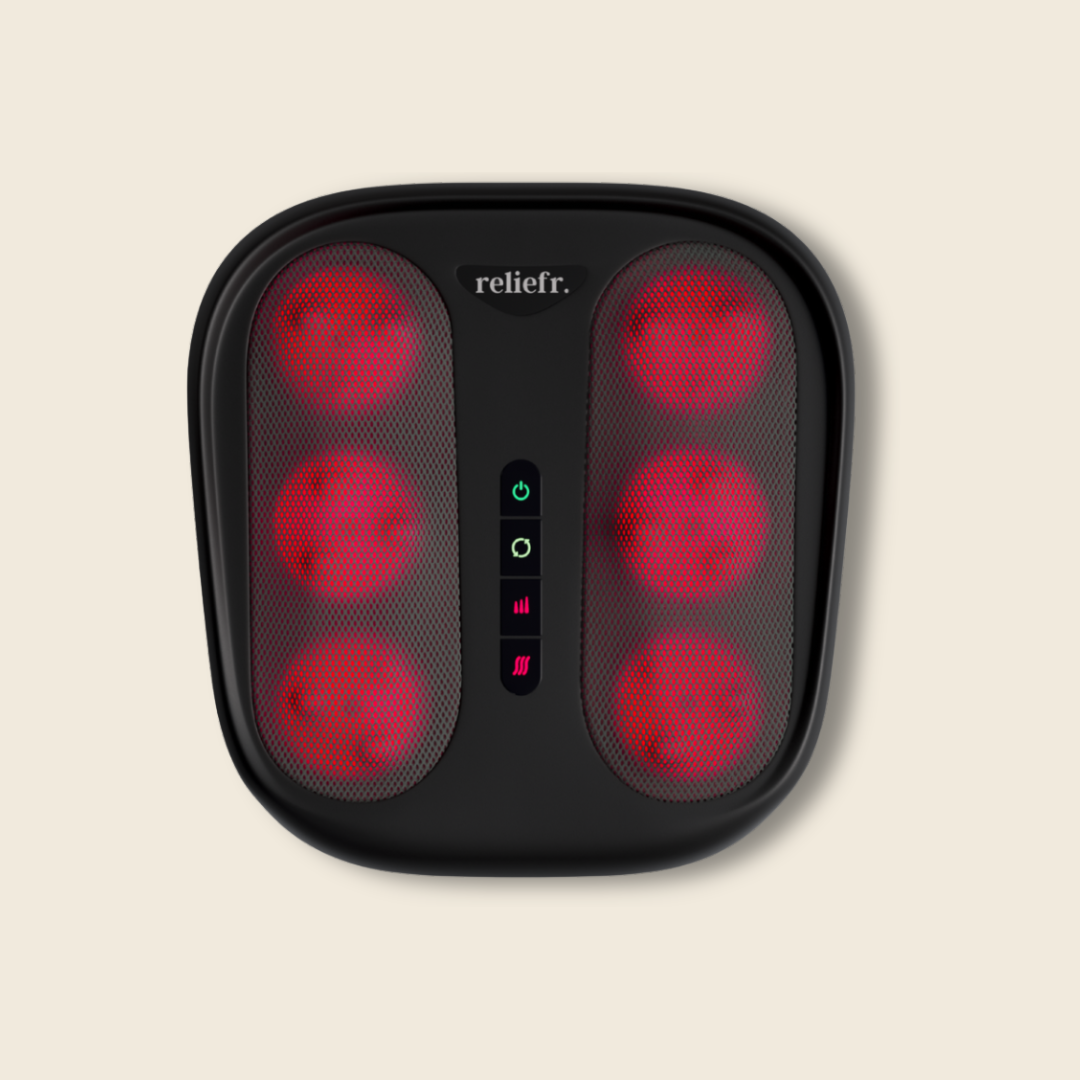
Many experience tired, sore, or tense feet as part of everyday life, especially after long periods of standing work, walking on hard surfaces, or repeated strain. The discomfort may appear as diffuse soreness, tension in the sole of the foot, or a general feeling of fatigue that affects comfort for the rest of the day. In that context, more people seek knowledge about a massage device for feet to better understand what it is and how it is typically used. By getting an overview of how a massage device for feet fits into daily routines, it becomes easier to put words to experiences and expectations associated with its use.What is a massage device for feet?A massage device for feet is designed to stimulate the feet through mechanical movement, pressure, or vibration. The devices are usually used while sitting and are aimed at areas such as the sole of the foot, heel, and arch. Many associate use with a feeling of relaxation and temporary relief of tension, but the experience varies depending on the strain on the foot and individual preferences.The massage device is often used as part of a calm break in everyday life, where the focus shifts from activity to recovery. For some, it is a fixed part of the evening routine, while others use it more sporadically during periods of increased strain.Typical experiences during useThe experiences can be described differently, but some of the most common sensations include: A pressing or pulsating sensation in the sole of the foot Temporary relief of tension in the feet and ankles A warm or relaxing feeling after use These reactions often depend on how strained the feet are, as well as how long and how often the device is used.How a massage device for feet fits into everyday lifeIn everyday life, a massage device for feet is often used in situations where the feet have been exposed to repeated strain. It may be after work, longer walks, or physical activity. For others, it is part of a calm break, where one sits down and gives the feet attention without additional strain.Changes in everyday routinesUse can affect the way one relates to breaks and recovery. Some find that they become more aware of the condition of the foot during the day, while others primarily use the device as a fixed time for calm. Over time, it can provide greater awareness of the connection between daily activities and the feeling in the feet.How widespread is the use of a massage device for feet?It is common for both people with sedentary work and people with physically demanding jobs to use a massage device for feet. Use is seen across age and activity levels, and the need often varies over time. Periods with more standing work or changed routines may increase interest, while use in other periods may be more sporadic.Factors that can affect the experienceSeveral factors can influence how a massage device for feet is experienced. Previous strain, footwear, surface, and duration of use can all matter. Tightness in the calf and ankle can also change how pressure and movement are felt during use. The experience may therefore vary from day to day.Variations in experience over timeThe experience can change over weeks or months. Some notice a clear stimulation in specific areas of the foot, while others experience more general relaxation. The intensity may feel stronger after long days, while on calmer days it is experienced as milder. It is common for the reaction not to be the same every time.Everyday comfort and reliefA massage device for feet is often used together with other habits focused on comfort and relief. Variation between sitting and standing, choice of footwear, and short breaks during the day can interact with its use. Many also combine it with calm movements of the ankles and toes to create variation in the strain.What you can pay attention to in everyday lifeSmall observations in everyday life can give a better picture of how the feet react to the use of a massage device for feet. It can be useful to notice patterns and repetitions rather than isolated cases.Examples of daily observations Times of day when the feet feel most strained Differences in sensation depending on footwear The significance of the surface for fatigue in the feet Whether the experience is the same in both feet Changes in sensation over time By gathering these impressions, it becomes easier to understand how daily habits are connected with the experience in the feet..
Learn more
Exercises for heel spur: Which work best in everyday life?
Many people experience pain under the heel, especially in the morning, and the condition can quickly make everyday life less comfortable. It is common to search for information online when the discomfort arises, and many investigate how exercises can help relieve the pain. Today there is an increased focus on simple, home-based exercises that can work to reduce the discomfort and provide a better everyday life. The problem often appears as an overuse condition, where repeated strain and tight tendons in the foot lead to pain and discomfort that is felt clearly, especially after periods of inactivity.When you experience pain in the heel, it can be challenging to find a balance between daily activity and the need for rest. The pain can vary in intensity throughout the day, and many find that simple exercises can help create a certain level of relief. This information provides an overview of heel spur as a condition and the way it is typically experienced in everyday life, where both activity and rest play a role. The focus is on the daily challenges many face when the heel hurts, and how some home exercises can be part of a broader approach to pain relief.What is heel spur?Heel spur is a condition that arises from overuse of the plantar fascia under the foot, and it is often seen in connection with repeated strain. It is not about specific diagnoses, but about the way overstrained tendons can lead to tenderness and pain. The condition is often experienced as follows: Sharp pain in the heel area, especially immediately after rest Persistent discomfort that can make everyday activities less comfortable A sensation of tight tendons associated with repeated strain The pain can vary from person to person and is often affected by daily activities, where prolonged strain on the foot can worsen the discomfort. Many find that a simple approach with homemade exercises can help ease the symptoms without requiring major changes in the daily routine. It is a condition that many people experience and that can lead to a search for practical methods of pain relief and better well-being in everyday life.How does the pain appear in everyday life?Pain under the heel can appear as a sharp or throbbing sensation, typically most noticeable after periods of rest. The intensity can vary throughout the day and can make daily habits such as walking, climbing stairs, or standing for longer periods less comfortable. Reactions in the body can also be felt elsewhere, for example in the feet, legs, back, neck, or shoulders, because altered walking pattern and compensation often change the load in several places.Which conditions are often associated with worsened symptoms?The symptoms are often linked to repeated strain and prolonged pressure on the foot, but also to footwear, surfaces, and movement patterns. Hard walking on flat surfaces or shoes with poor support can make the pain worse. Tight calf muscles and stiff tendons can create increased tension in the plantar fascia, which can be a contributing reason why the pain feels stronger after rest or prolonged activity.Exercises aimed at pain relief and reducing muscle tensionThere are several types of exercises that focus both on pain relief and on loosening muscle tension around the foot and lower leg. Heel raise exercises work with both lifting and controlled lowering of the heel and may be experienced as useful when the movement is performed slowly and consciously. A controlled focus on both the upward and downward phase can positively affect the pain by changing the load in the area.Stretches that may feel beneficialStretches aimed at the plantar fascia and calves can reduce tension, which often makes the pain worse. A gentle pull of the toes toward the shin and a heel-down movement against an inclined surface can help provide increased mobility. Stretching may be experienced as especially noticeable after longer periods of rest.Strength and mobility in the foot and lower legStrength exercises focusing on the ankle and lower leg muscles can affect the way the foot is loaded in everyday life. The use of resistance bands or light balance exercises on a soft surface can help change the load pattern and reduce compensation in other areas of the body.Massage and offloading as a supplementSelf-massage with a small ball or a gentle rolling movement under the foot can loosen local tension and provide temporary relief. Offloading in the form of short breaks from prolonged standing or alternating between sitting and standing activities can reduce the strain and make everyday life more manageable.What to pay attention to in everyday lifeIn daily life, there are several conditions that can affect how heel pain develops over time. Small repetitions in movement patterns, choice of footwear, and variation in strain can affect the perception of discomfort. Some things appear as increased stiffness in the morning, while others may be experienced as gradual fatigue in the feet after longer periods of standing.Small habits that can have an impact over timeThere are several daily routines and habits that are often linked to how the area around the heel reacts. It is not about immediate changes, but about patterns over weeks and months. For some people, repeated short breaks in standing work may feel more important than one long break, while others notice differences by switching between surfaces during the day. Choice of shoes and differences in support can matter for the load pattern Prolonged standing on hard surfaces often appears as greater discomfort Tightness in the lower leg muscles is often linked to increased tension in the plantar fascia Compensation in walking pattern can shift strain to other joints Conditions that can make a difference over monthsSome conditions only become visible when viewed over a longer time perspective. Variation in daily activities, frequency of intense strain, and repeated work tasks can all affect how the pain is experienced. Mental strain and sleep patterns can also affect the pull of discomfort, as recovery and emotional state are part of the overall impression of well-being.It is useful to pay attention to patterns rather than individual incidents. Over time, repeated strain and daily habits will often be more relevant than isolated episodes. This type of overview can make it easier to assess which questions you want to ask yourself or examine more closely.The next section answers some of the most frequent questions that people search for in connection with heel spur and daily management of pain.Frequently asked questionsWhich exercises are most effective against heel spur?Many people search for exercises, and the most commonly mentioned types include stretching and strength focus for the foot and calf. Widespread methods in online guides focus on controlled movements and gradual effort over time.How long does it take to notice improvement?Time frames vary, but periods of several weeks to several months are frequently mentioned before clear change is seen. Consistency in daily habits and the frequency of effort often play a role in the speed of improvement.Can massage help against heel spur?Massage is often described as a supplement to other measures and may be experienced as relieving by loosening local tension and affecting circulation in the area. Effect and duration can vary from person to person..
Learn more
Pain in the forefoot when I walk: What causes it, and what can help?
Many experience an unpleasant sensation arising in the forefoot when they walk. The pain can appear suddenly during a walk in town or creep into daily routines at home or at work. It is common for the feeling of pain in the forefoot to affect both pace and quality of life, as the pain can seem to make every single step more challenging. Pain in the forefoot can raise concern and lead to thoughts about whether the load on the foot has become too great, or whether there has been a change in the way one moves. This introductory review of the topic provides an overview of what pain in the forefoot when I walk may involve, and why many seek an understanding of the background of the problem.What is pain in the forefoot when I walk?Pain in the forefoot when I walk refers to the pain that is felt in the forefoot during walking. The pain can vary in intensity and is typically experienced as a sharp or stabbing sensation that can disrupt ordinary movement during the day. It is a symptom that is often mentioned in relation to the way the foot is loaded during walking - both in connection with short walks and longer distances, where the pressure on the foot gradually increases.Pain in the forefoot can be experienced in different ways, including under the following circumstances: When the feet are exposed to prolonged strain When using footwear that does not provide sufficient support During sudden changes in gait or pace The experience of pain in the forefoot when I walk is often connected with how the foot’s muscles and structures react to repetitive strain. It can be a combination of daily activity, changes in the surface, and the use of shoes that do not always follow the foot’s natural shape and movement. In many cases, people seek knowledge about the topic because having pain in the forefoot gives rise to doubt as to whether it is a temporary overuse injury, or whether it is an indicator of a more persistent problem in everyday life.This review of the topic establishes a basic understanding of what pain in the forefoot when I walk involves, and why it can become a recurring problem for many. Read on to gain a deeper insight into how this pain typically arises and how it is experienced in everyday life.Causes that often underlie pain in the forefootPain in the forefoot often appears as a result of changes in load or in the foot’s ability to distribute pressure. Overweight can increase the load on the forefoot during walking and lead to increased muscle tension in the lower leg. Hereditary traits in the shape of the foot can make some more prone to uneven pressure distribution, and weak muscles in the foot and lower leg can make it more difficult to stabilize push-off, which is often associated with prolonged discomfort.Long-term standing work and many repetitive steps change the way the soft tissues of the foot work, and this can help increase tension in both the foot and calf. These conditions affect not only the feet, but can create compensations higher up in the body that alter the walking pattern.How the pain typically appears in everyday lifeThe pain may be experienced differently from person to person, but some patterns recur. Some feel a sharp or stabbing sensation under pressure at the forefoot, others a more diffuse soreness that worsens during longer walks. Increased tension in the muscles around the foot and lower leg can feel like tightness or fatigue in connection with walking. Pain under pressure beneath the toes or during push-off A feeling of fatigue in the forefoot after longer periods of standing or walking Tightness in the calf muscles accompanying the discomfort How common is the problem in everyday life?Pain in the forefoot is a frequent symptom among people with standing work, those who walk long distances daily, and among people with high body weight. Older people can also experience changes in the foot’s tissues that make them more vulnerable to discomfort during walking. It is therefore a common theme in everyday-related well-being, where many seek ways to reduce pain and tension in order to preserve mobility.Daily movements and situations that can cause painCertain activities and conditions in everyday life are often associated with increased forefoot pain. Prolonged standing work, walking on hard surfaces, frequent short walks with many changes of direction, and carrying heavy bags can alter the load. Footwear with narrow toe boxes or insufficient support also changes pressure distribution and can cause increased tension in the foot.Different patterns of forefoot painThe pain experience can vary from sharp, stabbing pain during push-off to more burning or throbbing soreness after long periods of walking. Some experience that tension in the feet, legs, and even back or shoulders is associated with an altered walking pattern because the body tries to avoid pain. Being able to distinguish between these patterns makes it easier to find appropriate forms of relief and offloading in everyday life.What you can pay attention to in everyday lifeIn the coming weeks, it may be useful to record how the forefoot feels in different situations without changing routines. The pain can change during the day and may be experienced as increased tension after certain repetitive movements. Also note where in the shoe the sensation appears, whether it moves between the toes and the midfoot, and whether the skin shows changes such as localized hardening or redness. The fit of the shoe over time and how the material shapes itself Pattern of wear on the sole and what it suggests about the direction of loading Frequency of stiffness or tingling at certain times of the day Changes in noticeable muscle tension in the underside of the foot or in the lower leg Habits and patterns that may matter over timeSome habitual patterns are often associated with gradual changes in the forefoot. Repeated one-sided movements, constant loads in the same part of the foot, and lack of variation in footwear can affect how tissues and joints adapt. In addition, small changes in walking pattern, which most often go unnoticed, can over time alter the placement of pressure and be experienced as different kinds of discomfort.It is common for gradual adaptations in the structure of the foot to appear in the form of comfort changing in familiar footwear, or the sense of touch reacting differently during longer periods of strain. These patterns can affect how the pain experience develops over months.Massage and offloading seen in a daily contextMassage can be experienced as a way to reduce tension in soft tissue and provide temporary relief in the felt state of the muscles. In everyday life, regular attention to muscle tone and offloading of specific areas can often be associated with changes in movement patterns and well-being. At Reliefr, massage is often described as an element that appears as increased flexibility in the foot and a different experience of load during subsequent walking.Frequently asked questionsCan massage help with forefoot pain?Massage can be experienced as a way to reduce local tension and increase blood flow in soft tissue, which many describe as a subjective improvement in comfort. The effect often appears briefly and in relation to how intense the massage is and which areas are touched.How can I interpret changes in the structure of the foot over time?Changes may appear as a wider forefoot, shifting of toes, or altered distribution of calluses. Such changes are often associated with long-term loading patterns and can affect how existing shoes feel.How quickly can pain while walking change?Pain can vary from hour to hour depending on activity and fatigue, but some patterns develop over weeks or months. Variation in intensity and frequency is common and can provide insight into which daily conditions play a role..
Learn more
Foot massage device offer: What should you look for?
Many experience that their feet become tired and sore after a long day of work or daily tasks. It is common to feel a general discomfort that can limit relaxation in the evening. The feet are often exposed to prolonged standing, walking, and strain, which can result in a feeling of stiffness and fatigue. Therefore, many seek information about how an effective device can relieve these symptoms and provide a sense of well-being. The keyword fodmassageapparat tilbud points precisely to an interest in affordable solutions that can make everyday life easier by offering relief in pressured situations and after a long day. For someone who wants both pain relief and an economically attractive solution, a foot massage device can be an obvious alternative for getting the most out of relaxation. There is typically a strong focus on functions such as heat, vibration, shiatsu massage, and air compression, because these combined can give the feeling of adding energy and releasing tension that accumulates in the feet. This broad interest is reflected in the many offers on the market, where the price is often just as important as the device's ability to provide the desired relief.What is fodmassageapparat tilbud?A foot massage device is a unit developed to massage the feet and thereby reduce soreness and fatigue. Many models offer functions that can stimulate blood circulation and relieve the unpleasant feeling that often arises after many hours of strain. Different techniques can be combined in one machine, making it possible to adapt the massage to the individual's needs. Some of the most common functions include: Heat – helps create a gentle warmth that can help loosen tension in the muscles. Vibration – a technique that often feels soothing and can help increase blood circulation. Shiatsu massage – inspired by traditional techniques that focus on pressure points in the foot. Air compression – a function that, with the help of air pressure, can simulate an intense massage that reduces fatigue. It is precisely the combination of these functions that makes a foot massage device a sought-after solution for those seeking pain relief and relaxation. Many are aware of the benefits of using a foot massage after a long day, and the search for a good fodmassageapparat tilbud reflects a desire to find a device that is both effective and affordable. This approach to everyday wellness provides an overview of the wide range of alternatives available on the market.How does a foot massage device work?Foot massage devices combine several movement and pressure techniques to provide relief. Roller massage works along the foot and can be experienced as direct relief for the arch and heel. Shiatsu-like knobs use pressure against specific points and can feel like targeted relaxation in the muscles. Air compression provides a pulsating pressure around the instep and forefoot, which can be experienced as a hugging effect that loosens tension. Vibration increases local movement in the tissue and can affect the sensation of stiffness. The heat function adds gentle warmth, which is often important for a feeling of increased relaxation and pain relief in the treated area.How the need shows itself in everyday lifeDiscomfort in the feet often shows itself as fatigue, soreness, or stiffness after a workday or longer periods of walking and standing. This type of discomfort is often connected with tension in the legs, back, neck, and shoulders, because posture and walking patterns are affected. Many find that the symptoms are worse in the evening and can make relaxation more difficult; in such situations, using a foot massage device can provide an immediate sense of well-being and temporary pain relief.Which functions affect pain relief?Different functions have different effects on the experience of relief. Heat can promote relaxation and make muscles more pliable, which is often experienced as increased comfort. Adjustable intensity allows adaptation from gentle stimulation to stronger pressure, so the massage can be tailored to individual preferences. Combinations where roller massage is supplemented with air compression or vibration can provide a more holistic feeling of relief, because several types of stimulation are used at the same time.Practical conditions that make a difference Size and fit affect whether the massage hits the right areas in the foot. The option to adjust intensity makes use more flexible in relation to soreness and muscle tension. Material and lining may matter for comfort during longer use. What can affect the choice?Your choice depends on how often the device will be used, what degree of intensity is desired, and which areas of the body you want to feel the effect in. Consider whether the focus is primarily on the feet, or whether you also want a feeling of relief that spreads to the legs, back, and shoulders. The use of heat and several massage principles may be important for those seeking deeper pain relief and increased well-being in everyday life.Daily conditions to be aware ofIn everyday life, it is often small repeated conditions that can affect the experience of pain relief and well-being. Noise from the device can, for example, affect how natural it feels to use it in the living room or at the office, and its placement in the home matters for accessibility. Using the device at close intervals can be experienced differently depending on other daily habits, such as how much standing work or walking is included in the day. These elements are often connected with whether the device becomes a fixed part of the routine or is only used sporadically.Habits and their importance over timeRepeated movement patterns at work or at home can appear as varying needs for relief in the feet and calves. Long-term habits regarding shoe choice, standing time, and switching between demanding and calm periods can affect how and when the need for a massage experience arises. Over time, these patterns can make certain functions in a device more relevant for the individual user, while other functions are used less.Practical considerations in the home Storage space can affect how often the device is used. Noise level in relation to others in the household can make use more or less convenient. Time of use during the day can affect the experience of relaxation. The choice of materials and external finish may be experienced as more or less pleasant over longer periods, and these conditions are worth noting when comparing models. For some users, durability and solidity are connected with the confidence of using the device regularly.At Reliefr, it is often seen that customers ask about how the device fits into their daily rhythm, and which conditions change over time. Being aware of these frameworks can provide a more nuanced perspective than focusing only on individual functions. Below are answers to common questions that often arise in connection with considerations about choice and use.Frequently asked questionsWhat does noise level mean for use in an open room?Noise level can be experienced as disruptive in shared spaces and in practice appears as a factor that affects how often the device is used in everyday life.How does daily shoe choice affect the need for massage?Shoe choice can be connected with strain patterns in the feet, and changes in shoes can therefore change when and how intense the use of a device feels necessary.Is the size of the device important for storage in small homes?Size and shape affect how easily a device can be placed or stored away, which in turn can matter for whether it becomes a fixed part of everyday life.Can regular use change what one expects from a device?Yes, over time expectations can change, as habits and needs develop, and certain functions may become more or less relevant for the individual user..
Learn more
Pain in heel: What causes it, and how is it relieved?
Many experience both acute and long-term pain in the heel, which can affect daily life and make simple activities such as walking and running more challenging. It is common for heel pain to occur both after periods of intense activity and in more conditions where the strain has been repeated over time. Whether the pain is sporadic or persistent, it can create unrest and make everyday movements more difficult. By gaining an overview of what heel pain covers, a better understanding is achieved of how the strains of everyday life can manifest as heel pain.The pain can vary in character from mild soreness to a pronounced sharp sensation that worsens under strain. This topic is often explored by those who want to find out why the heel hurts and which factors may play a role. With this knowledge about the extent of heel pain, it becomes easier to assess whether changes in daily habits, such as choice of footwear or adjustment of activity patterns, can help relieve the discomfort.What is heel pain?Heel pain refers to pain that occurs in the heel area and can be due to a number of different conditions. The pain is often felt as a reaction to strain and can occur when tissues such as the plantar fascia become strained or overloaded. The topic covers several experiences, which may include: Mild soreness at rest that intensifies with movement Cutting pain during strain such as walking and running A feeling of stiffness, especially noticeable in the morning For many, heel pain can be traced back to repeated strain or minor imbalances in the structure of the foot. The pain is seen as a signal that the foot needs more care and possible adjustment in daily life. For those experiencing the discomfort, it can be reassuring to know that heel pain is often associated with physical influences that can vary from day to day and that can be alleviated by adjusting daily activities.It is common for heel pain to start as a mildly irritating sensation that over time can develop into a more penetrating pain with continued strain. By knowing the typical experiences and symptoms associated with heel pain, one gets a better basis for assessing whether there is a need for changes in habits so the foot can get the necessary rest and support in everyday life.Causes that often lie behind itPain in the heel can often be found with repeated strain on tissues under and around the heel. Strain over time can create small irritations in soft tissue, and biomechanical differences in the structure of the foot can make some areas more vulnerable. Overweight, sudden increases in activity, hard surfaces, and use of shoes without sufficient support are often linked to increased strain on the heel. Tightness in the calf muscles and altered movement patterns can also help shift the load so that some structures are put under more pressure than others.How does heel pain present itself?The symptoms can present differently from person to person. Many experience sharp pain or severe soreness with the first steps in the morning or after longer rest, while others notice increasing soreness after prolonged standing or walking. The pain may be well-defined under the heel or more diffuse and felt throughout the sole of the foot. At the same time, there may be a feeling of stiffness, reduced mobility in the ankle, and tension in the calf, which can often feel like increased muscle tension in the leg.How widespread is pain in the heel?Heel pain is a frequent nuisance in everyday life and is seen both in people who play sports and in those with standing jobs. It is common for people of all ages to experience discomfort from the heel area at some point, but it is especially evident among those who walk a lot, run often, or change activity levels quickly. In everyday speech, many mention that a single period of increased activity or longer workdays is often the start of heel pain.Everyday factors that can affect painDaily habits have a great influence on how pain in the heel is experienced. Prolonged standing work on hard floors can worsen the discomfort, just as long walks without appropriate support in shoes can increase irritation. Changes in activity patterns, use of poorly supportive footwear, and weight changes can all alter the strain on the heel. Muscle tension in the back, neck, and shoulders may seem distant, but poor posture and overall fatigue in the body can change the walking pattern and thereby affect the legs and feet.Variation in pain patternsSome experience sudden sharp pain after a single strain, others notice slowly increasing soreness over weeks. The character of the pain — sharp, throbbing, or stiffness — can vary with activity and time of day, and it is common for the pattern to change according to everyday demands.Being attentive in everyday lifeWhen the heel hurts, small observations in everyday life can provide valuable insight. Notice when the pain occurs and how it changes throughout the day. Some experience pain primarily with the first steps in the morning, others if they stand for a long time. For some, it appears as a clearly localized pain, while others describe a more diffuse soreness on the underside of the foot. Such patterns can give an idea of which daily conditions have an influence.Habits that matter over timeSeveral daily habits are often linked to how heel pain develops over time. The frequency of strain, variation in choice of shoes, and the surface one walks on are all elements that can affect the experience. Repeated movement patterns and periods of increased activity can also change how the pain appears. It is common for minor changes in routines to slowly alter the strain picture. Variation in choice of shoes and support can have consequences for the distribution of strain Longer periods of standing work or hard floors often appear as increased discomfort Frequent shifts in activity level can lead to fluctuations in pain intensity Relief and massage in an everyday perspectiveIn everyday life, many choose to include elements such as relief and massage as part of wellbeing and pain relief. Massage can be experienced as calming and appears as increased relaxation and improved local circulation for some people. Relief in the form of changed standing habits or frequent breaks often appears in descriptions of how people try to reduce discomfort in daily life. These measures appear as individual choices and manifest differently from person to person.In conclusion, it can be useful to pay attention to patterns rather than individual episodes. Below are answers to some of the most frequently asked questions that often arise when people seek knowledge about pain in the heel.Frequently asked questionsHow quickly can pain in the heel change?Pain can change from day to day or over longer periods. Variation in activity level, rest, and daily habits can affect the course, so intensity and frequency can fluctuate over weeks and months.What can be expected from massage in relation to heel pain?Massage can be experienced as temporary relief and often appears as increased relaxation and a local sensation of warmth. The effect varies between individuals and is linked to how massage is used in the daily routine.When does a pain pattern change from sporadic to more persistent?A pattern is often described as more persistent when the frequency of pain increases, intensity becomes greater, or when the pain spreads to nearby areas. Changes in daily habits can play a role in such courses..
Learn more
Tired legs: What causes it, and how can it be relieved?
Many experience that their legs eventually become tired and feel heavy during the day. It is a common sensation that can make both daily activities and exercise more challenging. The feeling of tired legs can arise after many hours at work, long periods of sedentary behavior, or after physical activity that has led to overexertion. It is important to understand what normally underlies the heavy sensation, as it can help create a reassuring understanding of why the legs react as they do. This condition is often noticed when one has had a long day, and it can make daily movement less comfortable. That is why many seek knowledge and practical advice on how to manage the feeling of tired legs in everyday life.The experience of heavy legs is not uncommon and can be felt in different ways. Sometimes the feeling may be accompanied by slight soreness in the muscles, while at other times it may be perceived as a general fatigue without a clear cause. The strain that is often seen is associated with prolonged strain on the leg muscles, either from standing work, long walks, or periods of minimal movement that make it harder for the body to maintain good blood circulation. The experience varies from person to person, and it is not uncommon to feel both a certain discomfort and a natural tiredness at times, which can affect both mood and energy level.What are tired legs?Tired legs refers to a condition in which the legs experience a sensation of heaviness and discomfort. This condition can be described based on a number of characteristics, such as: A feeling that the legs are overworked and heavy Slight soreness in the leg muscles that can be felt with extra strain An overall tiredness, especially after long periods of activity or stationary work The feeling of tired legs is often connected to the demands of everyday life, where many experience that periods of intensive activity are followed by the need for recovery. Most notice that their legs feel heavier in the evening or after longer periods of standing or sitting work. This topic is of particular interest because it affects everyday life and can make even daily walks a challenge. By understanding that tired legs arise as a natural reaction to physical strain and reduced movement, a framework is created for taking the necessary steps without feeling alone with the problem.How tired legs manifestThe feeling of tired legs often manifests as a persistent heaviness in the lower legs, but can also include soreness and muscle tension. The symptoms can be felt during ordinary walking, during longer periods of standing, or after physical activity, and the intensity can vary from slight discomfort to a pronounced feeling of tiredness. In addition to the legs, the experience may be associated with tension in the back, neck, and shoulders, and some also experience an increased feeling of tiredness in the feet.How widespread is the feeling of tired legsTired legs are a common everyday challenge based on experience and are seen in many age groups. The frequency often increases with longer workdays, sedentary work, or repeated strain, and many notice a marked difference in how their legs feel in the evening compared with in the morning. The occurrence also varies with activity level and daily habits.Everyday factors that can affect tired legsSeveral daily conditions can affect when and how often the tiredness occurs. Prolonged standing or sitting work is often associated with a feeling of heavy legs, just as footwear without sufficient support can create increased strain. Changing working positions, weight distribution during standing tasks, and the frequency of short breaks can all affect how muscles and blood flow react in the legs. General tiredness in the body can also intensify the experience of discomfort in the legs and feet.Variations in how the tiredness manifestsThere are clear differences between tired legs after physical activity and tired legs after prolonged inactivity. After physical strain, the symptoms often appear as localized soreness and muscle tension, while inactivity more often causes a diffuse sensation of heaviness and stiffness. The time of day and the duration of the strain matter for whether the discomfort is short-lived or persistent. Some experience fluctuating symptoms from day to day, others have a more constant feeling, depending on routines and workload.Relation to pain relief, muscle tension, and reliefTired legs are often associated with increased muscle tension and a need for relief in order to regain well-being in everyday life. Pain relief in a broad sense relates to reduction of tension and improved comfort in the legs, feet, and surrounding areas such as the back and shoulders. Relief may be necessary during periods of persistent strain to reduce the daily feeling of discomfort and maintain energy level throughout the day.What one can pay attention to in everyday lifeIn daily life, it often appears that certain habits and surroundings influence how the legs feel over time. Prolonged periods in the same working position, repeated movements, and the type of footwear are often associated with the experience of heavy or tired legs. At the same time, general tiredness in the body and sleep quality can color the way the legs are experienced during the day. Working positions with prolonged standing or sitting work Footwear without support or with uneven strain Frequency of short breaks in movement patterns Daily strain that varies from day to day Work role and daily strainThe role one has at work or the fixed daily tasks can gradually affect the well-being of the legs. Over time, many find that repeated strain in specific movements or prolonged standing can change the experience of comfort in the legs and feet. The hardness of the surface and how many hours on average are spent in one position are factors that are often mentioned in connection with changes in the condition.Long-term patterns that may be relevantSome conditions develop slowly and can affect how the legs feel after several weeks or months. For example, persistent uneven strain in the walking pattern or wear on footwear may play a role. Other elements, such as daily tiredness and fluctuating energy level, can affect the symptoms and make them more pronounced at times.Notice signals that point to changeIt is useful to pay attention to patterns in the symptoms without interpreting them as a conclusion. Signs such as worsening discomfort in the evening, new variations in how sluggish the sensation is, or changes in the spread of the feeling of heaviness may show that everyday patterns have changed. These observations naturally lead to questions that often arise among people with tired legs.Frequently asked questionsWhat are common causes of tired legs?Many experience that the combination of sedentary periods, prolonged standing, and repeated daily movements is often mentioned as the background for the feeling of tired legs. For some, footwear and surfaces also play a role.Can daily habits affect how the symptoms develop over time?Yes, repeated patterns in everyday life can change how the legs feel from day to day. Duration of strain, changes in work rhythm, and fluctuations in general tiredness can all be associated with variation in symptoms.When are changes in the symptoms noteworthy?Changes that are experienced as new patterns in the intensity or distribution of discomfort, or when symptoms deviate markedly from previous habits, are signals that many will notice and seek answers to..
Learn more
Foot roller: How does it work, and who benefits from it?
Many experience sore and tired feet after a long day, and it is not uncommon to look for a simple way to ease the discomfort. When the feet have been overstrained by prolonged stress, they may feel stiff and tense, which can affect everyday comfort. One of the popular methods for relieving this type of discomfort is the use of a foot roller. Foot rollers have become a preferred tool when you want an easy and effective solution for foot massage at home. This simple device is used both while relaxing in front of the television and as part of daily self-care, making it a practical part of many people's routine.By using a foot roller, one can achieve a feeling of increased well-being. Many describe that the roller's light pressure and movement can help loosen tension and provide a pleasant feeling of relaxation in the feet. The experience of comfort and improved circulation is often the reason many choose this particular method. In addition, it is a method that is easy to use without the need for special skills, making it an accessible choice for anyone who wants quick relief after an active day. Simple and convenient use Can relieve soreness and fatigue Improves blood circulation in the feet Although foot rollers are used by many, it is a good idea to have a basic understanding of what the tool involves and how it can affect comfort in the feet. This self-chosen method of massaging the feet has become popular precisely because it provides quick and easily accessible relief from everyday pain. Many experience that a simple massage with a foot roller can create a feeling of immediate relief and renewed energy in the feet after a hard day, which supports a feeling of well-being and relaxation.What is a Foot Roller?A foot roller is a massage device used to stimulate the reflex zones of the feet and loosen tension. By rolling the foot across the surface of the roller, a light and targeted massage is achieved, which can help improve blood circulation and relieve the feeling of soreness. The use of foot rollers is often experienced as a practical method for reducing the discomfort that comes with an active lifestyle, where the feet are exposed to prolonged strain. This simple approach to massage provides an immediate feeling of relaxation that many appreciate in their daily routine.How does a foot roller work?The foot roller works by combining mechanical pressure and movement against the underside of the foot. When the roller is moved back and forth, the pressure can loosen tense muscles and tight connective tissue, which often appears as increased mobility and less stiffness. The movement can also increase local blood flow, and many experience a warming, relaxing sensation in the feet after a short period of use. Stimulation of reflex zones on the sole of the foot can be experienced as calmer feet and reduced restlessness, especially after longer periods of standing or walking work.How do foot pain and tension show themselves in everyday life?Discomfort from the feet can show itself in several ways: soreness under the sole of the foot, stiffness in the forefoot or heel, the feeling of tired legs, and periods of cold or numb feet. These experiences can often be linked to prolonged standing work or many steps during the day. In addition, strain in the feet can affect the legs, back, neck, and shoulders, because the body seeks compensation in posture and gait, which can cause increased tension elsewhere.What can affect the effect of a foot roller?The effect depends on several simple factors: how hard you press, how long you roll, and how you place the foot on the roller. Gentler pressure can be pleasant and relaxing, while firmer pressure can be felt deeper in muscles and connective tissue. The texture of the surface and the hardness of the roller can affect whether the stimulation is experienced as mild or more intense. Footwear, a hard or soft surface, and your general activity during the day can also affect how quickly you notice an effect.Variations in design and how they may feelFoot rollers are available in different forms: smooth rollers, rollers with grooves or ridged surfaces, and small balls for spot stimulation. Firmness varies from soft to very hard, and the choice of material determines how much give there is under pressure. A rough surface provides more targeted tissue stimulation, while a smooth roller distributes the pressure evenly and is often experienced as gentler. Smaller rollers can focus on toes and edges of the foot, while longer rollers cover the entire sole.How widespread is the use of foot rollers in everyday life?The foot roller has become a common tool in many homes, used while relaxing in front of the TV, during breaks at work, or as part of the evening routine. Its simple use and low equipment requirements make it a popular choice for those who want quick relief and increased well-being in their feet after an active day.Body signals in everyday lifePain and discomfort in the feet can show themselves as small changes in everyday life. It may be experienced as increased stiffness in the morning, a more frequent need to change position, or a tendency to favor one foot. These signals are often linked to daily habits and strains, and they can vary in intensity from week to week. Noticing how the discomfort appears in different situations gives a broader perspective on what changes over time.Habits and conditions that can affect over timeSome everyday conditions tend to affect the condition of the feet slowly. Repeated prolonged standing, many steps on hard surfaces, and one-sided strain on the feet can have an effect over months. Daily routines such as prolonged sitting, frequent use of tight-fitting shoes, or frequent temperature changes can also affect sensation and comfort in the feet. These conditions can be experienced differently depending on age, activity level, and daily patterns. Variation in standing and sitting work Regular walking on uneven or hard surfaces Frequent changes in strain patterns from day to day Comfort considerations without concrete adviceWhen thinking about comfort in connection with the use of assistive tools for the feet, several aspects are relevant. The firmness and texture of the surface can be experienced differently from person to person, and the skin's reaction to material composition can vary. Length and timing of use can play a role in how sessions are found to feel over the course of a day. Being aware of these conditions can provide a more nuanced picture of what works in everyday life without pointing to specific approaches.Frequently asked questionsWhich type of foot roller is best for plantar fasciitis?The choice of type often depends on how targeted the stimulation should be and how pressure is experienced on the skin. Rollers with a smaller, pronounced texture may be experienced as more focused, while smooth surfaces typically distribute the pressure more evenly. Many seek a balance between firmness and comfort, and personal preference plays a major role.Can a foot roller be used daily?Daily use is common for many, but the effect can vary from person to person. Some experience positive well-being with frequent use, while others note that sensitivity or soreness may change over time. It is therefore common to follow your own signals around comfort and sensations.How do you choose the right foot roller?The choice of foot roller depends on factors such as desired stimulation, material, and where in everyday life it will be used. Consider how different surfaces feel against the skin and which size suits the typical usage situation. Personal preferences and daily habits are of great importance to the experience..
Learn more
Heel spurs treatment: Which methods work best in everyday life?
Many experience pain that often occurs in the heel area, and this can make everyday life more challenging. The pain can show itself both at the start of activity and after longer periods of rest. This type of discomfort leads many to search for effective, non-invasive methods that can relieve and create a more comfortable everyday life. In a time when everyday stress and physical strain often go hand in hand, the desire for simple and practical solutions to reduce pain from heel spurs has become a topic that many notice. It is common to hear that adjustments in daily routines together with selected treatment methods can lead to remarkable results. The pain from heel spurs can be experienced as stubborn and disruptive, and therefore there is a strong focus on finding methods that can quickly provide relief without the need for invasive intervention.Some experience that the pain is overshadowed by a general feeling of discomfort that affects both mobility and quality of life. The daily strain – such as during walks, standing, or simply being in constant motion – can make such a condition a persistent challenge. This is why many turn to treatments that focus on reducing the local pain and at the same time promote a more functional and comfortable everyday life. Named methods include, among other things, massage and various adapted exercises, all of which are intended to create a freer feeling in the foot.What is heel spur treatment?Heel spur treatment covers a range of approaches aimed at reducing the pain that occurs with heel spurs and thereby easing everyday life. The treatment methods are often non-invasive and focus on relieving pain and promoting better blood circulation flow. Common measures include: Massage, which relieves tension and increases blood flow in the foot Light adapted exercises that can strengthen the foot’s muscles and create increased mobility Use of ice or heat, which can help reduce the discomfort These methods are often experienced as a help in dealing with the daily challenges that come with pain from heel spurs. It is therefore important to focus on how simple changes in everyday life can be combined with treatment methods to achieve a more balanced feeling in the heel area. This approach provides a reassuring and manageable understanding of what heel spur treatment involves and how it can function as a practical solution in everyday life.How does it show itself?Pain in the heel area can show itself in several ways. Many experience a sharp or stabbing sensation on the first step in the morning, while others feel a more throbbing pain after longer periods of standing or walking. There can also be a feeling of loose or tight connective tissue around the heel, which can make movement less comfortable. The pain can vary in intensity throughout the day and change depending on activity and rest.How often does it affect everyday life?Heel pain is common in everyday life and can affect short walks, work that requires standing, and daily chores. For many, the pain acts as a limitation on pace and willingness to move freely, which can lead to changes in walking pattern and choice of activities. The experience is often that the symptoms return with repeated strain or with insufficient recovery between activities.What can affect the intensity?Several conditions are often related to how and how strongly the pain is felt. Shoe choice and surfaces can change the strain on the heel, weight and physical activity level can affect the pressure on the foot’s structures, and prolonged standing or a rapidly increased activity level can worsen the discomfort. Furthermore, tension in surrounding muscles can make movement less smooth and thereby increase local strain.Muscle tension in related areasTension can be found in several familiar areas such as the back, neck, shoulders, legs, and feet. When muscles in the calf or hip are tense, the walking pattern can change, which is often felt in the heel. Over time, persistent muscle contractions can create a feeling of stiffness and make it harder to get immediate relief after rest.Massage and how it relievesMassage functions as a commonly used measure for pain relief and relaxation. With massage, local blood flow increases, which can make the tissue more supple and reduce muscle tension. Stimulation can also lead to the release of endorphins, which can make the experience of pain more moderate. Different forms of massage, from gentler strokes to deeper pressure in trigger points, show themselves as useful for loosening tense muscles around the heel and in adjacent areas.On a daily basis, regular use of massage as part of the routine can help reduce stiffness, improve mobility, and create a more comfortable feeling in the foot and lower leg.What you can pay attention to in everyday lifeIn daily life, there are several conditions that over time can affect the experience of pain from heel spurs. Small changes in movement patterns, repeated strains, and choice of footwear can each have an influence on how the pain feels from day to day. Paying attention to these patterns can provide a better understanding of which situations often cause increased discomfort.Part of the attention concerns the feeling in the foot in different situations. Morning stiffness, increased soreness after longer standing periods, or variation in pain intensity on different surfaces show themselves as indicators that can repeat. Over time, persistent imbalance in walking or compensation from other muscles can lead to the strain being shifted and thereby change the experience in the heel area.Habits and conditions that can matter over timeSome habits are often connected with changes in the pain picture. For example, prolonged standing work, frequent short walks on hard surfaces, or constant use of worn shoes can change the daily strain. Attention to how the foot reacts to different daily activities can help identify patterns without pointing to specific solutions. Variation in surfaces can make the pain feel different from day to day Regular use of massage can show itself as a way to reduce stiffness in the foot and calf Changes in type of activity can result in altered strain, which is often felt in the heel It can also be useful to note how recovery is experienced after activity. Some report that short-term relief can provide temporary improvement, while others find that stiffness returns with repeated strain. At Reliefr, the importance of observing patterns rather than seeking quick solutions is often highlighted.Frequently asked questionsHow can heel spurs be prevented?Prevention is often about paying attention to daily habits and choices, such as variation in activities, wear on footwear, and the way strain is distributed in everyday life. Preventive effort can show itself as a change in how and when strain occurs.Can massage alone relieve heel spurs effectively?Massage can be experienced as an important factor for pain relief and relaxation in the area, but results vary. For some, massage shows itself as part of a relieving routine, while others experience that the effect is temporary.How long does it take to recover from heel spurs?The time frame varies greatly from person to person. Factors such as repeated strain, daily habits, and how quickly changes in the routine are noticed can affect how symptoms develop over time..
Learn more
Pain in heel: Common causes and how it is relieved
Many experience heel pain during their lives, and it can be a challenge in a busy everyday life. The pain is often described as stabbing and being most pronounced in the morning or during prolonged strain. Heel discomfort can make daily activities less comfortable and create a feeling of uncertainty when the foot has to bear the body during walking and standing activities. It is common to seek information that provides an understanding of what the pain covers and how one can best achieve relief in everyday life.Heel pain can be experienced as a burdensome sensation that affects both movement and the general feeling of well-being in the legs. Many find it useful to familiarize themselves with which factors may be related to this pain, so they can make informed decisions about relief and care. It is often about understanding how everyday activities and choice of footwear can influence the comfort and stability of the heel.What is heel pain?Heel pain is a very common problem that can be felt as a sharp or throbbing pain under the heel. The sensation is often most pronounced when getting up in the morning or after periods of inactivity, and it can intensify with prolonged strain. Many also describe a form of soreness that gives repeated reminders of the heel's vulnerability.The daily experience of heel pain can vary. Some feel an uncomfortable tightness, while others experience more pronounced pain that makes it uncomfortable to walk or stand for too long. The typical symptoms may include: Stabbing or throbbing pain under the heel Discomfort, especially after periods of inactivity Worsened symptoms during prolonged strain The focus is often on finding methods that can provide temporary relief in daily life. The topic is perceived broadly, and there is great interest in learning how simple measures can reduce the pain and thereby improve well-being. Many choose to seek information, as a safe and well-informed approach to managing heel pain can help create better balance in everyday life. By gaining a clear understanding of what heel pain involves, it becomes easier to make choices that support a more comfortable everyday life.How does heel pain present itself?Heel pain often presents as a sharp or stabbing sensation under the back part of the foot and can be experienced differently from person to person. Typical descriptions include soreness with the first step in the morning, worsening after prolonged standing or walking activities, and a feeling of tightness in the foot. In addition to the heel itself, tension can be felt in the calf, the sole of the foot, and sometimes all the way up into the knee or hip, which makes it relevant to view heel pain in connection with the entire chain of movement.How often does heel pain occur in everyday life?In everyday life, heel pain is common among people with varied activity levels. It can be temporary and come in periods of increased strain, or it can recur over a longer period and affect both walks and standing tasks. For many, the problem becomes a factor that affects the choice of shoes, how far they walk, or how they plan daily tasks to reduce discomfort.Factors that can affect the pain experienceSeveral conditions in everyday life can often be related to how and when heel pain occurs. The use of shoes without sufficient support, hard surfaces during prolonged standing, and frequent repetitive movements can make the pain worse. Muscle tension in the calf, lower leg, and foot can also affect the sensation in the heel, just as changes in activity patterns can lead to the pain occurring more often or with greater intensity.Variations in pain and durationThe pain experience can vary considerably. Some notice a short, sharp pain during strain, others experience a more throbbing or persistent soreness. The duration can range from a few days after particular strain to weeks, where the discomfort returns with certain activities. The intensity can fluctuate throughout the day, often most pronounced after rest periods or after repeated strain.Pain relief and unloading in everyday lifeMany seek solutions that focus on pain relief and unloading in everyday life rather than permanent interventions. Common measures that people often mention are about reducing strain on the heel, reducing muscle tension in the foot, calf, and leg, and creating more comfort in daily movement. Massage, gentle treatment of tense muscles, and short-term use of support in the shoe are examples of approaches that can provide temporary relief and make everyday activities easier to carry out.Everyday attention around the heelIn the daily rhythm, there are several factors that can affect how heel pain develops over time. Small changes in movement patterns, the condition of the shoe, and standing times can appear as variations in pain intensity. Paying attention to how the discomfort appears in different situations gives a clearer picture of patterns and triggers.Habits and patterns that may matterSome habits are often linked with prolonged strain on the heel. Excessive one-sided strain in everyday life, repeated short periods of strain without rest in between, and changes in daily routines can affect the condition gradually. In addition, the age of the shoe and the distribution of wear can appear as changes in the foot's strain pattern. Wear in soles can change the strain and appear as increased discomfort Repeated short periods of strain are followed by soreness in some people Switching between soft and hard surfaces can affect how pain is experienced Tension in surrounding muscles can spread feelings of stiffness or soreness Long-term considerations without specific adviceOver time, small, persistent influences can lead to the heel's symptoms changing character. For example, pain that was originally short-lived during strain can slowly become more persistent or appear during other movements. It is also common for discomfort in the heel to be related to tension in the lower leg or changes in gait pattern, which appear as uneven strain.A calm attention to these patterns can provide insight into which daily factors are related to the discomfort. With us, the focus is on increasing understanding of how ordinary habits and repeated influences can affect well-being in the feet, so that one can better assess one's own experiences.Frequently asked questionsHow can heel pain be relieved?Relief is often sought through unloading, massage, and treatment of tense muscles. Many find that gentle treatment around the heel and calf can change the character of the pain and temporarily reduce the discomfort.What are the most common causes of heel pain?The most common causes are often related to repeated strain or changes in the strain pattern. Conditions related to the plantar fascia and structural changes in the tendon area of the heel are frequently mentioned in descriptions of symptoms.How can heel pain be prevented?Prevention is often mentioned in relation to choice of shoes, variation in strain, and attention to daily habits. Being aware of these conditions can affect how the heel responds over time.When is heel pain different from the usual?Pain that changes character, comes suddenly with reduced function, or is accompanied by marked swelling or numbness may be signs of an atypical course. Such changes differ from the more common patterns, which often vary in intensity throughout the day..
Learn more