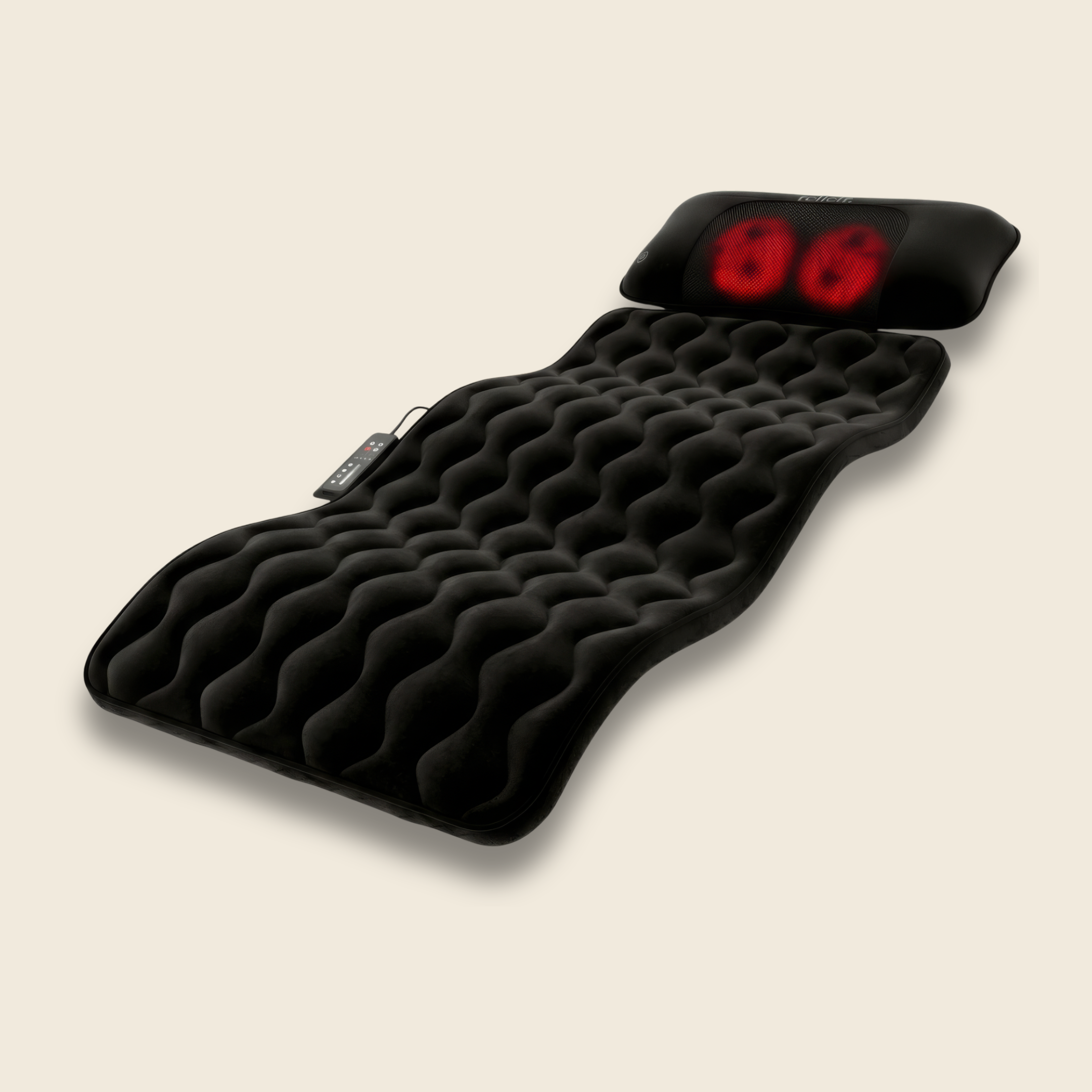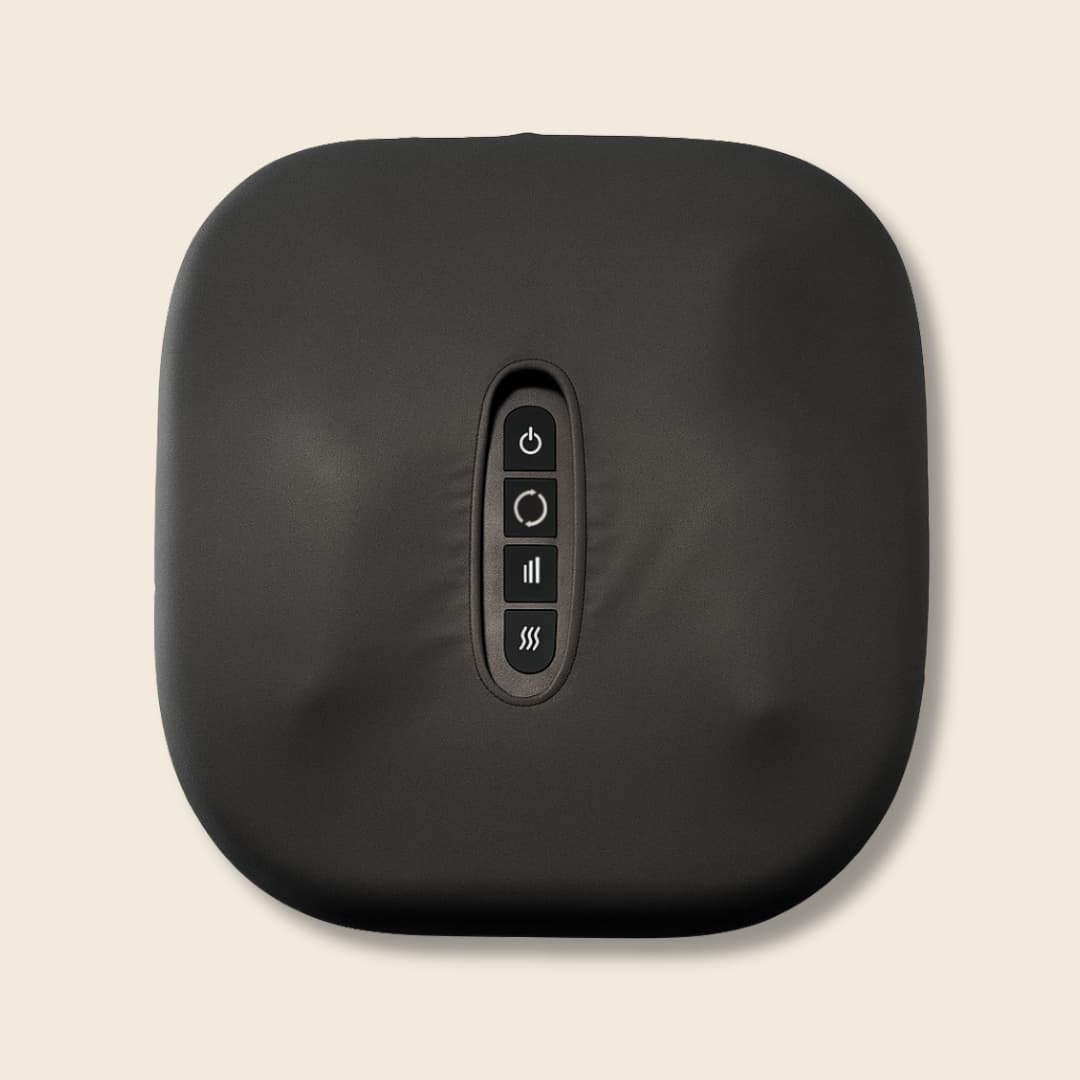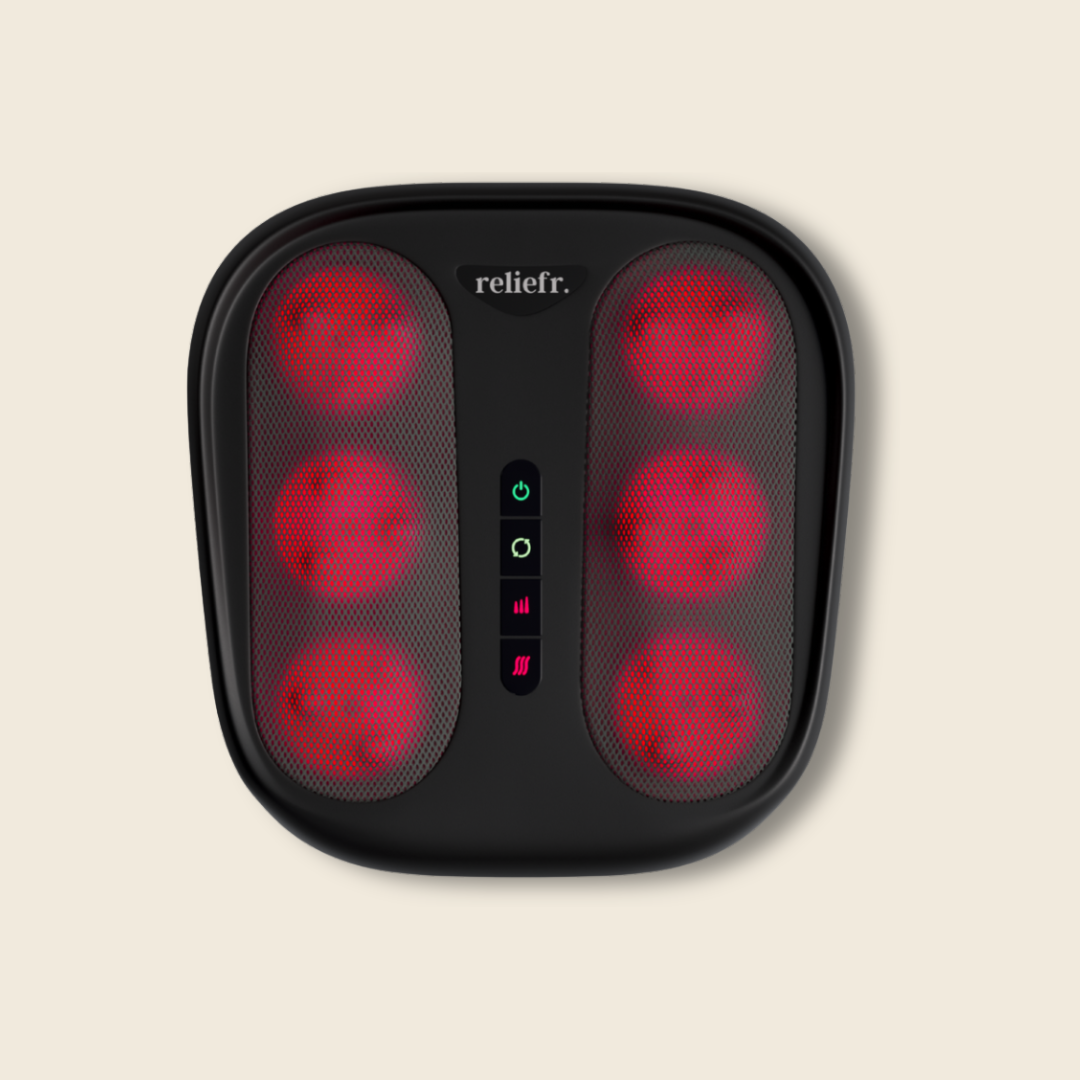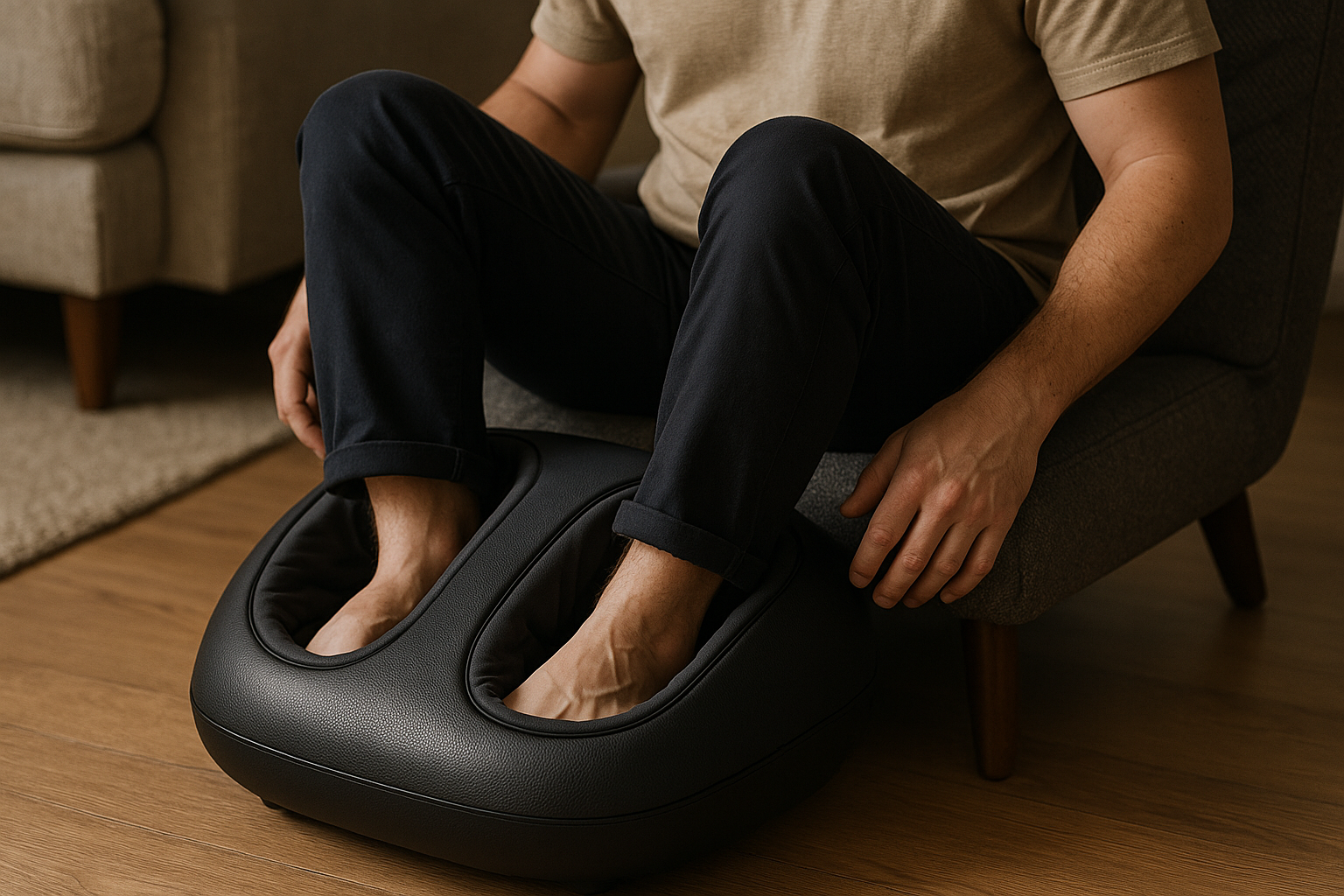
Many experience tired, sore, or tense feet as part of everyday life, especially after long periods of standing work, walking on hard surfaces, or repeated strain. The discomfort may appear as diffuse soreness, tension in the sole of the foot, or a general feeling of fatigue that affects comfort for the rest of the day. In that context, more people seek knowledge about a massage device for feet to better understand what it is and how it is typically used. By getting an overview of how a massage device for feet fits into daily routines, it becomes easier to put words to experiences and expectations associated with its use.
What is a massage device for feet?
A massage device for feet is designed to stimulate the feet through mechanical movement, pressure, or vibration. The devices are usually used while sitting and are aimed at areas such as the sole of the foot, heel, and arch. Many associate use with a feeling of relaxation and temporary relief of tension, but the experience varies depending on the strain on the foot and individual preferences.
The massage device is often used as part of a calm break in everyday life, where the focus shifts from activity to recovery. For some, it is a fixed part of the evening routine, while others use it more sporadically during periods of increased strain.
Typical experiences during use
The experiences can be described differently, but some of the most common sensations include:
- A pressing or pulsating sensation in the sole of the foot
- Temporary relief of tension in the feet and ankles
- A warm or relaxing feeling after use
These reactions often depend on how strained the feet are, as well as how long and how often the device is used.
How a massage device for feet fits into everyday life
In everyday life, a massage device for feet is often used in situations where the feet have been exposed to repeated strain. It may be after work, longer walks, or physical activity. For others, it is part of a calm break, where one sits down and gives the feet attention without additional strain.
Changes in everyday routines
Use can affect the way one relates to breaks and recovery. Some find that they become more aware of the condition of the foot during the day, while others primarily use the device as a fixed time for calm. Over time, it can provide greater awareness of the connection between daily activities and the feeling in the feet.
How widespread is the use of a massage device for feet?
It is common for both people with sedentary work and people with physically demanding jobs to use a massage device for feet. Use is seen across age and activity levels, and the need often varies over time. Periods with more standing work or changed routines may increase interest, while use in other periods may be more sporadic.
Factors that can affect the experience
Several factors can influence how a massage device for feet is experienced. Previous strain, footwear, surface, and duration of use can all matter. Tightness in the calf and ankle can also change how pressure and movement are felt during use. The experience may therefore vary from day to day.
Variations in experience over time
The experience can change over weeks or months. Some notice a clear stimulation in specific areas of the foot, while others experience more general relaxation. The intensity may feel stronger after long days, while on calmer days it is experienced as milder. It is common for the reaction not to be the same every time.
Everyday comfort and relief
A massage device for feet is often used together with other habits focused on comfort and relief. Variation between sitting and standing, choice of footwear, and short breaks during the day can interact with its use. Many also combine it with calm movements of the ankles and toes to create variation in the strain.
What you can pay attention to in everyday life
Small observations in everyday life can give a better picture of how the feet react to the use of a massage device for feet. It can be useful to notice patterns and repetitions rather than isolated cases.
Examples of daily observations
- Times of day when the feet feel most strained
- Differences in sensation depending on footwear
- The significance of the surface for fatigue in the feet
- Whether the experience is the same in both feet
- Changes in sensation over time
By gathering these impressions, it becomes easier to understand how daily habits are connected with the experience in the feet.
.