Many experience sore and tired feet after a long day, and it is not uncommon to look for a simple way to ease the discomfort. When the feet have been overstrained by prolonged stress, they may feel stiff and tense, which can affect everyday comfort. One of the popular methods for relieving this type of discomfort is the use of a foot roller. Foot rollers have become a preferred tool when you want an easy and effective solution for foot massage at home. This simple device is used both while relaxing in front of the television and as part of daily self-care, making it a practical part of many people's routine.
By using a foot roller, one can achieve a feeling of increased well-being. Many describe that the roller's light pressure and movement can help loosen tension and provide a pleasant feeling of relaxation in the feet. The experience of comfort and improved circulation is often the reason many choose this particular method. In addition, it is a method that is easy to use without the need for special skills, making it an accessible choice for anyone who wants quick relief after an active day.
- Simple and convenient use
- Can relieve soreness and fatigue
- Improves blood circulation in the feet
Although foot rollers are used by many, it is a good idea to have a basic understanding of what the tool involves and how it can affect comfort in the feet. This self-chosen method of massaging the feet has become popular precisely because it provides quick and easily accessible relief from everyday pain. Many experience that a simple massage with a foot roller can create a feeling of immediate relief and renewed energy in the feet after a hard day, which supports a feeling of well-being and relaxation.
What is a Foot Roller?
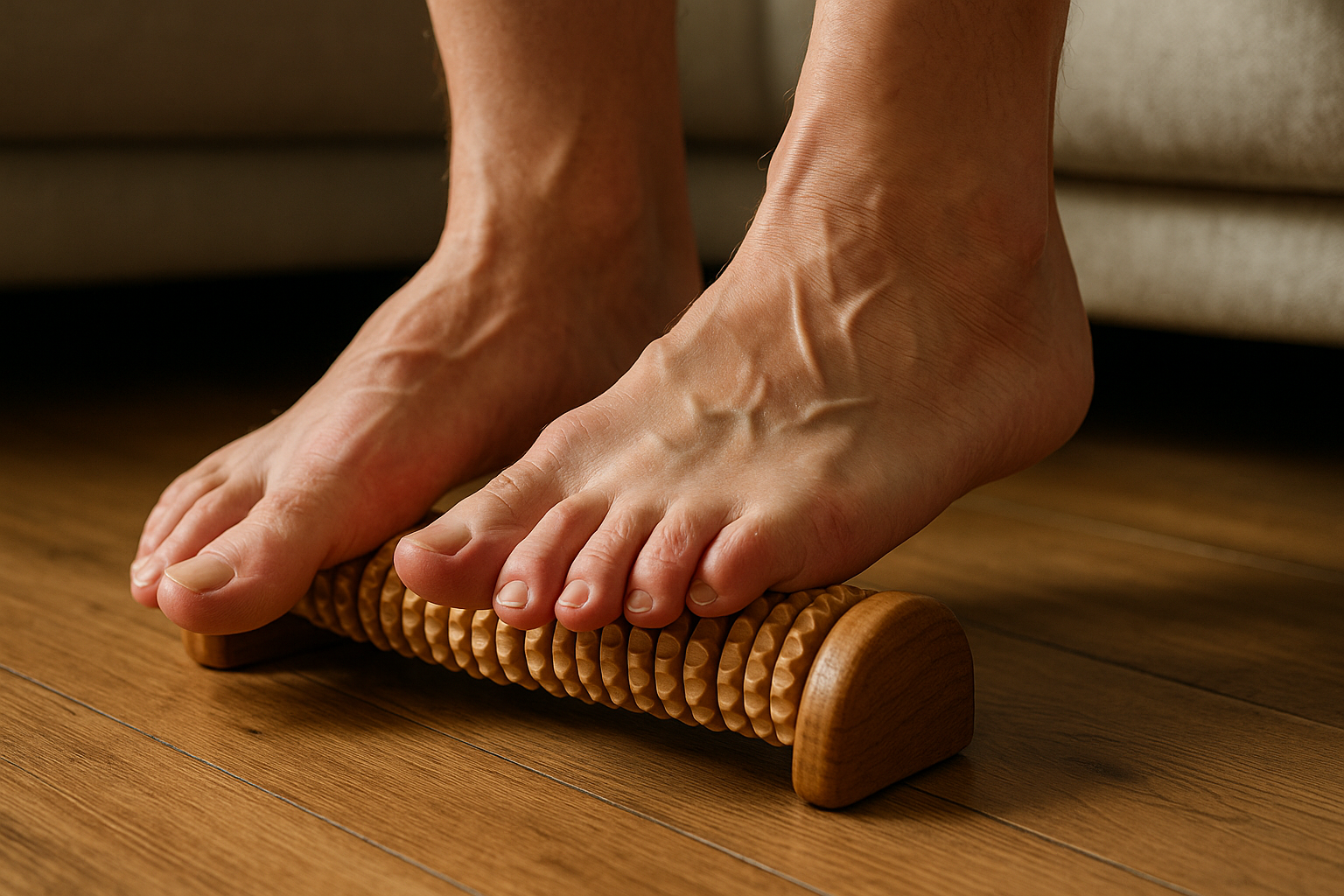
A foot roller is a massage device used to stimulate the reflex zones of the feet and loosen tension. By rolling the foot across the surface of the roller, a light and targeted massage is achieved, which can help improve blood circulation and relieve the feeling of soreness. The use of foot rollers is often experienced as a practical method for reducing the discomfort that comes with an active lifestyle, where the feet are exposed to prolonged strain. This simple approach to massage provides an immediate feeling of relaxation that many appreciate in their daily routine.
How does a foot roller work?
The foot roller works by combining mechanical pressure and movement against the underside of the foot. When the roller is moved back and forth, the pressure can loosen tense muscles and tight connective tissue, which often appears as increased mobility and less stiffness. The movement can also increase local blood flow, and many experience a warming, relaxing sensation in the feet after a short period of use. Stimulation of reflex zones on the sole of the foot can be experienced as calmer feet and reduced restlessness, especially after longer periods of standing or walking work.
How do foot pain and tension show themselves in everyday life?
Discomfort from the feet can show itself in several ways: soreness under the sole of the foot, stiffness in the forefoot or heel, the feeling of tired legs, and periods of cold or numb feet. These experiences can often be linked to prolonged standing work or many steps during the day. In addition, strain in the feet can affect the legs, back, neck, and shoulders, because the body seeks compensation in posture and gait, which can cause increased tension elsewhere.
What can affect the effect of a foot roller?
The effect depends on several simple factors: how hard you press, how long you roll, and how you place the foot on the roller. Gentler pressure can be pleasant and relaxing, while firmer pressure can be felt deeper in muscles and connective tissue. The texture of the surface and the hardness of the roller can affect whether the stimulation is experienced as mild or more intense. Footwear, a hard or soft surface, and your general activity during the day can also affect how quickly you notice an effect.
Variations in design and how they may feel
Foot rollers are available in different forms: smooth rollers, rollers with grooves or ridged surfaces, and small balls for spot stimulation. Firmness varies from soft to very hard, and the choice of material determines how much give there is under pressure. A rough surface provides more targeted tissue stimulation, while a smooth roller distributes the pressure evenly and is often experienced as gentler. Smaller rollers can focus on toes and edges of the foot, while longer rollers cover the entire sole.
How widespread is the use of foot rollers in everyday life?
The foot roller has become a common tool in many homes, used while relaxing in front of the TV, during breaks at work, or as part of the evening routine. Its simple use and low equipment requirements make it a popular choice for those who want quick relief and increased well-being in their feet after an active day.
Body signals in everyday life
Pain and discomfort in the feet can show themselves as small changes in everyday life. It may be experienced as increased stiffness in the morning, a more frequent need to change position, or a tendency to favor one foot. These signals are often linked to daily habits and strains, and they can vary in intensity from week to week. Noticing how the discomfort appears in different situations gives a broader perspective on what changes over time.
Habits and conditions that can affect over time
Some everyday conditions tend to affect the condition of the feet slowly. Repeated prolonged standing, many steps on hard surfaces, and one-sided strain on the feet can have an effect over months. Daily routines such as prolonged sitting, frequent use of tight-fitting shoes, or frequent temperature changes can also affect sensation and comfort in the feet. These conditions can be experienced differently depending on age, activity level, and daily patterns.
- Variation in standing and sitting work
- Regular walking on uneven or hard surfaces
- Frequent changes in strain patterns from day to day
Comfort considerations without concrete advice
When thinking about comfort in connection with the use of assistive tools for the feet, several aspects are relevant. The firmness and texture of the surface can be experienced differently from person to person, and the skin's reaction to material composition can vary. Length and timing of use can play a role in how sessions are found to feel over the course of a day. Being aware of these conditions can provide a more nuanced picture of what works in everyday life without pointing to specific approaches.
Frequently asked questions
Which type of foot roller is best for plantar fasciitis?
The choice of type often depends on how targeted the stimulation should be and how pressure is experienced on the skin. Rollers with a smaller, pronounced texture may be experienced as more focused, while smooth surfaces typically distribute the pressure more evenly. Many seek a balance between firmness and comfort, and personal preference plays a major role.
Can a foot roller be used daily?
Daily use is common for many, but the effect can vary from person to person. Some experience positive well-being with frequent use, while others note that sensitivity or soreness may change over time. It is therefore common to follow your own signals around comfort and sensations.
How do you choose the right foot roller?
The choice of foot roller depends on factors such as desired stimulation, material, and where in everyday life it will be used. Consider how different surfaces feel against the skin and which size suits the typical usage situation. Personal preferences and daily habits are of great importance to the experience.
.