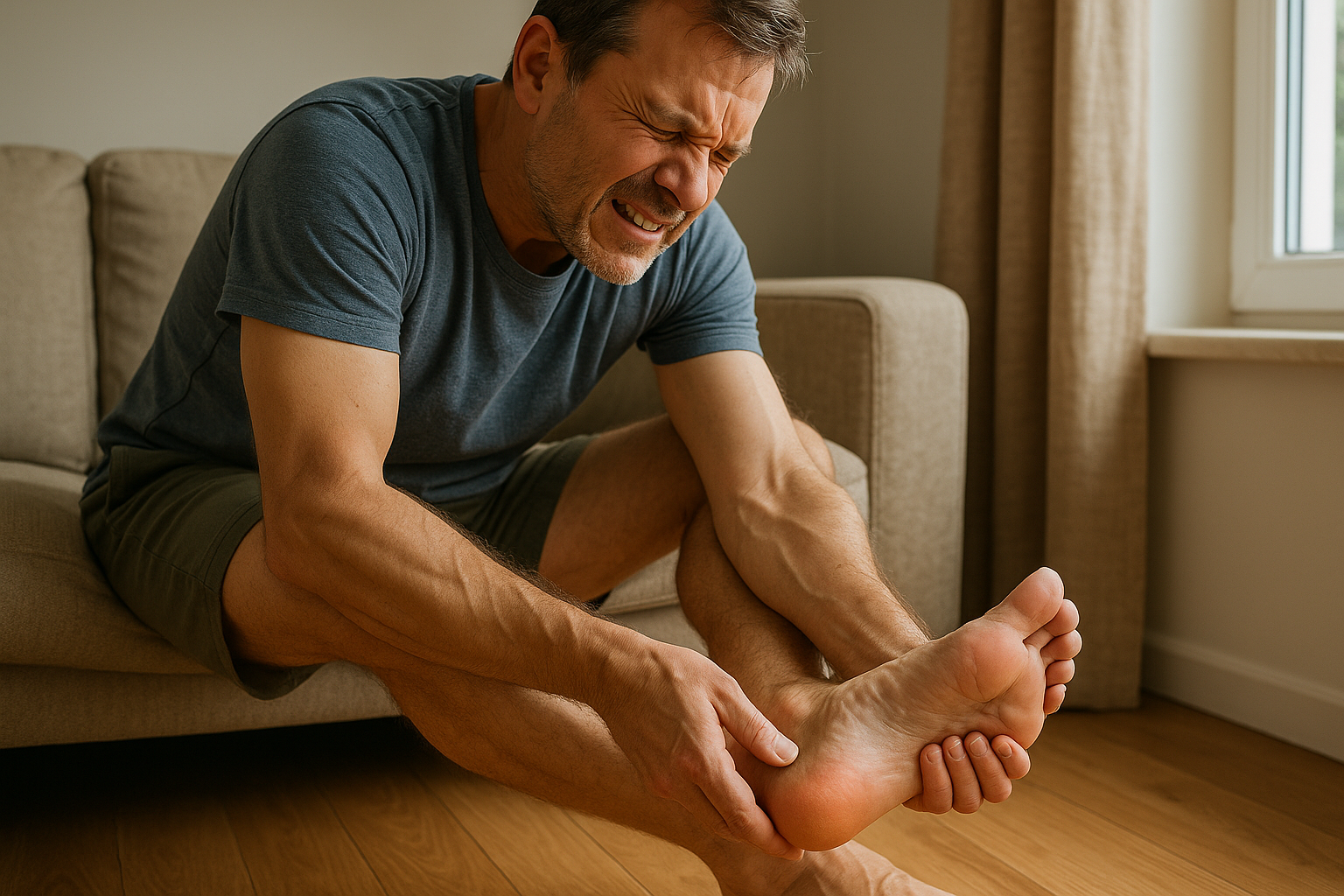
Many people experience pain under the heel, especially in the morning, and the condition can quickly make everyday life less comfortable. It is common to search for information online when the discomfort arises, and many investigate how exercises can help relieve the pain. Today there is an increased focus on simple, home-based exercises that can work to reduce the discomfort and provide a better everyday life. The problem often appears as an overuse condition, where repeated strain and tight tendons in the foot lead to pain and discomfort that is felt clearly, especially after periods of inactivity.
When you experience pain in the heel, it can be challenging to find a balance between daily activity and the need for rest. The pain can vary in intensity throughout the day, and many find that simple exercises can help create a certain level of relief. This information provides an overview of heel spur as a condition and the way it is typically experienced in everyday life, where both activity and rest play a role. The focus is on the daily challenges many face when the heel hurts, and how some home exercises can be part of a broader approach to pain relief.
What is heel spur?
Heel spur is a condition that arises from overuse of the plantar fascia under the foot, and it is often seen in connection with repeated strain. It is not about specific diagnoses, but about the way overstrained tendons can lead to tenderness and pain. The condition is often experienced as follows:
- Sharp pain in the heel area, especially immediately after rest
- Persistent discomfort that can make everyday activities less comfortable
- A sensation of tight tendons associated with repeated strain
The pain can vary from person to person and is often affected by daily activities, where prolonged strain on the foot can worsen the discomfort. Many find that a simple approach with homemade exercises can help ease the symptoms without requiring major changes in the daily routine. It is a condition that many people experience and that can lead to a search for practical methods of pain relief and better well-being in everyday life.
How does the pain appear in everyday life?
Pain under the heel can appear as a sharp or throbbing sensation, typically most noticeable after periods of rest. The intensity can vary throughout the day and can make daily habits such as walking, climbing stairs, or standing for longer periods less comfortable. Reactions in the body can also be felt elsewhere, for example in the feet, legs, back, neck, or shoulders, because altered walking pattern and compensation often change the load in several places.
Which conditions are often associated with worsened symptoms?
The symptoms are often linked to repeated strain and prolonged pressure on the foot, but also to footwear, surfaces, and movement patterns. Hard walking on flat surfaces or shoes with poor support can make the pain worse. Tight calf muscles and stiff tendons can create increased tension in the plantar fascia, which can be a contributing reason why the pain feels stronger after rest or prolonged activity.
Exercises aimed at pain relief and reducing muscle tension
There are several types of exercises that focus both on pain relief and on loosening muscle tension around the foot and lower leg. Heel raise exercises work with both lifting and controlled lowering of the heel and may be experienced as useful when the movement is performed slowly and consciously. A controlled focus on both the upward and downward phase can positively affect the pain by changing the load in the area.
Stretches that may feel beneficial
Stretches aimed at the plantar fascia and calves can reduce tension, which often makes the pain worse. A gentle pull of the toes toward the shin and a heel-down movement against an inclined surface can help provide increased mobility. Stretching may be experienced as especially noticeable after longer periods of rest.
Strength and mobility in the foot and lower leg
Strength exercises focusing on the ankle and lower leg muscles can affect the way the foot is loaded in everyday life. The use of resistance bands or light balance exercises on a soft surface can help change the load pattern and reduce compensation in other areas of the body.
Massage and offloading as a supplement
Self-massage with a small ball or a gentle rolling movement under the foot can loosen local tension and provide temporary relief. Offloading in the form of short breaks from prolonged standing or alternating between sitting and standing activities can reduce the strain and make everyday life more manageable.
What to pay attention to in everyday life
In daily life, there are several conditions that can affect how heel pain develops over time. Small repetitions in movement patterns, choice of footwear, and variation in strain can affect the perception of discomfort. Some things appear as increased stiffness in the morning, while others may be experienced as gradual fatigue in the feet after longer periods of standing.
Small habits that can have an impact over time
There are several daily routines and habits that are often linked to how the area around the heel reacts. It is not about immediate changes, but about patterns over weeks and months. For some people, repeated short breaks in standing work may feel more important than one long break, while others notice differences by switching between surfaces during the day.
- Choice of shoes and differences in support can matter for the load pattern
- Prolonged standing on hard surfaces often appears as greater discomfort
- Tightness in the lower leg muscles is often linked to increased tension in the plantar fascia
- Compensation in walking pattern can shift strain to other joints
Conditions that can make a difference over months
Some conditions only become visible when viewed over a longer time perspective. Variation in daily activities, frequency of intense strain, and repeated work tasks can all affect how the pain is experienced. Mental strain and sleep patterns can also affect the pull of discomfort, as recovery and emotional state are part of the overall impression of well-being.
It is useful to pay attention to patterns rather than individual incidents. Over time, repeated strain and daily habits will often be more relevant than isolated episodes. This type of overview can make it easier to assess which questions you want to ask yourself or examine more closely.
The next section answers some of the most frequent questions that people search for in connection with heel spur and daily management of pain.
Frequently asked questions
Which exercises are most effective against heel spur?
Many people search for exercises, and the most commonly mentioned types include stretching and strength focus for the foot and calf. Widespread methods in online guides focus on controlled movements and gradual effort over time.
How long does it take to notice improvement?
Time frames vary, but periods of several weeks to several months are frequently mentioned before clear change is seen. Consistency in daily habits and the frequency of effort often play a role in the speed of improvement.
Can massage help against heel spur?
Massage is often described as a supplement to other measures and may be experienced as relieving by loosening local tension and affecting circulation in the area. Effect and duration can vary from person to person.
.