Many people experience pain in the heel, especially after periods of inactivity or when starting daily activities. It is common to seek information about heel spur when one feels persistent pain that affects everyday life. This condition can cause concern, as it is associated with discomfort in the foot that can make even the most basic movements challenging. A neutral and factual approach to the topic helps create an overview and understanding of how heel spur can affect everyday life in a number of ways.
When one encounters the term heel spur, it is often with a certain uncertainty, as the experience of heel pain can vary greatly from person to person. Some feel only a slight soreness in the morning, while others may feel the pain with any strain on the foot. Therefore, it is important to get clear and precise information so that one can put one's own experiences into perspective and assess how everyday activities are affected by this condition.
What is heel spur?
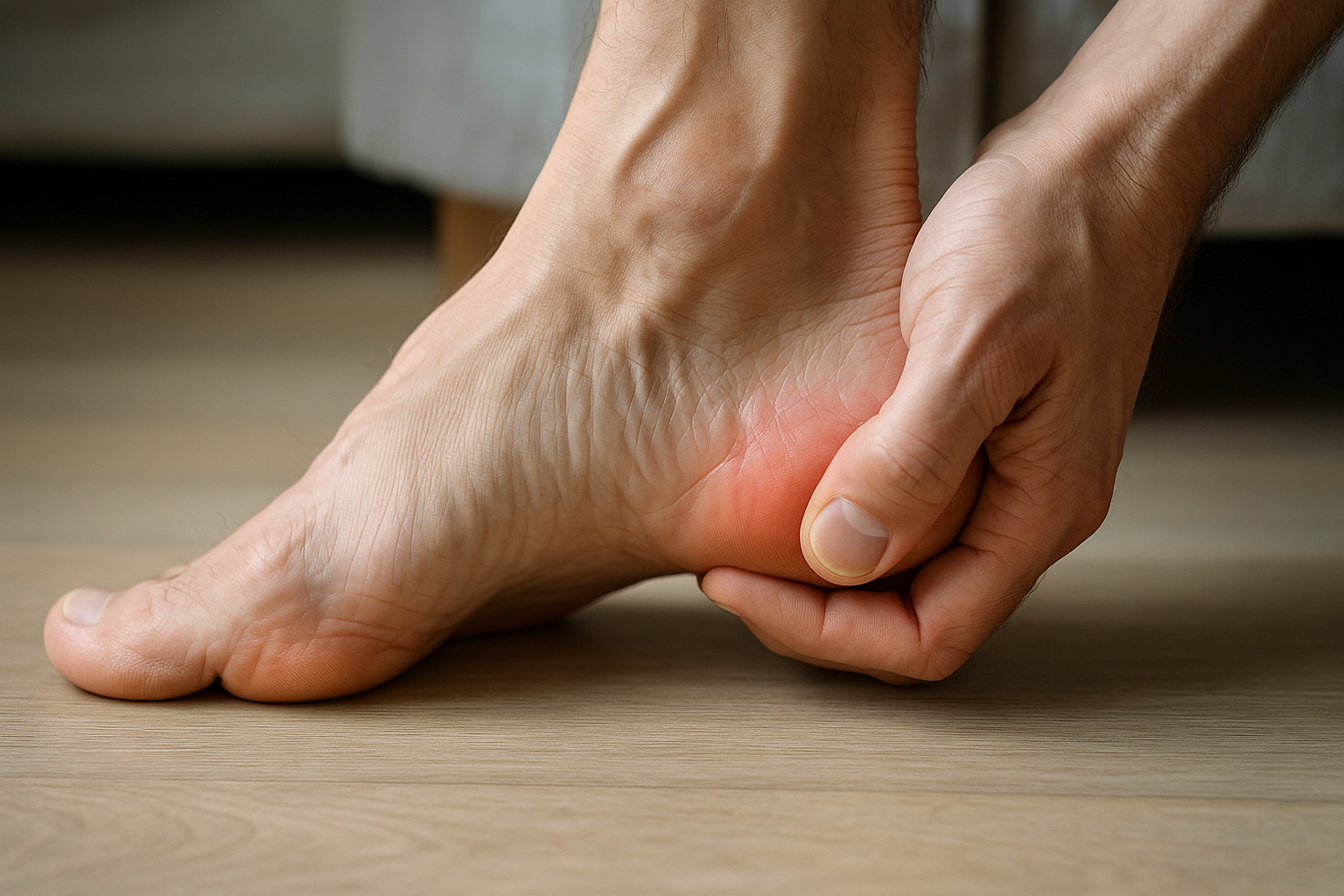
Heel spur is a bony protrusion on the underside of the heel bone, which often occurs as a result of repeated strain or prolonged stress on the foot. The condition is associated with calcium deposits that over time can accumulate and form a small protrusion. Many experience that heel spur is associated with inflammation in the plantar fascia – the broad tendon that stretches from the heel to the toes. This connection between heel spur and inflammation can explain why some experience painful moments, especially when the foot returns to activity after rest.
The experience of heel spur varies, as some people feel only a slight soreness, while others experience that the pain can disrupt everyday routines. This factual perspective provides an initial understanding of heel spur and broadly frames how the condition can manifest itself in everyday life. By looking at heel spur from an overall point of view, it becomes easier to relate to the practical challenges that heel pain can entail and to understand why the topic arouses interest among those who experience similar symptoms.
How does heel spur appear in everyday life?
The pain point is often felt as a sharp or stabbing pain under the heel with the first steps after rest. For many, the discomfort subsides when the foot becomes warm and active, while others may experience a more dull, persistent soreness with strain. The location may be in the middle under the heel or slightly in front, and movements where the toes are bent up toward the shin can cause increased discomfort.
When is the pain most often felt?
The pain typically appears in situations involving startup after rest, for example in the morning or after longer periods of sitting. There may also be worsening during longer periods of standing or during longer walks on hard surfaces. Climbing stairs and sudden changes of direction can be particularly bothersome because the strain on the underside of the foot changes quickly.
How widespread is heel spur in everyday life?
Heel spur is a relatively common cause of heel pain and appears in people with different activity levels. Its occurrence is often associated with age, frequent strain, and choice of footwear. Many have a bony protrusion without feeling pain, while others experience that small daily movements are significantly affected.
Activities that can affect pain
Daily habits matter for how bothersome the symptoms are experienced. Examples of activities that can affect pain include:
- Prolonged standing work or long walks
- Walking on hard, corrective surfaces without shock absorption
- Sudden increases in activity after a period of inactivity
Muscle tension and compensation in the body
When the heel hurts, the gait pattern can change, and this can lead to tension in several places in the body. Compensation can be felt in the feet, calves, and legs, but also in the back, neck, and shoulders if posture changes to relieve pain. Massage can relieve pain by stimulating endorphins and improving blood circulation, while at the same time reducing muscle tension around the foot and in the calf.
Variations in how heel spur appears
There is variation in how people experience heel spur: some have a clear, localized pain point, others feel a broader soreness under the foot, and some experience pain with certain movements rather than constant discomfort. This variation means that everyday life is affected differently—from slight irritation at startup to persistent limitation of walks and standing activities.
What to pay attention to in everyday life
In everyday life, small patterns and repeated strains can matter for how pain in the heel develops over time. Changes in standing work, longer walks on hard surfaces, and shoes with worn soles can gradually change how pressure is distributed under the foot. Likewise, frequent changes in activity level from rest to strain can appear as recurring soreness after rest.
Wear on footwear and surfaces
- Uneven wear in the sole often affects the strain pattern under the heel
- Hard surfaces can make short daily walks more strenuous over time
- Shoes without sufficient support can gradually change the gait pattern
The body's compensation over time
When pain causes movements to change, compensatory patterns can spread to the calves, knees, and hips. This connection is often associated with posture and gait adjustment being changed to avoid discomfort. Over months, such changes can lead to new tension points, which are experienced as stiffness or soreness elsewhere in the body.
Experiences of pain in different situations
The pain can appear differently depending on the type of activity and time of day. Some people experience the most discomfort when starting after rest, while others feel a sense of fatigue after longer periods of standing work. These variations are often related to how the strain is distributed and repeated in everyday life.
It can be useful to pay attention to patterns in one's own activities and how the pain appears in different situations. The frequently asked questions below contain brief information about some common concerns and clarifications that are often sought after reading about symptoms and causes.
Frequently asked questions
How is heel spur diagnosed?
A combination of imaging and clinical assessment is often seen. X-rays can show a bony protrusion, and an assessment of the pain point and mobility helps create an overview of the causes of the symptoms.
Can heel spur go away on its own?
Symptoms can improve over time for many people, while others experience persistent discomfort for periods. The course varies and often depends on which strain patterns occur in everyday life.
How can massage help with heel spur?
Massage can have a relieving effect by affecting nerve signals and by loosening tense structures around the foot. It can also provide temporary relief by reducing muscle tension in the calf and the soft tissue of the foot.
.