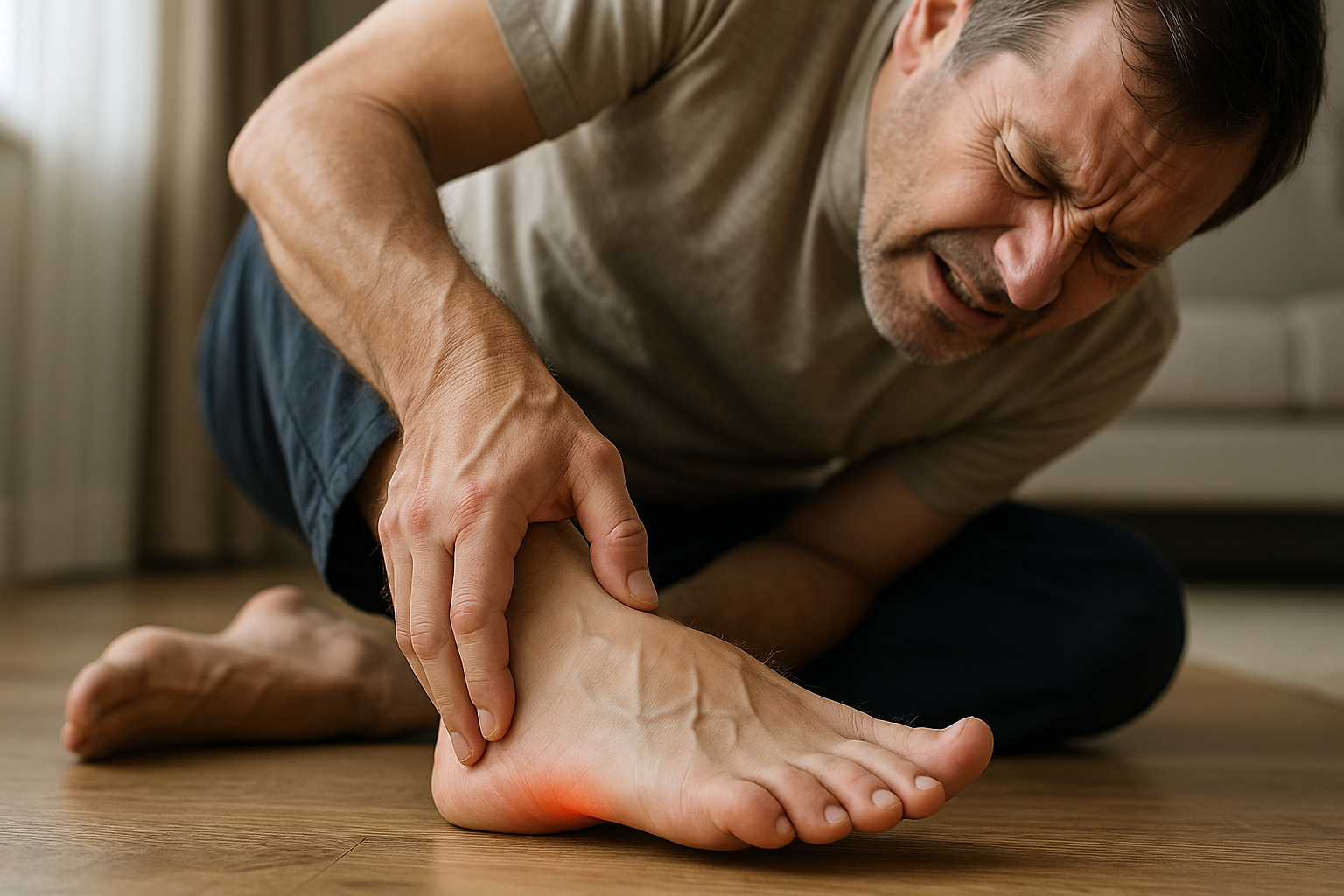
Many experience pain under the heel, especially when the morning begins or after a period of rest. It is common for the discomfort to be felt as a sharp or stabbing sensation that can make the first steps particularly challenging. For many, the pain gives rise to concern, and people therefore seek information about how treatment of heel spurs can relieve the discomfort and improve the function of the foot in everyday life. The pain is often linked with prolonged strain on the foot, and it can be felt both in people with active lifestyles and in those who spend many hours standing or walking. Many feel that the pain drags on and that at times it disrupts everyday life to a greater extent than they had expected.
In a busy everyday life, it is important to have a concrete understanding of what a heel spur actually covers and why the condition occurs. The treatment primarily focuses on relieving the pain, so that one can move with a certain degree of comfort without being hindered by discomfort. It is a condition that often feels as if it is only present in the early hours, but which with inactivity can reappear strongly after a break. Therefore, many are interested in learning how various methods can reduce the daily strain on the heel.
What is a heel spur?
A heel spur is a bony growth on the heel bone, which is often associated with overuse of the large tendon that runs along the underside of the foot. The condition typically presents as pain and tenderness under the heel, especially after longer periods of inactivity or in the morning. Many seek treatment for heel spurs in order to achieve a better everyday life, where the function of the foot is not hindered by constant pain.
When the symptoms occur, they may among other things be felt as:
- Sharp pain with the first steps in the morning
- Persistent tenderness under the heel after periods of rest
- A tendency for the pain to subside with movement, but return after inactivity
It is important to have a factual understanding of what a heel spur entails and how the condition is typically experienced in everyday life. For many, knowledge about the subject is a first step toward achieving an everyday life with less pain and better foot comfort.
How the symptoms present themselves in everyday life
The pain under the heel often presents itself as marked discomfort with the first steps after sitting or lying down. Many experience that the pain is sharp or stabbing at the start, and that it gradually eases when the foot is in motion. At the same time, longer periods of rest can cause the discomfort to return more strongly, so short breaks during the day can affect comfort when resuming walking.
The variation in the pain experience
The level of discomfort varies from day to day. Some days you may only feel slight tenderness, while other days may have pronounced pain, which is often related to the amount of activity earlier in the day or week. Changes in surfaces, the number of hours spent standing, and fatigue in the feet can affect how the pain is experienced.
What often worsens the pain?
Various daily conditions can worsen the discomfort. Prolonged standing work or many walks on hard surfaces often seem to increase the load on the underside of the foot. The use of flat or poorly supportive shoes can also make it harder to avoid pain, just as suddenly increased activity after a period of rest can cause marked soreness.
Connection with muscle tension elsewhere
Discomfort in the feet is often linked with tension in the legs, back, and shoulders. When the function of the foot changes, the gait pattern can also change, which can place extra strain on the knees, hips, and back. Many experience increased muscle tension in the back and neck because the body compensates for pain under the feet, and tension in the calf muscles can make it harder to relieve the heel.
Where muscle tension is typically felt
The areas most often affected are the back, neck, shoulders, legs, and feet. Tension in the calf and foot can be felt directly while walking, while altered movement can cause discomfort higher up in the body. This connection presents itself as increased fatigue in the muscles after a long day and can change how relaxation and rest feel in everyday life.
How widespread is the problem in everyday life?
Pain under the heel is common and is seen in both active people and those with sedentary work. In everyday life, this means that symptoms can occur in many situations—from the first steps of the morning to longer walks or workdays on hard floors—and that attention to strain and comfort is often important for experiencing better movement and less pain.
Everyday patterns and subtle influences
In daily life, there are several factors which over time can affect how heel pain presents itself. The pain may be experienced as variation in intensity and timing, and some patterns are linked to repeated movements, load distribution, and the environment one is in. Smaller changes in daily habits can therefore matter for how the discomfort feels during the week.
Habits and repeated strain
Repeated movements and fixed routines are often linked with how the load is distributed in the foot. In the long term, patterns such as uneven weight distribution, longer periods of standing work, or frequent short trips can influence how the tissue reacts. It is not one single moment, but the sum of repeated strains that can affect the pain experienced.
Environment and daily surroundings
Surfaces, working postures, and modes of transport can affect comfort in the feet over time. Floor type, the amount of walking on hard surfaces, and the daily pace of movement can all play a role in how the discomfort is experienced. Temperature and swelling during the day can also vary and may be experienced as changes in pressure and tenderness.
Other factors you may notice
- Variation in the way you distribute weight on your feet throughout the day
- Frequent use of one shoe type without rotation
- Frequent short lifts or carrying heavy objects
- Changes in daily rhythm, for example longer periods of standing activity
- Mental stress that can increase muscle tension around the legs and back
It is useful to pay attention to patterns and connections rather than isolated events. When one notices how symptoms change in different situations, it provides a broader perspective on what may affect comfort over time. Below follow frequently asked questions that address common uncertainties about these daily conditions.
Frequently asked questions
How can pain vary from day to day?
Pain can be experienced as fluctuating in intensity and timing. Variation is often linked with changes in activity, loading patterns, and the body's own recovery during the day.
Can shoe choice affect the symptoms over time?
Materials and fit in shoes can affect how pressure is distributed on the heel. Long-term use of the same shoes can change the comfort experienced, and several daily choices can interact in relation to the strain.
What role does daily strain play in relation to pain development?
Repeated strain and fixed movement routines can affect how the tissue reacts over time. The connection is often cumulative, where patterns in daily life can make a difference in the frequency and character of the symptoms.
When does it make sense to follow common questions further?
Many seek answers to understand variation and patterns in symptoms. New questions often arise when one notices certain connections in everyday life or wants clarity about what may affect the discomfort over time.
.