Many experience pain and discomfort in the feet, and it is common to hear about inflammation as an underlying cause. At some point, even minor overuse or daily activity can trigger irritation in the foot’s tissue, which can lead to inflammation. This condition is often discussed, as many seek practical advice on how they themselves can relieve the discomfort at home. The focus is often on simpler methods that can create a sense of calm and ease the daily strain. When encountering situations where the foot hurts, it is important to have a basic understanding of what inflammation entails and how it can be felt in everyday life. By having knowledge of the general characteristics of inflammation, it becomes easier to assess which measures are relevant to achieve temporary relief of pain and swelling.
What is inflammation in the foot?
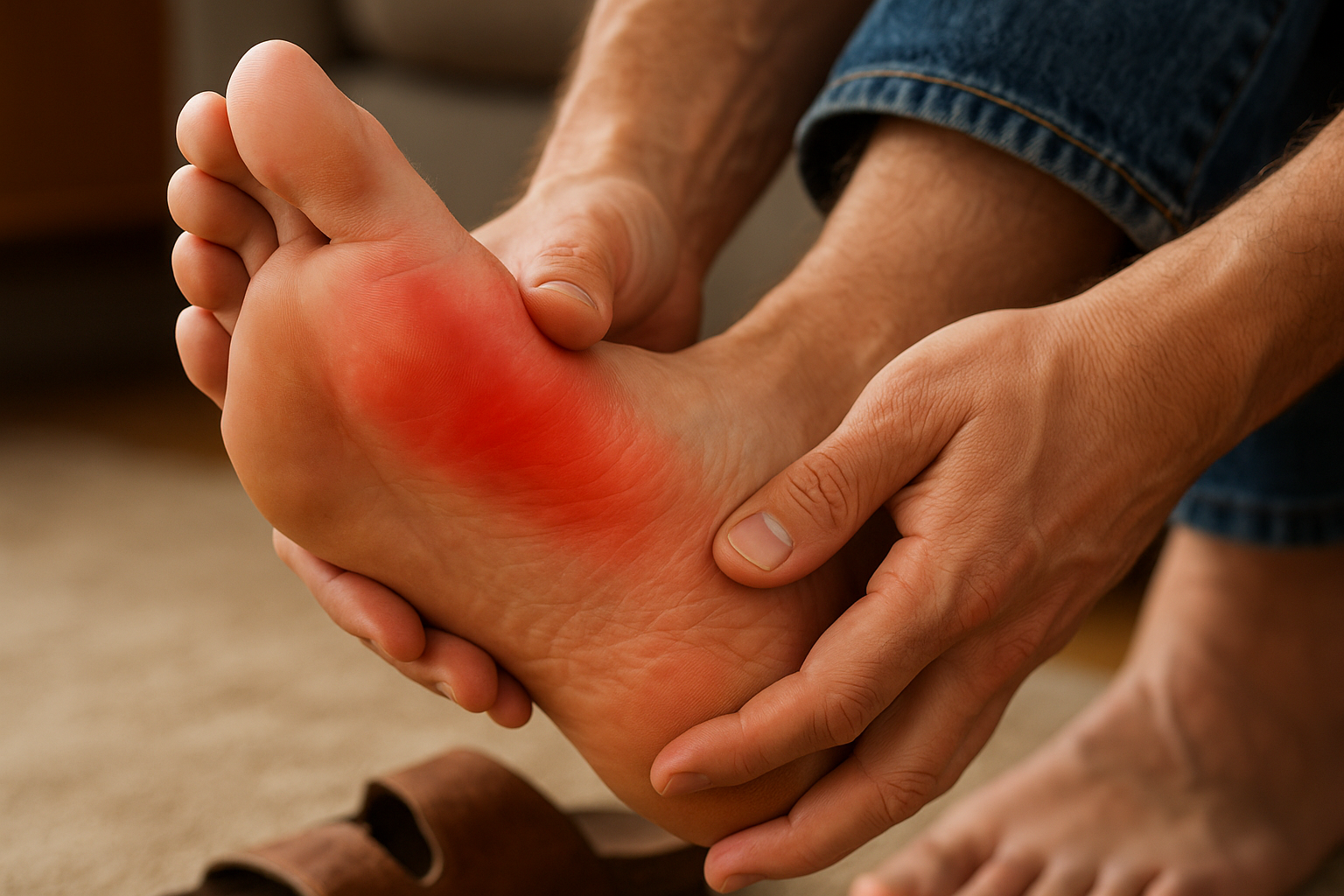
Inflammation in the foot refers to the body’s natural reaction to irritation or minor injuries in the foot’s tissue. This reaction can manifest itself through a range of symptoms, the most common of which are pain, swelling, and redness. The experience can vary from mild discomfort to significant pain, which can affect daily life in general, especially when the strain on the foot increases during longer periods of walking or standing. Many find that during periods of intensive activity or after an unexpected strain, they feel the effects of overexertion, which over time can develop into an inflammatory condition.
Typically, inflammation in the foot occurs when the body’s defense mechanisms are activated to deal with irritation in the tissue. Such a reaction is often seen after periods of overuse, where even small injuries can cause an inflammatory process. This can be experienced as increased warmth in the affected area, which is also accompanied by painful sensations both during activity and at rest. Many who have experienced swelling or discomfort in the foot are interested in finding methods to relieve these symptoms and restore a more comfortable everyday life. A deeper understanding of what inflammation in the foot covers provides a reassuring framework for further considerations about self-care and everyday well-being.
How inflammation in the foot shows itself in everyday life
Inflammation in the foot often shows itself as pain and stiffness, especially during strain. Many experience swelling and tenderness to the touch, and it can be felt both while walking and during longer periods of standing. For some, the pain can affect the walking pattern, which can lead to tension in the legs, back, and shoulders. The symptoms can vary from a diffuse soreness to sharp pain during certain movements, and the experience of discomfort is often linked to the activity level in daily life.
Everyday situations that often cause worsening
Long walks, many stairs, or periods of standing work can worsen the painful sensation in the foot. The use of shoes with insufficient support or sudden increases in activity can cause increased strain on the foot’s tissue. Repetitive movements in leisure activities or sports can also make symptoms more visible in daily life, especially when breaks and recovery are limited.
What typically relieves pain and swelling
Cold compresses for shorter periods can reduce the feeling of warmth and lessen swelling. Elevation and compression are often used to reduce visible swelling in the foot and ankle and can make it easier to walk without severe soreness. Short-term rest from activities that strain the foot can create room for less pain in daily life and lower the level of tension in surrounding muscles.
Massage and heat to reduce muscle tension
Gentle massage of the foot’s soft tissue can improve blood flow and reduce muscle tension, which often gives a feeling of increased well-being. Heat can help loosen sore muscles in the foot, leg, and calf, and the combination of heat and massage is experienced by many as soothing after activity. Regular, gentle handling of tension in the foot can reduce recurring soreness in everyday life.
Painkillers and temporary relief
Pain-relieving preparations are commonly used to temporarily reduce pain until other relieving measures take effect. They can make it easier to stay active at a lower level and thereby avoid a sharp increase in muscle tension in the foot, leg, back, and neck. Information about the use of such products is widely available, but decisions regarding medication are best assessed in cooperation with a professional.
Everyday factors that can affect the foot over time
In daily life, there are several conditions that can slowly change the way the foot reacts to strain. The hardness of surfaces in everyday life, repeated movement patterns, and the condition of the shoe are often connected with how pain and discomfort develop. Temperature and moisture in the surroundings can also affect the sensation in the tissue and muscle tone, and poor sleep or increased stress can make the experience of pain more pronounced.
- The shoe’s fit and wear pattern can change the strain on areas of the foot
- Long periods of standing work or repetitive movements can increase the strain over time
- Frequent use of the same type of footwear without rotation can change the pressure distribution
- Changes in weight and posture affect how strain is distributed in the feet
Habits that often matter
Repeated daily habits can help determine how the foot feels after activity. Timely recovery between periods of strain and variation in daily movements are often associated with fewer recurring irritations. Many find that small changes in routines — for example, longer time in the same working position or frequent carrying of heavy objects — can make the condition more persistent.
Overall considerations for daily well-being
It can be useful to pay attention to patterns in pain and discomfort rather than isolated episodes. Notes on which activities typically take place before increased soreness, and whether symptoms vary throughout the day, can give perspective on which factors have an impact. At Reliefr, we see that many also notice how footwear changes over time, and how small repeated strains can alter the walking pattern. These observations can help to understand what affects well-being in everyday life.
Over time, small shifts in strain or changes in daily routines can make a significant difference in how the foot reacts. A calm approach to following symptoms and patterns encourages a better understanding of what plays a role, without giving concrete instructions for action.
Frequently asked questions
Can massage help with inflammation in the foot?
Massage can improve local blood flow and reduce muscle tension, which is often experienced as relief. The effect can vary depending on the cause of the irritation and how long the symptoms have lasted.
Can shoe choice affect how pain develops?
The shoe’s fit and support can affect the pressure distribution in the foot’s tissue. Over time, repeated use of unsuitable footwear can change strain patterns and thereby play a role in the experience of pain.
How quickly can one expect improvement with mild symptoms?
For mild and short-term discomfort, changes in symptoms are often seen within a few weeks, but the time frame depends on individual conditions and which strains the foot is exposed to in everyday life.
Which daily factors are worth observing to gain perspective?
Notice repetitive movements, changes in footwear, variation in surfaces, and how pain changes throughout the day. These observations provide insight into which factors may be relevant over time.