Many experience pain in the heel, and for many this can be a challenge in everyday life. The pain can arise gradually and is felt especially during the first steps in the morning or after longer periods of inactivity. It is common to begin wondering whether a heel spur is the cause of these unpleasant sensations, and therefore many seek specific advice and exercises for heel spurs. This text provides a neutral and factual introduction to the topic, focusing on how the discomfort is typically experienced and what it involves. By gaining a better understanding of the issue, it becomes easier to notice the connection between everyday strain and the painful symptoms, which is often a first step toward a condition where one can work on relieving the discomfort through simple exercises and training at home. Some experience that slight changes in the daily routine and targeted exercises for heel spurs can help reduce the pain, so that it does not have to limit the activities one enjoys.
What is a heel spur?
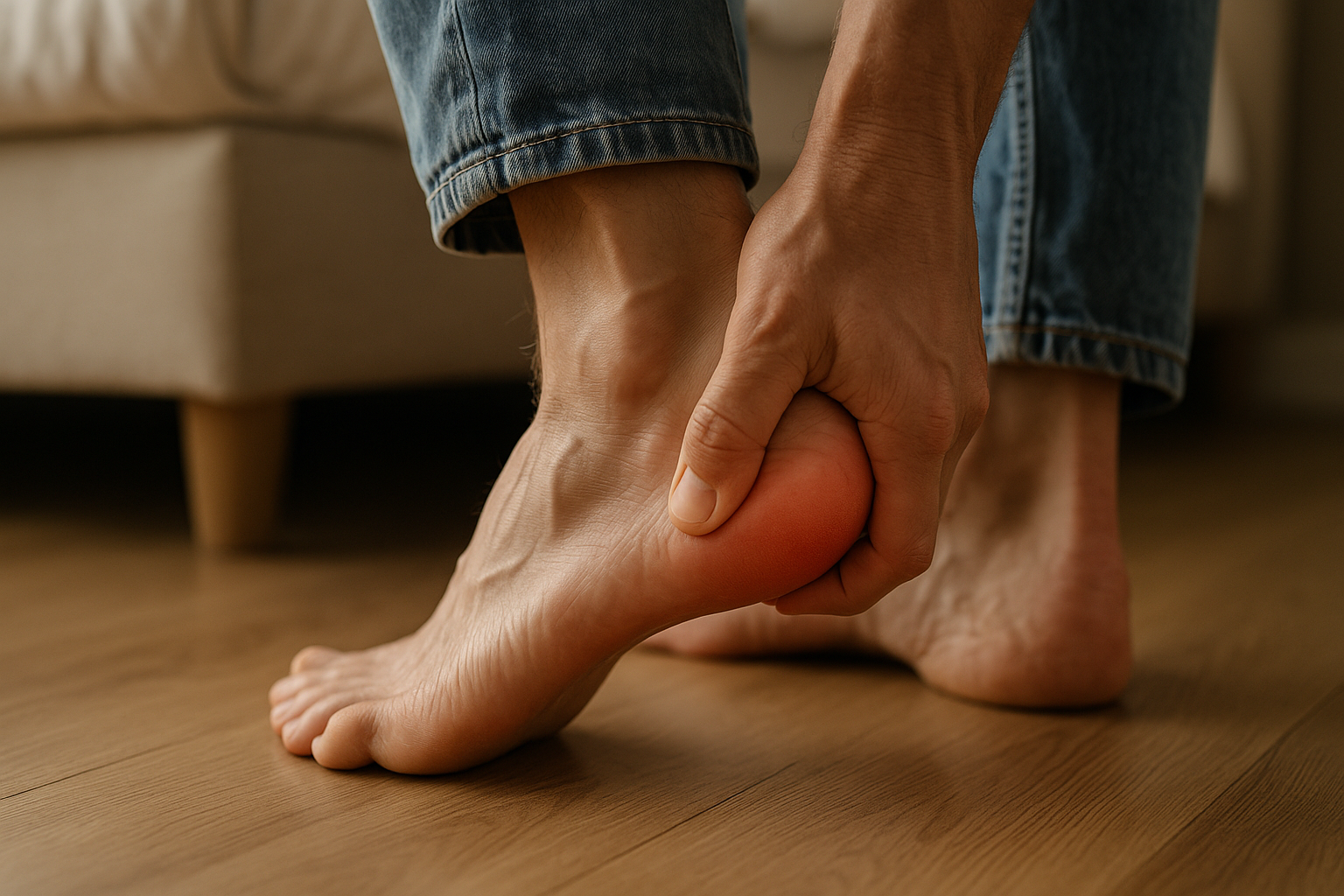
A heel spur is a condition that arises due to overloading of the tissue under the heel. The condition is often felt as a sharp pain at the start of a period of activity, such as in the morning or after a long rest. Many who are physically active or over 40 experience this form of discomfort, which can be associated with repeated strain. Although the symptoms may subside somewhat when one is moving, the pain can return during prolonged walking or standing activities.
Some of the typical features of a heel spur may include:
- Sharp pain during the first steps in the morning
- Discomfort during periods of prolonged strain
- Pain that can vary in intensity throughout the day
For those seeking exercises for heel spurs, it can be helpful to start with a thorough understanding of how the condition affects the foot. By identifying the times and situations where the pain is most pronounced, it is easier to adapt exercises that are targeted precisely at these symptoms. Exercises for heel spurs come in many forms and can offer a method to reduce discomfort, so that one can better manage everyday challenges without compromising freedom of movement.
How the pain often appears in everyday life
Pain from a heel spur typically appears as a sharp or stabbing sensation during the first steps in the morning, which may subside somewhat once one gets moving. Many experience that the discomfort returns after longer periods of standing work or during longer walks. The pain can affect the gait pattern and lead to increased tension in the foot, ankle, and calf; in some cases, secondary strain is felt in the knee or back as a result of altered movement.
Everyday factors that can affect the pain
Several daily conditions can affect how much pain is experienced. Rapid increases in activity level, prolonged standing work, and repeated strain in leisure activities are often associated with worsening symptoms. Wearing shoes without sufficient support or with a very worn sole can change the load on the arch and increase pressure against the heel. Hard surfaces and weight gain are other factors that can affect the intensity of the pain.
Exercises and massage aimed at pain and tension
Different forms of movement and gentle mobilization can help relieve pain and loosen muscle tension around the heel. Stretching of the arch and calf muscles aims to reduce tension in the tissue under the foot and in the Achilles tendon, while slow heel raises can strengthen the structures that bear the load from the heel. Using an elastic band for the foot and ankle muscles can improve stability and thereby reduce inappropriate strain in everyday life.
- Plantar fascia stretch and calf stretches
- Slow heel raises for strength around the arch
- Resistance band exercises for foot and ankle
- Self-massage with a ball or roller to loosen tension
Massage and rolling of the underside of the foot and calf can be experienced as soothing by increasing local blood flow and reducing muscle tension. The combination of stretching, strength, and gentle massage often provides relief in everyday life, especially when performed regularly. Expectations of improvement vary, but with persistent use a gradual reduction in pain and better freedom of movement are often seen.
What you can pay attention to in everyday life
In everyday life, small recurring factors can affect how pain in the heel appears. Variation in standing and walking activities, choice of footwear from day to day, and the hardness of the surface are often associated with changes in discomfort. The pain may be experienced as more pronounced after longer periods of one-sided strain or with sudden changes in routine. In addition, rest and recovery during the day can play a role in how the pain feels on waking in the morning or after longer periods of sitting.
Habits and patterns over time
Some conditions develop slowly and can affect the heel over a longer period. Continued use of shoes with worn soles or without support can change the load distribution in the foot. Uniform movement patterns at work or in leisure time can lead to repeated strain on the same areas, and weight changes can alter the pressure conditions against the ground. Over longer periods, these elements may appear as variations in the frequency and intensity of pain, without necessarily having a clear single cause.
Other daily factors that may be relevant
Sleep quality and general recovery often affect the experience of pain and can help make pain more prominent during periods of poor sleep. Mental strain can also play a role by changing attention to discomfort. It may also be worth noticing whether the pain affects the gait pattern or causes compensation in the knee and hip, as such changes over time can lead to new tension patterns in the body.
Concluding and moving on to frequently asked questions
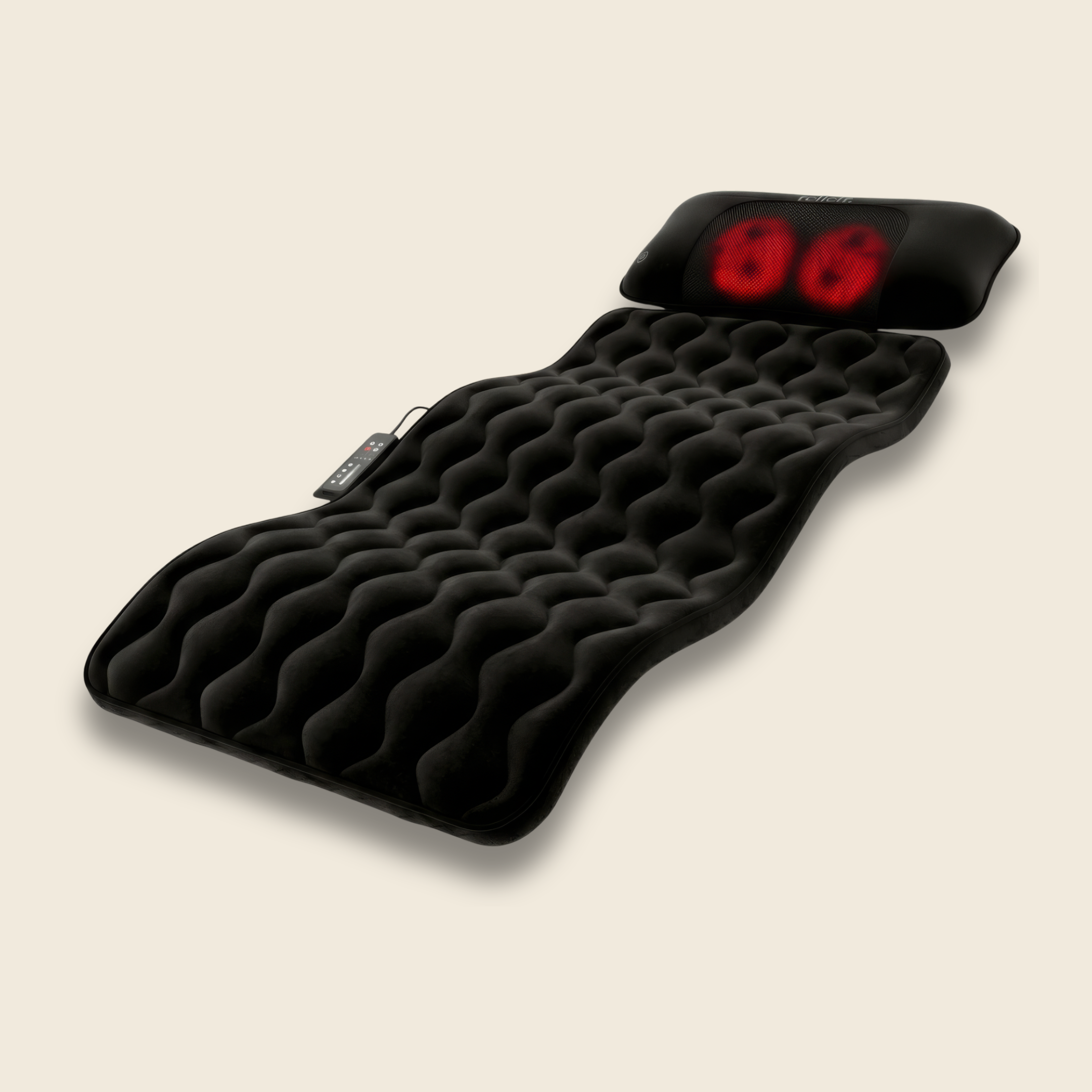
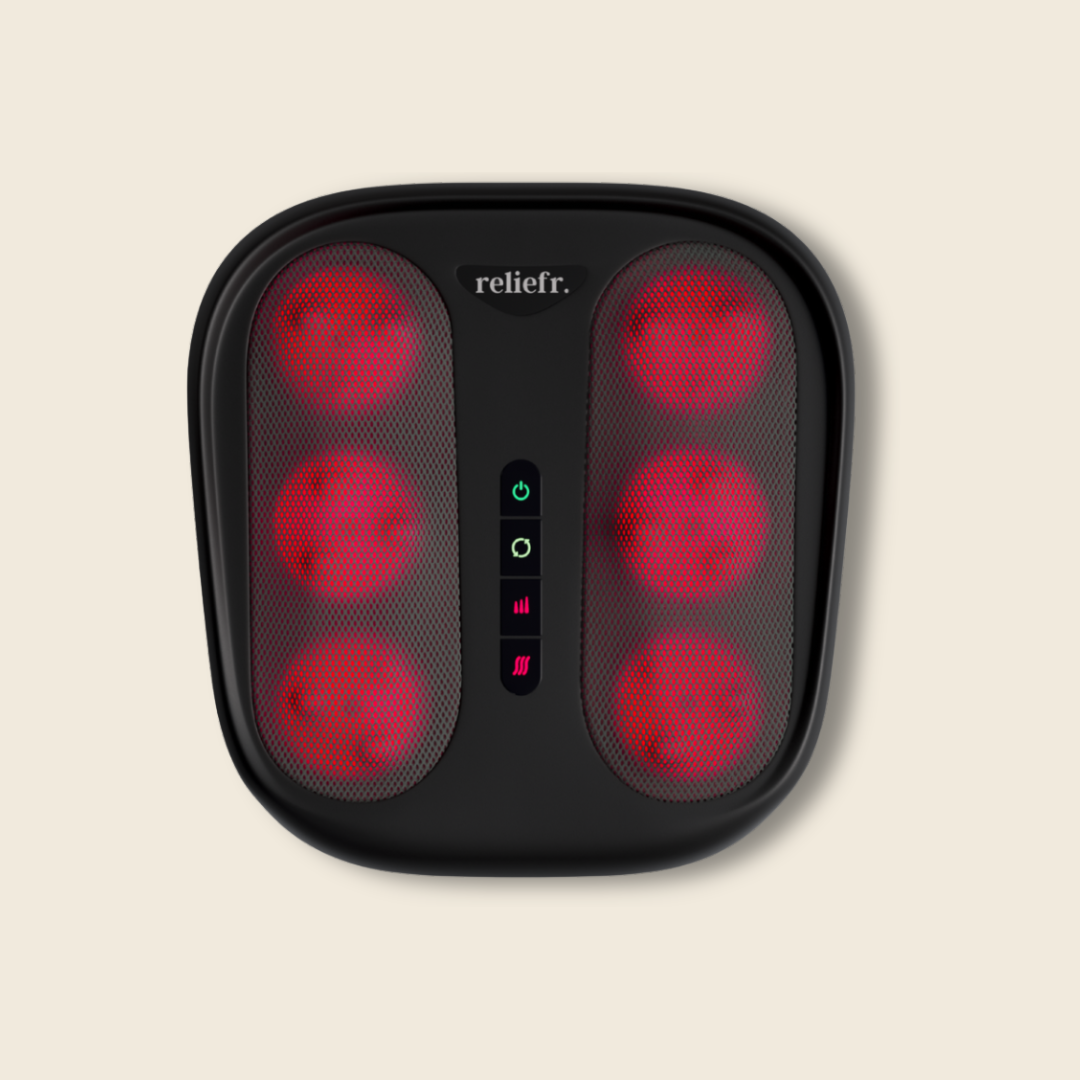
A calm and informative approach to everyday habits can provide a clearer picture of which patterns are associated with the pain. Observing repetitions and variations in everyday life can help focus on what changes over time. At Reliefr, there are wellness materials that some find relevant in this context. Below follows a number of frequently asked questions that address common points of doubt.
Frequently asked questions
How long can it take before exercises begin to have an effect?
The time frame varies greatly from person to person. Many experience changes within a few weeks, while others see a difference over several months. Frequency and daily load patterns often play a role in the pace of improvement.
Can massage devices or massage balls matter for the pain?
Some experience that using massage tools can feel soothing and contribute to increased comfort in the foot and calf. The effect varies depending on individual sensitivity and what daily habits look like.
How can I tell whether something is changing in a positive direction?
Small changes in when the pain occurs, how long it lasts, or whether it is less sharp during the first steps of the morning can be signs of change. Attention to patterns in everyday life gives an impression of development over time.
.