Many experience pain in the arch, and it is common for the discomfort to be felt in everyday life, especially after periods of prolonged standing or walks. The pain can be a source of frustration, as it can both disturb daily activities and make simple movements less comfortable. Some find that it is most bothersome with the first steps in the morning, while others experience that the discomfort grows during the day when the foot is exposed to persistent strain. It is not uncommon for the sensation that arises in the foot, especially under the arch, to raise questions about whether it is due to overuse after an active day or perhaps something related to the way the foot is loaded during certain activities. This type of pain can affect daily life, as it prevents one from fully enjoying both rest and movement, and it can contribute to concern about whether a more serious problem underlies the discomfort.
The frequency of pain in the arch explains why many seek knowledge on the subject. Having a basic understanding of what the pain covers provides reassurance in everyday life, as it makes it easier to explain the symptoms and assess the situation based on an objective description. By looking more closely at how the pain is experienced and which everyday scenarios can intensify it, it is possible to assess both the extent of the discomfort and the adaptation options that may be considered for a more comfortable everyday life.
What is pain in the arch?
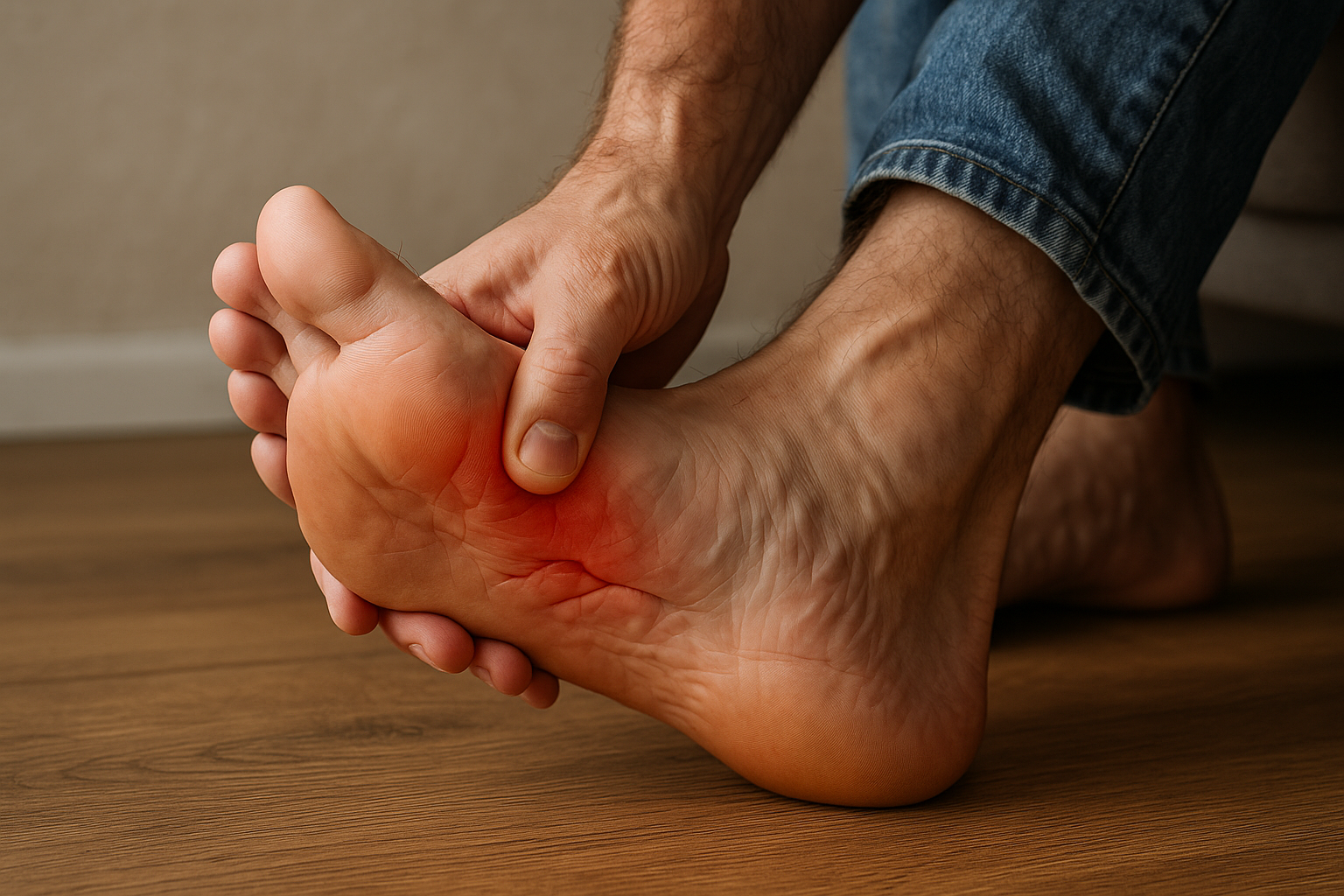
Pain in the arch refers to pain that is typically felt in the area under the foot where the arch is located. This pain can arise in connection with increased strain and can often be felt more pronounced after periods of inactivity, such as in the morning with the first steps. It is common for the pain to vary in intensity and to be felt differently depending on which activities load the foot. For some it may feel like a twinge of discomfort that slowly grows, while others experience a sharp sensation when the foot is exposed to pressure. Having knowledge of how the pain arises and when it typically manifests can help create a better understanding of what is happening precisely in the area under the foot and why what is experienced as pain in the arch becomes part of daily life.
Causes of pain in the arch
Pain in the arch is often linked to strain on the area under the foot. Frequent causes include prolonged standing or walking, sudden increases in activity level, and a load distribution where the arch bears more weight than normal. Tightness in the calf and muscle tension in the underside of the foot can also cause increased pressure on the arch tendon. In addition, body weight and footwear without sufficient support can make symptoms more pronounced.
How the pain shows itself in everyday life
The pain can show itself as stiffness or a sharp sensation with the first steps in the morning or after longer rest. Many experience a pressing or burning sensation during strain, and pain may be worse after long periods of standing or walks. Pressure over the arch can cause local soreness, and muscle tension in the lower leg can be felt at the same time as the discomfort in the foot.
How frequently is pain in the arch seen?
In everyday life, many experience periods of discomfort in the arch, especially in connection with changes in activity patterns. People with jobs or leisure activities that involve a lot of standing or walking often mention that the discomfort occurs in phases. The occurrence varies according to strain, and symptoms can be intermediate-phase to persistent depending on daily habits.
Factors in everyday life that can make pain worse
Choosing unsupported footwear, hard surfaces, and prolonged lying or standing work tasks can make pain more pronounced. Suddenly increased strain, e.g. longer walks than normal, can lead to worsening. Muscle tension in the legs, such as calves and thighs, can increase the pressure against the arch and thereby affect the pain. Discomfort in the back, neck, or shoulders can also indirectly affect gait and thereby the load on the feet.
Variations in pain pattern
The pain can vary from brief stabbing sensations to more persistent, dull soreness. Some experience clear worsening with certain movements or activities, while others have a more constant bothersome feeling. Intensity and duration can shift from day to day and are affected by overall muscle tension in the leg and foot as well as the degree of daily strain.
Worth paying attention to in everyday life
When pain in the arch occurs regularly, it can be useful to pay attention to patterns rather than looking for isolated causes. The pain can be experienced differently from person to person, and certain daily conditions tend to affect how the discomfort develops over time. Prolonged standing periods, repeated strain during a workday, and one-sided use of the feet are often linked to changes in the pain experience.
There are also relationships between the hardness of the surface, variation in daily movement patterns, and sensitivity in the arch. Some notice that uneven surfaces or frequent shifts between walking and standing activities make the pain experience more fluctuating. Over months, changes in weight, wear on footwear, or changes in gait may affect how the arch reacts to strain.
- Daily habits that affect load distribution
- Varied use of the feet at work and during leisure
- Gradual change in physical demands over time
- Changes in rest and recovery patterns
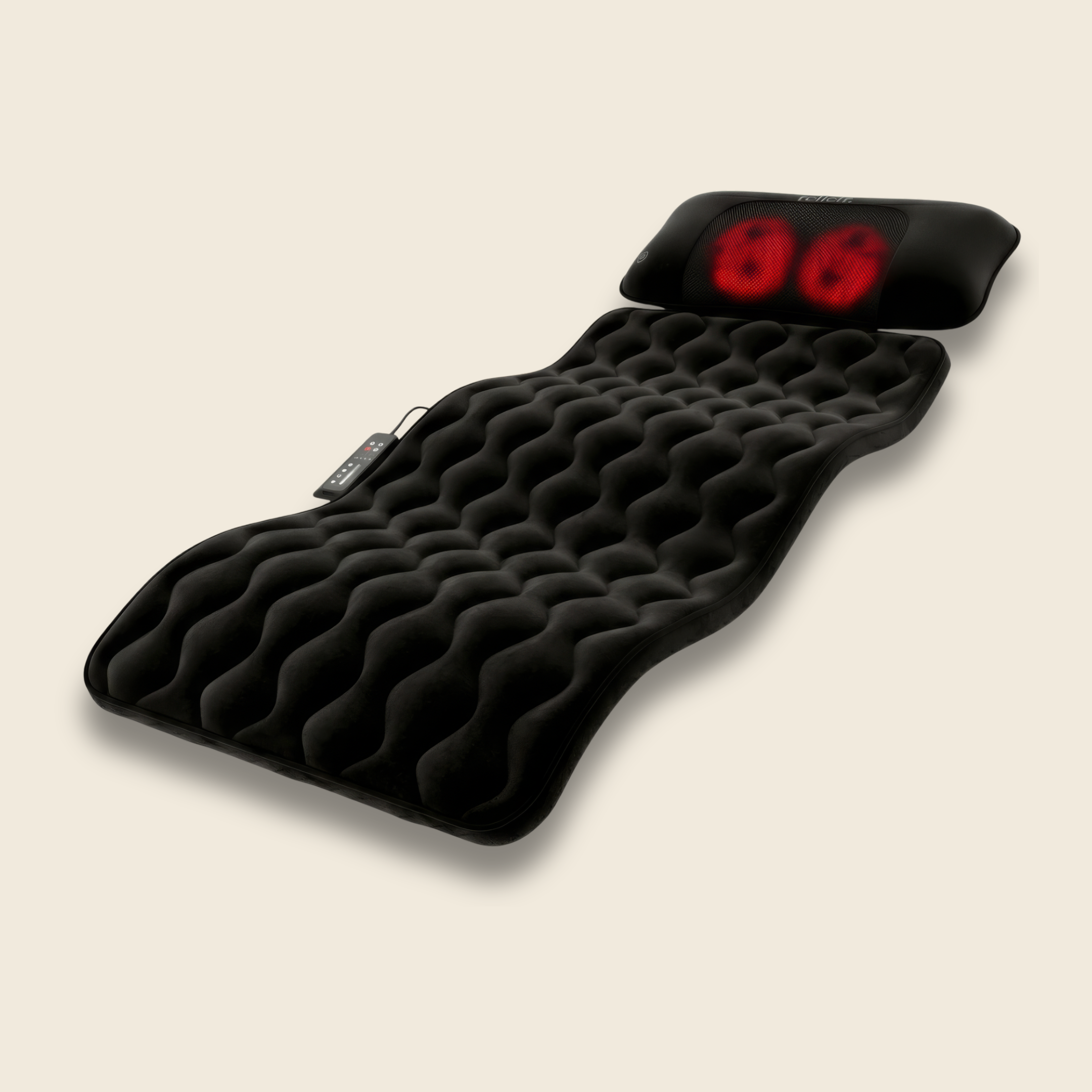
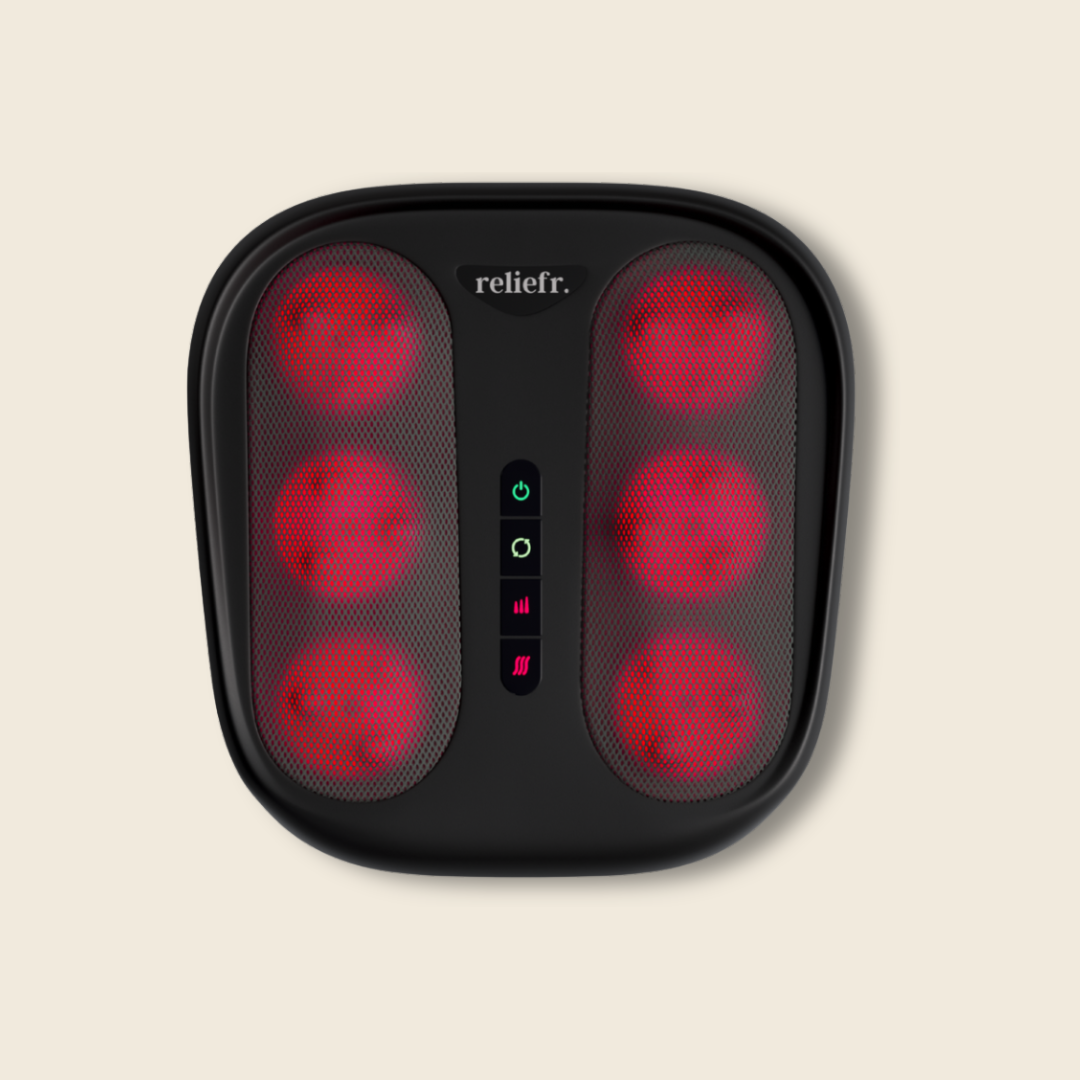
Massage and relief can matter for the perceived tension in the foot and lower leg. Massage often affects blood circulation and muscle tone and can be experienced as a way to reduce stiffness. Relief can change how load is distributed, and it can be a factor that shows itself as changed symptoms over time. Some products at Reliefr are referred to in this connection as aids for home use, but the content here focuses on observations rather than concrete recommendations.
It is also relevant to be aware of how daily patterns change over weeks and months. Periods of increased activity can occur in phases, and subsequent periods of less strain can give a different picture of the pain experience. Noting recurring patterns can provide a clearer picture of which conditions are linked to worsening or improvement.
Frequently asked questions
How can massage affect the experience of pain?
Massage can be experienced as pain-relieving by reducing muscle tension and affecting local blood circulation. Many describe a feeling of less stiffness and greater mobility in the treated area after massage, which can change the overall pain experience.
Can sleep and recovery play a role in pain in the arch?
Sleep and recovery are often linked to the body's ability to handle strain. Sufficient rest can affect how fatigue and tension develop in muscles and tendons, and thereby how pain in the arch shows itself in everyday life.
What can changes in activity patterns mean for the duration of discomfort?
Changes in activity level can lead to variation in symptoms over time. Periods of increased strain can make the discomfort more persistent, while longer periods of less strain can change the way the pain is experienced, although this does not necessarily lead to a uniform development.
.