Many people experience discomfort and pain in the heel, which can have a major impact on everyday life. The pain can arise during ordinary activities such as walking, standing, or running, and it can make it challenging to enjoy both work and leisure. It is common for the pain to come suddenly and to be experienced as an intense stretching sensation or a persistent soreness associated with strain on the foot. The feeling of pain in the heel is a reminder that the body is sending signals of overuse, which often leads to a search for information about what is actually going on. Many therefore seek to understand whether their pain may be due to heel spurs and how they can best alleviate the discomfort in everyday life.
An active lifestyle, frequent standing work, or repeated strain from running are types of everyday activities that can result in irritation in the foot area. When the pain manifests itself, it can be experienced both as a local soreness and as a more persistent irritation at pressure points around the heel. It is therefore important to have a clear overview of what heel spurs entail in order to understand why certain movements cause discomfort and how overuse over time can intensify the symptoms.
What are heel spurs?
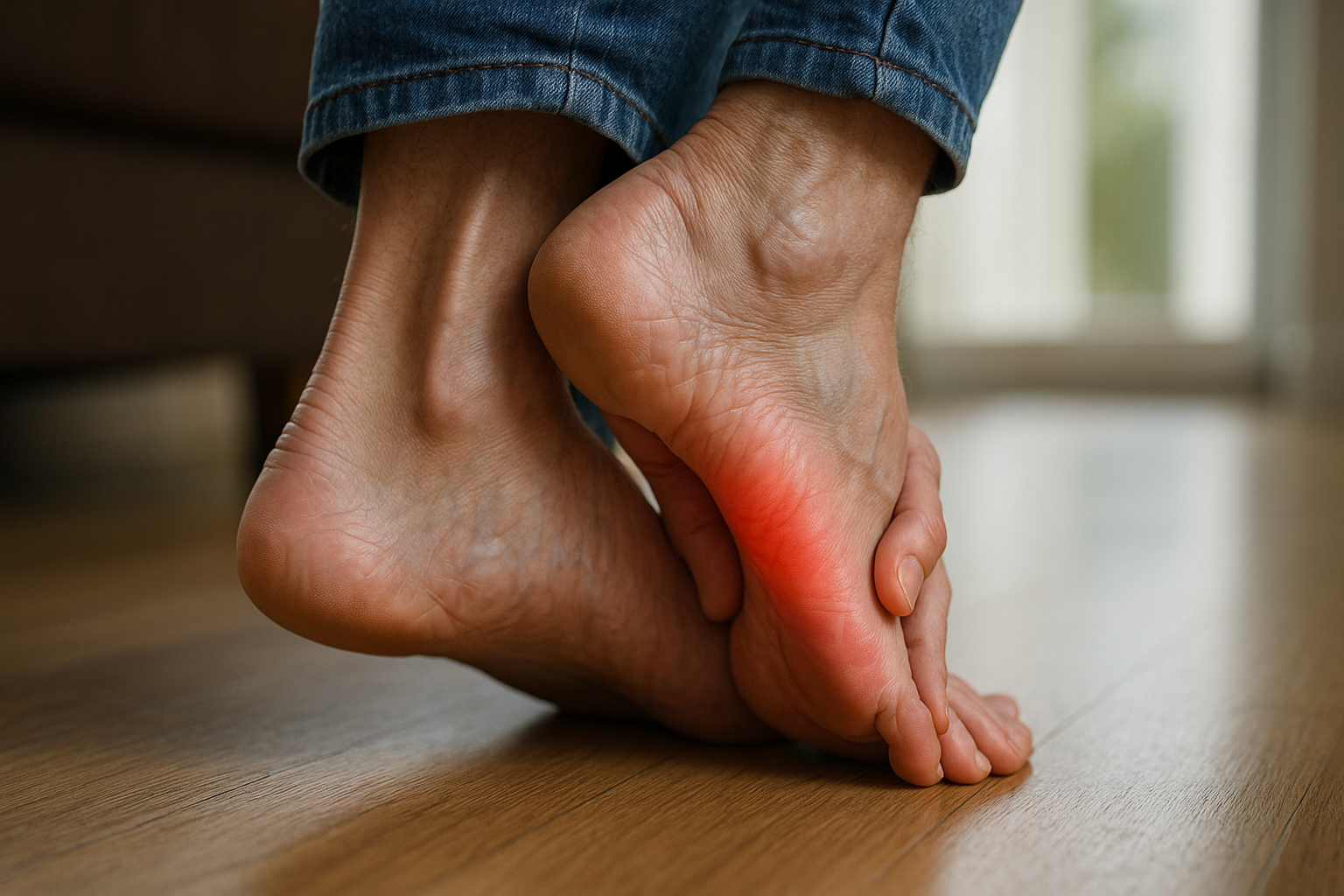
Heel spurs occur when calcification happens where the plantar fascia attaches to the heel bone as a result of repeated strain and micro-damage. The condition often develops over time, where the accumulated impact leads to inflammatory conditions and discomfort, especially after periods of inactivity or in the morning. Some of the typical features of heel spurs can be described as follows:
- Pain that is often felt as a stabbing or sore sensation in the heel.
- Increased discomfort during longer periods of strain, for example during standing work or running.
- A tendency for the pain to be most pronounced after periods of rest, as the foot has had the opportunity to accumulate tension.
Over time, the repeated strain and the small strain injuries can intensify the condition. Many experience that the pain becomes a reminder of the importance of paying attention to the body's signals and taking into account how everyday activities affect the well-being of the feet. Before seeking further help or making changes to one's lifestyle, it can be beneficial to have a basic understanding of what heel spurs cover and how this condition is typically experienced in everyday life. This provides a better basis for following the subsequent instructions and suggestions for everyday measures that can relieve the accompanying pain and increase comfort in daily life.
Causes in everyday strain
Pain in the heel is often associated with repeated strain from activities such as running, long periods of standing work, or frequent movement on hard surfaces. The strain can lead to small injuries and local irritation at the heel's attachment point, which over time can develop into a condition with calcification or persistent irritation of soft tissue. Factors such as increased body weight, shoes without sufficient support, and sudden changes in activity level tend to increase strain in everyday life.
How does the pain appear in everyday life?
The pain can be experienced as sharp stabs or a persistent soreness, and it is often most noticeable in situations involving strain after rest, for example the first steps in the morning. Hard surfaces and prolonged standing often make the discomfort more obvious. In addition to the feet, an altered gait pattern can lead to increased tension in the legs and further up in the back or neck, so the pain is not limited to just one area.
How widespread is the problem and who notices it most?
Heel-related pain is commonly occurring in the population and is often seen in those who put a lot of strain on their feet daily. People with an active lifestyle, runners, and people with sedentary work who suddenly increase their activity often belong to the most affected groups. Age and weight may also contribute to symptoms appearing more frequently.
Variations in the pain picture
There is a difference between whether the pain primarily stems from visible calcification at the heel bone or from irritation in the soft tissue. Calcification can be present without major pain, while irritation in the tissue is often felt as a more widespread soreness. Symptoms can vary from sharp, pinpoint pain to a diffuse, persistent soreness, and the degree of discomfort is often associated with the amount and type of daily strain.
Everyday consequences for well-being
Pain in the heel affects walking, the ability to stand for a long time, and the desire to participate in leisure activities, which can lead to increased fatigue and reduced well-being. Prolonged pain can lead to compensation in movements, which then creates tension in areas such as the shoulders and neck because the body tries to avoid painful movements. Relief in everyday life and attention to strain patterns can therefore be important for reducing the overall impact on daily life.
Everyday awareness in case of heel pain
When pain in the heel appears repeatedly, there are several daily circumstances that may be relevant to notice. The pain may be experienced as varying in intensity from day to day, and certain patterns in everyday activity are often connected with how the discomfort develops over time. Calm attention to rhythms in home life, work, and leisure often provides a clearer picture of when the pain is most prominent.
Habits and circumstances that play a role
There are typical circumstances that many notice become significant over time. Weight changes, frequent shifts between surfaces, and longer periods of standing activity can affect how the heel reacts. Likewise, repeated, small changes in daily habits can lead to the experience of pain changing gradually. It is useful to pay attention to patterns rather than looking for a single explanation.
Massage and relief as daily elements
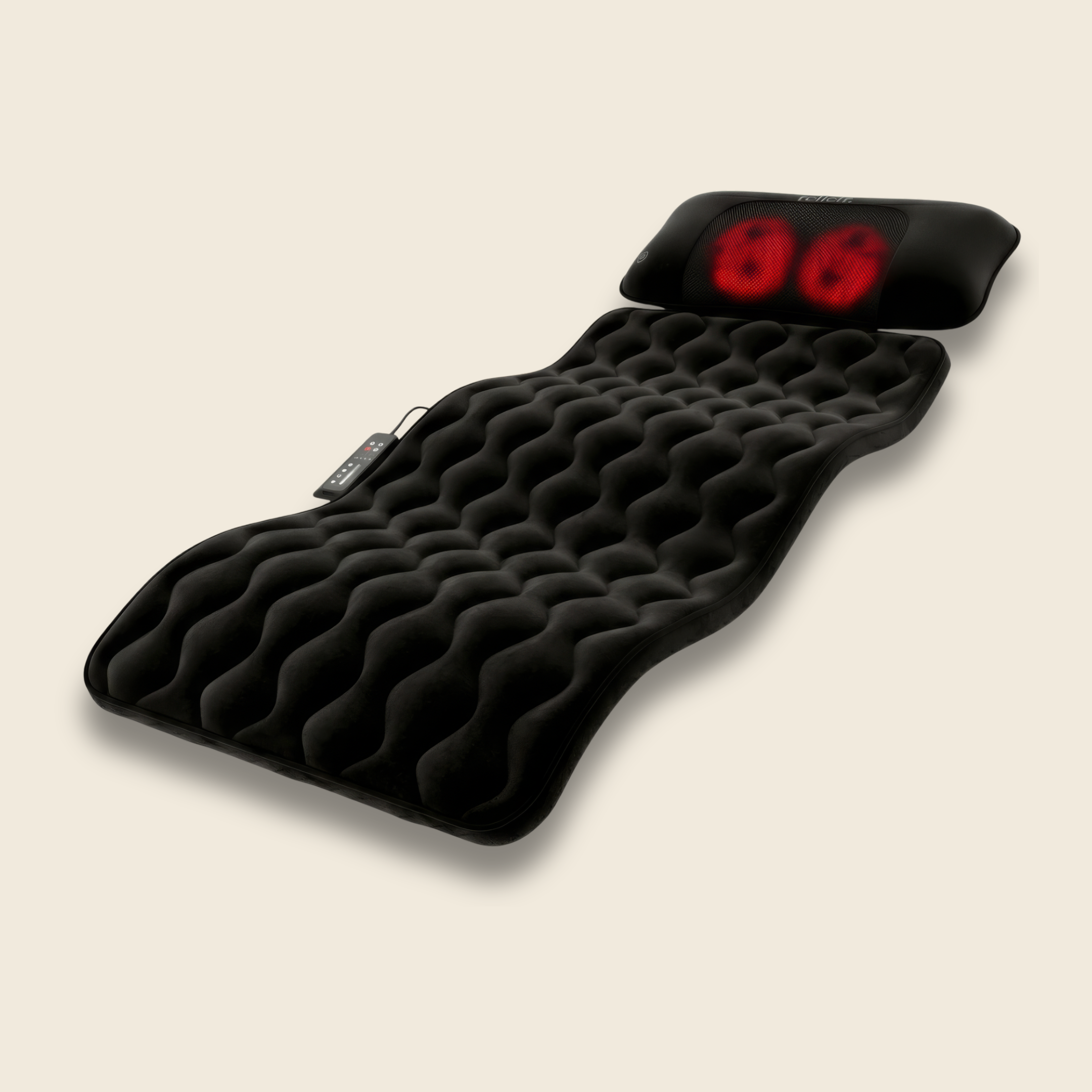
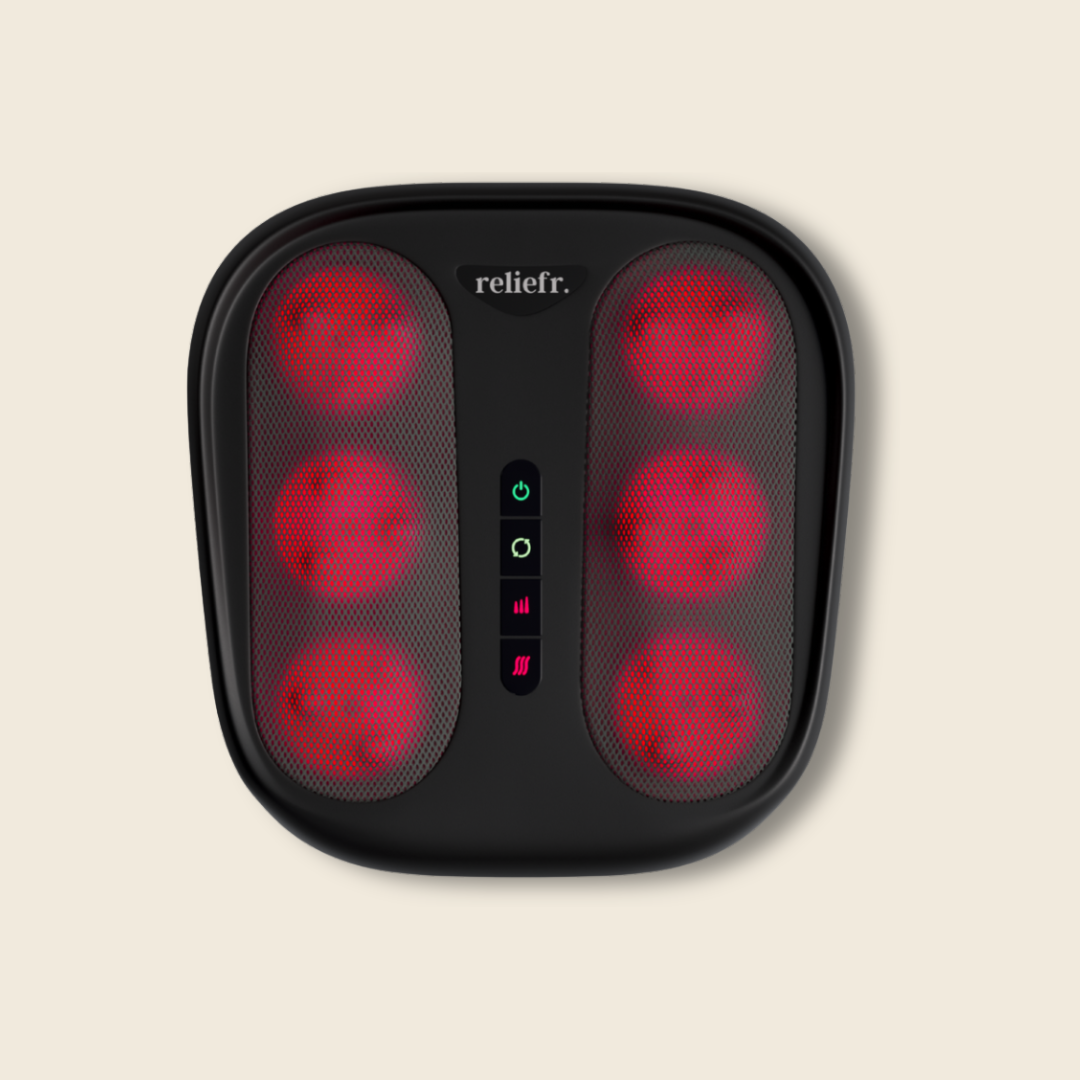
Massage and periods of relief are often mentioned in connection with pain relief and well-being. For many, massage appears to be a way to reduce local tension and increase perceived comfort, while relief can alter strain patterns in the foot for short periods. How these measures are experienced in everyday life varies from person to person, and their effect can differ depending on activity level and other habits.
Observable changes over time
Frequently asked questions
How can massage affect the experience of pain?
Massage often appears as a way to reduce local tension and provide a feeling of increased flexibility. Many experience that increased blood flow and looser tissue can make the pain less intense at times, although the effect varies between individuals.
Is calcification always the cause of heel pain?
No. Calcification can be present without major symptoms, and pain can also stem from irritation in soft tissue. Therefore, not all cases of heel pain are directly associated with visible changes in the bone.
When does the pain picture typically change over time?
The pain picture can change in connection with changes in daily activity, weight, or work routines. Changes often happen gradually, and patterns in everyday life often give an impression of what affects the experience of pain.
.