Many experience that their legs feel stiff during everyday life, especially after physical activity or longer periods of sedentary work. The feeling of stiffness can give a sensation of soreness and tension in the leg muscles, which affects daily mobility and comfort. It is common for the legs to seem less flexible, and for the muscle tension to be felt more clearly when the body has to rediscover its balance after rest or activity. These sensations often arise as the muscles have been exposed to repeated strain or prolonged inactivity. Many therefore seek information about what may be the cause of stiff legs and how best to manage the uncomfortable condition in a busy everyday life.
What are stiff legs?
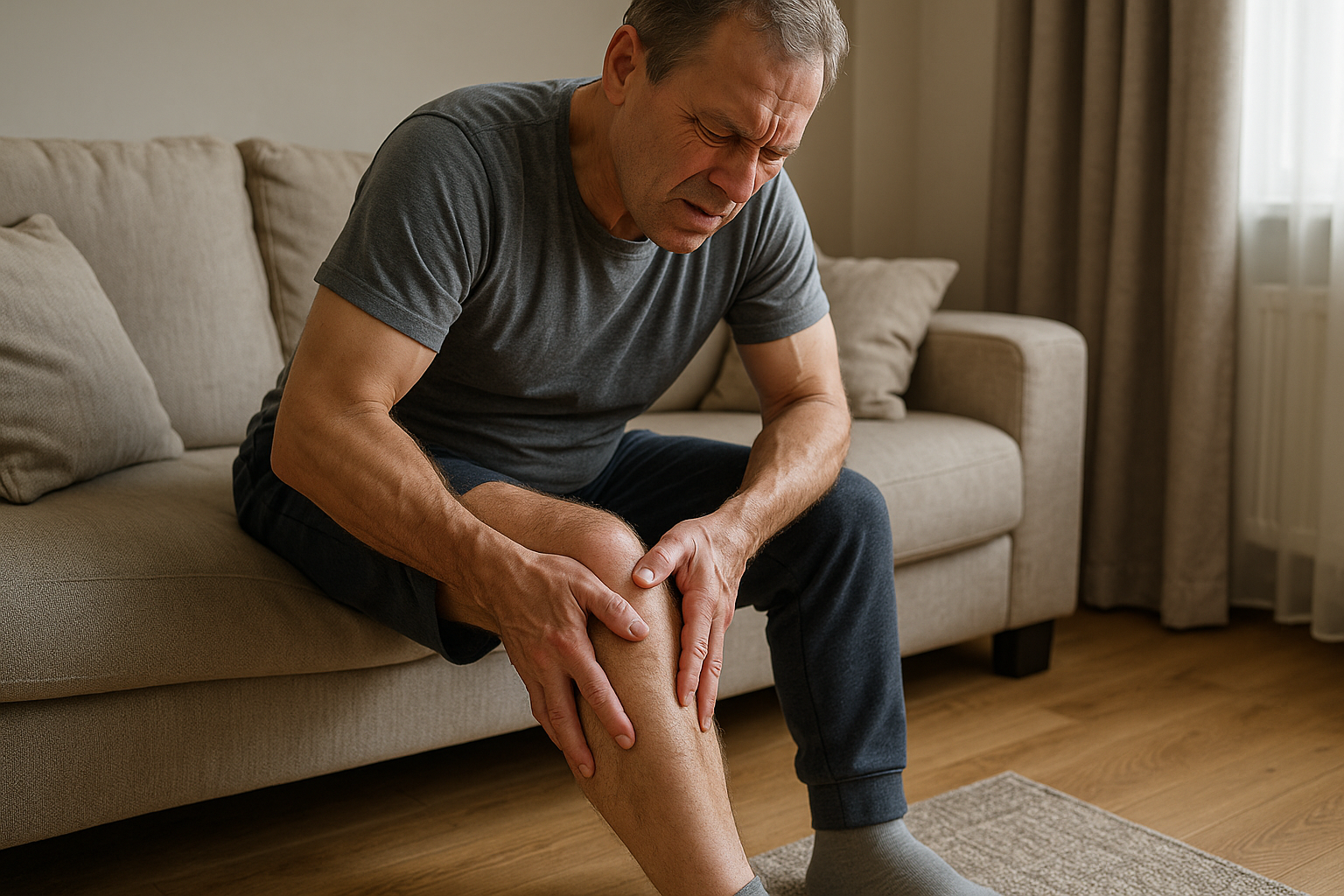
Stiff legs is a term that covers a range of sensations in the leg muscles, where soreness and reduced flexibility are central elements. The condition can be experienced as a general tightness in the legs and can arise for several reasons related to the body's daily strain. Among the most common triggering factors is overuse, such as intense exercise or prolonged periods of inactivity, which mean that the muscles do not get the opportunity to relax completely. The experience of stiff legs can also arise after sitting down a lot, where movement is limited, and therefore the muscles can become tense and stiff.
The accompanying symptoms can vary in intensity, and many describe a feeling that the legs are "locked" or have a feeling of fatigue and heaviness. It is noted that the condition typically manifests itself as soreness, which may be associated with mild or more pronounced tension in the muscles. Common descriptions of stiff legs include:
- A feeling of tightness and less flexibility in the muscles
- Soreness that can be felt both before and after physical activity
- A general feeling of fatigue in the legs that affects daily movements
These experiences are very common and can occur in people with both active and sedentary lifestyles. When stiff legs manifest themselves, it is often a sign that the body is reacting to a strain that one may not have noticed until the symptoms set in. For those who experience this condition regularly, it can be a natural reaction to various influences such as physical exertion, marked changes in activity level, or insufficient warm-up before exercise.
How stiff legs typically present themselves
Stiffness in the legs often presents itself as reduced mobility and a feeling of tightness that is most pronounced after longer periods without movement or after physical exertion. For some, the feeling is short-lived and disappears quickly with ordinary walking; for others, it can be persistent and felt during daily activities such as walking up stairs or standing up from a seated position. The symptoms can be experienced as soreness, a heavy sensation, or local increased sensitivity in the muscles.
How widespread stiffness is in everyday life
Many experience stiff legs from time to time, especially people with jobs that require long periods of standing or sitting work. Older people report stiffness more frequently, as do those who perform repeated movements in everyday life. Stiffness in the legs is often related to daily habits and the overall strain the body is exposed to over time.
Everyday factors that can affect stiffness
- Poor posture at work and during leisure can increase the strain on the muscles.
- Longer periods of inactivity or one-sided movements often lead to an increased feeling of stiffness.
- Dehydration and insufficient rest can make muscles more sensitive and less flexible.
- Stress and sleep quality can affect muscle tension and thereby the experience of stiffness.
- Incorrect or poor cushioning in footwear can increase the strain on legs and feet.
Variations and accompanying discomforts
Stiff legs can occur in different ways: some primarily experience local tension in the thigh or calf, while others feel a more widespread sensation of heaviness in the legs, feet, and back. It is also common for the stiffness to be combined with cramps or swelling at times. Many describe that the stiffness changes character throughout the day — worse upon waking or after long periods without movement and improved after light activity.
Frequently mentioned forms of relief
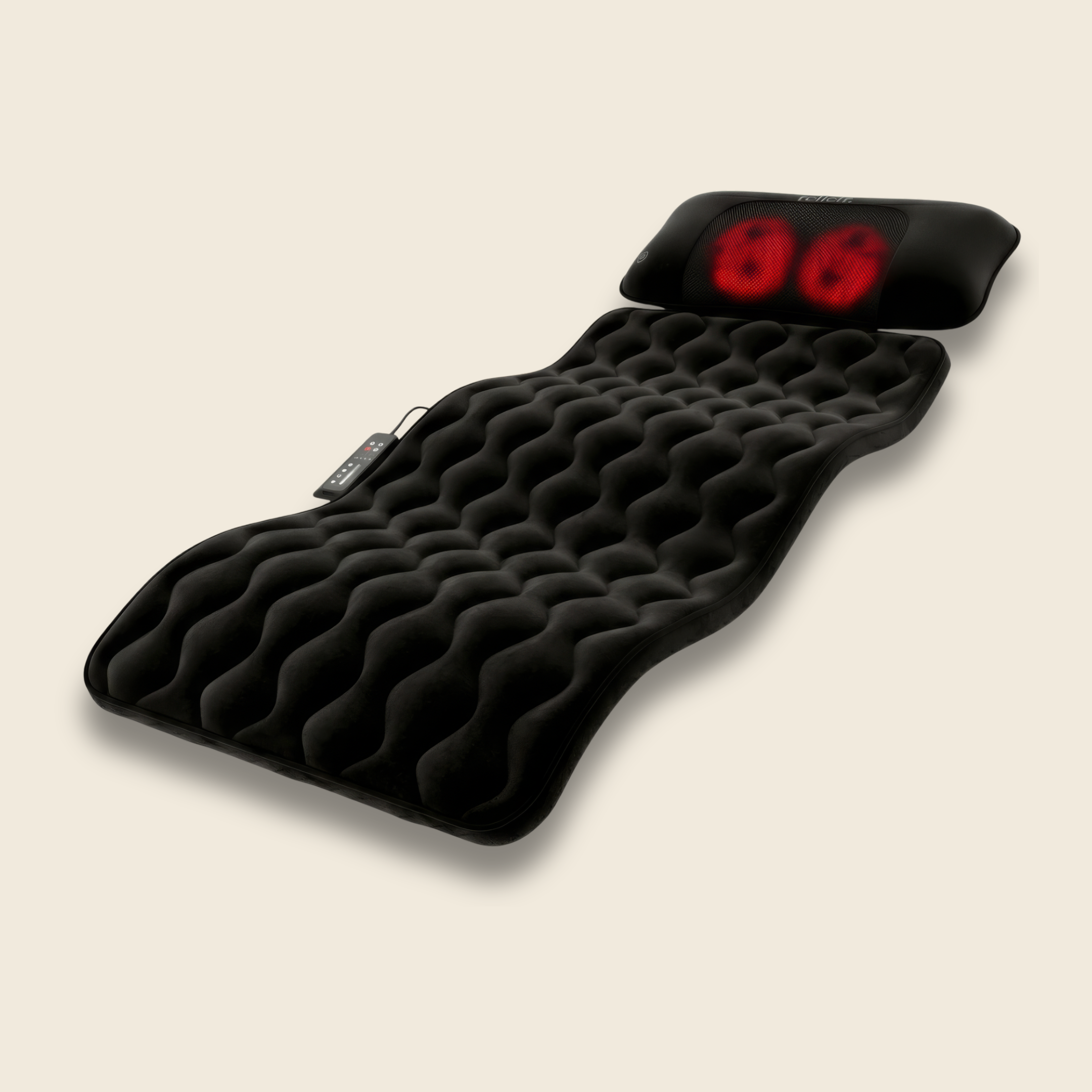
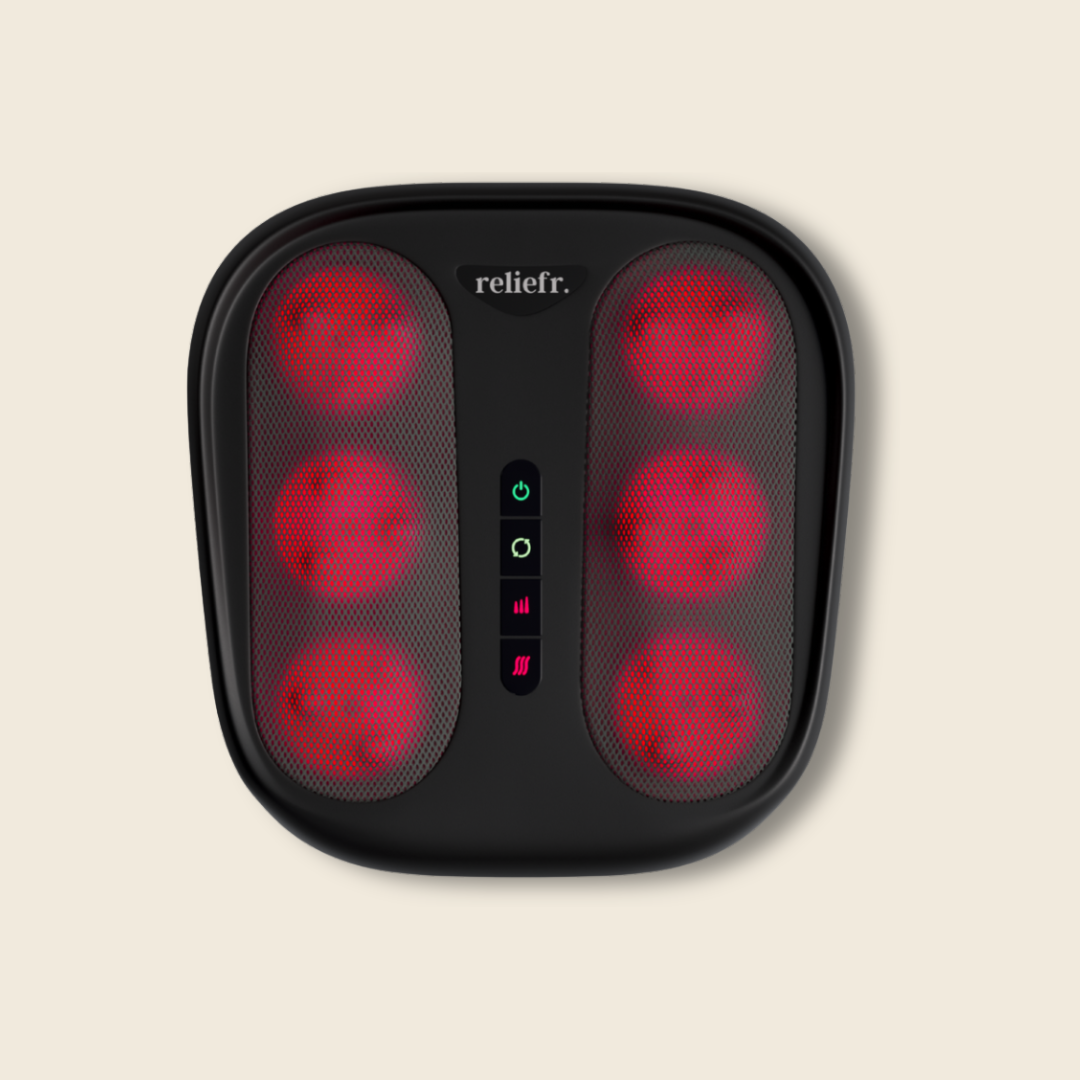
People with stiff legs often mention the use of massage, heat, and compression as ways of pain relief and relief. Massage is experienced as help in loosening tense muscles, heat can give a feeling of increased suppleness, and compression is described as support against the sensation of heaviness in the legs. These approaches are used in everyday life to create greater comfort and improved mobility.
Observations in everyday life
When stiff legs occur over time, there may be subtle patterns that are useful to be aware of. The stiffness often presents differently from day to day and may be experienced as changes in intensity, extent, or time of day. Several people notice that the type of activity immediately before the symptoms can often be related to how the stiffness develops in the following days. Longer-term patterns can provide insight into which situations or periods play a role in the experience of stiffness.
Habits and conditions that can affect over time
- Variation in daily movement patterns can lead to some muscle groups being strained more during repeated movements.
- The quality of sleep and the choice of surface can matter for how muscles and joints feel upon waking.
- Ambient temperature and seasonal changes can affect how stiffness is experienced from day to day.
- Persistent imbalances in posture during work or leisure can over time change muscle tone and be felt as increased tightness.
- Repeated, asymmetrical strains in everyday life, for example when carrying bags on the same side, can cause localized changes in muscle tension.
These conditions are not solutions, but points of attention. Over months, small differences in the rhythm of daily life can create clearer patterns in when and how the stiffness occurs. Symmetry in symptoms, changes in location, or newly arisen discomfort should be noted, because they can appear as changes in the way the body reacts to strain.
Concluding perspective before questions
Keeping an eye on patterns rather than individual events can provide a more nuanced picture of the development of stiff legs. Changes in frequency, extent, and character can be useful guideposts in everyday life. The frequently asked questions below address some of the most common uncertainties about stiff legs.
Frequently asked questions
How can massage help against stiff legs?
Massage can improve blood circulation in the treated area and loosen tension in the muscles, which many experience as a temporary relief of stiffness and soreness.
Is heat or cold better for stiff legs?
Heat can be experienced as soothing for tight muscles, while cold is often used in situations with local swelling or increased warmth in the tissue. The choice depends on the individual's experience of the symptoms.
When should you seek a doctor for stiff legs?
It may be relevant to contact a doctor if the stiffness changes character significantly, becomes persistent, or occurs together with severe pain, sudden swelling, or other new symptoms.
.