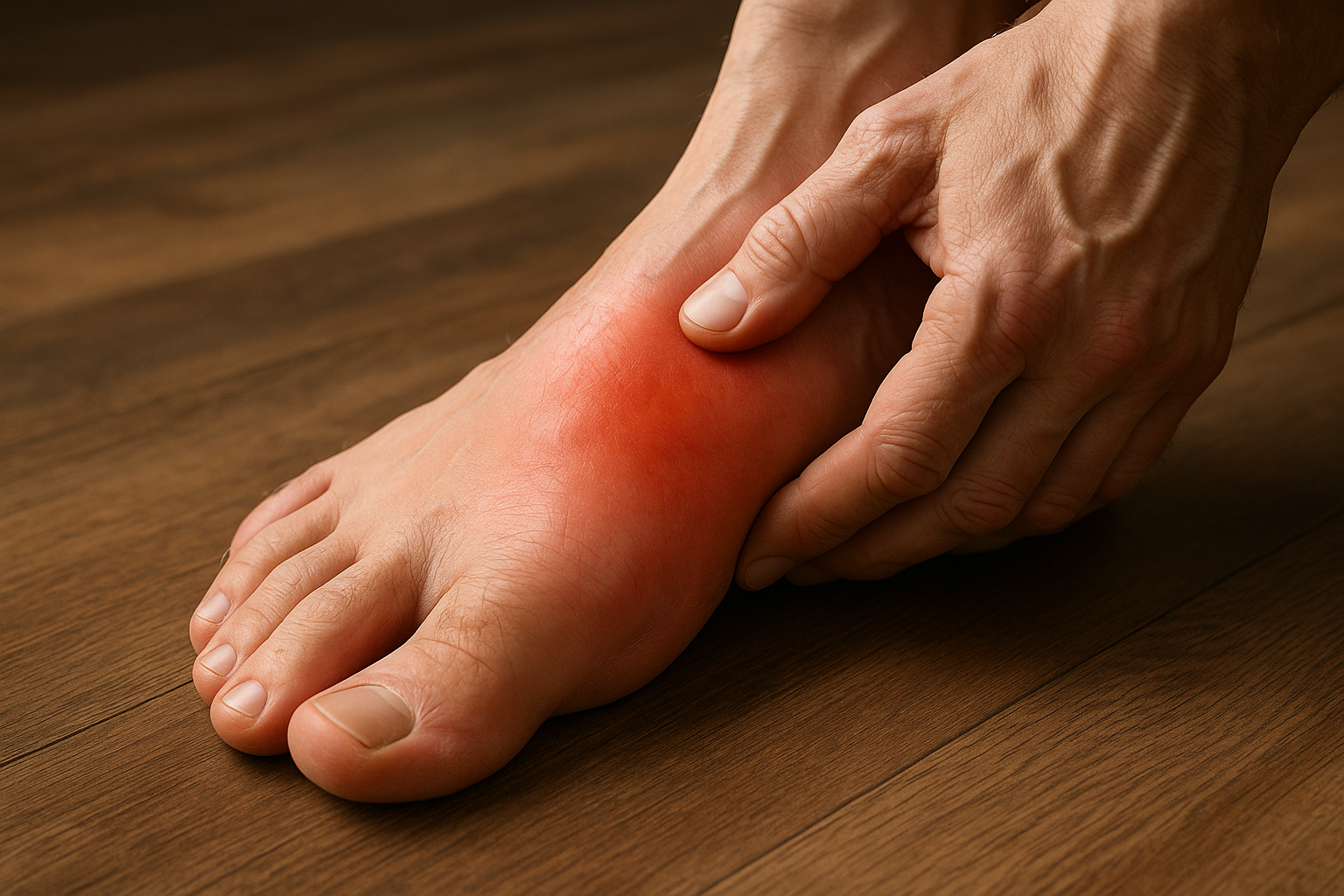
Many experience pain and swelling in the foot, which can often be a sign of an inflammatory condition. Inflammation in the foot can make everyday activities less comfortable and affect the feeling of well-being. Overuse and improper footwear are among the common causes that can lead the tissues in the foot to react with soreness and stiffness. It is common for symptoms such as pain, swelling, and a feeling of warmth to appear gradually or after a period of intense strain. This condition often becomes a focal point for those who want to understand what is happening in the foot and how discomfort can be eased in everyday life.
What is inflammation in the foot?
Inflammation in the foot refers to a condition in which the tissues in the foot become irritated and swollen. It can be experienced as a painful reaction that typically occurs during physical activity or as a result of prolonged strain. Some characteristic signs of inflammation in the foot are:
- Soreness during strain
- Swelling and a warm sensation
- Stiffness, which can especially be felt after rest
It is not uncommon to feel that the discomfort in the foot is connected to a reaction that appears both physically and practically. When the foot is subjected to repeated overuse or wears improper footwear, any everyday activity can be accompanied by a persistent feeling of discomfort. Many seek information about inflammation in the foot to understand how simple means can relieve and prevent the symptoms that can make everyday life challenging.
Having knowledge of how inflammation in the foot manifests provides a better overview of the challenges that can arise when the foot is overloaded. It is about knowing the typical characteristics so that the early signs can be identified. A basic understanding of how soreness, swelling, and stiffness develop makes it easier to put into words why many people in everyday life seek knowledge about how these symptoms arise and what can make the discomfort less bothersome. This attention to the first signs helps create a secure framework where listening to the body's signals becomes a natural part of a healthy everyday life.
How inflammation in the foot typically appears in everyday life
Inflammation in the foot often appears as pain during weight-bearing activity and a feeling of stiffness after rest. Many find that the pain is most noticeable in the morning or after longer periods of sitting or standing work, while swelling and a local warm sensation can vary throughout the day. An altered gait pattern, such as putting less weight on the heel or stepping carefully, can be a sign that the foot is reacting to persistent irritation.
When symptoms most often become more pronounced
Symptoms are often related to changes in activity level or changes in footwear. Periods of increased walking, running, or prolonged standing can cause worsening, just as shoes with poor support can make the pain more noticeable. Climate and temperature can also affect the experience of stiffness and soreness, and weight changes can affect how much strain the foot is subjected to.
How muscle tension develops as a result of foot pain
Pain in the foot can lead to compensation in other parts of the body. Tension can arise in the calf muscles, which may be felt as increased tightness in the leg. Over time, an altered gait can also affect the knees, hips, and back, and some experience increased tension in the neck and shoulders as a result of altered posture. These connections explain why the discomfort is rarely limited to one area.
The role of relief in daily comfort
Relief in everyday life is about reducing strain and creating room for better movement. Short breaks from demanding activities, elevating the foot during rest, and avoiding repeated heavy strain during periods of stronger pain can make a difference for both swelling and the experience of pain. An even distribution of strain throughout the day is often associated with fewer flare-ups of discomfort.
Pain relief through touch and heat/cold
Massage can have a relaxing effect on tense muscles and at the same time improve local blood circulation, which often reduces stiffness. Heat can provide a softening effect on sore muscles, while cooling can be experienced as soothing with marked swelling or a warm sensation. The choice between heat or cold depends on how the foot feels in the specific situation.
What to pay attention to in everyday life
In daily life, small repeated patterns can matter for how discomfort in the foot develops over time. Changes in surfaces, how shoes wear down, and how often the foot is subjected to one-sided strain are often factors that play a role. It may be experienced that symptoms are worse after certain activities or times of day, and that the conditions around the foot affect both pain and mobility at times.
- The shoe’s wear pattern can show where the strain mainly lies
- Prolonged standing work is often associated with an increased feeling of fatigue in the feet
- Changing surfaces, for example hard versus soft, can change how the foot is loaded
Habits that may matter over time
Some habits affect the foot gradually. Frequent repetition of the same movement, one-sided carrying of heavy objects, and long periods without variation in movement patterns can over time lead the tissues to react. Weight changes and longer-term changes in activity level can also affect how noticeable the symptoms are in everyday life. These factors do not have to be visible immediately, but can develop gradually and be felt as increased soreness or stiffness.
General considerations in everyday life
When thinking about the framework of everyday life, it may be relevant to be aware of the distribution of strain throughout the day and of which tasks are repeated often. Variation in activities and the frequency of the same movement are often linked to how the symptoms are experienced. Just as sleep and rest can play a role in how the foot feels upon waking, daily patterns can affect how much discomfort is felt during the day.
The relationship between touch, heat, and the perception of pain
Touch and temperature often affect the perception of discomfort in the foot. Massage can be experienced as soothing on tense areas and can change how local sensitivity is experienced. Heat and cold can be experienced differently depending on the time of day and the degree of swelling, and many notice that these sensory impressions can change how the foot feels during activity. These reactions vary from person to person and can change over time.
Long-term conditions that deserve attention
Over months and years, repeated patterns can lead to changes in gait and in muscular load. Compensation in movement can appear as increased tension in the lower leg and other joints, and such changes can help affect how frequently or intensely discomfort is experienced. Paying attention to patterns in when symptoms occur can provide insight into which factors play a role over time.
The conclusion of this section naturally leads on to some frequently asked questions about common concerns with inflammation in the foot. The FAQ section below addresses common uncertainties and provides brief information about typical situations that many want answers to.
Frequently asked questions
How long can inflammation in the foot last?
The duration varies greatly depending on causes and individual circumstances. Some find that the symptoms decrease over a few weeks, while others may have longer periods of varying discomfort. Patterns in daily activity and recovery can affect the course.
Can daily habits make the symptoms worse over time?
Yes, repeated strain and lack of variation in movement are often associated with worsening symptoms over time. How and how often the foot is loaded in everyday life can affect both the intensity and frequency of pain and stiffness.
Are massage and heat good for relieving discomfort in the foot?
Massage and heat can be experienced as pleasant and can affect the local sensation of stiffness and tension. Reactions are individual, and how these sensory impressions are experienced can vary with the time of day and the degree of swelling.
What can the wear pattern on shoes tell about the load on the foot?
The wear pattern can provide an indication of where the load mainly lies during walking and running. It can help make repeated patterns of strain visible, which over time may matter for how the foot reacts.