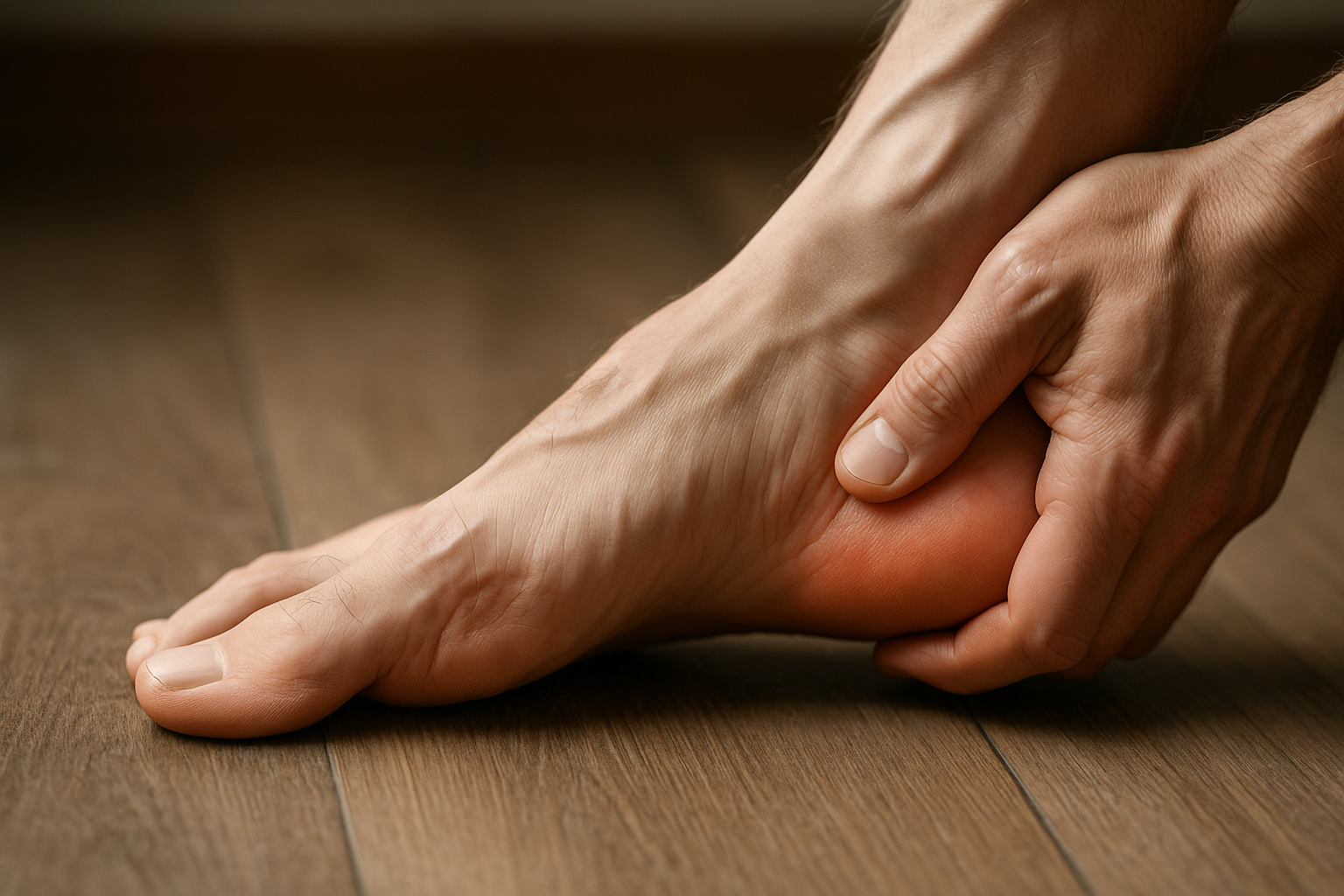
Many people periodically experience pain in the foot, and for some it is specifically the outer side of the foot that causes problems. This pain can be felt both in everyday life and during physical activity, and it often arises without a clear cause. It is common for discomfort or soreness along the outer edge of the foot to make daily movement less comfortable. The pain can appear suddenly, but for many it develops over time, which can lead to gradually becoming aware of how the sensation affects the overall comfort of the foot.
There is often great curiosity about what exactly causes the pain and how it differs from other forms of foot pain. It is important to gain a clear understanding of what is meant by pain in the outer side of the foot, as several everyday factors can help trigger the discomfort. Many people who experience this type of pain may have had a change in their activity pattern or changed their footwear, and they consider whether these changes may be connected to the unpleasant sensation.
What is pain in the outer side of the foot?
Pain in the outer side of the foot describes a condition where pain is primarily felt on the lateral part of the foot. This pain can occur from a single case of overexertion to a longer period of repeated strain. Typically, the pain feels like soreness that worsens with certain movements, especially when the foot is exposed to further strain. This discomfort can be experienced both while walking and during other activities where the foot plays a central role.
- The intensity of the pain can vary throughout the day
- The discomfort can be intensified by repeated strain
- Certain movements can trigger a marked worsening of the pain
Many want to understand why this particular part of the foot is especially prone to pain. It may be a combination of overuse, altered foot position, or a previous overuse injury. By getting an overview and a factual framework for what is actually happening, it becomes easier to take the necessary precautions and adapt everyday life. People often seek information in order to adjust their daily activities and prevent the discomfort from developing into a more persistent problem. In this way, factual understanding becomes a starting point for creating calm and reassurance in relation to daily well-being when the foot is affected by unpleasant pain.
Common causes of pain on the outer side of the foot
Pain on the outer side of the foot often appears with repeated strain or increased pressure against the edge of the foot. Tendon irritation, local overexertion, and altered foot position are common causes, just as shoes that press or provide incorrect support can contribute. Sudden movements or twists can also lead to pain, especially if muscles and tendons are already tense from daily activity.
How the pain can be felt
Pain on the outer side of the foot can be experienced as local soreness, stiffness, or sharper twinges with certain movements. The intensity can vary throughout the day and worsen during longer walks, running, or carrying a heavy load. Some mainly notice discomfort under strain, while others experience a persistent mild soreness that may feel stronger after prolonged activity.
Everyday factors that can affect the discomfort
Several daily conditions are often connected with increased pain on the outer side of the foot. Choice of footwear, the surface you walk on, sudden changes in activity level, and repeated movements at work can all affect how quickly the pain develops. Tension higher up in the body can also play a role; strain and muscle tension in the back, neck and shoulders as well as in the legs often affect how much strain the foot has to take.
Pain relief and offloading in everyday life
A combination of offloading and targeted relief can make everyday life easier. Offloading is about reducing direct pressure and repeated strain on the painful side of the foot and instead distributing weight and movement so the foot has peace to rest. Massage and heat can loosen muscle tension, increase blood circulation, and create a feeling of increased comfort, while short breaks from demanding activities often reduce the intensity of the pain.
Typical activities that can worsen pain
- Longer walks or runs on hard or uneven surfaces
- Standing work without the possibility of changing position
- Frequent lateral movements or sudden turns
Daily habits that can affect the foot over time
In everyday life, it is often small patterns that play a role in how pain on the outer side of the foot develops. Repeated movements, one-sided standing work, and prolonged use of the same type of footwear can over time change the distribution of strain in the foot. These conditions often appear as persistent soreness or discomfort, which can change in intensity depending on activity and rest.
Surfaces, footwear, and wear patterns
The surface one moves on and the properties of the shoe are often connected to how pressure and friction are distributed along the edge of the foot. Wear on the sole or stiffness in materials can change the foot’s movement pattern. Over time, such changes can affect how often and how strongly the area is strained, and therefore uniform use of the same shoes or one-sided strain may be relevant in a longer-term perspective.
Posture, compensation, and tension
Pain in the foot is often connected with movement patterns higher up in the body. Compensation in the hip, knee, or ankle can change the strain on the outer side of the foot, and muscle tension in the leg and calf can appear as altered walking or increased stiffness. Psychological stress can also affect muscle tension and the experience of discomfort in the body in general.
Signs of change over time
- Variation in pain intensity in relation to days or weeks
- Changed pattern in wear on shoes or uneven pressure under strain
- Symmetry in walking pattern that changes with prolonged activity
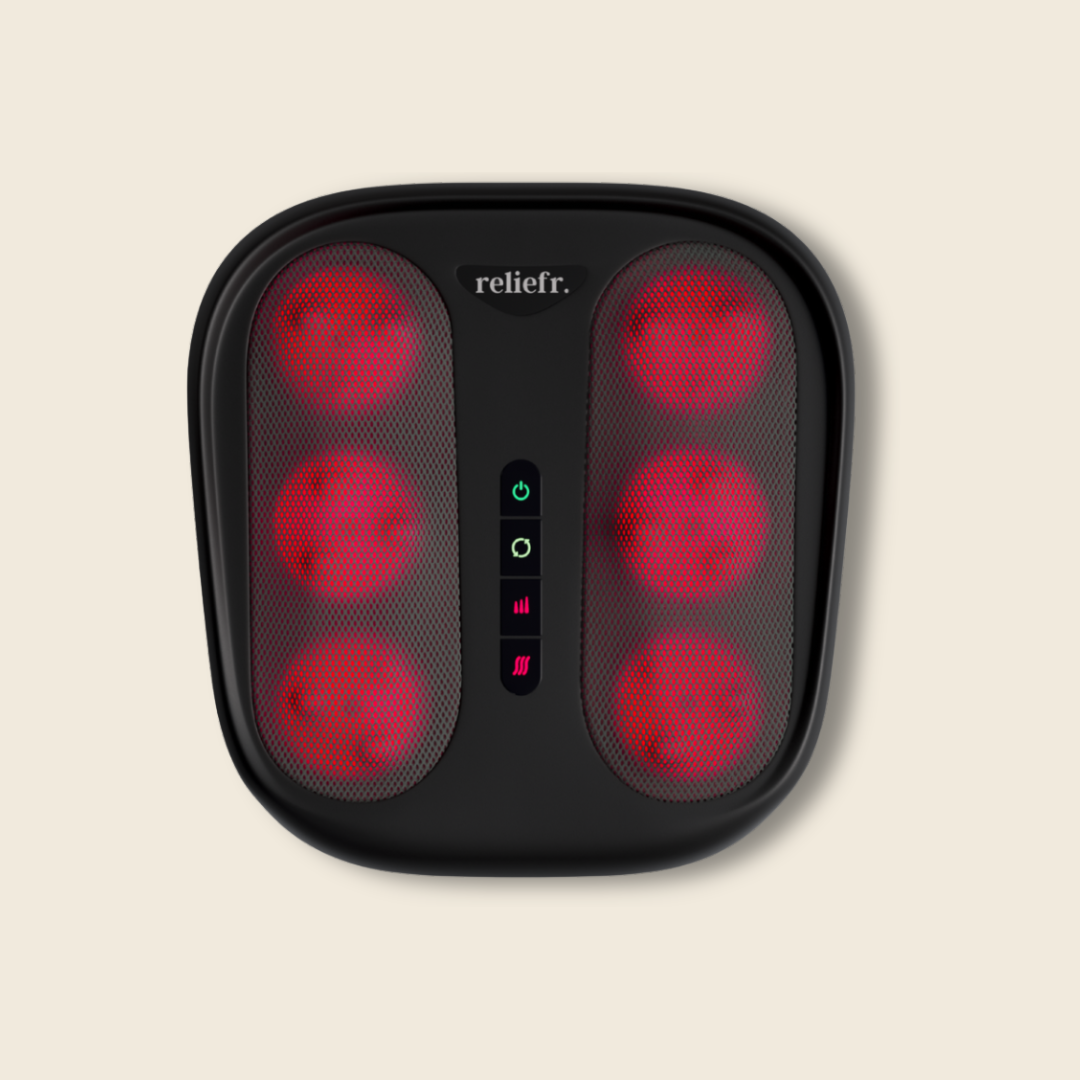
Being aware of these conditions can provide a picture of which patterns repeat themselves, without necessarily saying anything about the cause in each individual case. At Reliefr you can find examples of products for foot massage and support, if you want to explore the options available: https://reliefr.dk/collections/fodmassage
Frequently asked questions
How can one distinguish between tendon-related and nerve-related pain?
Pain related to tendons often appears as local soreness and worsening with certain movements, while nerve-related discomfort can be experienced as shooting pain, tingling, or radiating sensations. Differences in how the pain changes over time and with different types of strain can be useful indicators.
Can massage or heat influence the discomfort?
Many describe that massage and heat can provide temporary relief by reducing muscle tension and increasing blood circulation in the area. How and how quickly such an effect is experienced varies from person to person.
Which product categories do people typically search for when experiencing pain on the outer side of the foot?
People often search for products for reducing pressure, support, and comfort as well as devices for local massage. Nouns such as insoles, massage devices, and heat products recur in searches when people want to explore options for home use.