Many experience pain on the top of the foot, and the condition can make everyday life less comfortable. It is common to feel a certain soreness or discomfort, especially after long periods of activity or work where one stands or walks a lot. The pain can vary in intensity, and although for some it is merely a mild irritation, for others it can be a more persistent burden that affects general well-being. All sorts of people, from those with an active daily routine to people with long workdays, can experience these symptoms, which makes the topic relevant for many seeking a better understanding of what is happening in the foot.
It is important to look at pain on the top of the foot as an expression of a change in daily well-being, which often indicates that extra attention should be paid to the strained foot. For some, a period of increased activity, incorrect footwear, or repeated movements can trigger the type of discomfort felt on the top of the foot. Having an overview of what is precisely being experienced is a useful step in creating calm and understanding of how small changes in everyday life can matter.
What is pain on the top of the foot?
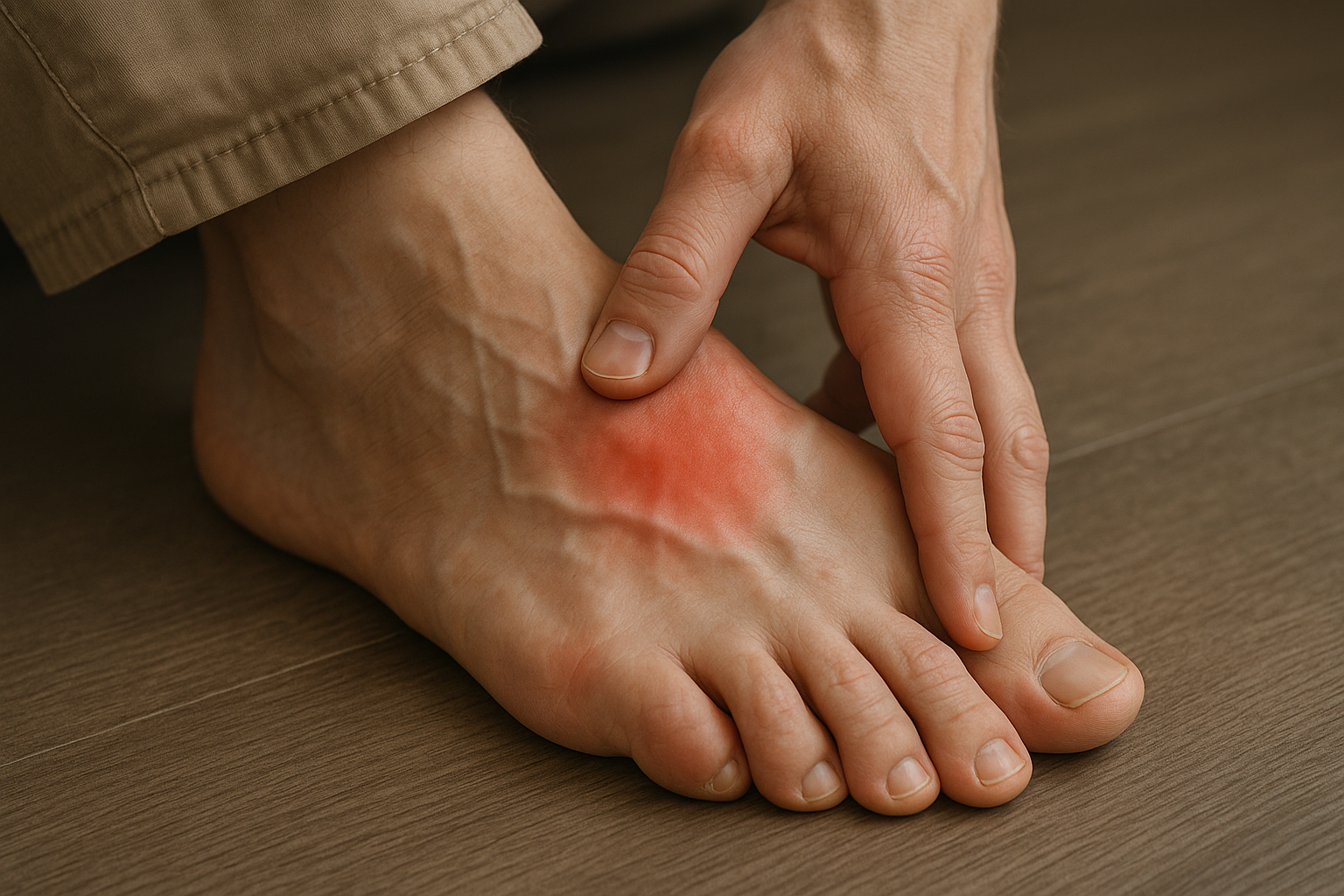
Pain on the top of the foot refers to pain or discomfort on the upper part of the foot. It can typically vary from mild soreness to a more intense sensation that makes it uncomfortable to move the foot freely. This pain can arise during a period when the foot is exposed to extra strain, for example from standing too long or activities that require quick movements. Some describe the feeling as a tightness or a tense sensation that can occasionally be accompanied by slight swelling or a reddish hue in the skin.
The experience of pain on the top of the foot is related to the daily influences the foot is exposed to. It may show itself as soreness after a long workday or after extra intensive periods of exercise. Although the feeling is often temporary, it is nevertheless a topic that many wish to get more information about, as understanding what is happening in the foot can help create reassurance. It is precisely this type of knowledge that many seek in order to get an overview of how minor discomfort can arise and how it is typically experienced in everyday life.
How does pain on the top of the foot present itself?
Pain on the top side of the foot can present itself as localized soreness and a feeling of tension with movement or from pressure from shoes. Some experience a warm sensation and slight swelling, while others describe a sharp or stabbing sensation with certain movements. The pain can vary in intensity throughout the day and is often felt most after longer periods of standing or physical activity.
How common is the problem in everyday life?
Many people with active everyday lives or jobs that require a lot of standing or walking experience discomfort on the top of the foot from time to time. It is often seen in people who change activity level or use new footwear for longer periods. For many, the symptoms are temporary and relate to a period of increased strain, but it can also affect daily comfort and the ability to go on long walks or be at work without a break.
Factors that can cause pain
Several daily conditions can cause tension and pain on the top side of the foot. Tight laces and close-fitting shoes can create pressure against the top of the foot, while repeated movements and prolonged strain increase muscle tension in the lower leg. Tight calf muscles and insufficient variation in load can also contribute. Furthermore, stiffness in the joints around the foot can affect how the load is distributed.
Variations in the pain experience and muscle tension
Pain can be experienced differently: from diffuse soreness spread over an area to more localized, distinct pain with certain movements. Muscle tension in the ankle and lower leg can create a feeling of tightness that worsens the discomfort during activity. Some experience that the symptoms change from day to day depending on activity and choice of shoes, while others notice a more persistent soreness.
Connection with other body areas
Pain on the top of the foot is often related to tension in other parts of the body. Tight muscles in the lower leg can affect the load in the knee, hip, and back, and imbalances can lead to an altered gait pattern. The neck, shoulders, or back are rarely mentioned directly in relation to the top of the foot, but general muscle tension and poor comfort in footwear can affect the overall experience of well-being.
Everyday significance for well-being
Pain on the top side of the foot can make ordinary activities such as walks, longer workdays, and leisure exercise less comfortable. The discomfort can lead to altered movement, which can increase muscle tension elsewhere in the body. Understanding how symptoms present themselves and which daily conditions can cause them is relevant for preserving comfort and well-being in everyday life.
What one can be aware of in everyday life
When pain on the top of the foot arises in everyday life, it can be useful to notice patterns without trying to change them immediately. Individual periods of increased discomfort can be related to prolonged standing, long-term use of close-fitting shoes, or frequent repeated movements. For some, the symptoms show themselves more clearly after a whole day on their feet, while others notice variation from day to day depending on activity and footwear.
Habits and conditions that can have an impact over time
Some daily habits can matter for how the pain develops over several weeks or months. The use of shoes that fit tightly over the top of the foot, constantly uniform strain at work, and persistent tension in the lower leg are often related to changes in sensation. Changes in weight distribution in everyday life as well as frequent shifts between very quiet and very active periods can also affect how symptoms are experienced over time.
Considerations for pain relief and relief from load
When the focus is on pain relief and relief from load, there are several general considerations that are often mentioned in conversations about foot comfort. Massage is frequently referred to as a way to affect sensation on the top of the foot, and many experience that pressure sensitivity can change after a short time. At the same time, small changes in daily routines can make symptoms appear differently from week to week. It is common for the pain experience and freedom of movement to fluctuate, and that these fluctuations can be a source of knowledge about which conditions require extra attention.
- The tightness of the shoe upper and the placement of the laces
- The length of standing periods during the day
- The frequency of repeated movements
- Level of tension in the lower leg and ankle
Frequently asked questions
Why does the pain often feel stronger in the evening?
The sensation can change during the day, so the discomfort seems more pronounced in the evening. Fatigue in the tissue and prolonged strain during the day can make pain more evident, just as fluid accumulation in the feet can affect the experience.
Can massage change how the pain is experienced?
Massage is experienced differently from person to person. Some report a short-term change in the pain experience or increased relaxation in the area, while others do not notice any significant difference. It is common for the effect to vary from time to time.
What does the difference between stabbing and diffuse pain tell us?
A sharp or stabbing sensation is often experienced as localized, while diffuse soreness can feel spread out and less precise. Different descriptions of pain can provide guideposts about how the discomfort appears in everyday life and which daily conditions it may be related to.