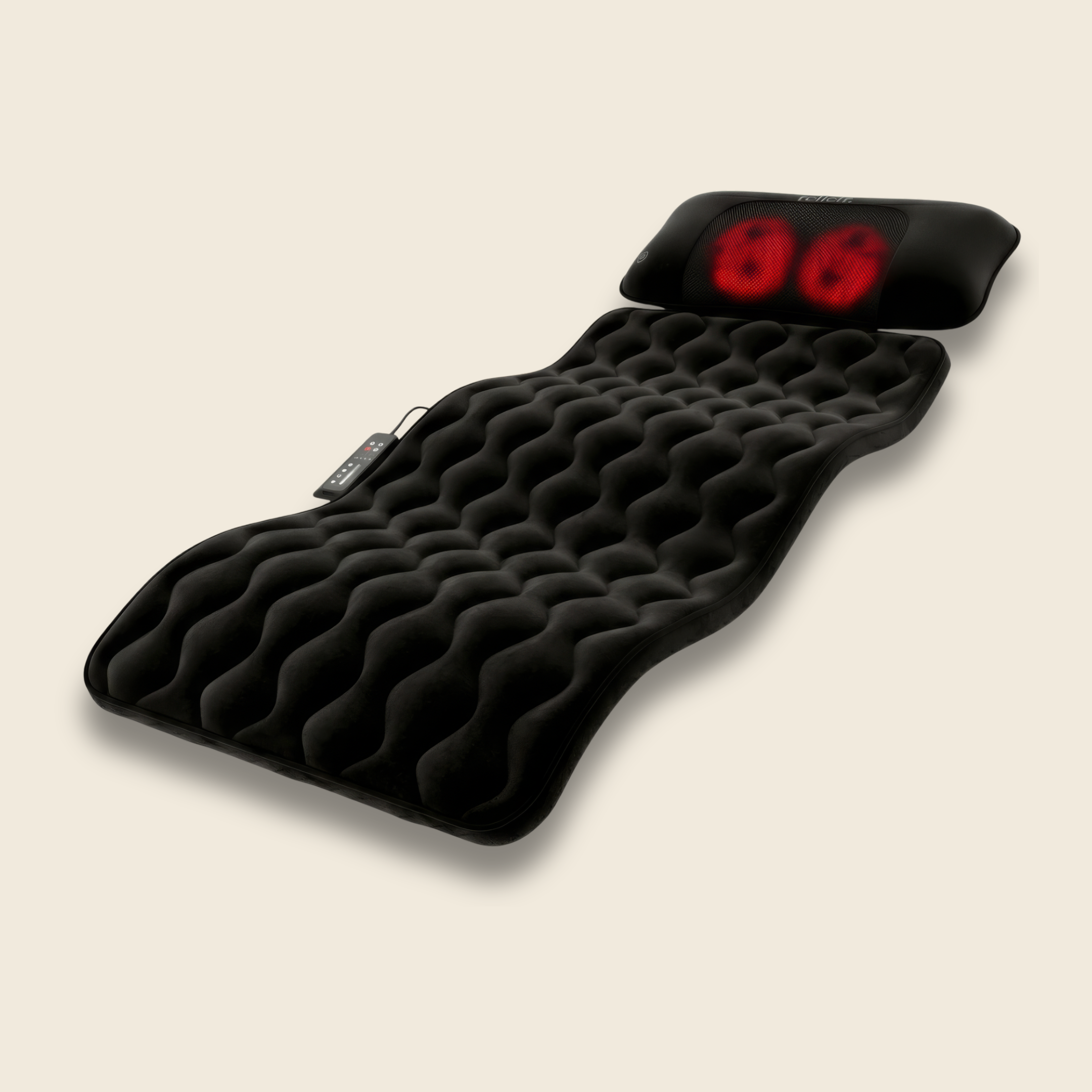
Many experience after a long and busy day a feeling of exhaustion in the legs, where they seem both tired and heavy. This condition can create a feeling that the legs are no longer quite able to keep up, and that they carry a heavy burden from the day's activities. The experience of heavy legs is something many are familiar with, whether it is seen after physical work, long periods of sitting, or simply as a result of daily wear and tear. In that way, the sensation is often reflected both in everyday life and in the moments when one seeks a feeling of well-being, and when the body signals a need for rest and recharging.
The experience of heavy legs can be a reaction to different strains, whether it is about accumulated fatigue or a temporary buildup of physical stress. It is a condition that is not described as a disease, but which often acts as an indicator that the legs need a break or particularly gentle treatment. The symptoms vary from person to person and can manifest as a gradual feeling that the legs are not quite “light” enough to handle another day's challenges. This feeling can be seen in light of the body's natural reaction to overload and lack of variation in movement patterns.
What are heavy legs?
Heavy legs are described as a persistent feeling of fatigue and heaviness, often felt in the lower parts of the legs. It is not a medical diagnosis, but rather a symptom that can arise in step with everyday strains. Many find that their legs feel more tired after periods of low activity or after situations where they have had to carry a large physical load for a longer time.
The feeling of heavy legs is often associated with:
- Prolonged sitting or standing work
- A day with many activities and physical fatigue
- The experience that the muscles and tissues of the legs feel overloaded
These observations illustrate how heavy legs can arise as a result of both daily fatigue and periods of less movement. The feeling is typically uncomfortable and leaves a desire to find practical methods that can create relief in the legs. Many therefore seek information about what can relieve heavy legs, so they can achieve a better sense of lightness and well-being in everyday life. By understanding what heavy legs entail, one gains a better sense of how everyday activities can affect the body and what can make a small difference in the daily experience of comfort and balance.
How heavy legs show themselves in everyday life
Heavy legs often show themselves as a persistent feeling of heaviness and fatigue in the lower legs. It can be experienced as soreness, tension in the calves, cramps, or a feeling of swelling. Some also describe tingling or cold/heat in the feet, and visible veins may be part of the picture. These symptoms typically appear in the legs, feet, and thighs, but are often linked to tension in the back, neck, or shoulders, which affects posture and thus the strain on the legs.
Causes often associated with the feeling
Heavy legs are often associated with conditions that alter the strain on the muscles and tissue or the way blood moves in the body. Prolonged sitting or standing work are common examples, as is repeated heavy strain on the leg muscles. Muscle tension after exertion can cause stiffness, which makes the legs feel heavier than normal. Increased body temperature and fluid balance can also affect how the legs feel during the day.
Everyday factors that can affect it
- Prolonged standing or sitting at work or during leisure time
- Warm days or a warm indoor climate, which can make the legs more tired
- Stiffness in muscles from repeated strain or a uniform movement pattern
- Choice of footwear and surfaces that change the strain on legs and feet
How widespread is the feeling of heavy legs?
Heavy legs are a common phenomenon in the population and are experienced to varying degrees by many. It can affect people of all ages, but occurs most frequently among those who spend many hours standing or sitting, as well as among people with increased muscle fatigue after physical work. The problem does not appear uniformly; some have occasional episodes, while others notice a more persistent sensation of heaviness.
Variations in intensity and time of day
The symptoms can vary in intensity throughout the day. Many find that the sensation of heaviness becomes clearer toward evening after a day's strain, while others notice it most after longer periods of low activity. Frequency and severity can also fluctuate depending on work, climate, and general muscle condition, and it is common for periods of increased stress or fatigue to make the feeling more pronounced.
.