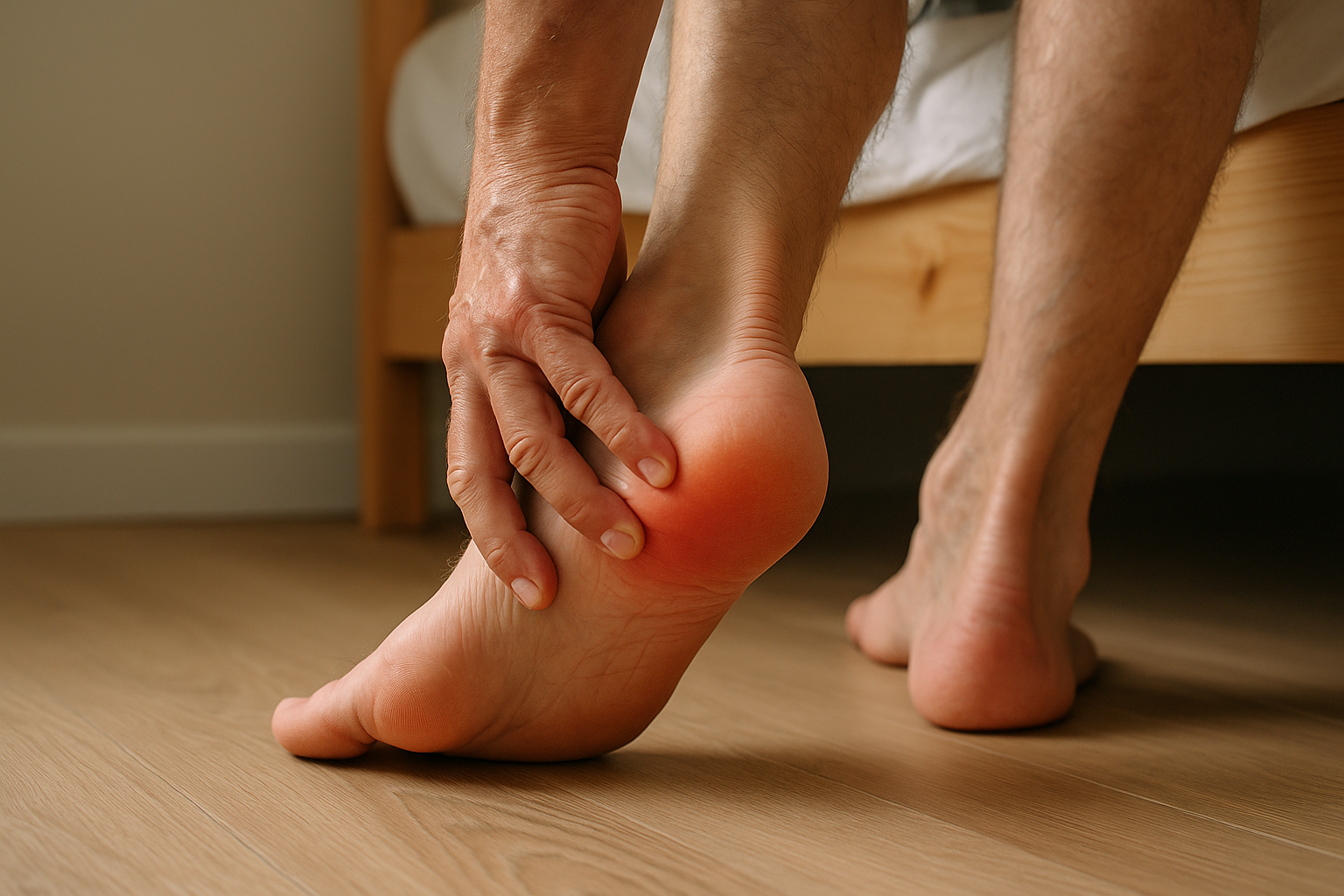
Many experience discomfort in the heel, especially when getting out of bed in the morning or after longer periods of inactivity. It is common to feel a sharp, stabbing sensation that quickly becomes a source of irritation in the daily routine. The experience can vary, but the best-known presentation is pain that often subsides after a while of movement, only to return with increased strain. For those seeking to understand what is happening in the body, knowledge about heel spur symptoms can provide reassurance by putting words to a familiar challenge. It is not unusual to feel that the heel “gives up” during the first steps of the day, and this sensation is known to many, regardless of age and activity level.
What are Heel Spur Symptoms?
Heel spur symptoms typically show themselves through a range of characteristic signals in the heel area. One of the most well-known is the stabbing pain that occurs especially in the morning or after longer periods of rest. It is often noted that the pain subsides with a little movement, which can lead to a temporary feeling of improvement before it returns when the heel is strained again.
Some of the most monitored symptoms include:
- Sharp and stabbing pain under the heel
- A sore sensation that is especially felt during the first steps in the morning
- Mild stiffness in the heel area after periods without activity
These symptoms are experienced as a clear signal from the body that the heel in some way is not functioning optimally under strain. The pain can vary in intensity, and while it can at times be reduced by warming up, it is often clearly felt in situations where extra support or cushioning of the foot’s structure is needed. Many seek information about heel spur symptoms because they realize that a simple discomfort can involve more than just a fleeting annoying problem. By getting an overview of what the symptoms involve, it becomes easier to identify the signals that come from the body and thereby achieve a better understanding of one’s own everyday life and the challenges that may be associated with strain on the heel.
With a factual and neutral approach, this review of heel spur symptoms provides an overview of how these signals can be recognized in daily life. Knowledge of how the pain manifests itself can help create calm and mental space to assess when the discomfort requires closer attention.
How do symptoms show themselves in everyday life?
Symptoms often show themselves through changes in the way one walks and stands. Many feel an immediate stabbing pain during the first steps after rest, but in addition pain can lead to shifting weight onto the forefoot, taking short steps, or avoiding stairs. Over time, this compensation can create increased fatigue in the calves and knees, because other parts of the body take on more strain to relieve the heel.
How common is it to experience these symptoms?
It is common to experience heel pain during periods of life, regardless of activity level. Symptoms occur both in people who stand a lot at work and in people with active leisure habits. The frequency increases with age and in situations involving prolonged strain on the feet, but it is also normal for symptoms to come and go depending on daily habits and strain.
Factors that can affect symptoms
Several conditions are often connected with how and how strongly symptoms are felt. Excess weight increases the strain on the heel, shoes without proper cushioning provide poorer shock absorption, and long periods of standing work or walking on hard surfaces can increase pressure on the heel area. Tightness in the calf muscles can increase muscle tension down into the sole of the foot and affect how the strain is distributed.
Variations in the symptom experience
Symptoms can be experienced differently from person to person. In addition to sharp pain, some may feel a diffuse soreness in the sole of the foot, a burning or tingling sensation, or local swelling and tenderness to the touch. The intensity can vary throughout the day and become worse after longer standing periods or with repeated strain.
Everyday ways to create relief and easing
There are a range of practical measures aimed at pain relief, reduction of muscle tension, and relief in daily life. Soft and shock-absorbing shoes reduce pressure on the heel, short breaks during prolonged standing work distribute the strain, and gentle massage of the sole and calf can loosen tension. Attention to how you step and giving the feet the opportunity for a little rest during the day can reduce irritation and make it easier to manage daily activities in the back, knee, and hip without extra strain.
What you can pay attention to in everyday life
In daily life, small changes in routine can affect how heel pain is experienced over time. Symptoms often do not appear constantly, but as patterns that repeat in certain situations or at certain times of day. Paying attention to when the pain changes character, whether it becomes more localized or broader, and whether it moves between the right and left foot gives a clearer picture of how the heel reacts to daily strain.
- Time patterns: repeated days with increased discomfort after specific activities
- Shoe changes: how different shoes affect the sensation from hour to hour
- Surface: hard floors versus softer surfaces and their influence on daily comfort
- Pain quality: sharpness, throbbing, or burning sensation can vary
- Bilaterality: whether the pain is in one foot or both feet
It can also be useful to note changes over weeks rather than just individual days. Changes in pain intensity, location, or response to simple stimuli such as touch can show a shift in how the heel area reacts. Some note that regular use of massage or relieving products affects their experience of the sensation of pain; others experience only temporary fluctuations. At Reliefr, it is often seen that people’s descriptions of symptom progression vary considerably, and that detailed observations in everyday life offer important knowledge about patterns and triggers.
Maintaining a calm and curious approach to these observations helps identify which aspects of everyday life alter the pain picture. When you have several concrete examples of what alternates the pain, it becomes easier to ask precise questions about causes and consequences.
Frequently asked questions
How does heel spur differ from other foot problems?
Heel spur often shows itself through specific local pain under the heel, while other foot conditions can cause more widespread sole pain or pain near the toes. Differences can also be found in how the pain varies throughout the day and whether it is closely linked to specific strains or foot positions.
Can heel spur symptoms disappear on their own?
Symptoms can change over weeks or months. Some experience long-lasting improvements without persistent discomfort, while others have recurring periods of increased discomfort. Variation in daily habits and strain often plays a role in the course.
Which daily activities can worsen heel spur symptoms?
Activities that repeatedly strain the heel, long periods on firm surfaces, frequent climbing or descending stairs, as well as persistent standing work can be associated with increased discomfort. How exactly these activities affect the individual can vary from person to person.
.