Many people experience pain on the side of the foot in everyday life. It is common to feel soreness and some swelling, especially when the foot is strained during walking or sports. Often, the pain can be felt clearly during longer periods of physical activity, for example while running or when using footwear that does not provide sufficient support. The pain can range from mild soreness to more persistent discomfort, which can affect daily comfort and well-being. For those who experience these symptoms, it can create uncertainty about the cause, and many therefore seek knowledge about what lies behind the pain on the side of the foot.
Some experience that the pain appears suddenly, while in others it develops gradually. It is not uncommon for overload and stress in the foot's muscles and tendons to be contributing factors. Especially during activities that place extra pressure on the foot, the pain may be felt more clearly. It is important to have an understanding of what this form of discomfort involves, so that you can better take care of your feet and adapt your daily life to reduce the pain and discomfort.
What is pain on the side of the foot?
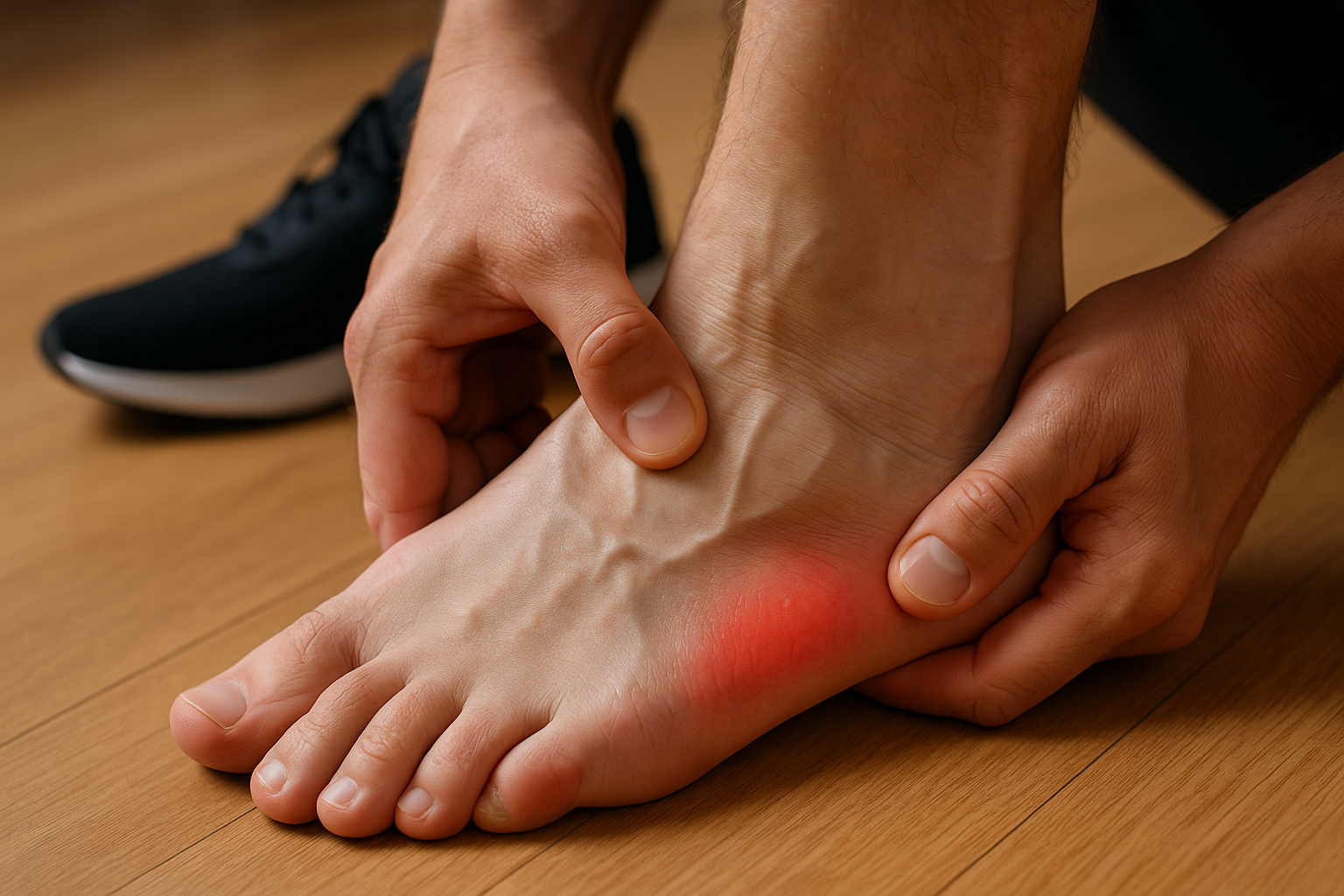
Pain on the side of the foot refers to pain that affects the outer part of the foot. This type of pain is often experienced as a mix of soreness and a feeling of pressure, especially after activities where the foot has been strained. Many describe that the pain can become more pronounced when they move, and that it is accompanied by some swelling. However, it is important to emphasize that for some this discomfort may be temporary and related to overload, while others may experience a more persistent feeling of nagging pain.
Common causes of pain on the side of the foot include mild strain-related overexertion, which can manifest as tendinitis or small stress fractures in the foot's structure. The pain is often experienced in connection with increased physical activity, such as running or other sports, where the foot is exposed to repeated impact. It is also a challenge for those who wear shoes that do not support the foot optimally during movement.
By having knowledge of what pain on the side of the foot is, and how it typically manifests, you can better assess what is needed to achieve a feeling of relief and improved daily comfort.
Frequent causes on the outside of the foot
Pain on the side of the foot often appears as a result of overload in tendons or small changes in the strain pattern around the foot. Common sources include stress injuries in the small bones, irritation in the peroneal tendons, and problems in joints and cartilage near the outer side. Activities with repeated strain, sudden changes in the amount of movement, or shoes that do not provide good support are often associated with these structures becoming irritated and sore.
How the pain appears in everyday life
The pain can appear both suddenly and gradually. It is often described as soreness during weight-bearing, a stabbing sensation during certain steps, or a more diffuse feeling of pressure when touched. Swelling and local soreness are common companions, and the pain can become more noticeable after longer walks or during sports. An altered gait pattern or avoidance of strain can cause tension to arise in the ankle, leg, knee, back, or shoulders.
Prevalence in everyday life
It is common to encounter this problem among people who are very active, as well as among those who stand a lot during the day. Many find that symptoms occur during periods of increased activity, when changing footwear, or when working on hard surfaces. In everyday terms, it is a frequent cause of reduced comfort in daily movement because it affects walking and the ability to participate in leisure activities.
Factors that can worsen the pain
Several conditions can make the pain more pronounced: repeated strain without sufficient rest, uneven surfaces, shoes lacking support, and sudden increases in activity level. Muscle tension in the lower leg and around the ankle often increases the strain on the outside of the foot, just as overweight or prolonged standing work can affect the degree of discomfort.
Variations in the pain experience
The pain experience can range from sharp, short-lived stabs to more constant, dull soreness. The intensity often changes during the day and may be worse during certain movements or after prolonged strain. Some mainly notice discomfort at the beginning of activity, while others feel a gradually increasing pain throughout the day.
Everyday factors to be aware of
In daily life, it is often small elements that affect how discomfort on the side of the foot develops over time. The condition and fit of the shoe over time can change the strain pattern without it seeming obvious at first. Likewise, the volume of the foot can fluctuate throughout the day, which affects how shoes fit during longer walks or work with many hours on your feet. These factors are often connected to whether an area feels more sore after certain activities or at certain times.
Habits and repeated strains that matter
Repeated daily movements and the way weight is distributed can matter in the long run. For example, carrying heavy objects on the same side, frequently standing one-sidedly, or prolonged walking on uniform surfaces can affect how the strain is distributed. Compensation in gait due to other pain can also lead to changed pressure on the outside of the foot, and small imbalances in the ankle or lower leg can over time cause increased sensitivity in the area.
Massage, relief, and ongoing well-being
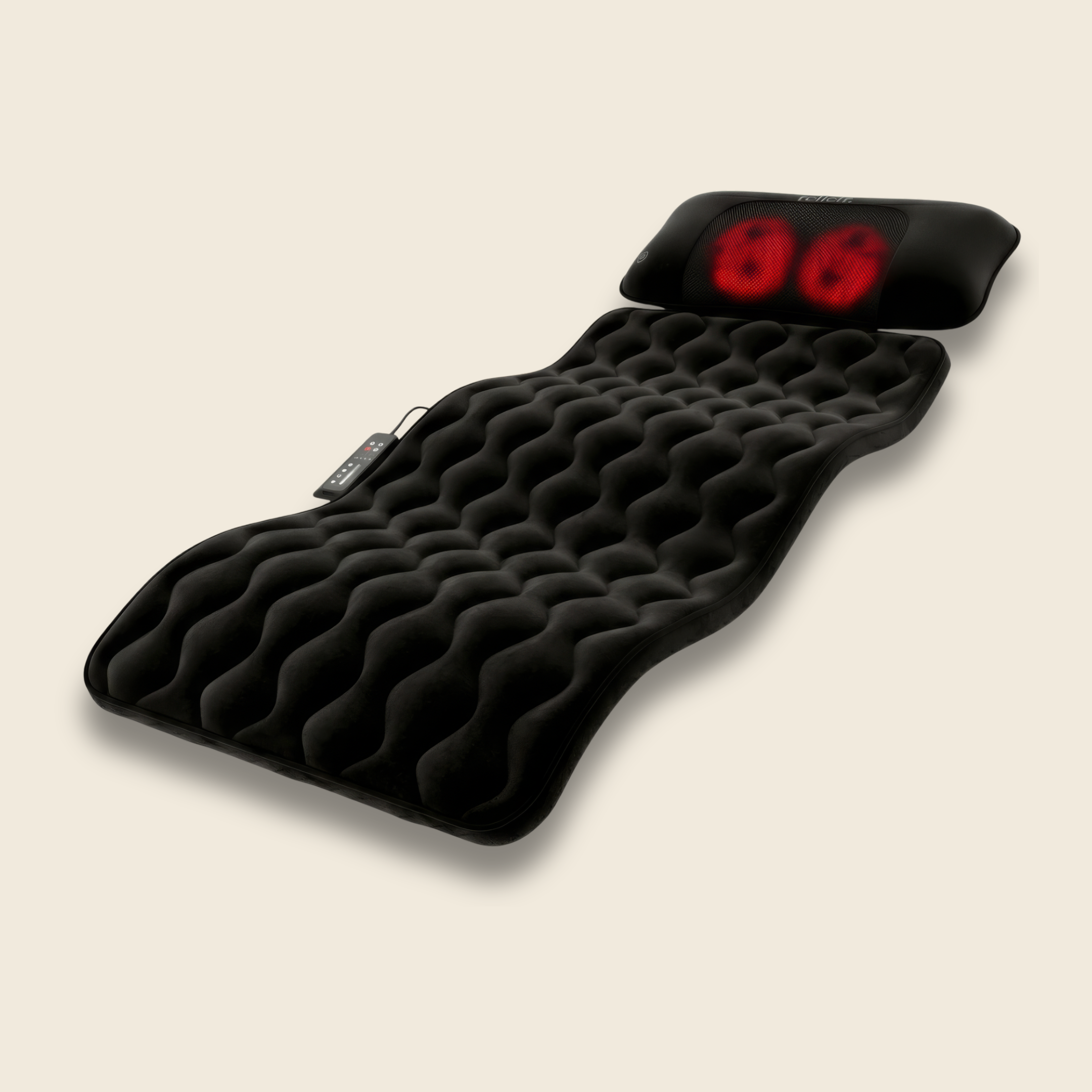
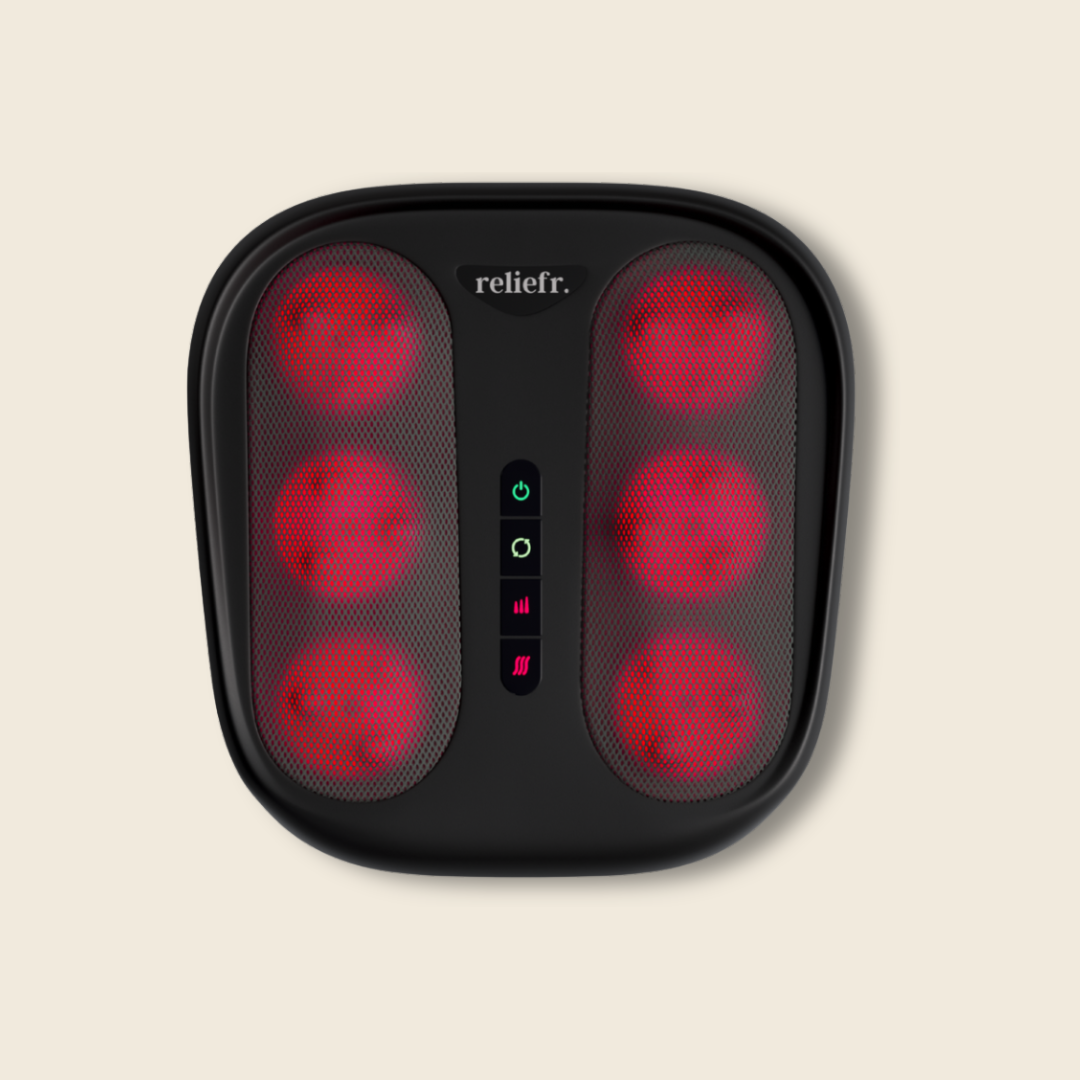
Think of massage and relief as elements of a daily well-being routine rather than as quick solutions. For some people, regular gentle touch and attention to the area prove to be a factor that can change the experience of soreness. At the same time, materials in shoes and insoles can gradually change the pressure distribution, and it may be relevant to pay attention to how such elements feel throughout the day. With us, there are products aimed at pain relief and massage, which some mention in connection with increased comfort, without necessarily changing the cause of the discomfort.
Frequently asked questions
How can you relieve pain on the side of the foot yourself?
Many choose simple measures such as temporary rest from strenuous activities, cooling in case of swelling, and changing to shoes with a different fit to reduce discomfort. Gentle massage and the use of products for pain relief are also often included in home routines, and may be experienced as supportive in everyday life.
When should you seek professional help?
In the case of persistent or worsening pain, sudden severe swelling, or markedly reduced walking function, it is common to seek an assessment. If the symptoms show no signs of improvement over a few weeks, or if normal daily activities are significantly limited, this is an indicator to get a closer assessment.
Is massage useful for pain on the side of the foot?
Massage is often mentioned as a way to create increased circulation and increased body awareness around the area. Whether massage is experienced as useful can vary, and some find that gentle and regular touch has a positive effect on sensitivity and daily comfort.