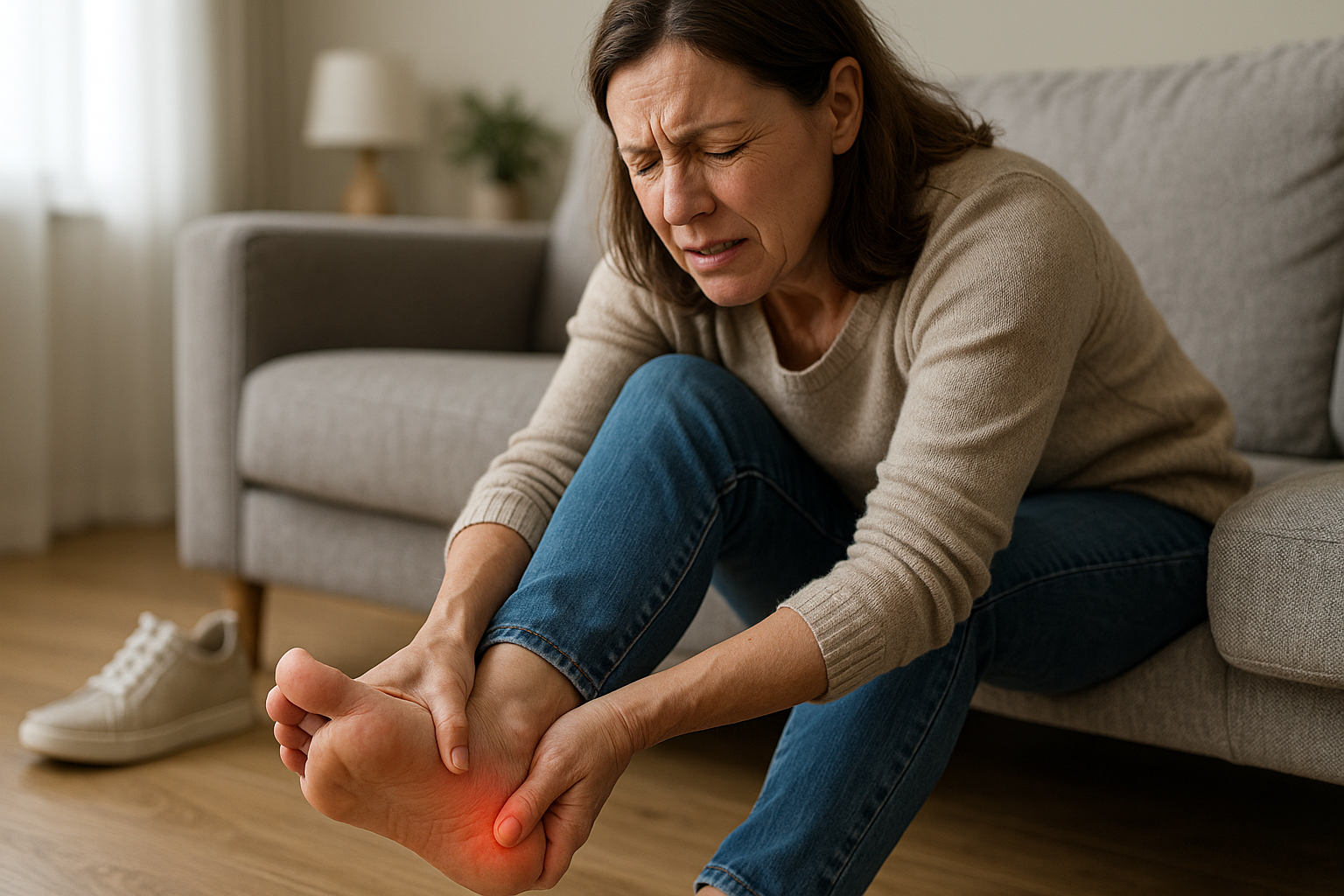
Many experience pain in the heel, which can significantly disrupt daily life. The pain can vary in intensity and arise either suddenly or as a result of prolonged strain. It is common for heel pain to occur in step with changes in activity or choice of footwear, and it can appear as an irritating disturbance in everyday life when carrying out even the most ordinary tasks. This form of discomfort is often seen in people who repeatedly expose the foot to stressful situations, or who have a naturally more sensitive foot structure. Many seek information to gain a better understanding of what lies behind the pain and what can be done to create temporary relief at home.
The factual approach to the topic makes it possible to gain an overall overview of what heel pain may be caused by and how it is typically experienced. In a busy everyday life, even minor pain can affect both comfort and freedom of movement. Therefore, it is important to have knowledge of the most common experiences and causes that can contribute to heel pain. When overuse, incorrect footwear, and changes in activity level are seen as triggering elements, it is not surprising that many seek insight into how best to manage this pain. By creating a neutral and informative framework for the topic, it becomes clear that there are several aspects that contribute to the overall experience of heel pain in everyday life.
What is pain in the heel?
Pain in the heel refers to a form of discomfort that can be felt as a sharp or throbbing sensation in the heel area. It is a term that often covers several different types of pain that can arise for different reasons. Some of the most well-known causes are overuse, inflammation, and effects associated with daily activities. Below is a brief overview of how this pain may be experienced:
- Pain when starting in the morning or after longer periods of inactivity
- A feeling of soreness under strain, such as during walks or running
- Persistent discomfort that may flare up with sudden changes in movement
These symptoms often appear in connection with a range of everyday-related factors, where both strain and choice of footwear can play a role. Many find that the pain is more pronounced after periods of increased activity or when using footwear that does not provide sufficient support. By focusing on the general aspects of heel pain, it becomes possible to see how this unpleasant condition can both occur suddenly and build up over time, depending on daily strain and personal habits. This broad understanding of what can trigger pain in the heel can provide a reassuring sense that you are not alone in the experience, and that practical information exists on how to address the situation in everyday life.
Common causes that lead to pain in the heel
Pain in the heel can be caused by a number of factors, each of which affects how the load is distributed in the foot. Overuse from repetitive movements, tight muscles in the calf, and altered foot mechanics can cause persistent pressure against the heel area. Heel spur is one of the conditions often mentioned in connection with this type of pain, but irritation around the soft tissues of the heel can also lead to similar symptoms. The use of footwear without sufficient support or frequent changes in activity level is often linked to the pain arising or becoming more noticeable.
How does the pain show itself in daily activities?
The pain often appears as a sharp or stabbing sensation during the first steps after rest, but it may also be experienced as a duller or constant soreness during prolonged standing or walking. The intensity can vary throughout the day: mornings may bring particularly sharp pain, while strain later may feel more nagging. At the same time, muscle tension in the lower leg, calf, and foot can make the strain harder to tolerate, and general movement habits can affect when and how much the pain is felt.
How widespread is pain in the heel?
Pain in the heel is common across age groups, but is seen more frequently among people with many hours of standing or repetitive strain. Lifestyle and type of work can affect the occurrence: people with physically demanding jobs or active leisure time report problems in the heel area more often. The occurrence is also influenced by weight, footwear, and daily movement patterns, all of which can make the heel more exposed to strain.
Daily factors that can cause worsening
Several everyday factors influence how the pain behaves over time. Hard surfaces, long periods of standing work, sudden increases in activity level, and the use of shoes without support can all be causative elements. In addition, increased body weight and repetitive jumping or running can increase pressure against the heel, which typically makes the symptoms more noticeable in ordinary daily tasks.
Variations in the experience of heel pain
There are variations in how heel pain manifests itself: some experience acute, sharp pain under strain, while others feel a more persistent soreness that changes from day to day. Differences in foot structure, walking pattern, and muscle tension in the legs, back, or shoulders may help explain why two people with seemingly the same problem can have very different experiences.
What to be aware of in everyday life
In daily life, it is useful to notice small changes in how the foot reacts throughout the day. The pain can shift in intensity without necessarily being tied to one single event. Changes in the fit of the shoe, moisture in materials, and small variations in walking pattern are often connected with how the load is distributed around the heel.
Habits and movement patterns that can make a difference over time
Repetitive movements and fixed routines can create persistent effects in the muscles and connective tissue of the lower leg. Circadian rhythm, standing and sitting habits, and the degree of variation in movement during a day can matter for whether pain remains stable or changes character. Attention to long-term patterns can provide insight into when the pain tends to be worst.
Special considerations regarding footwear and daily wear
Shoes wear out differently depending on material and use. A noticeable change in the shape of the sole or uneven wear may show that the load is not distributed evenly. This does not necessarily mean anything acute, but it is a factor that can affect how the heel feels over weeks or months.
Sensory and time-related variations
The pain experience can change with temperature, swelling in the tissue, and muscle tension in the leg. Some experience greater soreness at certain times of the day, while others note a difference depending on the type of activity or after longer rest. These variations provide a picture of how the body's reactions develop in everyday life.
Notes and observations as support
- Time of day when the pain is most pronounced
- Which shoes or surfaces are most often associated with increased discomfort
- Whether pain worsens or decreases in connection with particular movement patterns
Frequently asked questions
Can massage affect the experience of pain in the heel?
Massage can change how tissue is experienced by affecting blood flow and nerve signals locally. The effect may vary from person to person and can be seen as temporary changes in sensation and comfort.
Why does pain in the heel vary from morning to evening?
Variations may be due to differences in tissue stiffness after rest, changes in fluid accumulation in the tissue, and the overall load the foot is exposed to during the day. These factors can affect the intensity without pointing to one single cause.
What can uneven wear on shoes signal?
Uneven wear often reflects individual walking patterns and load distribution. It can be an indicator of where pressure against the heel is typically placed, and how this may develop over time.
.