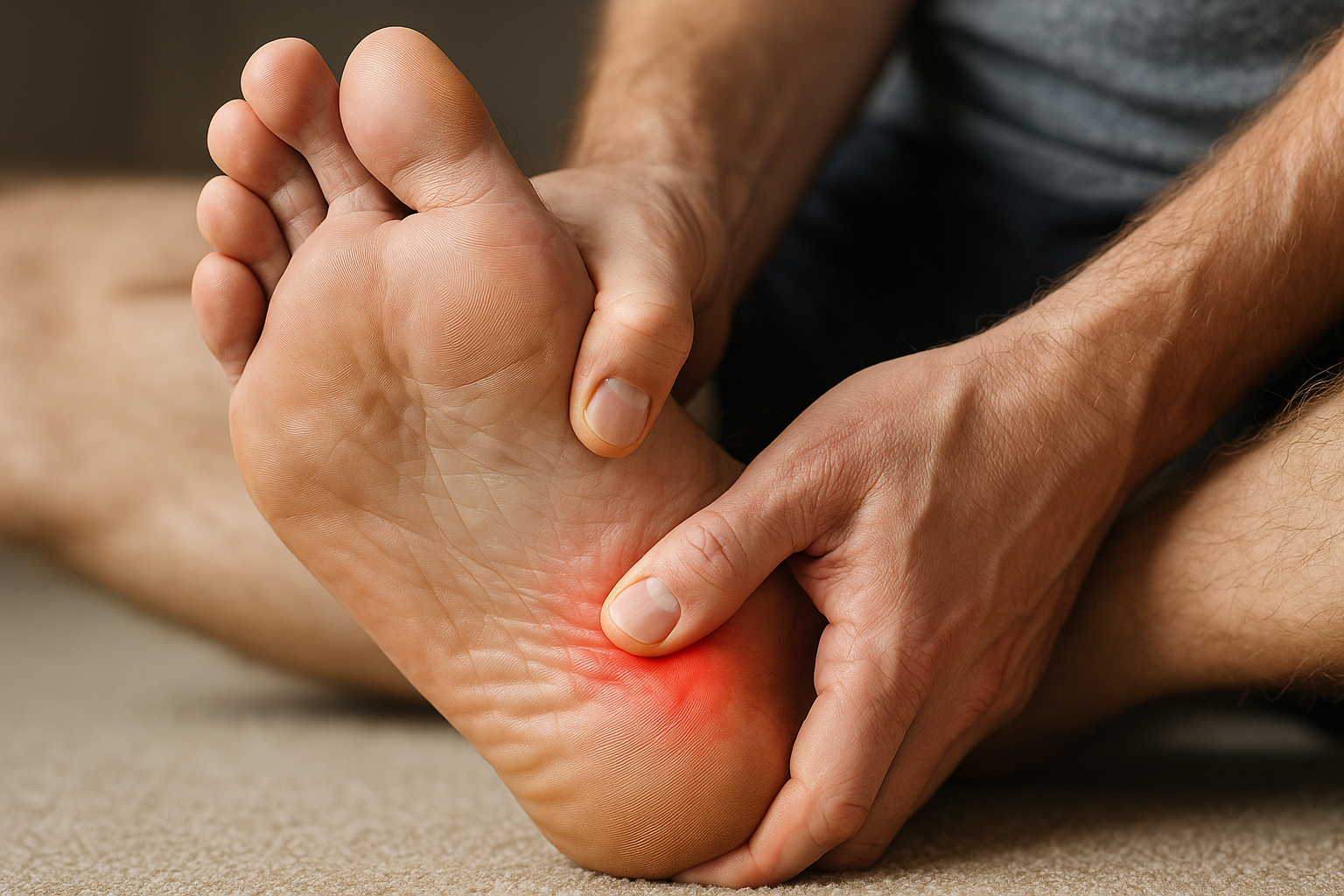
Many experience pain in the heel, and heel spurs are a condition that can create discomfort in everyday life. It is common for people to feel a sharp pain, especially after periods of rest or in the morning, and to experience that daily activities can become a challenge. The pain from heel spurs can seem limiting, and many therefore seek practical exercises that can relieve the discomfort and strengthen the foot. The issue is typically related to overloading of the tissue under the foot, which is often noticed when standing or walking for longer periods. When everyday life includes work, exercise, or other activities, the condition of the feet can affect both comfort and well-being. It is therefore relevant for many to gain a better understanding of what heel spurs are, as well as how they affect everyday life.
The pain is often experienced as stabbing or shock-like, and although the condition does not directly affect mobility, it can make it more painful to perform ordinary movements. For those who have an active everyday life, or who stand for longer periods, these inconveniences can quickly become part of the daily routine. Therefore, many seek knowledge about heel spur exercises that focus on gentle training, stretching, and massage as part of reducing the discomfort and hopefully strengthening the structures of the foot. This approach reflects a natural curiosity for practical, home-based methods where one can personally feel an improvement and experience a reduction in pain. Getting a factual framework for what the condition involves is an important part of understanding how one can work with one's own bodily well-being.
What are heel spurs?
Heel spurs describe a condition in which the soft tissue under the heel becomes inflamed due to overuse. It can arise when the structures of the foot, for example the plantar fascia, are exposed to repeated strain without sufficient rest or strength training. Many experience that the pain is most pronounced after a period of inactivity, such as in the morning, when the tissue has to get used to being activated again. The condition is often seen in connection with both physical activity and daily strain, where prolonged standing or intensive exercise can lead to overloading of the small muscles and tendons in the foot.
The experience of heel spurs can vary from a lightly irritated sensation to a more persistent, stabbing pain. It is precisely this variation in symptoms that makes many seek information about heel spur exercises. By understanding what heel spurs involve and how they can affect the condition of the foot, it becomes easier to assess which exercises may be beneficial for relieving discomfort in everyday life. The text provides an overall and factual framework that sets the stage for a further discussion of exercises aimed at strengthening the foot and reducing pain in a practical and easily accessible way.
How does the pain show itself in everyday life?
The pain from heel spurs often appears as a sharp or stabbing sensation in the heel, especially after rest or with the first step in the morning. The discomfort itself can be experienced differently from person to person, but what they have in common is that it can make walking and standing more uncomfortable. Although the pain is localized to the feet, it can also affect the legs and back when the walking pattern changes to avoid pain.
How common is the problem?
Heel-related pain is common among people with active everyday lives and among those who stand or walk a lot. Older people and people with certain foot structures experience discomfort more often, and activity choices such as running or prolonged standing are often associated with an increased risk of symptoms appearing. The problem is seen in many different age groups and lifestyles.
What can affect the development of pain and tension?
Several factors can cause increased strain in the foot: repeated strain from sport or work, shoes without sufficient support, and biomechanical traits such as flat feet or high arches. Muscle tension in the lower leg and tightness in the Achilles tendon can worsen the feeling in the heel. These elements can also indirectly affect comfort in the neck and shoulders when the body compensates for pain.
Exercises and methods for pain relief and relief
There are several forms of exercises aimed at pain relief, reduction of muscle tension, and increased relief in everyday life. Common to them is the focus on both gentle movement and increased strength in the foot and lower leg, without requiring complex pieces of equipment.
- Heel raises on an elevation: a strengthening movement for the lower leg and foot that can reduce the strain around the heel.
- Rolling with a ball under the foot: provides local massage, improves circulation, and can loosen tense structures under the foot.
- Stretching of the toes and Achilles tendon: increases flexibility and can reduce pulling in the foot when walking.
- Combination of massage and stretching: several experience better effect when gentle massage is followed by targeted stretching.
When are variations relevant?
Variation in exercises is important depending on daily strain and activity level. For people with a lot of standing work, the focus may be on relief through gentle exercises and break movements, while others with a higher activity level may benefit from exercises that increase the strength of the foot over time. Adaptation to one's own everyday life makes it easier to stick to a routine that supports well-being and reduces pain.
What you can pay attention to in everyday life
In ordinary everyday life, it is often small, repeated patterns that matter for how pain in the heel develops over time. Variation in strain from work tasks, the way one walks over longer periods, and choice of surface can affect how the feet feel at the end of the day. This can appear as increased stiffness in the morning or gradually increasing soreness after days with longer standing tasks.
Habits that may play a role
Some daily habits are often associated with changes in comfort around the heel. For example, one's strain pattern by favoring one side or often walking in the same kind of shoes can change the way the strain is distributed. Likewise, repeated short periods of strain during the day can feel different from a few longer periods of strain, and both types can affect how pain is experienced over time.
Overall considerations without specific advice
Over time, attention to small signals can make it easier to gain a nuanced picture of the condition. Changes in the character of the pain, variation in intensity from day to day, and connection with certain activities are all elements that can prove to be useful guideposts. It is also common for temporary fluctuations to occur; some days can be more challenging, others calmer, without there necessarily being a simple explanation.
- Observe whether the sensation of pain changes during the day or after specific types of activity
- Notice whether the strain shifts to other areas such as the knee or hip
- Be aware of patterns in footwear and surfaces in relation to periods of increased discomfort
Frequently asked questions
Can the use of massage equipment affect the feeling in the foot?
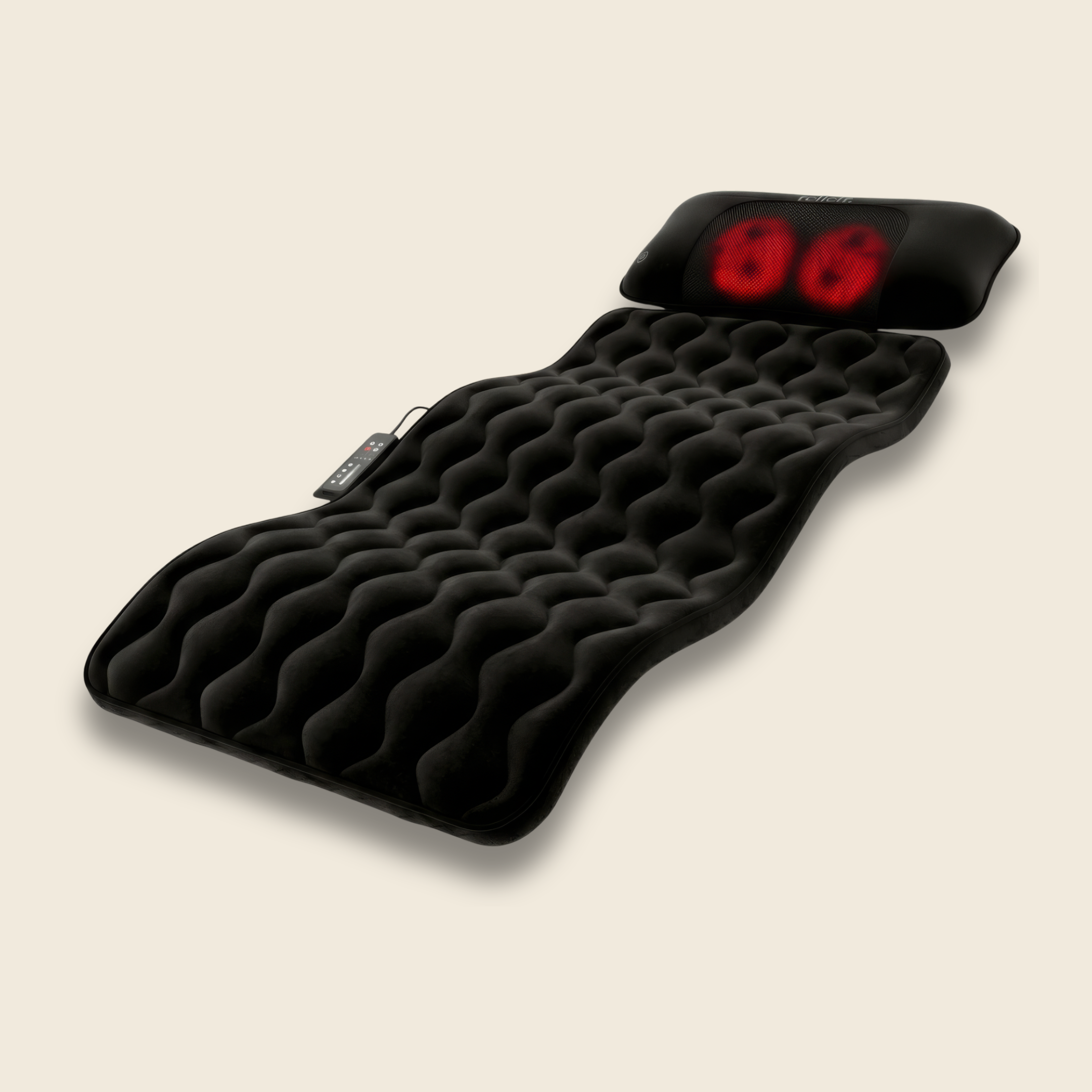
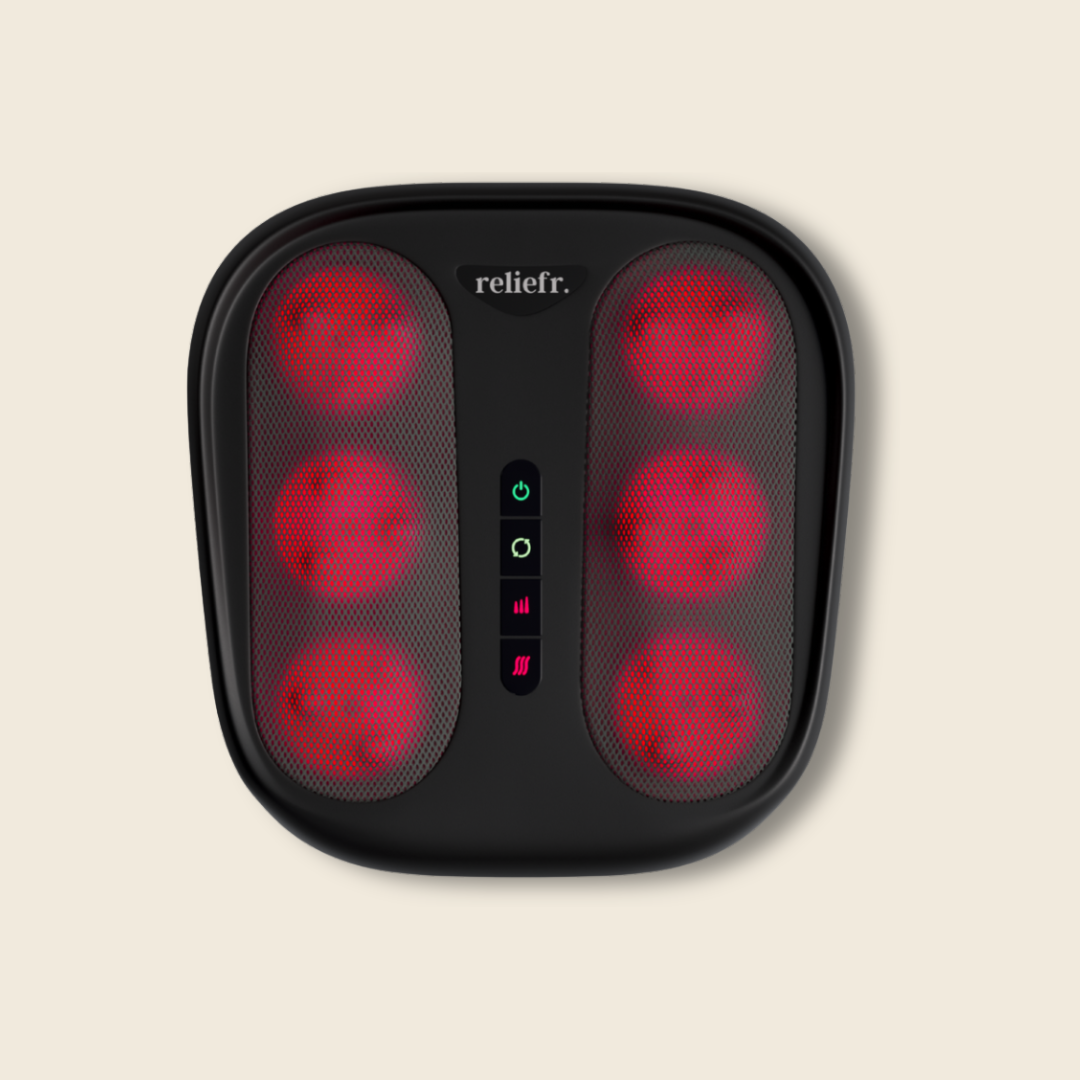
Some people find that the use of different massage tools can provide temporary relief or change the sensation in the foot. The effect varies greatly from person to person and may appear as short-term relief or as a feeling of increased circulation without lasting change.
How long can changes in habits take to become noticeable?
The time frame for noticing a difference with changed daily patterns varies. For some, minor adjustments in routines can produce visible differences within a few weeks, while others find that changes appear gradually over a longer period. Variation between individuals is common.
What does a change in the character of the pain mean?
A change in how the pain is experienced may appear as more stabbing or more diffuse discomfort. Such changes may be connected with variation in strain, the mobility of the foot, or other daily conditions, and they provide a picture of how the body reacts to the repeated influences.
.