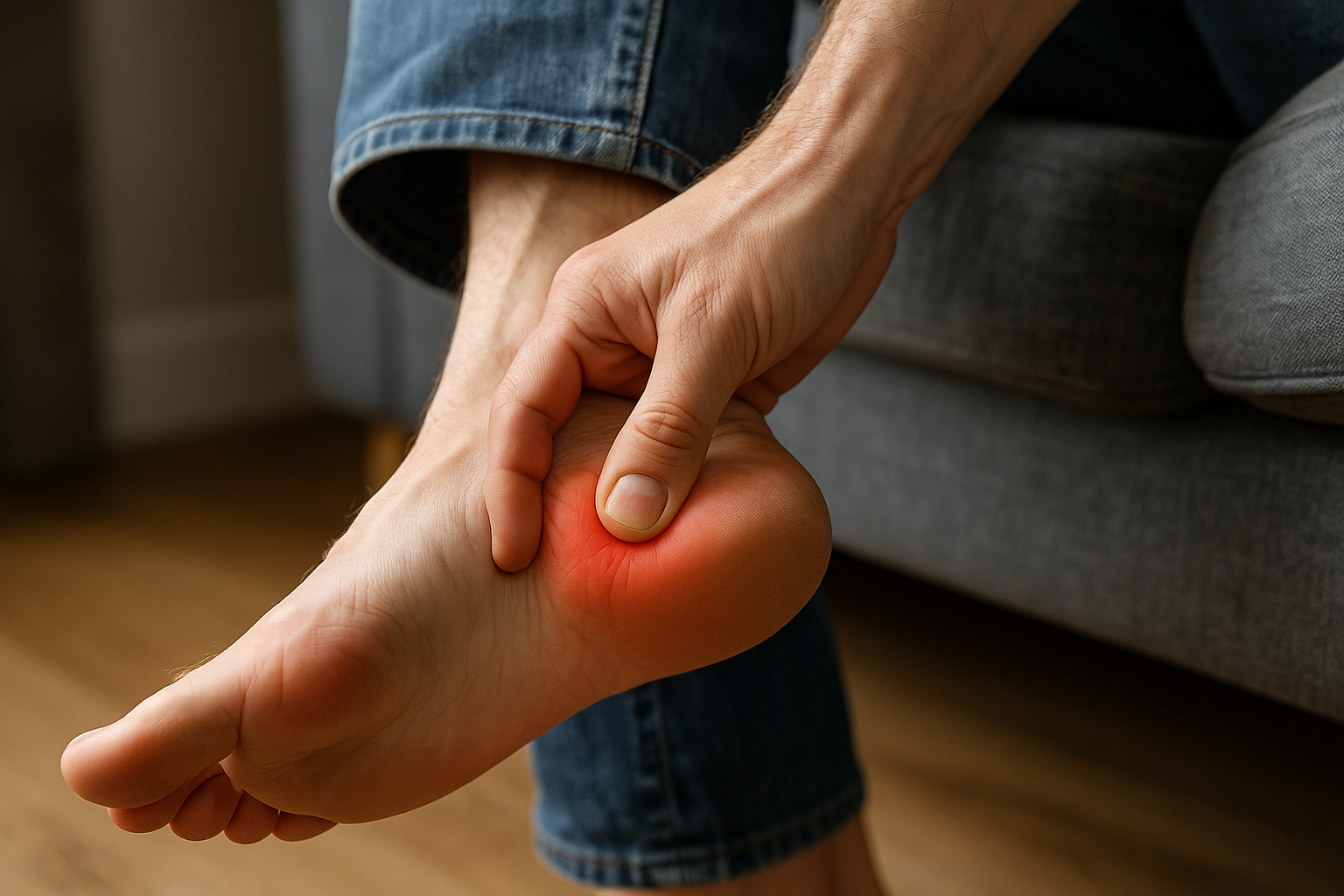
Many experience pain in the heel at some point, and it can lead to major challenges in everyday life. It is common for heel pain to occur after a long day with a lot of movement or after particular strains, such as during sports or work that places extra demands on the foot. The pain can be felt as a persistent soreness or a sharp sensation that makes daily activities less comfortable. This form of discomfort can affect both leisure activities and general freedom of movement, which makes it natural to seek knowledge about the subject when the discomfort arises. Heel pain is often first noticed when it begins to affect daily life, and it can vary in intensity depending on how the load on the foot is distributed throughout the day. Some experience the pain most in the morning, while others notice it more after long periods of activity.
What is pain in the heel?
Pain in the heel covers a broad spectrum of discomfort that can stem from several different causes. For many, heel spur is one of the best-known causes. This condition is often associated with an inflammation in the connective tissue that runs along the heel and is experienced as a sharp pain under strain. Another common cause is plantar fasciitis, where irritation in the connective tissue that stretches from the heel to the toes causes soreness and stiffness, especially after periods of inactivity. It can be experienced as a burning or throbbing sensation that worsens with the first step in the morning and subsides slightly with movement.
The experience of heel pain can vary significantly from person to person. Some feel a constant, low-intensity pain, while others experience more sudden and intense pain flare-ups. Heel pain is often related to the way the foot is loaded in everyday life and how footwear affects relief. It is precisely the pain that arises that creates a natural interest in understanding how best to relieve the discomfort and why it occurs. By gaining a broad understanding of what pain in the heel entails, it becomes easier to assess different approaches to achieving a more comfortable everyday life and reducing the feeling of discomfort, even though there is not yet a definitive method to remove the pain completely.
What does pain in the heel cover?
Pain in the heel covers several types of discomfort that can appear in and around the heel area. Common causes include mechanical strain from repeated loads, irritation in connective tissue, and tension in the muscles around the foot and lower leg. The pain can originate from the area under the heel, at the back of the heel by the Achilles tendon, or from soft tissue around the heel. In everyday life, pain in the heel is often related to changes in activity level, prolonged standing, or the use of footwear without sufficient support.
How does pain in the heel typically present itself?
Symptoms of heel pain can appear in several ways. Some experience a sharp, localized pain with the first step after rest, while others notice a more diffuse, throbbing soreness that comes on gradually during the day. The pain can worsen with prolonged walking or standing and can change character with running or jumping. Increased stiffness after inactivity and a feeling that the area is sensitive to pressure are often seen. Muscle tension in the calf can make the pain feel more widespread and less precisely localized.
How common is pain in the heel?
Heel pain is a common complaint in many age groups and can affect daily movement and well-being. People with a high activity level, those who stand a lot at work, and those with increased body weight are often mentioned as being more exposed. In ordinary everyday language, many find that a single or repeated strain can lead to symptoms that make everyday routines such as shopping, walks, or climbing stairs more troublesome.
What can cause pain in the heel in everyday life?
Several daily conditions can cause increased strain and thus pain in the heel. Choosing shoes without sufficient support, long periods on hard surfaces, sudden changes in exercise habits, and extra body weight are typical examples. Lack of attention to fatigue in the lower leg and tension in the calf muscles can lead to the load being transferred incorrectly through the foot. Work situations with repetitive movements or a lot of standing can make the pain more prominent in everyday life.
Forms and variations of heel pain
The pain can vary from localized soreness under the underside of the foot to the back of the heel at the tendon attachment. Some describe a burning sensation, others a sharp stabbing pain under load. Heel pain can also be related to tension in the legs, feet, back, neck, or shoulders when an altered gait pattern or compensation leads to strain elsewhere in the body.
Everyday awareness with pain in the heel
When one has reviewed causes and typical symptoms, it can be useful to direct attention toward daily patterns that develop over time. In everyday life, repeated sensations or variations in the pain often appear, which can say something about how the load is distributed. Some experience, for example, that the discomfort changes character during longer periods of standing work, when changing footwear, or with changes in activity level over several weeks.
Habits and small signals that can change over time
There are several factors that can gradually become significant. Sleep and rest patterns can affect how stiffness is experienced in the morning. Stress and general fatigue can change the perception of pain, and weight distribution in daily movements can slowly shift the load to other parts of the foot. Over time, repeated movements can create patterns where the feeling of comfort and discomfort alternates in periods.
Massage and relief as part of everyday life
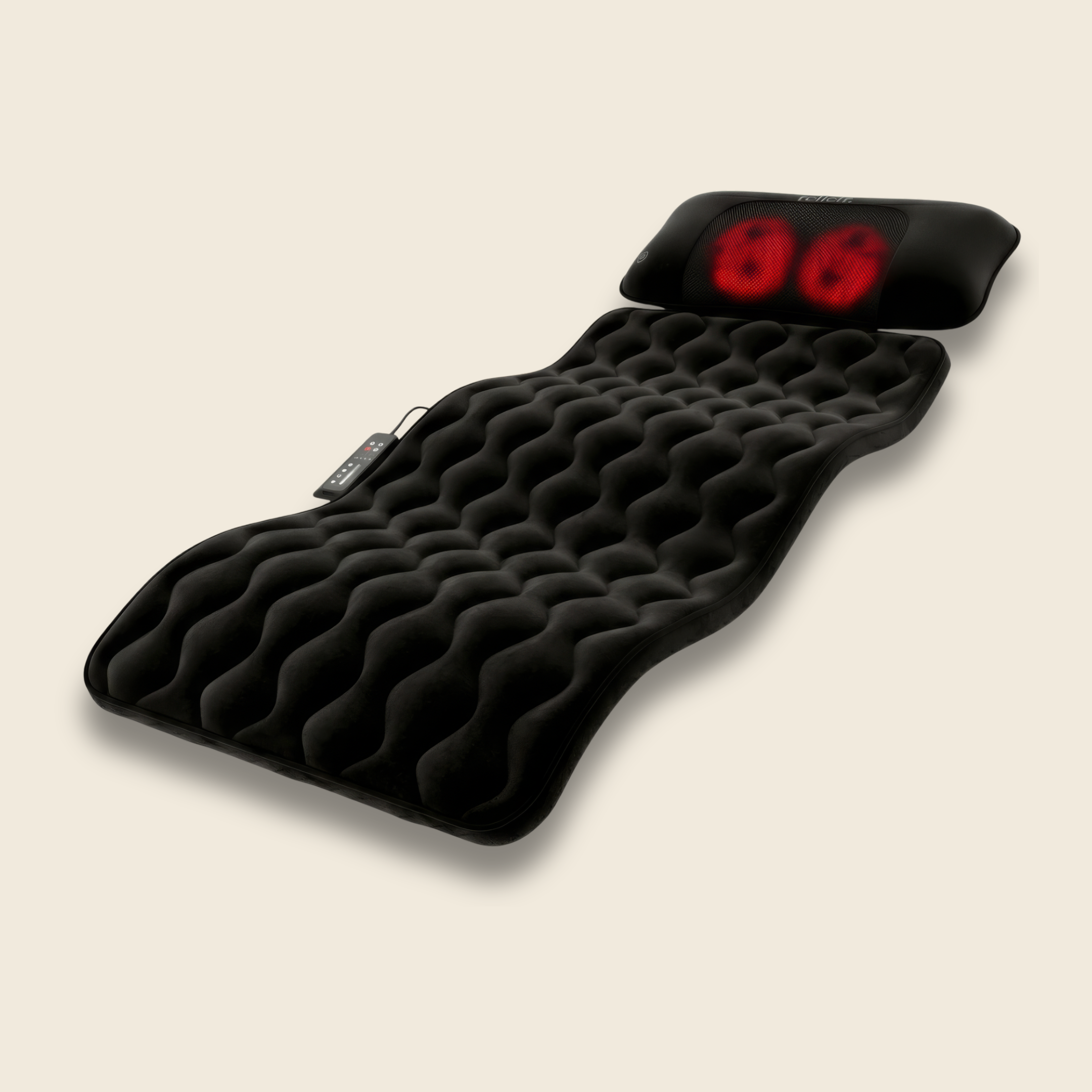
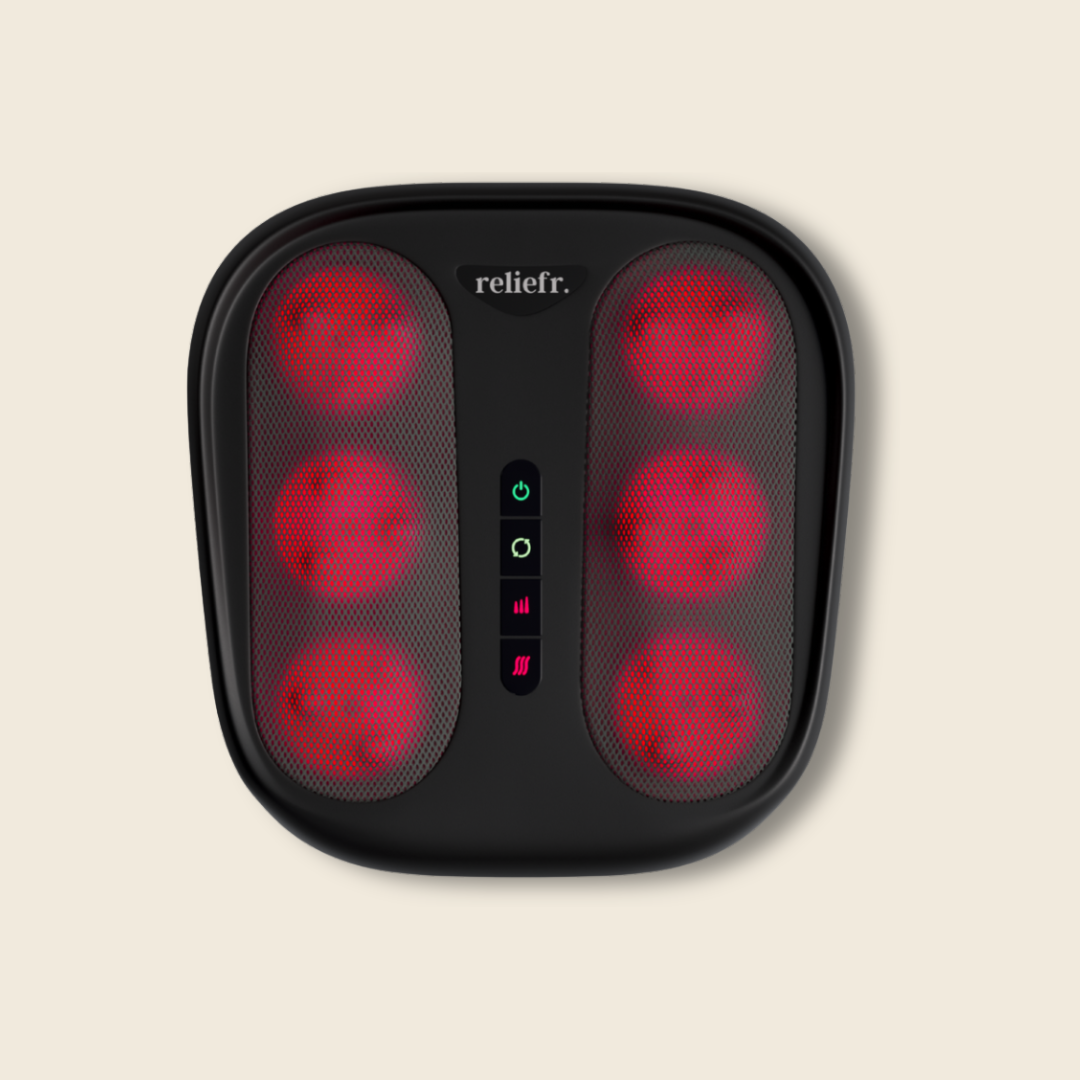
The use of massage can be experienced as relieving and create increased mobility in the foot for a time. The massage can feel like relaxation in the muscles around the calf and under the foot and can be experienced differently depending on intensity and frequency. Relieving aids such as soft or firm materials in shoes can also be experienced as changes in comfort, and it is common for people to get used to certain forms of support in everyday life.
Long-term considerations without instructions
- Observation of patterns in the variation of pain over days and weeks
- Attention to changes in footwear and surfaces through the seasons
- Noting the connection between stress level and pain experience
These points are intended as general considerations to keep in mind in everyday life, without being an encouragement for concrete actions. Being aware of patterns can provide perspective on how the discomfort affects daily movement and well-being.
Frequently asked questions
Which exercises can help with pain in the heel?
Exercises are often mentioned in connection with relief, and many report that movements aimed at the foot and lower leg can change the experience of stiffness and soreness. Exercises can be experienced as a way to influence load patterns and mobility over time, but responses regarding effect can vary from person to person.
How can footwear affect pain in the heel?
Footwear plays a role in how the load is distributed on the heel. Material, heel height, and wear pattern can change the comfort and the way the foot works in daily movements. Small changes in shoe choice can therefore be experienced as differences in how the discomfort presents itself.
Can massage affect the duration of discomfort?
Massage can be experienced as immediate relief for some, while others notice a less lasting effect. Sensations after massage can vary with technique and frequency, and massage often seems to affect both local tension and the subjective pain experience.
.