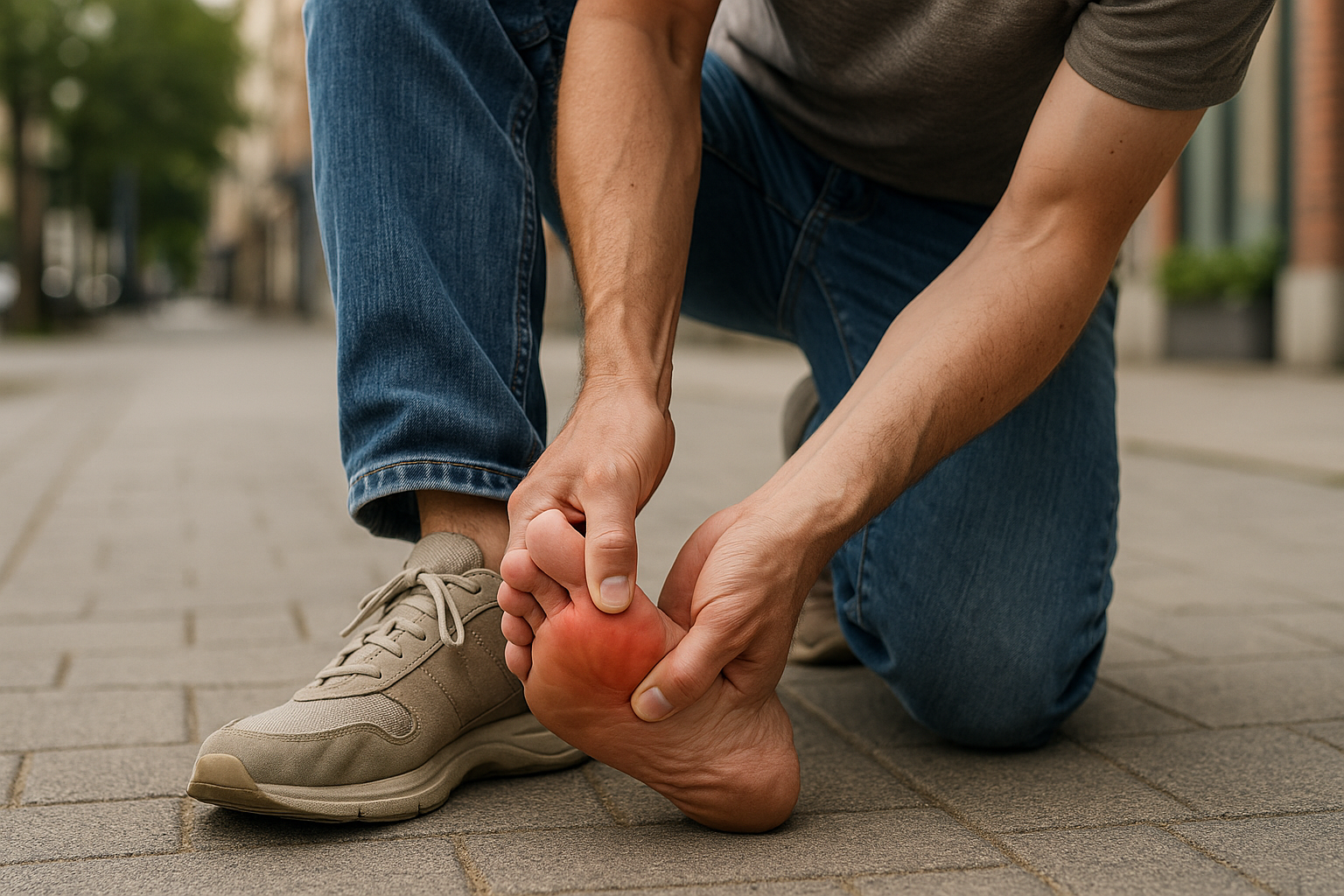
Many experience pain in the foot when I walk, and this can lead to a feeling of discomfort in everyday life. The pain is often felt while walking and can vary from a mild tight sensation to a more intense, stabbing sensation. It is common that with prolonged strain or after periods of stationary activity, one feels that the foot is more sore or tired. This topic is relevant for people who find that they need to adjust their daily walking patterns or choice of footwear to reduce the discomfort. For those seeking knowledge about what may lie behind pain in the foot when I walk, it is important to look at the many possible causes and the general symptoms that often occur.
What is pain in the foot when I walk?
Pain in the foot when I walk typically includes painful sensations that arise when the foot is under load. The pain can vary in intensity, and it is often experienced in connection with everyday movements. It can be an all-encompassing discomfort that makes it difficult to walk without feeling soreness or stiffness. Many notice that the pain is especially present with the first steps in the morning or after a period of inactivity, and that the condition can become more pronounced if one continues with strenuous activities during the day.
Some of the characteristic symptoms that may appear include:
- Pain when the foot is under load
- A feeling of fatigue or stiffness in the foot's muscles
- Discomfort when pressure is applied to certain areas of the foot
- Slight swelling or a burning sensation
These sensations can be experienced differently from person to person and depend on which activities the foot is subjected to. The discomfort that many feel is connected with the way the foot is loaded during walking, which for some can lead to an immediate reaction in the form of pain. It is therefore often a natural reaction that functions as a signal that the foot needs a break or a change in the load. A basic understanding of what characterizes pain in the foot when I walk can provide an overview of the condition and make it easier to see whether it may be related to everyday habits or activity patterns.
Common causes of pain in the foot when walking
Pain in the foot when walking can be due to different patterns in how the foot is loaded. Typical presentations appear as sharp pain in the heel area during the first steps after rest, a burning sensation under the forefoot during longer walks, or a diffuse soreness and fatigue in the arch and foot muscles after repeated strain. Overuse from many repeated movements or sudden increases in activity can cause local irritation and increased tension in muscles and connective tissue.
How do many experience the pain in everyday life?
The pain often appears at specific times: when standing up after sitting, during longer walks, or after prolonged standing work. The nature can vary from stabbing and sharp to a more flat, pressing soreness, and some also experience slight swelling or stiffness. Muscle tension in the foot and calf can create a feeling that the foot "won't cooperate," which can make ordinary activities more strenuous.
Location and character
The pain can be localized to the heel, arch, or forefoot, and it can be experienced as tenderness when pressure is applied to certain points. Some describe a stabbing sensation under the toes, others feel a deeper soreness in the midfoot. These differences in pain patterns offer a guide to how the problem appears in everyday life.
How widespread is foot pain in everyday life?
Foot pain is common and occurs both in people with a high activity level and in those who stand a lot at work. Changes in activity patterns, prolonged standing, or increased walking distance in everyday life are often associated with worsening symptoms. Lifestyle choices and daily habits can therefore be important elements when looking at who typically experiences discomfort.
What can cause pain in everyday life?
Several everyday factors can cause or worsen pain: strenuous activities such as many stairs or longer walks, use of footwear without sufficient support, and changes in the way one walks. Biomechanical changes in weight distribution can create increased tension in the foot's muscles and calf, and compensation can affect other areas such as the legs, knees, and back. Muscle tension in the neck or shoulders can also be connected with general posture, which can ultimately affect gait pattern and the experience of pain in the feet.
What to pay attention to in everyday life
The rhythm and context of the pain can provide useful information without pointing to specific solutions. Note when the pain typically appears during a day, how different activities affect the experience, and whether recognizable patterns repeat over time. Small changes in daily habits can be associated with certain areas of the foot becoming more loaded than others, and the feeling of soreness can shift from stabbing to more diffuse discomfort.
Habits and conditions that often play a role
The foot's response is often affected by several simultaneous factors. Repeated strain in the same position, prolonged standing on hard surfaces, or carrying heavy bags on one shoulder are often associated with changed weight distribution. Wear on footwear over time, tight or loose lacing, and ordinary movement habits can gradually change how the load is distributed through the foot's joints and muscles. These conditions often develop slowly and can affect the experience of pain over longer periods.
Massage and relief: Perspectives without solution suggestions
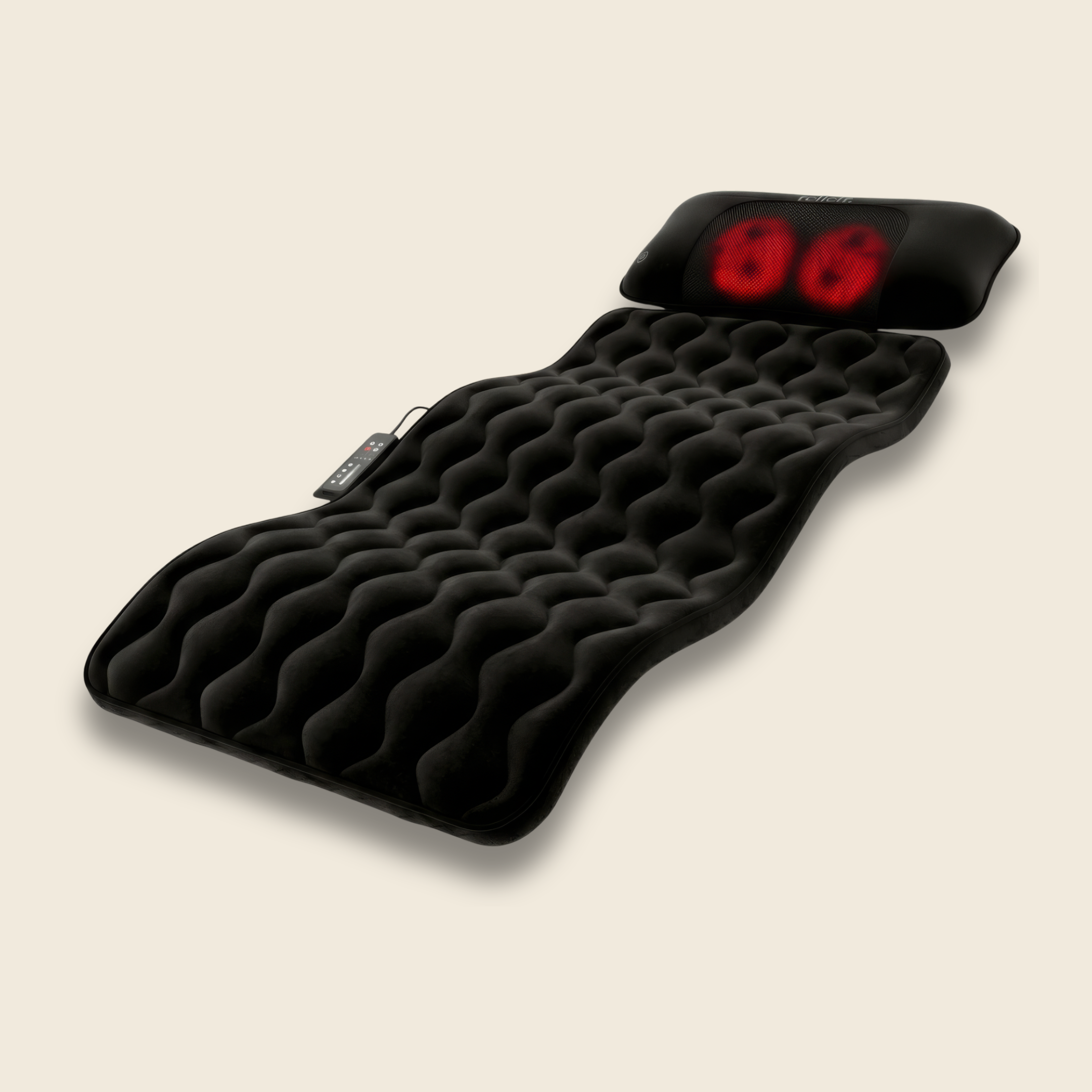
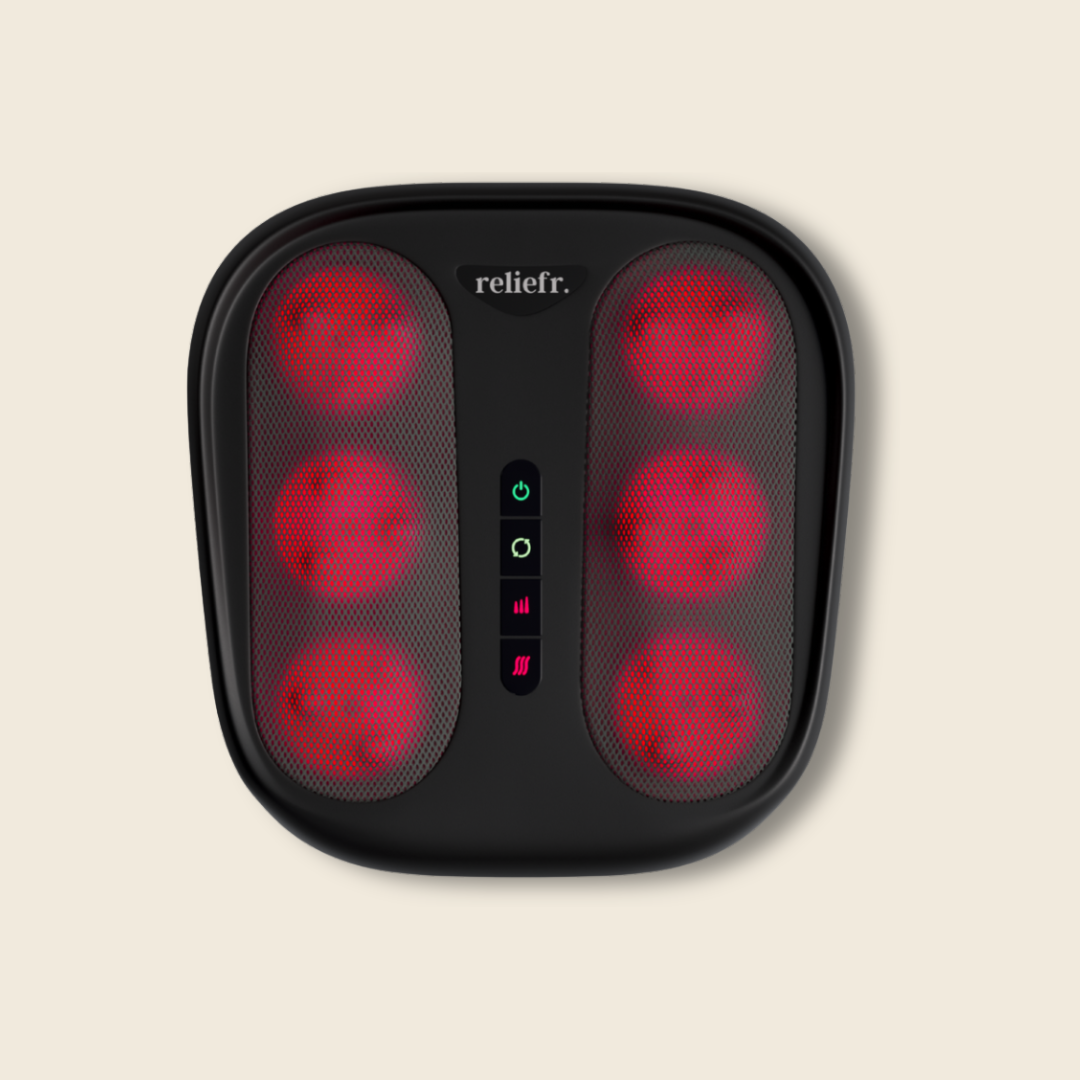
Massage is frequently mentioned in connection with relief and well-being. Many describe that massage can be experienced as a way to reduce tension and promote a local feeling of warmth, and that regular use of soothing touch can affect how discomfort is experienced in everyday life. At Reliefr, massage products are mentioned as an element of daily well-being, but the effect can vary from person to person and over time. It is also common that different forms of relief feel different depending on daily activity level and the foot's current condition.
Being aware of connections rather than looking for immediate solutions can provide a more nuanced picture of the issue. Over time, observations often show which situations repeat themselves and which habits may matter for how the pain is experienced in everyday life. Below are answers to common questions that many seek more knowledge about.
Frequently asked questions
Can foot pain vary from day to day?
Yes. Daily variation is common, as load, sleep quality, footwear, and activity level can change the experience of pain. Many experience greater discomfort after longer periods of standing work or increased walking distance.
Do different surfaces affect how the pain appears?
Different surfaces can change the load pattern in the foot. Hard and uneven surfaces can feel different from softer surfaces, and that can matter for where and how the discomfort is experienced.
What do people experience regarding massage and well-being in relation to foot pain?
Many describe that massage can be experienced as pleasant and as a way to reduce local tension. The effect varies, and some notice changes in the feeling in the hours after massage, while others experience differences over a longer period of time.
.