Many experience in everyday life that long hours at the desk or intense physical activity can lead to tension and discomfort in the neck, shoulders, and back. It is common for a feeling of soreness and stiffness to set in after both workdays and sporting challenges. Therefore, machines for home use that can provide a form of massage become a popular solution for those seeking an easily accessible method to relieve muscle tension and promote relaxation. With the growing interest in personal well-being, there has been a greater focus on how one can create a more relaxed everyday life oneself. Many find that a massage machine contributes to an increased sense of well-being, without having to leave home or book an appointment with a professional. The practical usability combined with the possibility of adjusting settings makes these devices attractive for those who especially want to reduce the typical tension arising from office work or other daily strain. The impulse from a machine-based massage can be experienced as a help in achieving a more comfortable everyday life, where the simple use and the many adjustment options meet different needs.
It is important to have an overview of how a massage machine can create a tangible difference for someone who often experiences exhausted muscles and a tense body. Whether one seeks to get rid of lingering tension after a hard day or wishes to prevent daily muscle fatigue, it is this form of home treatment that often arouses interest. Technological development has made the machines more intuitive and user-friendly, which makes them a natural supplement to an active everyday life where relaxation and recovery are important elements.
What is a massage machine?
A massage machine is a device that imitates techniques known from a professional massage. The focus is often on specific body parts such as the neck, back, or feet, and the device may have functions such as heat therapy and different intensity settings. The machine's movements and heating elements are combined to provide a feeling of well-being and pain relief. Many models also offer different types of massage, for example shiatsu or compression, each of which can be adapted to the individual's needs. With the possibility of adjusting both intensity and heat supply, a massage machine becomes a practical tool in the fight against daily muscle tension. This type of device can be experienced as a supplement to an active lifestyle, where one wants to reduce the typical tensions that arise after a long workday or repeated strain. By providing a targeted treatment of the areas that are often particularly tense, the machine creates an effective framework for relaxation at home.
How do tension and pain show themselves?
Tension in the muscles often shows itself as stiffness, soreness, and reduced mobility in the affected areas. Many find that the neck and shoulders become tired after long periods at the desk, while the back may feel sore after repeated lifting or prolonged sitting. In the legs and feet, tension can be expressed as heaviness or a local pressing feeling after long walks or standing work. The symptoms can vary throughout the day and may be experienced as a tight feeling, local tenderness on palpation, or a general sense of fatigue in the muscles.
How widespread is the use of massage machines?
The use of massage machines in private homes has become more common. Many choose a machine as a practical way to seek pain relief and relaxation without having to schedule an appointment outside the home. Machines are frequently used after workdays or training sessions and are often seen in living rooms, home offices, and in connection with leisure activities. Another trend is that people choose different devices depending on which areas produce the most symptoms, so the focus typically lies on the neck, back, shoulders, and feet.
What can affect the need for a massage machine?
- Sedentary work and long periods in front of the screen can increase the need for regular pain relief and relief.
- Repeated movements or physically demanding tasks can lead to more persistent muscle tension.
- Stress and poor sleep can make muscles more sensitive and thereby affect how often one experiences discomfort.
- Footwear, strain patterns, and prolonged standing can make feet and legs more tense.
Different types and their typical areas of use
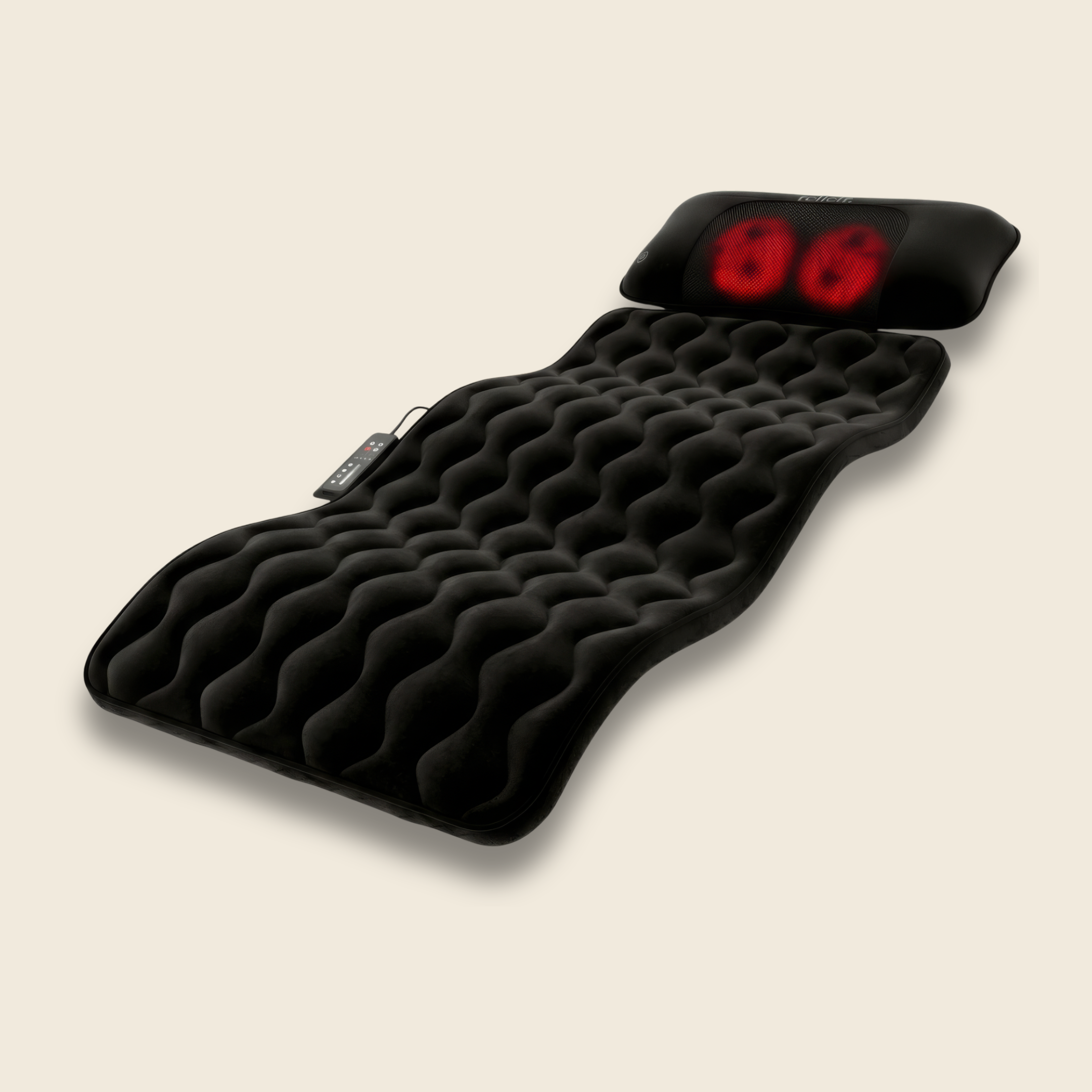
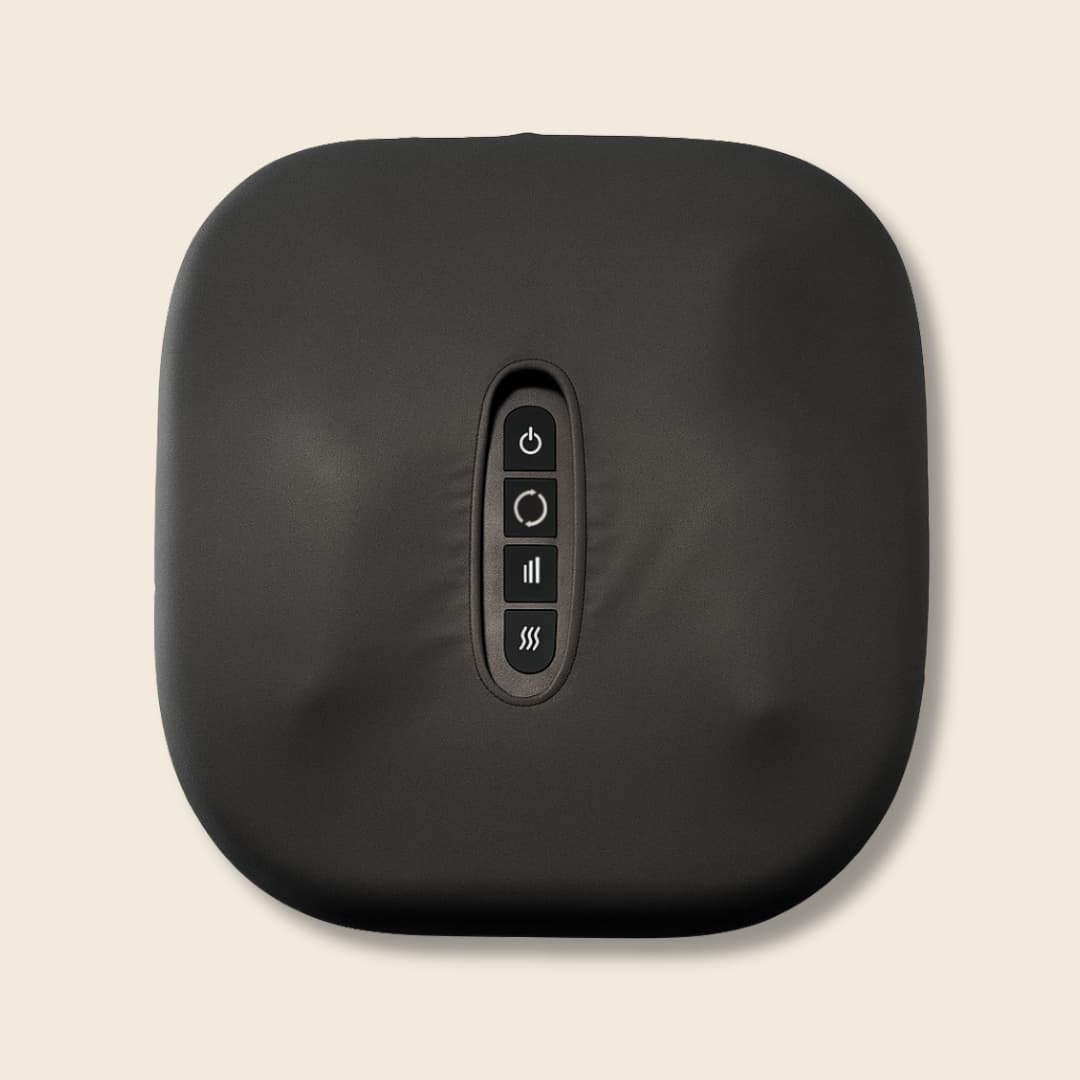
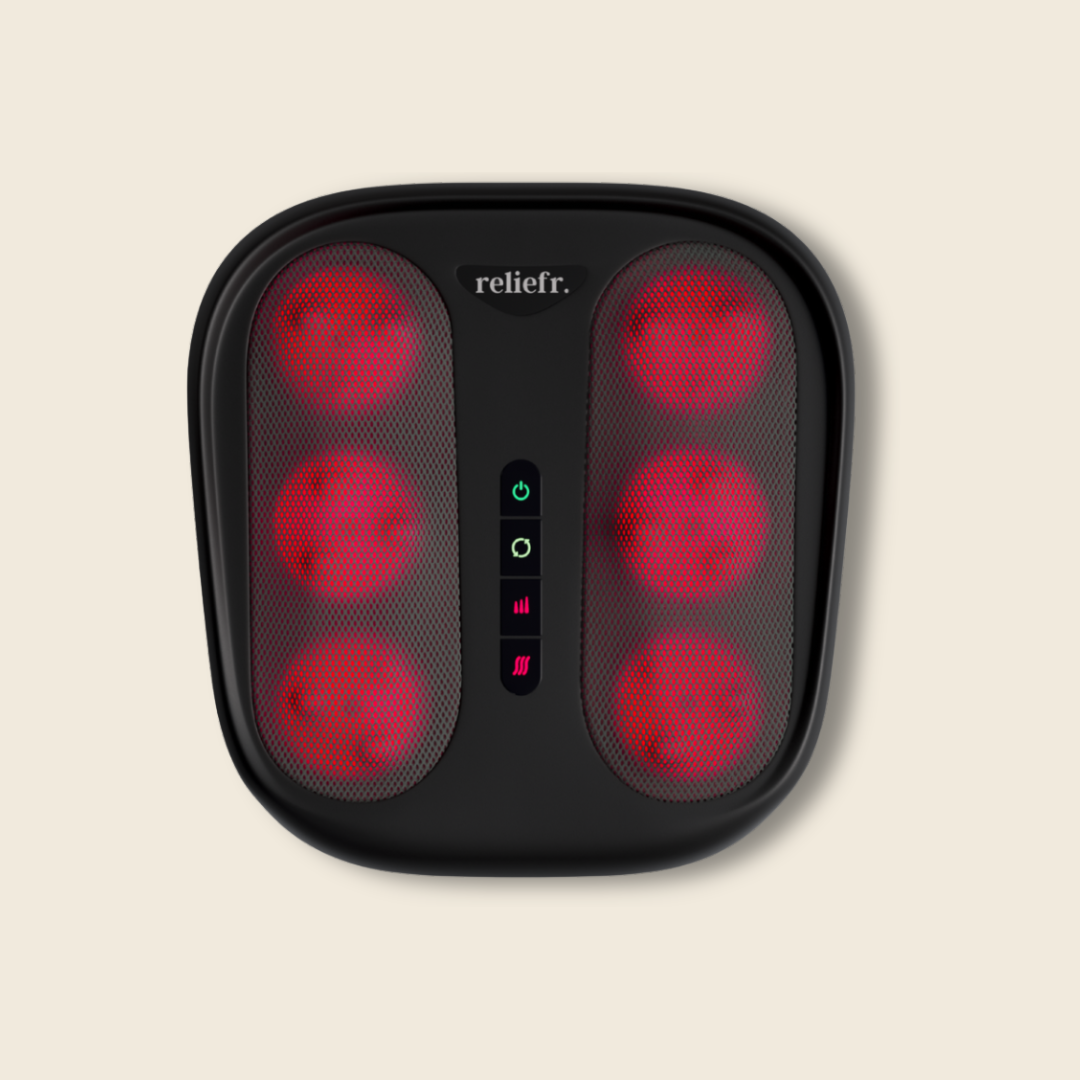
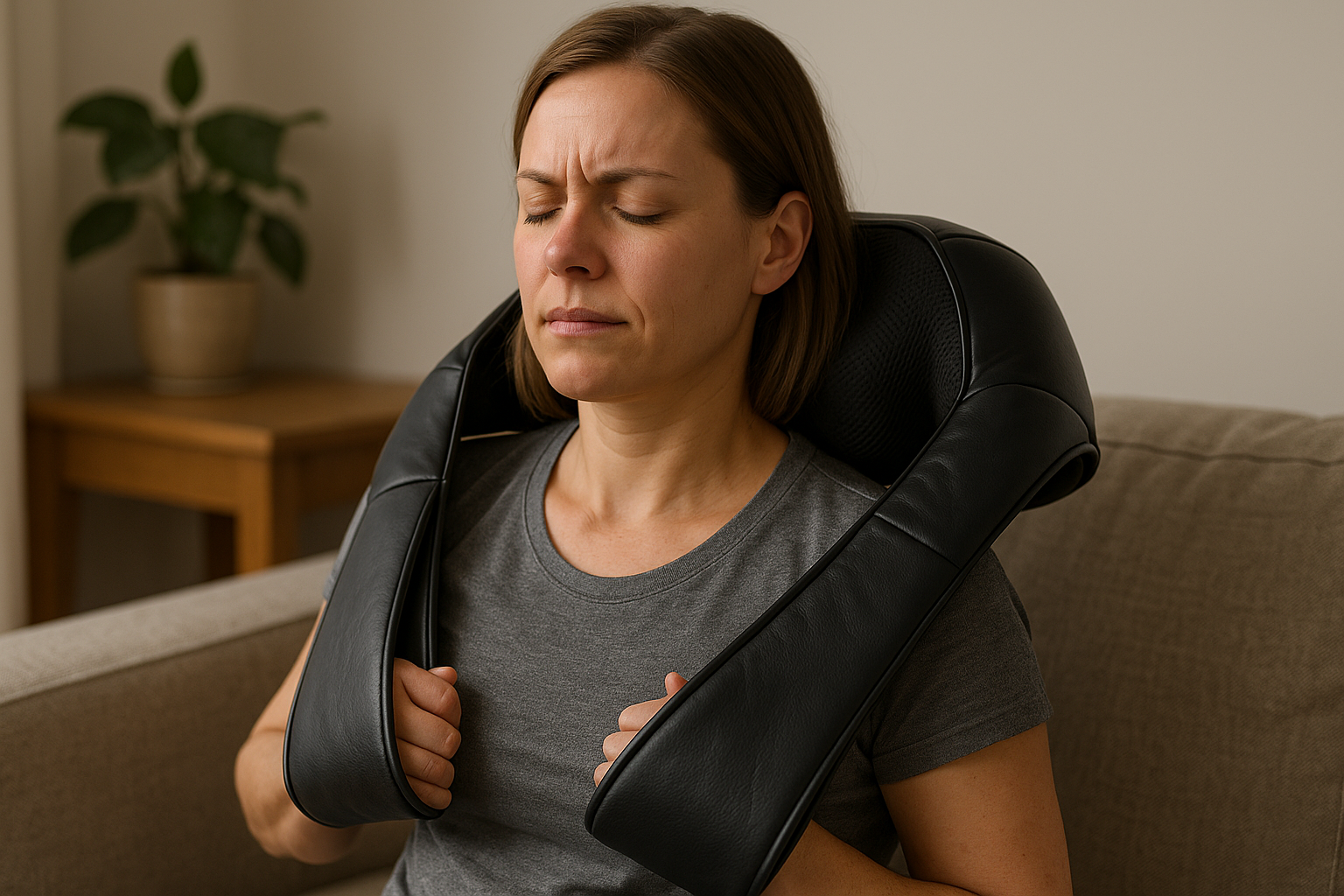
Some devices are specially designed for the neck and shoulder area, where the focus is on loosening the upper spine and neck. Massage-gun-like units target deeper muscle tension and often work on muscle knots in the back, shoulders, and thighs. Foot massage devices are developed to relieve tired feet and improve well-being after days of standing or long walks. There are also pillows and cushions designed to cover a larger area such as the lower back or the entire back and can provide broader relief in everyday life.
Everyday conditions that can make a difference
In everyday life, it is often the small habits and surroundings that affect how one experiences tension and relief from a massage machine. Placement of the device in the home, how visible and accessible it is, is often connected with how frequently it is used. Likewise, clothing choice during use and the sitting position one chooses can influence the experienced effect over time. Using a machine in a quiet room can improve the experience, while a busy environment can make use less appealing.
- Accessibility in the home and how often the device is within reach
- Variation in daily working positions and breaks, which affect the need
- Posture in general and how the sensation changes throughout the day
- Choice of clothing and material, which can affect comfort in direct contact
- How family sharing of a machine affects frequency and settings
Habits and patterns to notice
Some patterns become visible only after weeks and months. For example, preferences for intensity may change, or the time of day when a machine feels most relevant may shift. This can be experienced as changed needs in connection with work or sleep rhythm and can affect how regularly the unit is used. It is also common that certain situations, such as longer days of standing or increased screen work, can make use of the device more relevant.
Practical considerations in the home
When a machine becomes part of everyday life, size and storage options play a role in daily use. Noise level in usage situations can affect whether it is used in shared rooms or private rooms. Battery life and charging routines can matter for availability, while the material's surface affects both comfort and cleaning. At Reliefr, these factors are often mentioned in product texts as useful information when choosing.
Frequently asked questions
Can several people use the same massage machine?
It is common for a unit to be shared in households. Choosing easily removable and washable covers or materials that can withstand cleaning can make sharing more practical. Fit and settings may vary from person to person, so the experience may differ for multiple users.
Which information is useful to check in the product text?
The product text can provide information about settings, battery life, materials, and warranty period. These details can help assess whether the device suits one's daily needs and ways of living without functioning as a recommendation for specific situations.
How can noise level affect use in the home?
Noise from a machine can make it less suitable for use in shared rooms or at times when quiet is desired. For some, a low noise level can make it easier to use the device more frequently, while higher noise can limit use to more private times.
What do warranty and service mean for durability?
Warranty and availability of spare parts or service often appear as indicators of long lifespan. Information about warranty periods and the manufacturer's service channels can provide an insight into the expected maintenance possibilities over time.
.