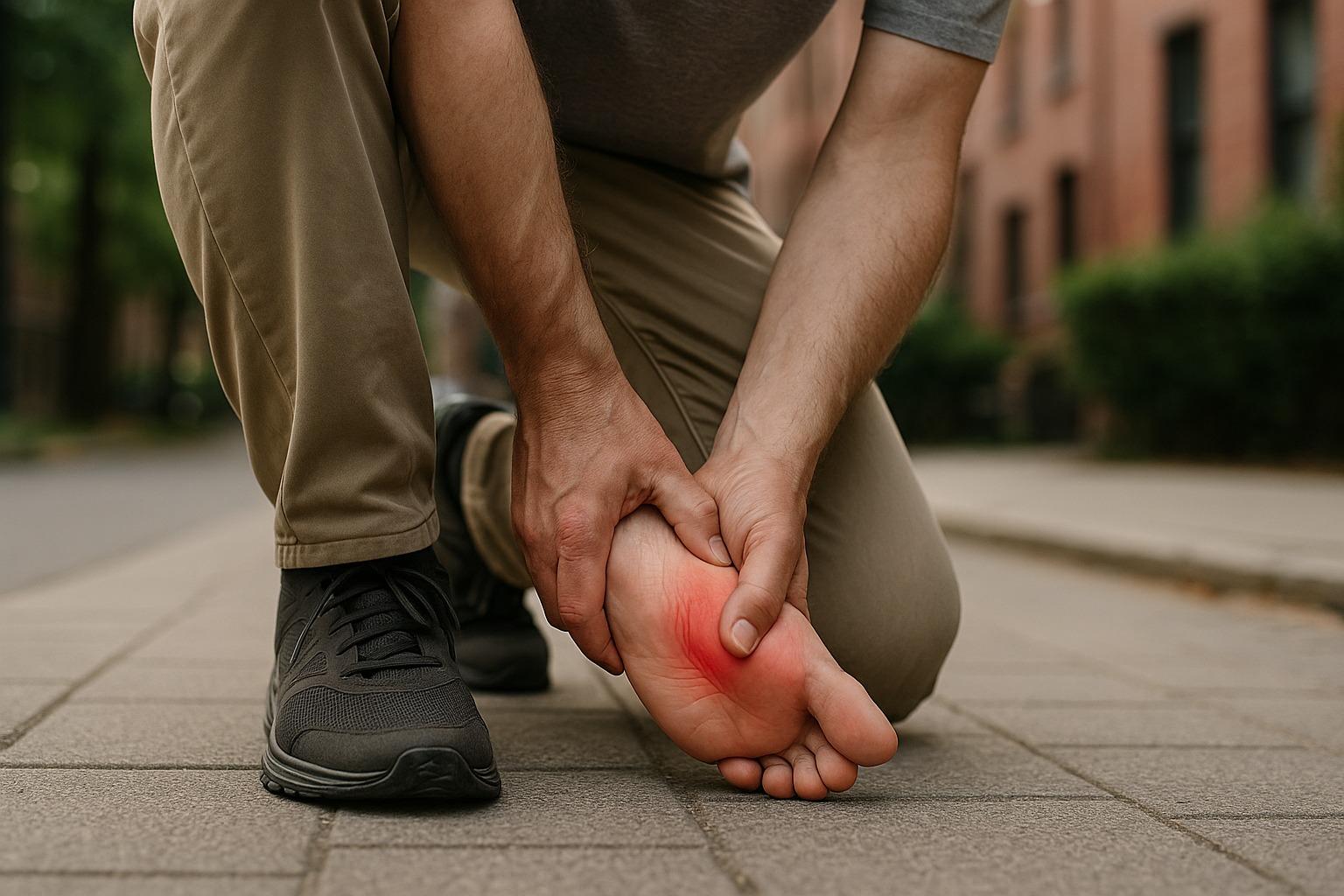
Many experience pain in their feet when they walk, and it can make everyday life both challenging and tiring. It is common to feel a persistent soreness or a stabbing sensation that disrupts an active lifestyle. The pain can arise suddenly or develop over time and is often felt most clearly during longer walks or after a whole day of activity. When the load on the feet increases, the unpleasant symptoms can raise questions about what underlies the pain and how it can be relieved in everyday life.
Pain in the feet when walking can be experienced as a culturally inherited challenge that affects both working life and leisure activities. Many seek information to gain a better understanding of how overuse, incorrect footwear, and other common causes can lead to discomfort. It is important to remember that the way the pain is experienced varies greatly from person to person. Some feel a jolting pain in the heel, while others feel a more diffuse soreness in the entire foot. This sensation can lead to an increased awareness of the feet’s role in the body’s overall well-being.
It is also not unusual for everyday activities such as walking from the metro station to work or a pleasant walk in the neighborhood to trigger the pain. Therefore, it is natural that many seek to understand what exactly causes pain in the feet when they walk, and whether there is a simple way to relieve the discomfort.
What is pain in the feet when I walk?
Pain in the feet when I walk includes several common causes, which are often connected with both activity level and choice of footwear. Many experience that repeated strain can lead to a condition where the feet show signs of overexertion, and the pain therefore makes itself felt during everyday walking. Here are some of the typical reasons:
- Overuse during prolonged walking or standing
- Inappropriate footwear that does not support the foot’s natural movement
- Inflammatory reactions, which among other things can be seen with heel spurs and plantar fasciitis
These conditions can all cause the foot’s muscles and tendons to react with discomfort, which affects overall walking comfort. The pain is often felt as an irritating residual sensation that prevents one from enjoying a little extra movement, and which thus leads many to seek an understanding of how everyday life can become easier with a change of habits or footwear.
How does foot pain show itself?
Pain in the feet when walking often shows itself in certain patterns. Some may experience a sharp pain at the first step after rest, others notice a feeling of fatigue or soreness that gradually increases during longer walks. The pain may be localized, for example around the heel or forefoot, or more diffuse and feel like tension in the entire foot. Muscle tension in the foot can be experienced as stiffness or increased sensitivity to pressure, while tendons and connective tissue can give a more shooting or burning sensation.
How common is it in everyday life?
Foot pain when walking is common among many age groups and life situations. Everyday activities such as commuting, work with a lot of standing, and longer walks mean that symptoms appear frequently for people who are active in daily life. During periods of increased strain, the pain may occur more regularly, while at other times it is more sporadic. Work demands and leisure habits are often connected with how often one feels discomfort.
Factors that can affect how strongly the pain is felt
Several conditions can affect how the pain is experienced when walking. Choice of footwear and lack of relief can make the pressure under the foot greater, while increased weight and longer duration of strain increase fatigue in muscles and joints. The hardness of the surface also matters; hard surfaces can create more strain than softer surfaces. Finally, accumulated muscle tension in the leg and foot can make walking less fluid, which can worsen the feeling of discomfort.
Variations in where the pain is felt?
Pain can occur in different places and therefore feel different. Some mainly feel it in the heel, others in the arch or under the forefoot. Changed gait patterns to avoid pain can lead to increased strain in other areas such as the legs, knees, back, neck, and shoulders. Therefore, foot pain can be experienced not only as local discomfort but also as changes in the entire movement pattern, which can feel like muscle tension or increased fatigue in adjacent areas.
What to pay attention to in everyday life
In daily life, it is often small, repeated circumstances that play a role in how the feet feel. Worn footwear gradually loses shock absorption and support, which can make the strain more noticeable during longer walks. The hardness of the surface and the length of standing periods also have an effect. Furthermore, the use of tight-fitting shoes or socks can lead to local pressure sensitivity, while loose-fitting shoes can change the gait pattern and create increased strain elsewhere.
Habits that can affect the feet over time
Repeated uniform strain, for example long days standing or frequent trips without variation in footwear, is often associated with changes in comfort. Changes in weight distribution when carrying bags or packed clothing can affect the way one walks. Likewise, daily habits such as the choice of sock material and how often shoes are changed can affect moisture and friction, which may be experienced as increased soreness over time.
Practical signals in daily activity
Some signals appear as a changed walking rhythm or increased caution on certain surfaces. Other signs can be experienced as varying sensitivity during the day, where the foot feels heavier after prolonged activity. The feeling of having to adjust the shoes along the way or a need for frequent short breaks is often connected with the strain changing over time.
Connection between massage, relief, and well-being
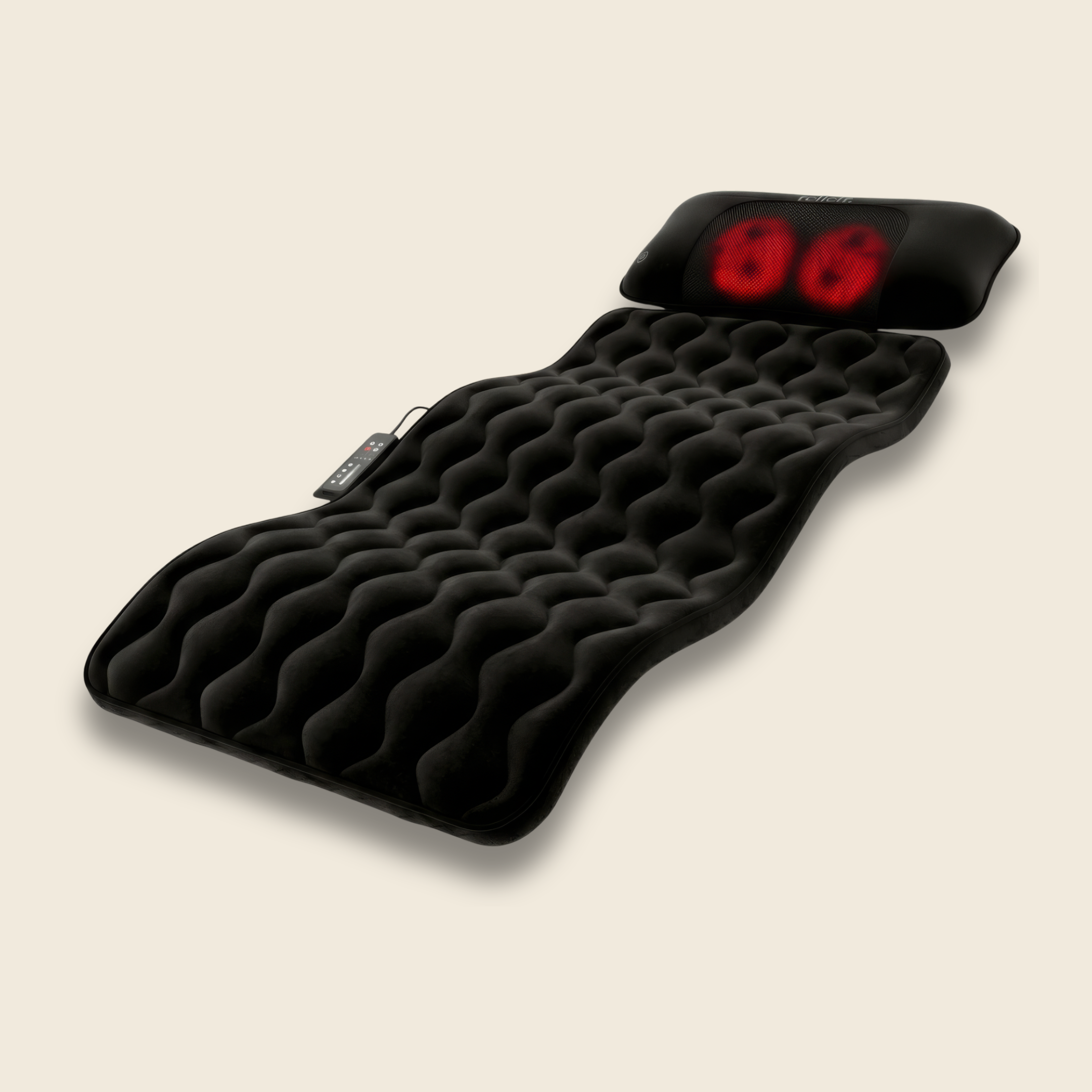
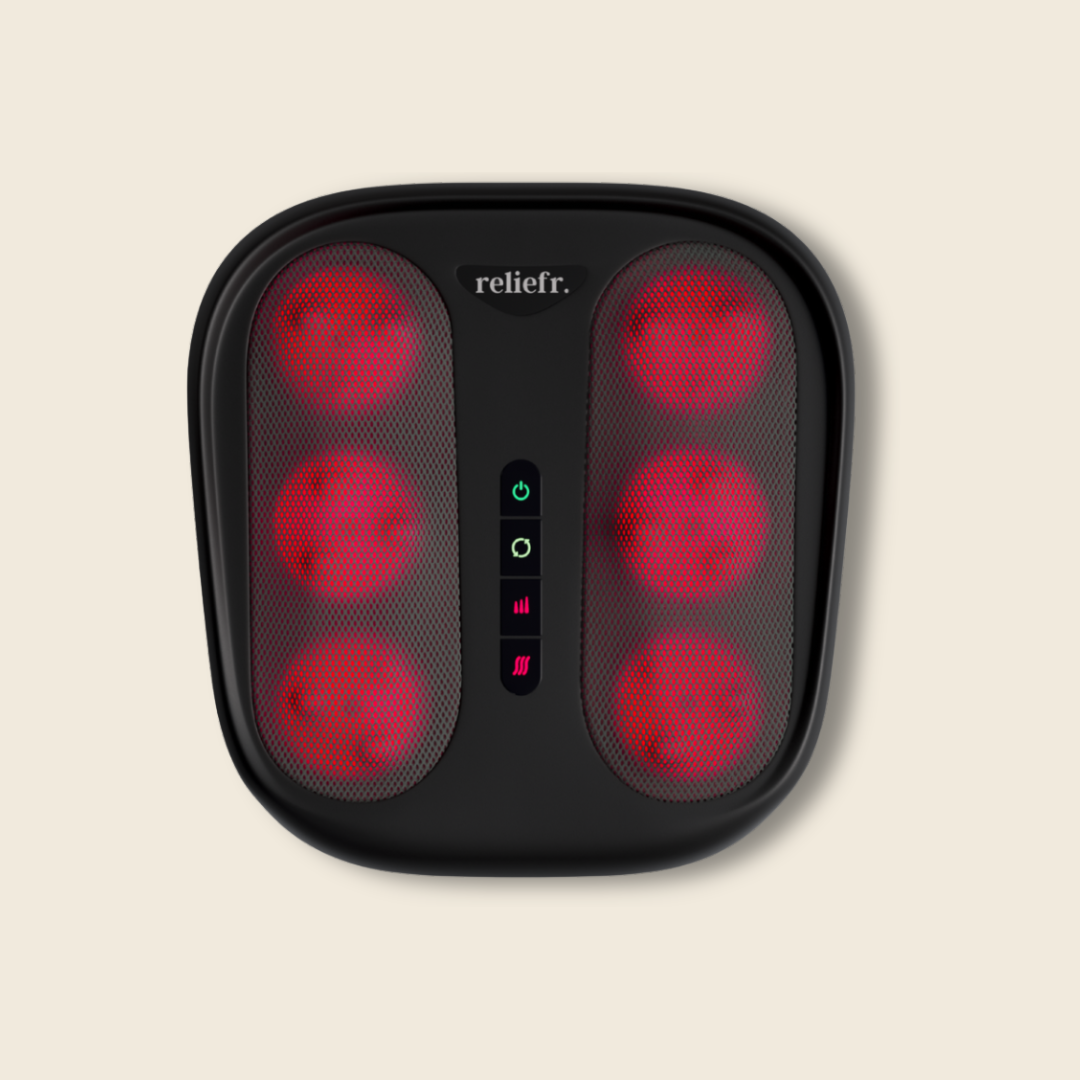
Massage and targeted relief are often mentioned in connection with pain relief and increased mobility. Many experience that gentle stimulation of muscles and soft tissue can provide a feeling of improved circulation and reduced tension, while materials and sole construction can affect the return of load with each step. With us, the focus is on well-being in everyday life and on creating conditions where the feet have better opportunities to function in daily life.
Frequently asked questions
How can I quickly get less discomfort in my feet?
People often describe a short-term change in discomfort after periods of rest, variation in strain, or after gentle self-massage. Reactions vary, and what works temporarily for one person may be experienced differently by another.
Which habits matter most for the condition of the feet over time?
Persistent uniform strain, repeated use of the same type of footwear, and lack of variation in surfaces are often associated with increased soreness. Daily weight distribution and the frequency of breaks can also affect how the discomfort develops.
When are changes in pain a sign of something that should be assessed more closely?
If pain changes character, becomes more persistent, or begins to affect daily routines to an increasing degree, it may be a sign that the situation requires further assessment. How this is handled depends on the individual and the specific development.