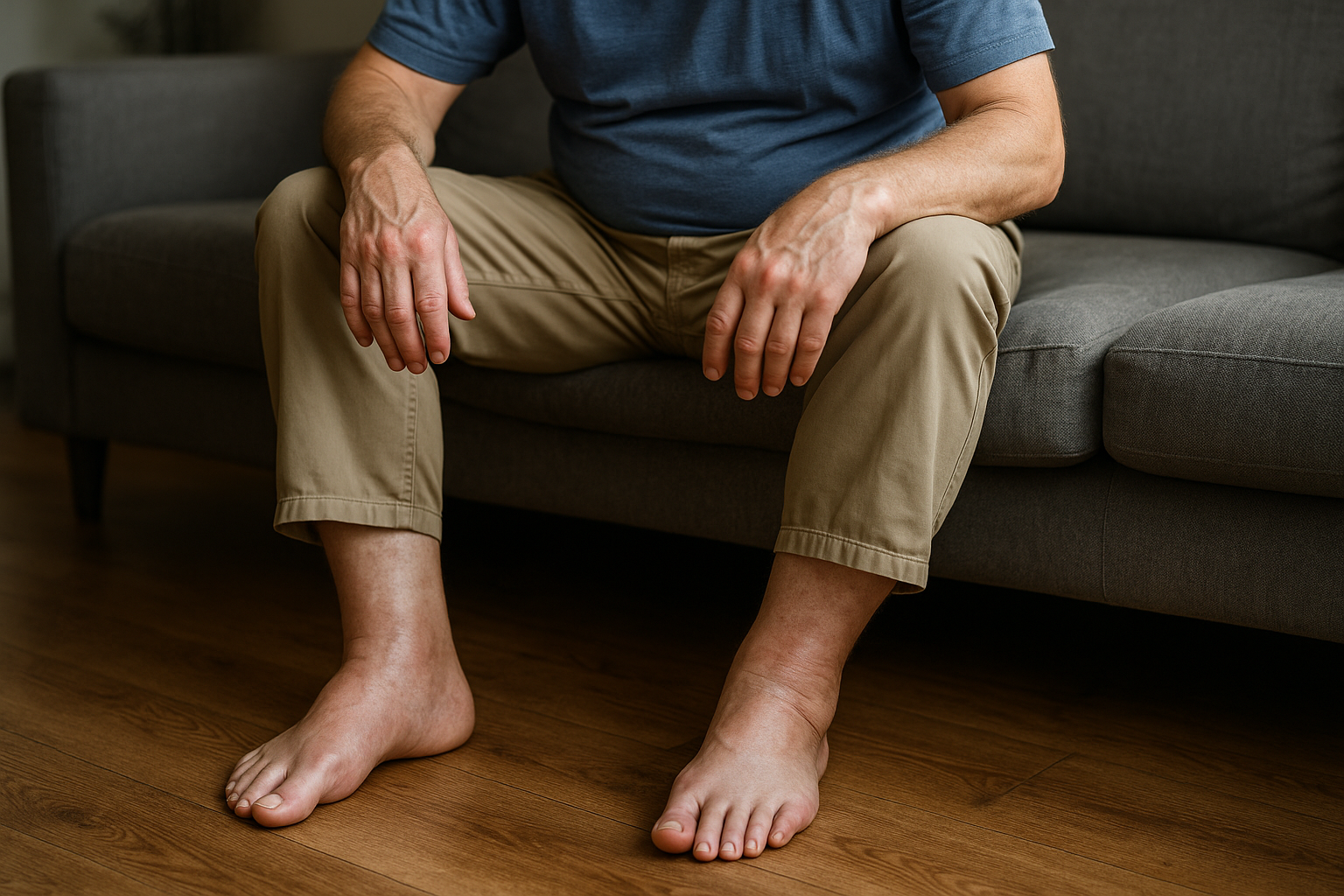
Many experience heavy and tired legs, especially after a long day of sedentary work or intense physical activity. It can be felt as a persistent fatigue that makes it difficult to keep energy levels up. The feeling that the legs are overburdened can create a challenging everyday life where one quickly becomes tired. This condition is often seen when blood circulation does not function optimally, and when fluid accumulates in the legs. Without sufficient movement, the legs may feel sluggish and lacking energy. For many, it is a natural reaction to the day's strains, where both physical and mental fatigue are connected to the way we use our body. The following conditions can help make the legs heavy and tired:
- Prolonged sitting or standing work
- Poor blood circulation, which is linked to limited movement
- Fluid retention, which gives the legs a feeling of overload
By gaining an overview of these elements, it becomes easier to see how habits in everyday life can affect general comfort and well-being. It is common to look for practical advice that can provide relief and improve the feeling of lightness in the legs.
What are heavy and tired legs?
Heavy and tired legs describe a sensation that the legs are unusually tired, heavy, and at times lacking energy. This sensation often arises when blood circulation in the legs is reduced and when fluid accumulates in the legs, for example during longer periods of inactivity. The experience is often noticeable at the end of the day, when the day's total strain can result in a feeling of overexerted muscles. It may be felt as a diffuse fatigue and a persistent feeling of discomfort that makes it difficult for the legs to feel light and fresh.
In everyday life, many connect this condition to a lifestyle with too much sedentary behavior and insufficient regular movement. Some also find that the condition of the legs may be affected by dietary habits that may not support optimal blood flow and muscle energy. By understanding what heavy and tired legs entail, one gets a solid basis for how to observe and subsequently manage the daily challenges with the legs. This insight is important for those who want to create an everyday life with less fatigue and increased well-being.
Causes that affect blood flow
Poor circulation in the legs is often associated with reduced muscle pump function and altered fluid balance in the tissues. When muscles are not moved regularly, venous return becomes less effective, which can cause fluid buildup in the lower legs and feet. Temperature and prolonged standing or sitting can increase the pressure in the blood vessels of the legs and thereby intensify the feeling of heaviness. Dietary factors that affect fluid balance and the tissue's ability to retain fluid may also be important in the overall picture.
How the symptoms appear
The symptoms typically appear as a heavy, tired sensation in the legs, often accompanied by muscle tension or cramps in the lower leg. Many find that the discomfort increases during the day and may be most noticeable in the feet, ankles, and lower legs. The feeling may also include general soreness or a kind of enclosed fatigue in the muscles, which can make it harder to feel refreshed after rest.
How frequently it is seen in everyday life
It is common to experience heavy and tired legs from time to time, especially in connection with long workdays or periods of limited movement. The frequency increases with age, higher body weight, and a lower activity level. People with stationary forms of work or a great deal of standing work often report more symptoms, which can affect daily comfort and well-being.
Everyday factors that can worsen the symptoms
Several daily habits can worsen the feeling of fatigue in the legs: longer periods without breaks, lack of variation between sitting and standing positions, warm surroundings, and the use of tight-fitting shoes. Dietary habits with imbalance in fluid and salt may also matter. These conditions can lead to increased muscle tension and reduced blood flow, which together can make the legs heavier.
Variations in how it is experienced
Some people experience symptoms sporadically after particular strain, while others have more persistent discomfort. It may present differently in different areas of the body: legs, feet, and thighs may feel heavy, while hips, back, and shoulders may feel tired due to compensatory posture. The intensity and type of discomfort vary and are often related to daily patterns and activity.
What to be aware of in everyday life
In addition to the frequently mentioned causes, there are several more subtle conditions that can affect the sensation of heavy and tired legs over time. These conditions appear as patterns in everyday life rather than individual events, and they are often connected to repeated effects on the legs' blood flow and muscle condition.
Clothing and footwear themselves may matter for how the legs feel during the day. Tight-fitting socks or shoes that alter pressure patterns may be experienced as increased fatigue in the feet and lower legs. Likewise, long journeys or daily commuting with limited movement may create a different type of strain than shorter, interrupted activities.
- Circadian rhythm and sleep can affect recovery and how the legs feel the next day
- The repeated movement patterns of work can create local experiences of fatigue
- Temperature in the surroundings can change the sensation of heaviness and discomfort
- Mental pressure and increased muscle tension are often associated with stiffer muscles
- Long periods of travel or transport can affect the comfort of the legs
It is common for such conditions to develop gradually and may change character with age or with changes in work routines. Attention to patterns rather than isolated events often provides a clearer picture of what matters most in everyday life.
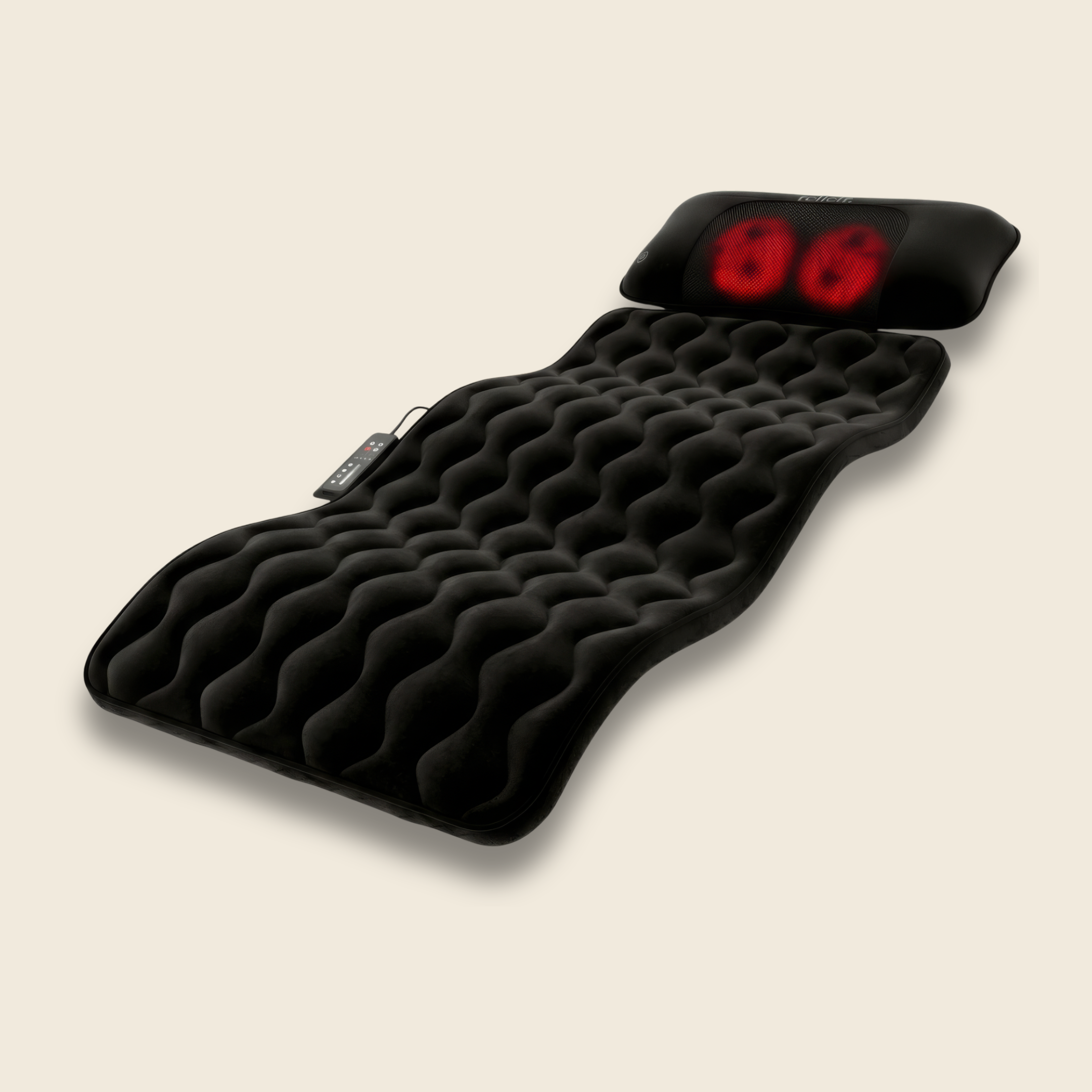
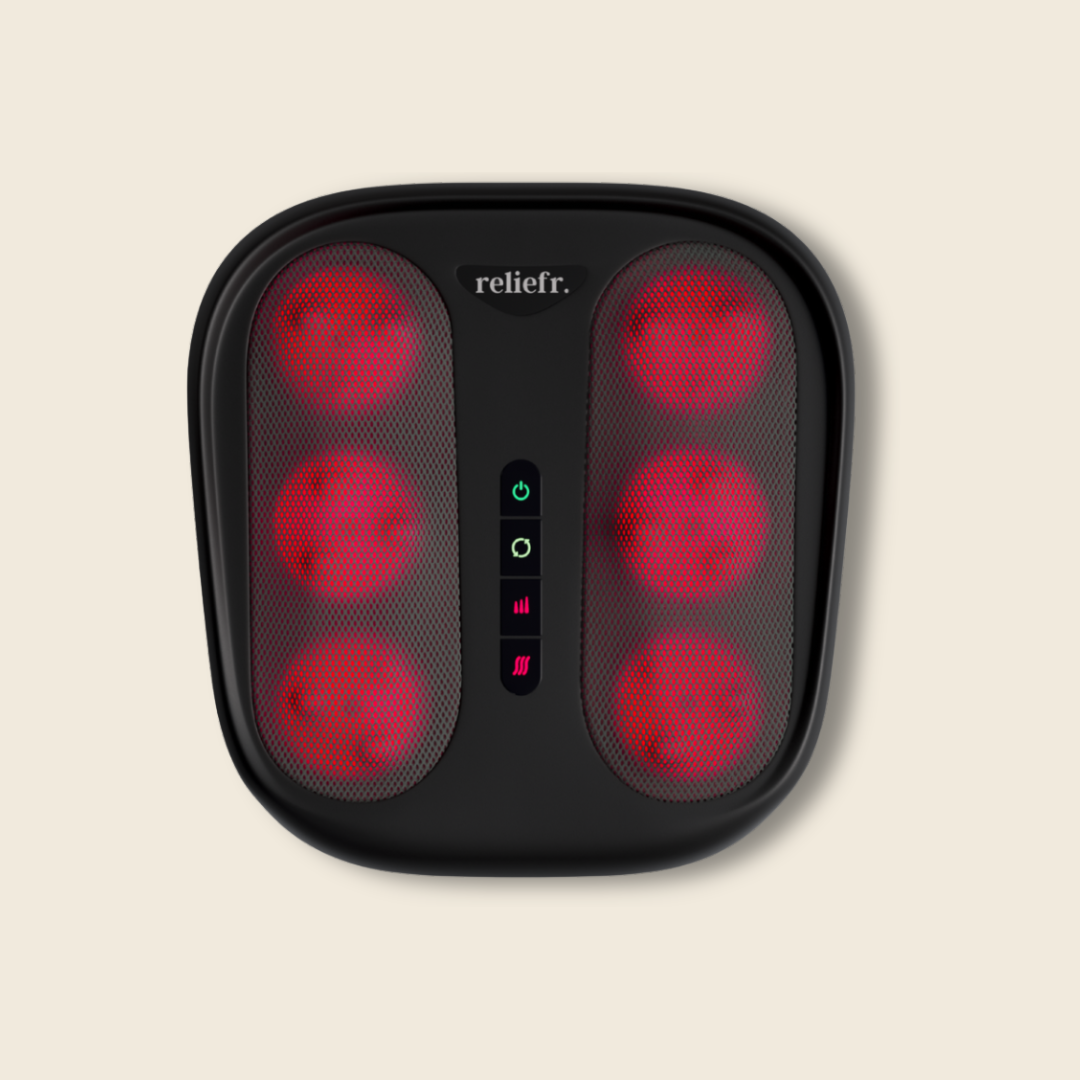
Some choose to look into massage or pressure products as a supplement to their own overview. At Reliefr there are entry points to massage products and accessories that people often seek information about: https://reliefr.dk/collections/massage
When considering everyday life as a whole, it becomes clear that several factors can interact. The duration of influences, frequency of repetition, and individual sensitivity are elements that can affect how and when symptoms are felt. Looking at these connections can provide a calm basis for asking the right questions about one's own daily habits.
Frequently asked questions
What can cause symptoms to vary from day to day?
Variation may be related to changes in activity patterns, sleep quality, temperature, and daily movement habits. Shorter or longer periods of uniform strain can change how the legs are experienced.
Is the use of massage devices commonly mentioned in connection with relief?
Massage and touch are often mentioned as a method that people describe as soothing for muscles and comfort. Experiences vary, and many seek information about products, function, and comfort.
When is slow development of symptoms most often seen?
Slow development often occurs with changes in daily routines, increased sedentary time over longer periods, or with gradual changes in strain and weight. These patterns may appear over weeks or months.
.