Many experience pain in the heel, which can make everyday life difficult. It is common to feel a stabbing sensation, especially in the morning or after periods of inactivity. The pain is often experienced as sharp and can become noticeably worse during physical activity or when standing for longer periods. For many, heel spurs are a familiar cause of precisely these pains, and they therefore seek information to gain a better understanding of the condition. By knowing the basic aspects of heel spurs, one can gain an overview of how the condition affects everyday life and why it is often mentioned in connection with various forms of foot pain. This introduction is intended to provide a factual framework before diving deeper into the more detailed aspects of what heel spurs are and how one can work to relieve the pain.
What are heel spurs?
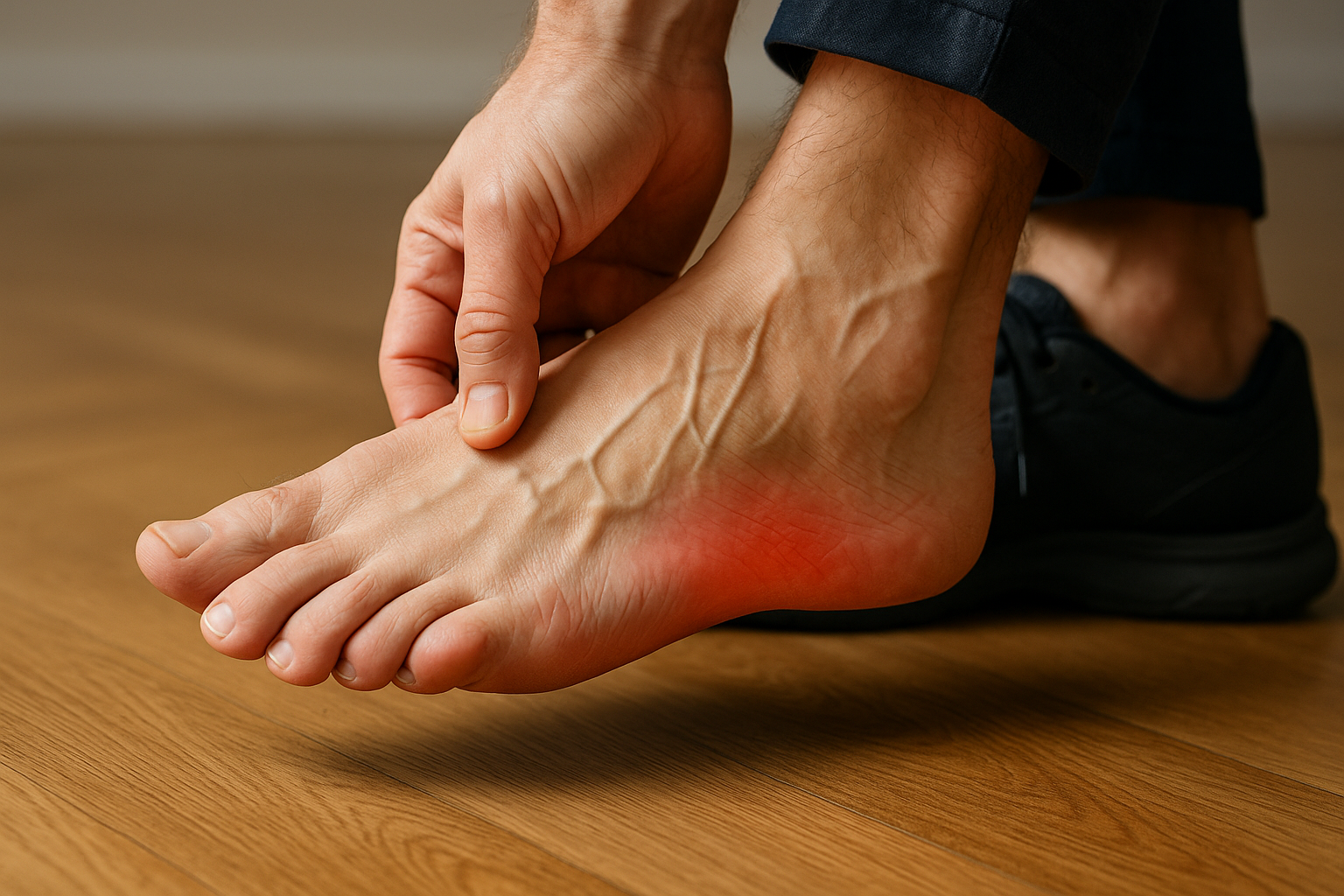
Heel spurs refer to a form of calcium deposit or growth that occurs on the heel bone. The condition typically arises as a result of repeated strain or overexertion of the foot. Many experience that the pain is especially pronounced in the morning, when the feet are cold, or after longer periods of rest, which makes the first steps of the day particularly challenging. It can be felt as a sharp, stabbing pain that sometimes subsides when the foot is in motion, but quickly returns with continued strain.
Heel spurs are often associated with overloading of the lower part of the foot, where the heel pad may be subjected to repeated pressure impacts. This condition is widespread among both people who play sports and those who have physically demanding daily work that places demands on the endurance of the feet. Many who experience heel pain seek information because the pain can affect both work life and leisure activities. It is therefore relevant to have a basic understanding of what heel spurs entail, as well as how they typically manifest in everyday life.
- The pain can feel stabbing and sharp
- Often experienced in the morning or after periods of inactivity
- Often related to repeated strain on the foot
With this factual framework for heel spurs, it is possible to see how the condition can manifest in different everyday situations. The purpose here is to create an overview of what heel spurs cover and why it is a topic that occupies many who experience pain in the heel.
How the pain typically appears
Pain from heel spurs often appears as a sharp, stabbing sensation under the heel, especially in connection with the first steps after rest. The pain can also be felt during longer walks or when standing in the same position for a longer time. In addition to the location in the heel, the discomfort is often connected with tension in the calf and feet, and some experience changes in walking pattern that can affect the knees, back, or hips.
What often affects how severe the pain is
Several everyday conditions can affect how intense the pain feels. Repeated strain on the foot, footwear without sufficient support, and extra body weight can all make the pain worse. Work or leisure activities with a lot of standing work or long walks are often connected with more frequent and more persistent episodes of pain. Changes in surface and temperature can also matter for how the pain is experienced.
Types of muscle tension related to heel spurs
Muscle tension with heel spurs typically appears locally in the foot’s connective tissue and around the calf muscles, but tension can also develop higher up in the leg and into pain points in the back. Some experience a feeling of tightness in the calf, others notice soreness in the arch or under the foot. This tension can be constant or come in intervals, and it often affects mobility and walking rhythm in everyday life.
Everyday relief and unloading
There are several approaches to creating relief and reducing strain in everyday life without going into detail about specific methods. Massage and local heat can be effective in reducing muscle tension and increasing blood circulation around the heel. Relief through the use of better support in shoes or adjustment of standing and walking habits can reduce pressure on the heel pad and thereby reduce pain in everyday life. The combination of reducing strain, reducing tension, and creating local warmth addresses both pain and discomfort.
What you can pay attention to in everyday life
In daily routines, it is often small, repeated conditions that can affect how heel pain develops over time. Small variations in standing and walking patterns, changes in the length of the workday, or the frequency of long walks can all play a role in how discomfort appears. Likewise, varying surfaces during the course of a week can create differences in how much strain the feet are exposed to.
Trends in habits and how they may appear
- Use of uniform footwear throughout the week can result in uniform strain and wear
- Prolonged standing activity on hard surfaces can be associated with increased discomfort
- Frequent switching between soft and hard surfaces can change the strain pattern
These trends appear as patterns in the occurrence of pain or stiffness and may be useful to note in order to gain a longer-term picture of the situation. It is less about individual episodes and more about what repeats over weeks or months.
Other conditions that can affect over time
Wear on the shoe’s outsole and changes in how shoes fit can slowly change the foot’s strain. Changes in daily rhythm, for example increased standing time during a work period or longer outings in leisure time, are often connected with variations in the experience of pain. Seasonal conditions such as temperature and humidity can also influence the tissue’s sensory perception and thereby how discomfort is experienced in different periods.
General considerations without specific advice
It can be useful to pay attention to patterns rather than individual cases, and to notice whether pain changes character over a longer period of time. Keeping a simple overview of activities, footwear, and times of discomfort can provide a more nuanced picture of what is often connected with changes in symptoms.
Frequently asked questions
How quickly can symptoms change?
Symptoms can change over days or months, depending on which daily conditions vary. In some periods, the discomfort may be more pronounced, while in other periods it is less prominent.
Can you have heel spurs without feeling pain?
Yes, it is possible to have a growth on the heel bone without constant pain. For many, it only becomes apparent when strain patterns change or when other strain factors become more prominent.
What can I note to get an overview of the development?
An ongoing record of which activities are performed, which shoes are used, and when the discomfort occurs can provide an overview of patterns without pointing to concrete solutions.
.