Many experience daily discomfort and tension in the feet, especially after long workdays or during intensive training. It is common to feel that the feet become tired and stiff, which can make even everyday tasks less comfortable. In a busy everyday life, where the temperature changes and the strain can vary from day to day, it is important to find a simple way to give the feet the necessary attention. A massage roller for feet appears precisely as an easy method for achieving increased well-being and relieving the daily strain on the feet.
What is a massage roller for feet?
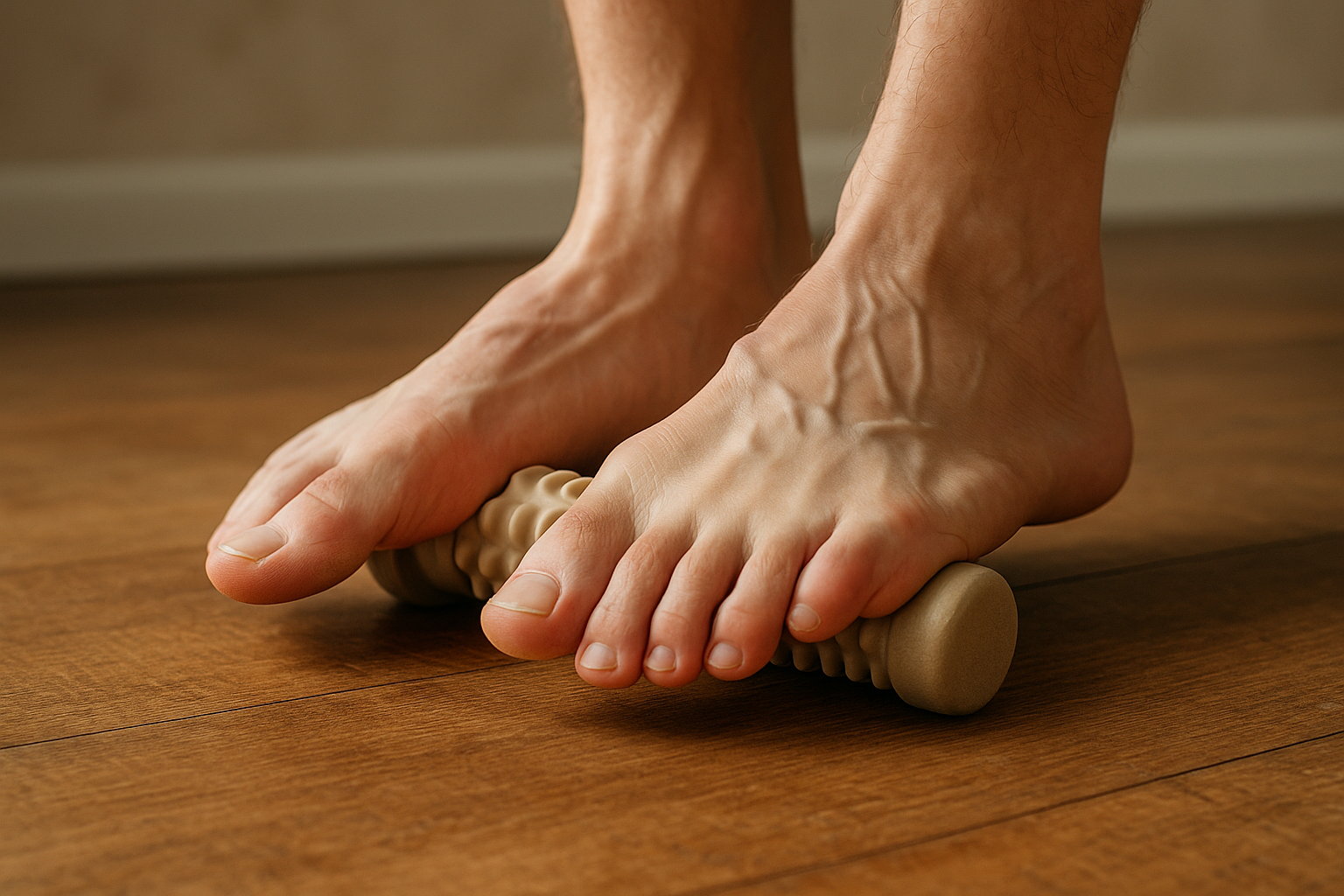
A massage roller for feet is a handheld tool used to massage and stimulate areas of the foot using rolling movements. The roller is often made of soft and flexible material, which provides pleasant contact over the surface of the feet. This tool is popular because it can help increase blood circulation and reduce muscle tension, which is often experienced as a pleasant relief after a long day.
- Increases blood circulation
- Reduces muscle tension
- Creates a feeling of relaxation
Using the massage roller is simple and only requires gently rolling it under the feet. The rolling effect is soothing and can help distribute the daily strain that many feel in their feet. During periods of prolonged standing or walking, but also after physical activity, the massage roller can serve as a quick and easily accessible way to reduce discomfort and promote a sense of well-being.
There are many variants of massage rollers for feet, each offering different degrees of stimulation. Some models have structures such as knobs or ridges that provide a more intense massage, while others focus on delivering a gentle, even rolling sensation. This diversity makes it possible to adapt the user experience to the individual person's preferences and needs. Common to most models, however, is that they work by stimulating the areas of the foot that are often most affected by strain, which can have a relieving effect in everyday life.
All in all, the massage roller for feet proves to be a simple tool that can help create balance and increase well-being, even when everyday life presents many challenges. By integrating a short moment of massage into everyday life, the feeling of fatigue and stiffness can decrease, supporting a more relaxed and comfortable existence.
How the massage roller affects the feet
The rolling contact of the massage roller can be experienced as direct stimulation of soft tissue in the sole of the foot, which often shows itself as less tension and a more relaxed feeling after use. The movements can improve local blood circulation, so the area feels warmer and less stiff, while soreness after prolonged standing or walking may become less prominent. Overall, the roller works by targeting the areas that are often felt the most after a day of strain.
Physiological reactions during use
When the foot is massaged with a roller, a feeling of increased flow and loosened muscle fibers may arise, which can cause immediate relief. Many also experience general relaxation in nearby areas such as the back, neck, and shoulders, as reduction of foot tension is often associated with a feeling of greater bodily calm. The feeling is often described as both local relief and broader well-being.
Common symptoms that are often relieved
The following discomforts in the feet are typical areas where a massage roller can have a relieving effect: soreness in the sole of the foot, a feeling of tension in the heel area, tired feet after work or exercise, as well as stiffness when getting started in the morning. These symptoms appear in everyday life for many, especially those who stand or walk a lot, or who are exposed to repeated strain.
How widespread is use in everyday life
Massage rollers often find their way into daily routines as an easily accessible tool to relieve tired feet. Use occurs both after physical activity and as a break during the workday, and many integrate the use in the evening to promote relaxation. The use is seen broadly among people with varying activity levels and ages.
What can affect the effect?
The effect can be influenced by the material and surface structure of the roller, the duration of use, and the force applied during rolling movements. The structure of the foot, previous strain patterns, and training level can also affect how the massage is experienced. Temperature and time of day can also change whether the relief is experienced as long-lasting or temporary.
Variations in design and what stimulation they provide
There are rollers with a smooth surface, knobs, ridges, or embedded balls, and each type provides a different degree of pressure and stimulation. Softer materials provide a more subdued, even contact, while harder textures deliver a sharper stimulation that can be felt deeper in the tissue. Choice of design affects how tension in the feet, legs, and surrounding areas is experienced.
What one can pay attention to in everyday life
In everyday life, several conditions can often be connected with how the feet react over time. Choice of footwear, the duration of standing work, and the surfaces one moves on can affect whether discomfort appears as soreness or fatigue. Likewise, repeated movement patterns and one-sided strain can make certain areas in the foot more sensitive. These conditions can be experienced as gradual changes in comfort and mobility and can make the need for attention to the feet vary from day to day.
- The fit of the shoe and the support of the sole can be connected with where the strain is distributed
- The hardness of the surface can affect how impacts and pressure are felt during the day
- Daily standing time or many steps can appear as increased fatigue toward the evening
- Season and temperature can change the condition and sensitivity of the skin
Habits that affect the well-being of the foot
Long-term habits can affect the condition of the foot over months and years. For example, many repetitions in the same movement or persistent standing work can lead to some areas becoming more strained than others. Weight distribution when walking and standing, as well as the frequency of breaks in everyday life, can also play a role. These conditions can be experienced as changes in where the feet feel strongest or most tired, and they can make attention to prevention and care more relevant.
Practical considerations when using a massage roller
When the massage roller becomes part of everyday life, the durability of the material and the surface structure may be things one notices over time. Hygiene and cleaning options may prove to be important aspects for ongoing use. Storage and the effects of moisture or heat can also matter for how the roller feels after prolonged use. At Reliefr, these practical conditions are referred to neutrally as elements that users often take into consideration when choosing tools for daily well-being.
Below are answers to common questions that often arise in connection with massage rollers for feet.
Frequently asked questions
How do you choose the right massage roller for feet?
Considerations about material, surface structure, and size often come into play. Some prefer softer contact, while others place emphasis on more pronounced stimulation. Personal preferences and daily habits can be decisive for the choice.
How often should one use a massage roller on the feet?
Usage patterns vary greatly from person to person. Some find that regular short-term use in everyday life feels comfortable, while others only bring it out during periods of increased strain.
How do you best take care of a massage roller?
Durability depends on the material and storage conditions. Cleaning and avoiding prolonged exposure to moisture or strong heat can affect the lifespan and the experienced comfort.
.