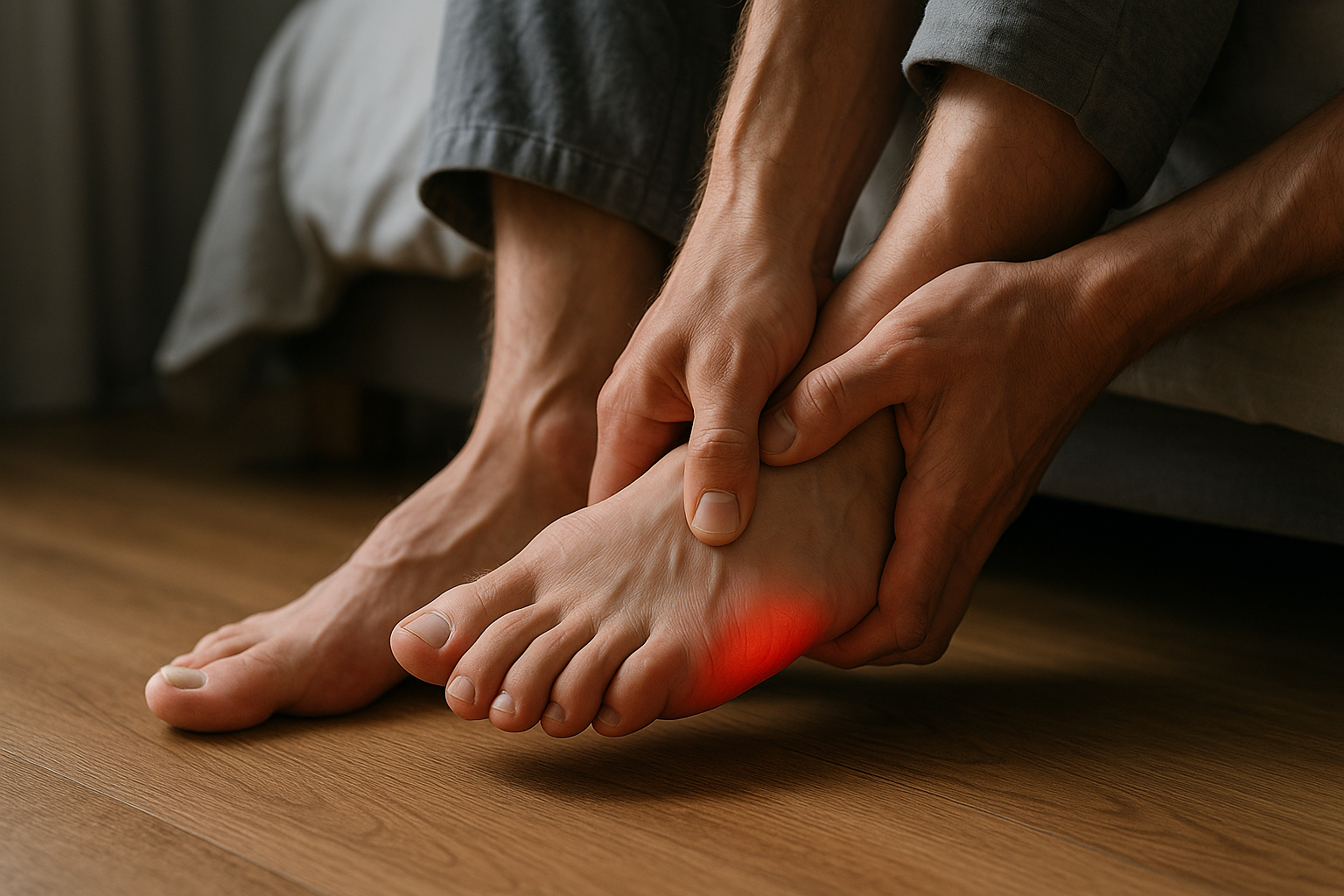
Many experience pain and discomfort in the feet, especially when the arch tendons are affected by overuse in everyday life. It is not uncommon for the first movement in the morning to be revealed by a stabbing sensation under the heel, which can seem inhibiting for a comfortable start to the day. The experience is often described as a sharp pain that gradually subsides as the foot warms up during movement. This form of discomfort can be felt whether one is mobile and active or has happened to have a period with many hours in a standing position, and it is one of the reasons why further knowledge is sought on the subject.
Arch tendon problems typically occur as a reaction to the constant strain the foot is exposed to, and the irritating pain often leads to increased attention to how everyday activities affect the body's balance and movement. The experience can vary from slight soreness to more pronounced pain that makes it difficult to put the first foot out in the morning. It is a condition that many encounter at one point or another, and which therefore arouses curiosity about what arch tendons actually are and how the pain can be relieved for a more comfortable everyday life.
What are arch tendons?
Arch tendons refer to the band of tissue that runs from the heel to the toes and functions as a natural shock absorber for the foot. This band of tissue, also known as plantar fascia, helps distribute the body's weight and absorb shock during walking and running. Overuse of the arch tendons can result in increased sensitivity, causing even a light load to lead to stabbing pain, especially in the morning when the foot is cold. This feeling of discomfort is often felt clearly with the first steps, and although the pain may subside as the foot becomes warmed up, the sensitive sensation can continue to affect one's daily routines.
With an increased understanding of what arch tendons cover, it becomes easier to recognize how the load on the foot can show itself in the form of sore and stabbing pain. This knowledge creates reassurance and provides a clearer framework for how one can listen to the body's signals and be aware of when an overuse is about to show itself.
How do arch tendon problems show themselves?
Pain in the arch tendons often shows itself as a sharp or stabbing sensation under the heel, especially in the first steps after rest. The pain can be described as intense during weight-bearing and subside as the foot warms up, but can return during longer walks or after prolonged standing work. In addition to local pain, the area may feel sore to pressure and cause an altered walking rhythm, where one compensates by supporting on the outside of the foot or taking shorter steps.
How common is this type of pain in everyday life?
Pain from the arch tendons is a frequent cause of foot pain in many age groups. It is often experienced by people with active everyday lives, those who have long periods of standing, and by those who suddenly increase their activity. In everyday life, this means that mornings and periods of repeated strain can be particularly problematic, and that activities such as walking, stair climbing, and longer standing tasks can intensify the discomfort.
What can affect how severe the symptoms become?
The extent of pain is often linked to the amount and type of strain on the foot. Prolonged standing, frequent walking on hard surfaces, or rapid increases in activity can cause increased sensitivity. Choosing footwear with poor support or worn soles can also increase the strain. In addition, tension in the calf muscles and ankles can affect the load pattern in the feet, just as general posture and strain in the back, hips, and knees can change the way one walks.
How do muscle tension and relief show themselves in everyday life?
Muscle tension around the foot and calf can be felt as tightness or a pressing sensation, making movement feel less smooth. Relief in everyday life shows itself as changed habits: shorter walks, frequent sitting breaks, or preferring to sit rather than stand for longer periods. These adaptations can provide temporary relief, but can also lead to imbalance in gait, which can affect other areas such as the back, neck, or shoulders.
Everyday possibilities for relief and less strain
Massage and warmth around the arch tendons can lead to short-term pain relief by loosening tension in the tissue and increasing blood flow. Stretching of the calf and the underside of the foot can reduce tightness and thereby reduce discomfort during strain. Choosing footwear with good support and periods of reduced standing time can reduce the strain in everyday life and make it easier to maintain function in daily tasks.
Signs in everyday life that may require attention
In everyday life, small changes in how one moves or distributes weight can over time show themselves as increased sensitivity in the arch tendons. It may be temporary soreness after longer periods of standing or a gradual change in how one places pressure on the foot while walking. Some experience that certain surfaces or prolonged work on hard floors are often linked to a persistent feeling of discomfort, while others notice that shoes that are very worn give an altered movement pattern.
Habits and repeated strain that can affect over time
Daily routines tend to shape load patterns. One-sided habits such as preferring one side when carrying bags or repeated short movements at work can change the way weight is distributed on the foot. Over months, such patterns can show themselves as increased soreness or fatigue in the arch tendons, without it necessarily being a single event that triggers the problem.
Other conditions one can be aware of
- Changes in gait as a result of pain elsewhere in the body can show themselves as changes in the load on the arch tendons
- Wear on the shoe sole or uneven heel wear can be an early sign of changed weight distribution
- Short-term periods of increased activity after relative inactivity can over time affect sensitivity in the foot
- Tension in the muscles of the lower leg can often be linked to a feeling of tightness around the underside of the foot
Long-term considerations without concrete advice
Over months, repeated load patterns can lead to changes in how the body's joints and muscles work together. It is useful to be aware of persistent changes in pain, gait, or fatigue in the foot, because such signals often show themselves gradually. Noticing patterns in everyday life can provide a better basis for assessing what is relevant to investigate more closely.
Frequently asked questions
What is the difference between arch tendon problems and heel spur?
Arch tendon problems relate to irritation in the soft tissue band under the foot, while heel spur describes a bony growth at the heel bone. The symptoms may resemble each other, but the underlying causes can be different.
How can massage affect the arch tendons?
Massage can be experienced as relieving by loosening tension and increasing local blood circulation, which for many provides a temporary reduction in soreness and stiffness.
When do the pains often change character over time?
The pain can develop from pronounced stiffness with the first step to a more persistent soreness during longer strain. Changes in intensity, frequency, or location of the pain can show themselves gradually.
.