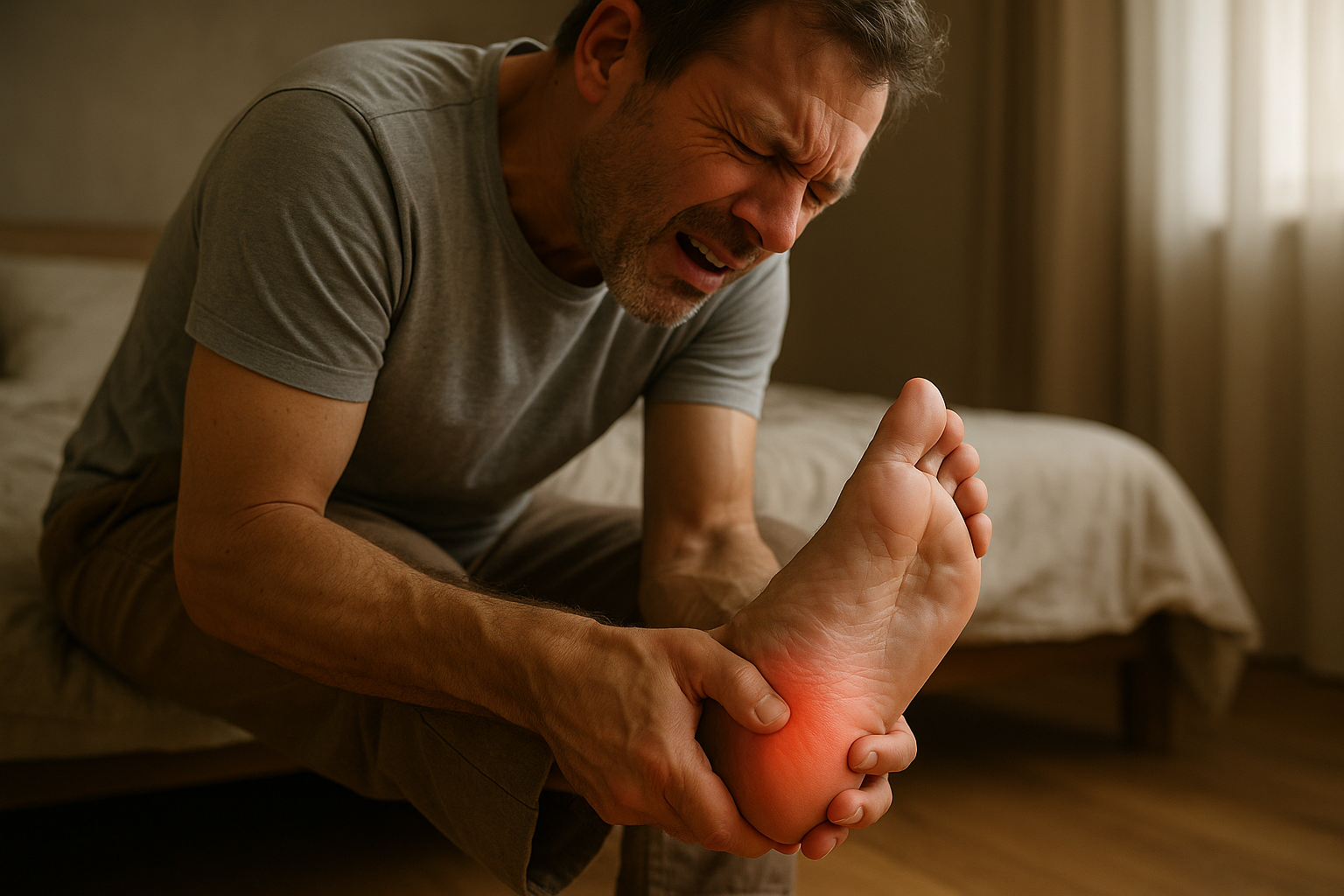
Many experience periods of pain in the heel, which can create both confusion and unease in everyday life. It is common to feel a sharp, stabbing pain, especially in the morning or after a longer break, when the foot has had time to rest. The question of how heel spurs feel often comes up among those experiencing this pain, and it can give rise to a range of reflections on how the discomfort affects daily activities. The experience can range from a mildly irritating soreness to a more persistent and intense sensation that makes it challenging to get through a normal day without interruptions. This condition is well known for its ability to leave traces of discomfort, especially when you start moving the foot again after inactivity.
The pain often described in connection with heel spurs appears when the pressure on the heel changes – for example in the transition from rest to movement. Many find that the pain decreases as the foot warms up during the day, but that it returns with prolonged strain such as walking or standing. It is this cycle of pain and a short period of relief that leads many to seek knowledge about how heel spurs feel and what signals from the body to pay attention to. Concern about knowing the cause of the pain and understanding how it affects everyday life is a natural reaction, and it is therefore important to have a correct and calm approach to the subject.
What are heel spurs?
Heel spurs refer to a condition in which painful sensations in the heel are experienced as a result of altered load patterns in the foot. The condition often manifests as localized pain, which can be felt as a stabbing or pressing sensation on the underside of the heel. The pain can vary in intensity and is often felt most strongly in the morning, when it first becomes active after a period of inactivity.
Some of the typical descriptions of how heel spurs feel include:
- Sharp pain in the lower part of the heel, especially after rest
- A persistent soreness under the feet that can be marked with strain
- A pressing sensation that makes even short walks challenging
The experience of heel spurs is often affected by daily activities that cause variations in the foot's load, and it is therefore not uncommon for the pain to vary in step with daily activity. Many who have felt the characteristic symptoms seek information to gain a better understanding of what is going on in the foot and how the sensation of heel spurs can be identified and described. This curiosity and desire for insight form the basis for further exploration of the topic, so that individual experiences can be placed in a broader context and gain the necessary understanding that can help create calm and clarity in an everyday life with pain.
Typical symptoms of heel spurs
The pain often appears as a sharp or stabbing sensation under the heel, but can also be experienced as persistent soreness. Some describe it as a pinpoint discomfort at the transition between the heel pad and arch, others as a more diffuse pressure on the underside of the heel. Many notice a difference in intensity depending on activity and rest.
- Sharp pain with the first steps after rest
- Soreness during prolonged strain
- Pain experienced during walking, running, or climbing stairs
When is the pain most noticeable?
The pain can be most noticeable after a period of rest, for example in the morning or after sitting breaks, when the foot has just been loaded again. During the day, the pain may decrease as the foot warms up, but it can return with repeated or prolonged strain such as long walks or many hours of standing at work.
How can it affect your gait and other areas of the body?
When the heel hurts, the way you walk often changes to avoid discomfort. This is often associated with extra pressure on the legs, knees, and back, because the load is shifted elsewhere. Such changes can be felt as increased fatigue in the legs or tension in the lower back after long walks or standing work.
How widespread are heel spurs in everyday life?
The condition is common among adults and is seen both in people with high activity levels and in those who spend many hours standing during the day. It is often associated with certain lifestyle factors and types of strain and appears in different age groups, especially among middle-aged people and active exercisers.
Factors that can affect the symptoms
Several factors can affect how strongly the pain is felt. Being overweight and wearing shoes without sufficient support can make the pain worse, as can repeated strain from running or prolonged standing work. The structure of the foot and the way you move can also affect how the symptoms appear.
Variations in the sensation
There is great variation from person to person. Some have only sporadic soreness, while others experience stronger, more persistent discomfort. In some cases, the symptoms may vary from day to day depending on activity, footwear, and rest. If the condition persists over a longer period of time, it can lead to lasting discomfort and changes in movement patterns.
What to pay attention to in everyday life
When heel pain appears, it can be helpful to notice patterns in everyday life without interpreting them as a call for specific measures. The experience of pain can vary from day to day and often appear as changes in when the discomfort is most noticeable. Some find that the feeling shifts in step with daily routines, while others notice that the intensity changes over longer periods.
Habits around strain and breaks are often linked to how the pain is experienced over time. Paying attention to which surfaces are often used, as well as how the wear on the shoe is distributed, can give an impression of the patterns affecting the foot. Also note whether the experience of pain occurs in connection with carrying bags or other extra weight in everyday life, as such factors may play a role in how the sensation develops.
Pain relief through massage and gentle stimulation often appears as a change in the perception of discomfort. Massage can feel different from person to person; for some it is experienced as immediate relief or warmth, for others as increased soreness before a change in comfort level. Relief in daily situations may be something you notice in the form of short-term changes in how the foot is loaded, without it necessarily changing the underlying pattern.
- Patterns in pain over days and weeks
- Differences in sensation depending on the surface
- Wear patterns in shoes and what they may indicate
- How touch and massage can affect the experience
- The relationship between fatigue and increased sensitivity
Paying attention to these factors can provide a more nuanced picture of how heel pain affects everyday life. Once you have gathered an impression of patterns and variations, it may become clearer which questions are relevant to ask next. Below are frequently asked questions that many seek answers to at this stage.
Frequently asked questions
How does the difference between a pressing pain and a sharp pain feel?
A pressing pain can be experienced as persistent soreness or heaviness under the heel, while a sharp pain appears as a brief, stabbing discomfort during certain movements. Both can vary in intensity and duration.
Can touching the heel feel different from pain during strain?
Yes. Touch can produce local sensitivity or soreness that does not always directly match the pain felt when walking or standing. The difference in sensation can provide information about how the area reacts to direct pressure versus weight-bearing strain.
How long can the sensation change from day to day?
The sensation can vary both from day to day and over longer periods. Some notice rapid fluctuations within single days, while others see slower changes over weeks or months. The variation often depends on daily patterns and personal habits.
.