Many experience tension and discomfort in their feet after a long day of work, study, or physical activity. It is common for the feet to feel tired and sore, and for the daily strain to lead to a state of discomfort that goes beyond the foot itself. Foot massage is perceived by many as a natural method for obtaining relief and an increased sense of well-being, because it provides an opportunity to release built-up tension. By applying pressure and gentle movements along the surface of the feet, the technique will stimulate certain points that can affect the relaxation and balance of the entire body. This can be especially helpful when everyday life offers many strains and a constant pace that does not always leave room to breathe deeply and find calm.
Today, interest in foot massage has increased significantly. Many seek knowledge about how this technique can be used as a supplement to other stress-relieving measures in everyday life. It is common that during periods of increased stress or after prolonged strain, people seek a method that can help create a calming break from the demands of everyday life. This method is perceived as simple, easy to perform, and closely related to natural self-care. Foot massage therefore becomes a natural part of the wellness practice, where with gentle movements one attempts to relieve both physical and mental fatigue.
What is foot massage?
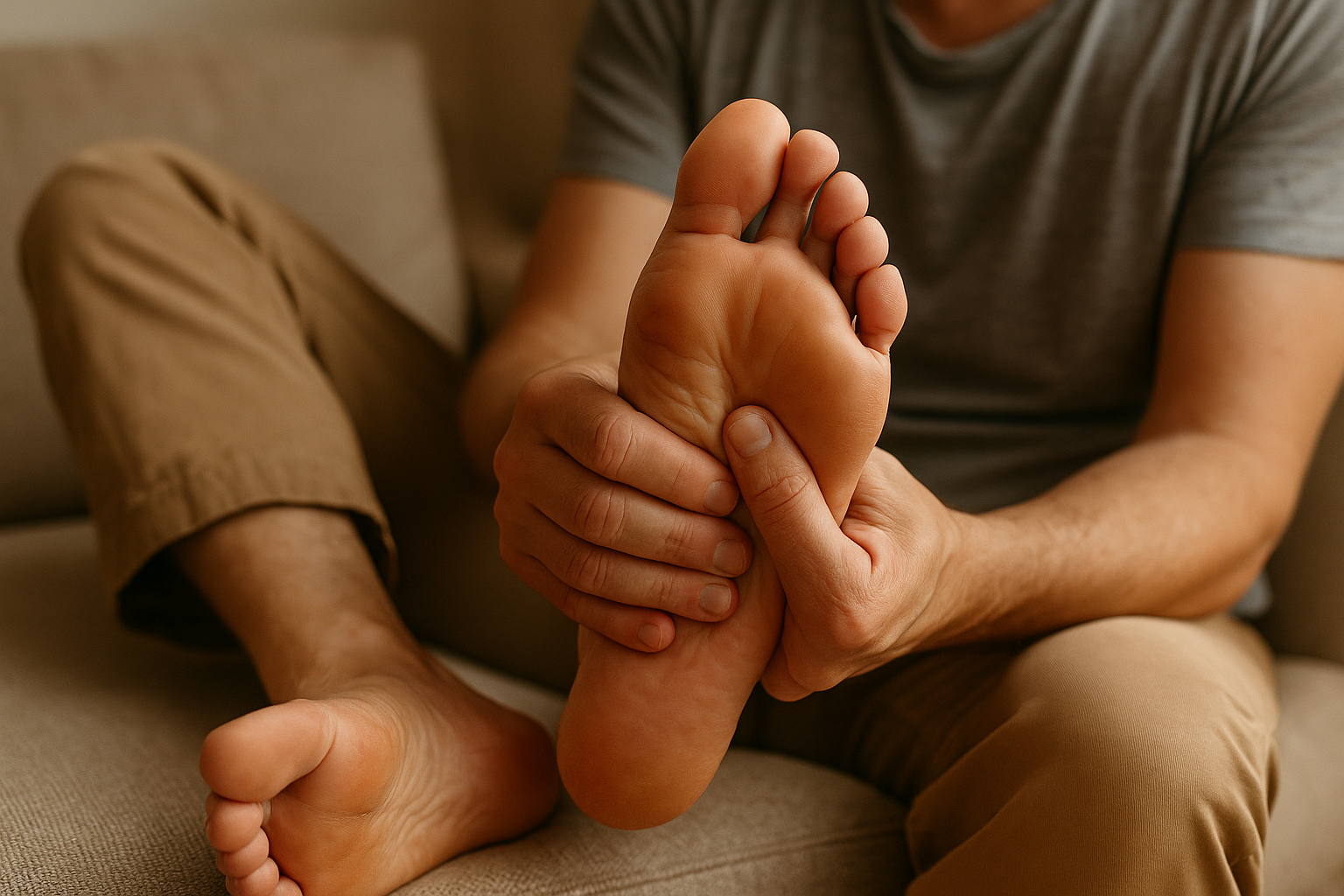
Foot massage is a technique in which pressure and movements are used to work with the reflex zones of the feet to promote a feeling of relaxation and balance. The massage focuses on stimulating points that many believe are connected to different body parts, and can thereby have a stress-relieving effect on the whole body. By adapting the pressure and movements to the natural shape of the foot and the area of tension, many seek to relieve soreness and tension in the foot after a long day.
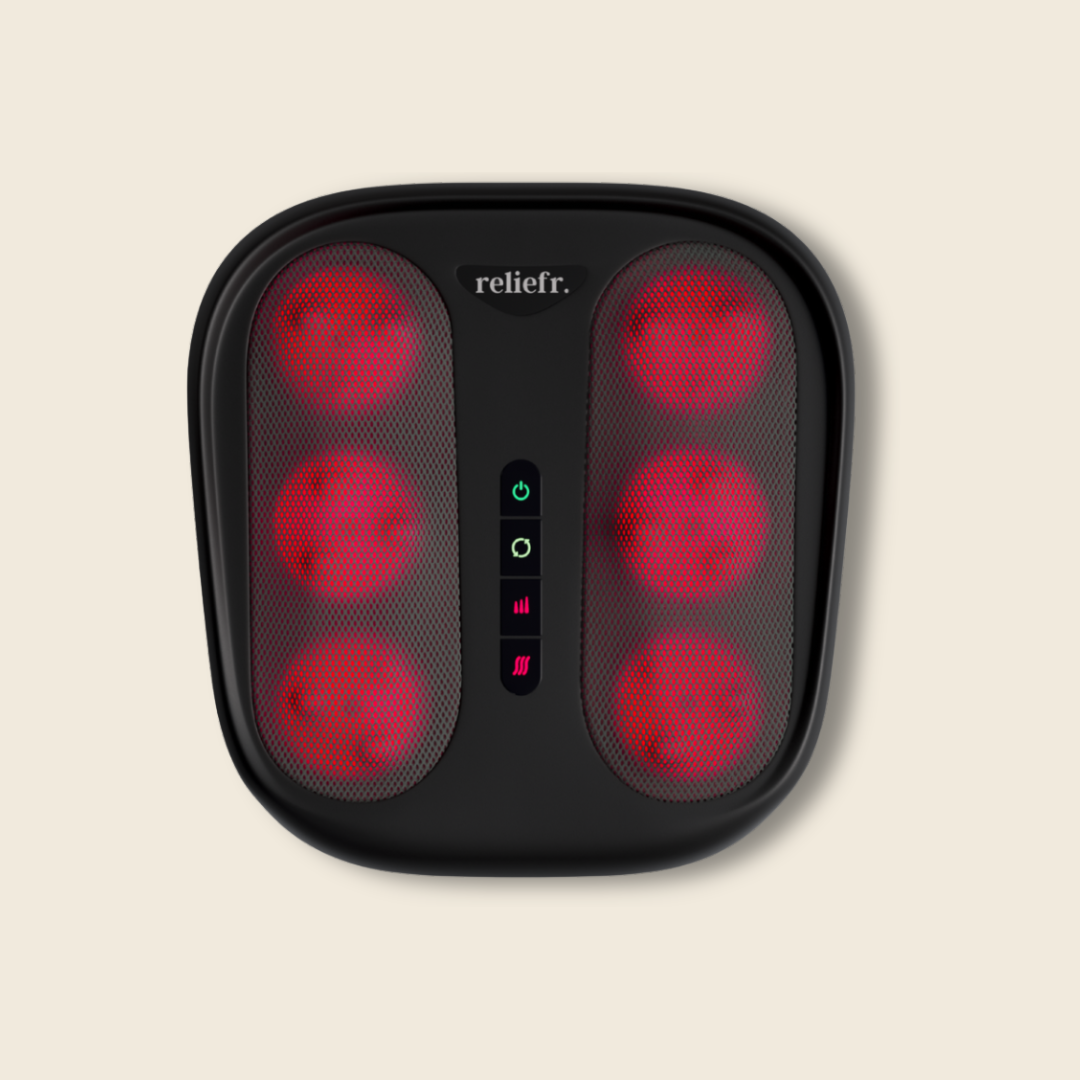
Foot massage is experienced as a gentle but effective way to reduce daily strain. It can be performed manually or with the help of simple tools, and the technique is known for being able to create an immediate feeling of calm. For those who take the time for a foot massage, there is often a positive perception that regular massage of the feet can help make everyday life more manageable and reduce general fatigue. From a practical point of view, it is easy to understand why foot massage has become a popular choice for many who want to create small moments of well-being in a busy everyday life.
How does the effect show itself quickly?
After a short session of foot massage, the effect can often be felt locally as a sense of warmth and less tension in the muscles around the foot. Increased blood circulation in the area shows itself as an improved sense of flow and less stiffness, and many also experience a generally lighter feeling in the body. The release of endorphins can make pain feel less intense, and relaxing movements can reduce immediate muscle tension.
Which body areas react to foot massage?
Foot massage has an effect beyond the foot itself and can be seen in several areas of the body. Typically, reactions in the back, neck, and shoulders are mentioned, but the legs and feet themselves also react noticeably. The reactions may appear as reduced tension, increased mobility, or simply a feeling of greater relaxation in the mentioned areas.
How widespread is its use in everyday life?
Foot massage is common both in professional settings and as part of private wellness. Many introduce short massage breaks into their evening routine or after longer workdays to promote relief and well-being. In everyday life, it is often perceived as a simple and accessible way to reduce daily fatigue in the legs and feet as well as to create a break from everyday pressure.
What can cause a need for foot massage?
- Prolonged standing position, which can lead to increased pressure under the feet and muscle tension in the legs.
- Intense physical activity or long walks, which can cause local soreness and fatigue in the muscles of the foot.
- Stress and busyness, which can often be associated with increased general muscle tension and a need for relief.
- Heavy shoes or repeated strain, which can cause local discomfort and make massage relevant for well-being.
Overall variations in the technique
There are different approaches to foot massage, from gentle gliding movements to more focused pressure on tense areas. Gentle movements are experienced as calming and can promote relaxation, while deeper pressure can be experienced as direct pain reduction in sore muscles. The choice of pressure and movement can be important so that massage provides relief and less muscle tension without creating new discomfort.
Small habits that can affect the well-being of the foot
In everyday life, there are many small habits that over time can matter for how the feet feel. This may be repeated movement patterns at work, the way weight is distributed during standing work, or how one switches between standing and seated activities. These patterns can be experienced as changes in comfort or fatigue in the feet, and they are often connected with the total daily strain.
Attention to equipment and clothing
The choice of shoes and socks can show itself in how the strain is distributed under the foot. The density of the material, the wear pattern of the sole, and the fit of the shoe can in practice help change the feeling in the feet over time. Likewise, repeated use of the same type of footwear can give different strain patterns than variation in shoe choice. These conditions may be relevant to notice in an everyday life with many changes between activities.
Routines and daily rhythms
The timing of breaks, when one stands or sits, and variation in work tasks have an influence on how the feet react during the day. People experience differently that fatigue can appear more strongly at certain times, and this is often connected with the overall daily rhythm. Being aware of patterns in fatigue and stiffness can provide a different perspective on when relief may be most noticeable.
Slow changes over time
Some conditions develop gradually. For example, repeated uniform strain, persistent standing work, or daily carrying habits can show themselves as changes in walking pattern or comfort. These changes often come slowly and can be experienced as small differences in normal mobility or sensation in the foot, rather than sudden changes.
Points to consider before questions
- When during the day the feet feel most tired or sore
- Whether certain activities are repeated in patterns that may be relevant
- How the choice of shoes and materials affects the feeling over several days
Frequently asked questions
How can foot massage reduce stress?
Foot massage can activate the body's relaxing processes, which is often experienced as increased calm and reduced tension. This typically happens through slower breathing and a general feeling of well-being, which many associate with relaxation in the body.
Is there anyone who should be cautious with foot massage?
Some people notice increased sensitivity or discomfort in certain conditions or after injuries. It is common to pay attention to individual reactions and adjustments in relation to how the feet feel before and after massage.
How often can one consider using foot massage in everyday life?
Frequency depends on daily habits and the individual's perceived needs. Many see fluctuations in how often it feels relevant, depending on activity level and work rhythm.
What signs may show that foot massage may be relevant?
Signs may include a persistent feeling of fatigue in the feet, altered walking rhythm, or more frequent attention to discomfort in certain areas. These observations can help ask more specific questions about further possibilities.
.