Many experience tiredness in the legs after a long day, where both inactivity and repeated strain can cause a feeling of heaviness and exhaustion. It is common for the legs to feel sore or tired, whether one has been sitting still for longer periods or performing physical work. This condition can arise after many hours of daily activities and is often regarded as a discomfort that affects general well-being. Different elements are connected to how we experience tiredness in the legs, and many therefore seek knowledge to gain a better understanding of what underlies these sensations. An overview of the common impressions can provide reassurance, as it precisely illustrates how this uncomfortable condition arises and why it is often noticed precisely in everyday life.
What is tired in the legs?
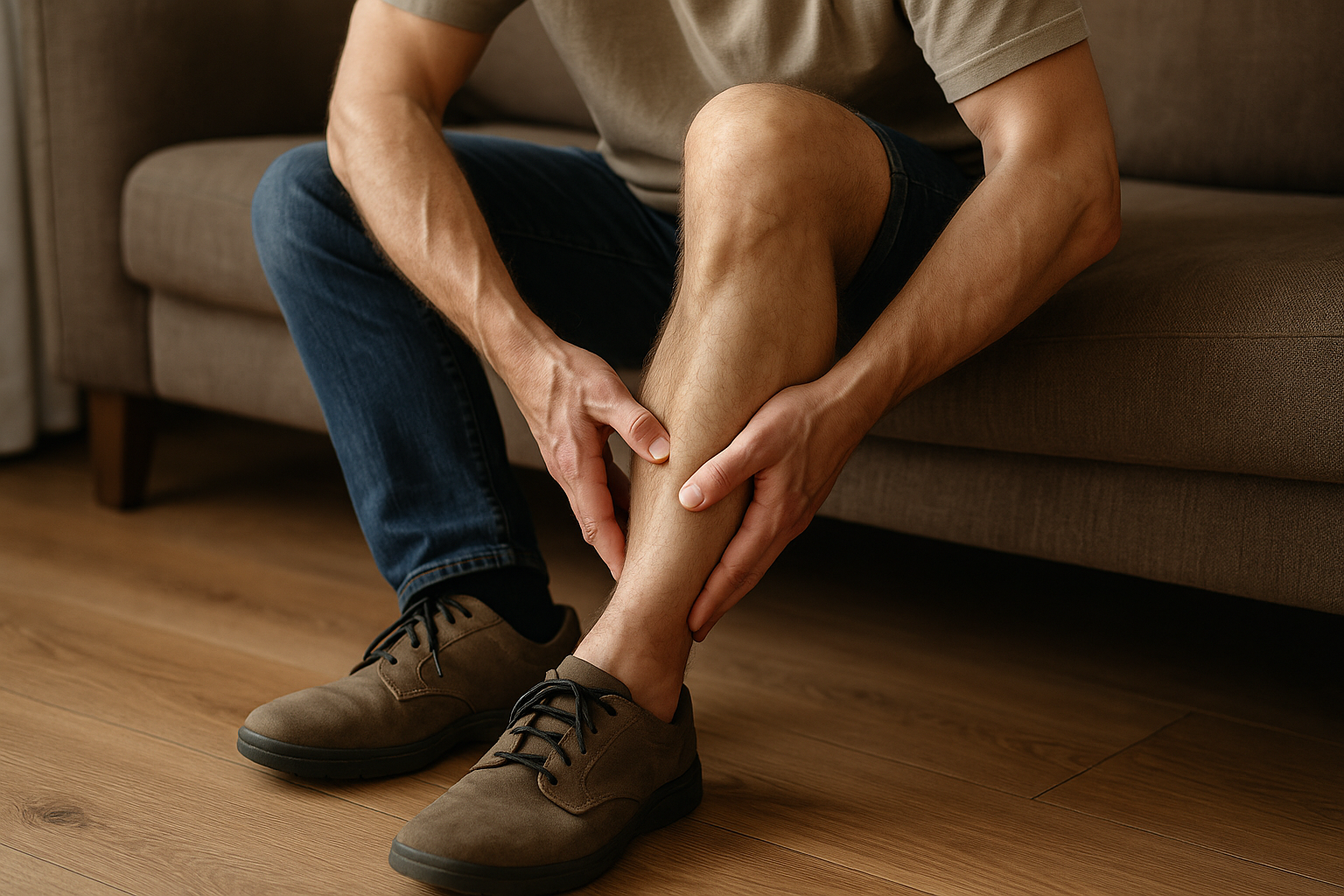
Tired in the legs refers to a feeling of exhaustion, heaviness, and soreness in the legs that often occurs after physical activity or after longer periods of sedentary work. Many experience this form of tiredness as a consequence of the natural strain that affects the muscles in the legs. It can manifest as a persistent feeling that the legs are "exhausted" or feel "heavy," which can make everyday activities less comfortable.
Some typical signs that can be associated with tiredness in the legs are:
- A feeling of soreness or slight pain in the leg muscles
- A firm feeling that the legs are heavy and tired
- A general feeling of exhaustion that may persist after physical activity
These symptoms often arise as a natural reaction to physical exertion, but can also be felt in people who have been less active for periods. Tiredness in the legs is connected with several aspects of the daily routine, including both working positions and leisure activities that can strain the legs. The experience of tired legs is part of a broader issue that many find relevant to understand, especially when they want to relieve the discomfort and achieve a better balance in everyday life.
A factual and neutral approach to the topic shows how tired legs can typically affect daily well-being without involving specific diagnoses or treatments. By highlighting what tiredness in the legs entails, this review provides a clear framework that supports the understanding of how and why the legs can feel so tired after daily strain.
Common causes of tiredness in the legs
Tiredness in the legs often appears as a result of two opposite conditions: too little movement and repeated strain. Too little movement can lead to reduced blood flow and an increased feeling of heaviness, while repeated strain creates muscle tension and soreness. Recovery between strains is important, because lack of recovery can make the muscles more sensitive to daily strain and thereby increase the need for pain relief and relief in everyday life.
How tired legs typically manifest
Symptoms can be experienced differently from person to person, but often appear as a combination of heaviness, soreness, and tiredness, especially after a long workday. Some notice stiffness during movement, others experience a persistent feeling of exhaustion in the legs. Swelling or a feeling of tension may also occur, affecting daily comfort and the ability to walk or stand for longer periods.
Body areas where tension and tiredness are often felt
Tiredness in the legs often has connections to other areas of the body. The most common places where tension occurs at the same time as tired legs are the legs, feet, back, neck, and shoulders. The effects of static work or poor posture can cause tension in the back and shoulders to affect the walking pattern and thereby increase the strain on the legs and feet.
How widespread is the problem in everyday life?
Many experience tired legs in connection with daily activities. People who stand or sit for many hours frequently report heaviness and soreness, but those with regular physical activity can also notice muscle fatigue after periods of high strain. The experience is often connected with work forms, transport habits, and daily routines that determine how much the legs are strained or given the opportunity to recover.
Factors that can affect the intensity of the tiredness
- Fluid intake and diet can affect the muscles' ability to function and thereby the degree of soreness.
- Choice of footwear and support affects the strain on the feet and lower legs.
- Overweight and repeated strain increase pressure and tension in the muscles.
- Sleep quality and stress level can make muscles more tense and increase the need for pain relief.
Variations in the experience
Tired legs can appear as periodic heaviness after a single long day or as more persistent soreness felt for days in a row. Some experience one-sided tiredness, others bilateral heaviness; time of day can also affect how pronounced the sensation is. These variations affect which forms of relief and easing are experienced as most effective in everyday life.
Everyday factors that shape the experience of tired legs
In everyday life, there are a number of conditions that over time can change how the legs feel. Small repeated strains and variations in daily rhythm can affect the sensitivity of muscles and tissues. This appears as times with more pronounced heaviness or soreness, or as days when the feeling is less marked. Paying attention to patterns rather than isolated incidents provides a different perspective on why the sensation changes from week to week.
Environmental and movement patterns that play a role
Some elements in the surroundings and movement patterns are often connected with how tiredness in the legs develops over time. Heat and cold in the surroundings can affect the sensation, just as the surface and the condition of the shoe affect the distribution of strain. Repeated small movements or one-sided carrying can also influence where and when the tiredness is experienced.
- Wear and fit of the shoe, which can change pressure distribution in the foot
- The hardness of the surface, which can give varying strain when walking and standing
- Uneven strain from bags or carrying, which affects the walking pattern
- Temperature and humidity in the surroundings, which can change sensations related to swelling
- Circadian rhythm and time of day, when the tiredness is often most pronounced
Overall considerations without specific advice
It can be useful to notice repetitions and differences over the course of days and weeks. Small changes in habits or environment can affect how the legs are experienced, and the development may be gradual. At Reliefr, it is often seen that different elements of everyday life interact in the overall sensation of heaviness or tiredness in the legs. Creating an overview of these connections can provide a clearer picture of which conditions may be relevant to keep an eye on.
Frequently asked questions
Why do the legs more often feel heavier in the evening?
Late in the day, the accumulation of daily strain can give a clearer feeling of tiredness. Muscle fatigue and changes in fluid distribution can make heaviness or soreness feel stronger in the evening hours than in the morning.
Can the weather affect how I experience the tiredness?
Yes, temperature and humidity can cause the feeling of heaviness or tension to vary. Certain weather situations can change how tissues and blood vessels feel, and this may be experienced as either increased or reduced discomfort.
Why does the tiredness vary from day to day?
Day-to-day variation is often connected with differences in strain, changes in daily routines, surfaces, and choice of footwear. Small changes in these conditions can make the tiredness feel much more noticeable on some days than on others.
.