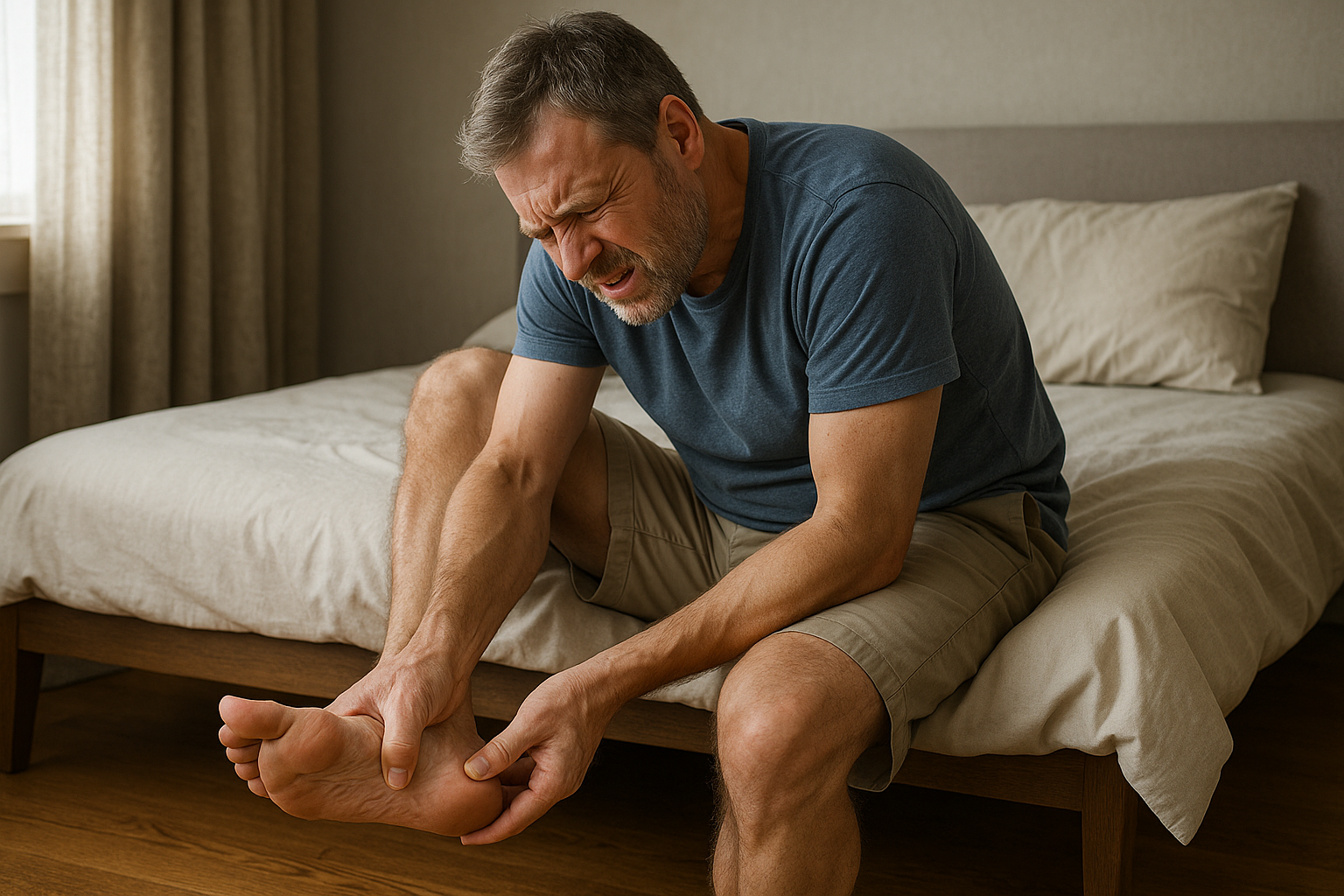
Many experience heel pain, especially in the morning, which can make the start of the day challenging. It is common to feel a stabbing sensation of discomfort that seems disturbing when getting out of bed and starting the day's activities. In everyday life, this type of pain is often felt when standing up or getting out of a seat. For many, this condition arises as part of the natural strain the foot is exposed to through everyday activities. Therefore, many seek an understanding of what exactly causes this heel pain and how it can best be managed with simple, non-surgical methods.
When one encounters heel pain in everyday life, it is important to have knowledge of the underlying factors. A clear understanding of what characterizes the condition can provide reassurance and help identify the situations in which the pain worsens. Many find that the pain is most noticeable in the first steps in the morning, but it can also return during longer periods of walking or standing activity. It is precisely this daily, general experience that makes the topic relevant to a broad group of people who want practical advice and methods to reduce the discomfort.
What is plantar fasciitis?
Plantar fasciitis is an inflammatory condition in the connective tissue that runs under the foot – known as the plantar fascia. The condition often arises as a result of repeated strain and the use of footwear that does not provide sufficient support. Many experience that the sharp pain is especially noticeable when the foot is subjected to load after a period of rest, for example in the morning or after a break during the day.
The typical factors in plantar fasciitis include, among other things:
- Overload from repeated strain
- Incorrect footwear that does not support the foot optimally
- Biomechanical factors that make the foot extra exposed to strain
It is precisely the combination of these factors that can cause the discomfort. Many experience that the pain tends to show itself in everyday activities and can thus affect both leisure interests and the working day. By having an overview of what plantar fasciitis covers, it becomes easier to put words to the experienced pain and understand why conservative methods are often the first step toward everyday life with less heel pain. For many, this knowledge is the key to finding a calmer and more comfortable existence focused on well-being and pain relief without extensive interventions.
How does plantar fasciitis show itself in everyday life?
The pain most often appears as a sharp or stabbing sensation in the heel during the first steps in the morning or after longer rest. Many find that the pain decreases during the day, but returns after longer periods of standing work or walks. In addition to the heel, tension may be felt in the foot, in the calf, and further up the leg, and some experience discomfort in the back, neck, or shoulders as a result of altered gait.
How widespread is the problem?
Heel pain related to strain in the foot's connective tissue is common among people who stand or walk a lot during the day. Groups with daily strain on their feet report symptoms more frequently, and many seek help to make everyday life function with less pain. More than nine out of ten cases improve with conservative measures over time, which makes home-oriented strategies relevant for a broad audience.
What factors can cause or worsen the pain?
Several factors are often associated with an increased risk of heel pain. Excess weight increases the load on the structures of the foot. Incorrect footwear without sufficient support or cushioning can cause increased pressure on the heel area. Sudden increases in activity level, for example longer walks or work on hard surfaces, can also make symptoms more pronounced. In addition, reduced mobility in the calf and tension in the foot muscles can make it harder to distribute the load evenly.
Pain relief and relief in everyday life
- Ice and local massage can provide quick relief from acute pain episodes and reduce swelling in the area.
- Targeted massage of the foot and calf helps loosen muscle tension and reduce pressure on the heel.
- Stretching of the calf muscles and soft tissue stretches can improve mobility and reduce strain when walking.
- Supportive footwear and insoles can relieve the heel by distributing pressure better across the sole of the foot.
- Shorter periods of seated breaks during standing work can reduce continuous strain and provide immediate relief.
Typical variations in symptoms
Symptoms vary from mild irritations that are only felt during prolonged standing to sharp pain during the first steps. Some primarily experience discomfort in the heel, while others get radiating tension down into the foot or up into the calf. The pattern often depends on daily activities, footwear, and the general muscular condition of the legs and feet.
.