Many experience pain in the heel under the foot, which can affect both short walks and everyday movements. It is common for the discomfort to appear when you have been active or stand for a long time, and it can be perceived as persistent soreness or a sharp sensation under strain. The pain can create a feeling of uncertainty in everyday life, because it quietly reminds you that the foot needs extra attention. For those who experience this pain, it can be a great relief to gain knowledge of what typically happens in the foot, as well as which conditions may help trigger the discomfort.
It is important to understand that pain in the heel under the foot most often has a complex background, where both strain and small imbalances in the structure of the foot can play a role. Many find that the discomfort becomes more noticeable if the foot is exposed to repeated strain or if improper footwear is used in daily life. Although the pain can vary in intensity, for most people it is associated with a form of irritation in the area that lies close to the heel and under the foot.
What is pain in the heel under the foot?
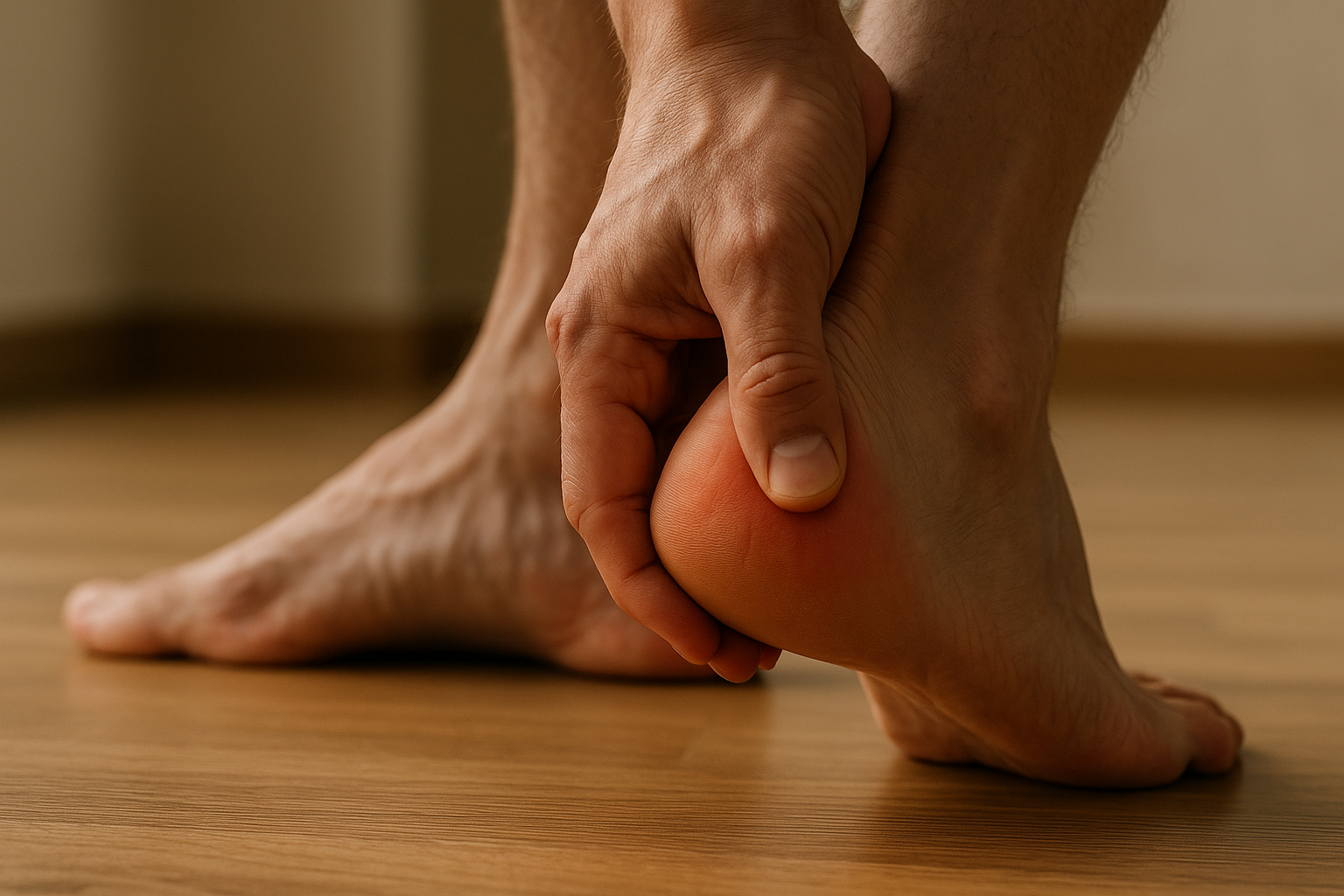
Pain in the heel under the foot is often described as a sore or stabbing sensation that can make it uncomfortable to walk or stand for longer periods. The experience of pain can vary from a slight irritation to more pronounced and persistent soreness that appears the moment you take the first step in the morning after a period of rest. Many have experienced how the pain worsens with strain and then subsides when the leg is rested.
The problem is often associated with conditions such as heel spur and plantar fasciitis, where the area around the heel shows signs of overuse. It can feel as though the foot is calling for extra care, especially during the transitions between rest and activity. This form of discomfort is also often noticed in people with an active lifestyle, but it can likewise affect those who in daily life have work with many standing or walking activities.
Understanding what the pain entails provides a secure framework for further considerations about how to manage the discomfort in everyday life. By creating clarity about how the discomfort is experienced and which situations most often trigger the pain, it becomes possible to see the connection between strain and the painful sensation under the foot. This understanding is an important step toward reducing discomfort and adapting daily life so that the foot gets the necessary rest and support.
Causes that often underlie pain in the heel
Pain under the heel is often associated with persistent strain and small imbalances in the foot's load pattern. Repeated strain from walking, running, or long periods on hard floors can lead to irritation in the tissue under the heel. Excess weight, sudden increases in activity level, and shoes without sufficient support can also help worsen the symptoms. Muscle tension in the calf, foot, and around the ankle can alter the load and thereby affect where and how the pain appears.
How the pain appears in everyday life
The pain can be experienced very differently. For some, there is a sharp pain with the first step in the morning; for others, a more throbbing soreness after prolonged standing or walking. The pain may be clearly localized under the heel or spread into the front of the foot. During activity, the pain may feel most intense during push-off or strain, while rest often provides temporary relief.
What other body areas may have to do with it
The load on the feet is influenced by posture and tension in other areas such as the back, neck, shoulders, and legs. When muscles in the calf or hip are tight, it often changes the gait pattern, which can lead to increased pressure on the heel area. In the same way, fatigue in the shoulders and back can change the way you move in everyday life, which can indirectly affect the experience of pain in the feet.
How common is heel pain?
Pain under the heel is common and is seen both in active people and in those with work that requires many hours of standing. Several people experience episodes during life, especially in periods of increased activity or changes in daily habits. For many, the symptoms affect daily comfort and the ability to participate in walking and standing activities without interruption.
Everyday factors that can affect pain intensity
- Choice of footwear and the sole's support can affect load distribution
- The hardness of the surface during daily work or training can increase the strain
- Sudden changes in amount of activity or weight can create greater pressure on the heel
- Lack of regular relief during the day can make the pain more persistent
Variations in the pain picture
There are differences in how heel pain appears: some experience short-lived, sharp pain with strain, others have a persistent, sore feeling. The pain can also vary in location—either clearly under the heel, further into the sole of the foot, or more diffusely around the ankle. These differences affect which forms of relief are typically sought in everyday life.
What to pay attention to in everyday life
When you experience pain in the heel under the foot, small patterns in everyday life can affect how the discomfort develops over time. Instead of seeking quick solutions, it can be useful to notice repeated movement patterns, how the shoes look after daily use, and which activities typically precede increased discomfort. The ongoing influence of daily habits can show up as fluctuating pain intensity or changed localization of the discomfort.
Particular wear on footwear can say something about load distribution. Wear that is clear on the outer sole or an uneven heel edge can be experienced as a sign that the load is shifting in the foot's support surface. Likewise, a narrow toe box or hard heel counter can change how pressure is distributed under the heel and in the foot in general.
Work patterns and daily routines often matter over time. Long periods of standing, many short walks on hard surfaces, or one-sided standing work can cause the tissue around the heel to be exposed to more persistent stress. There may also be differences between periods of high activity and calmer weeks, where the pain either worsens or subsides temporarily.
Sleep and rest can affect the experience of pain during the day. Some experience that stiffness after rest appears as sharper sensations with the first steps, while others notice changes in discomfort after long periods of activity. These patterns can provide insight into how strain and recovery are connected over the course of the day.
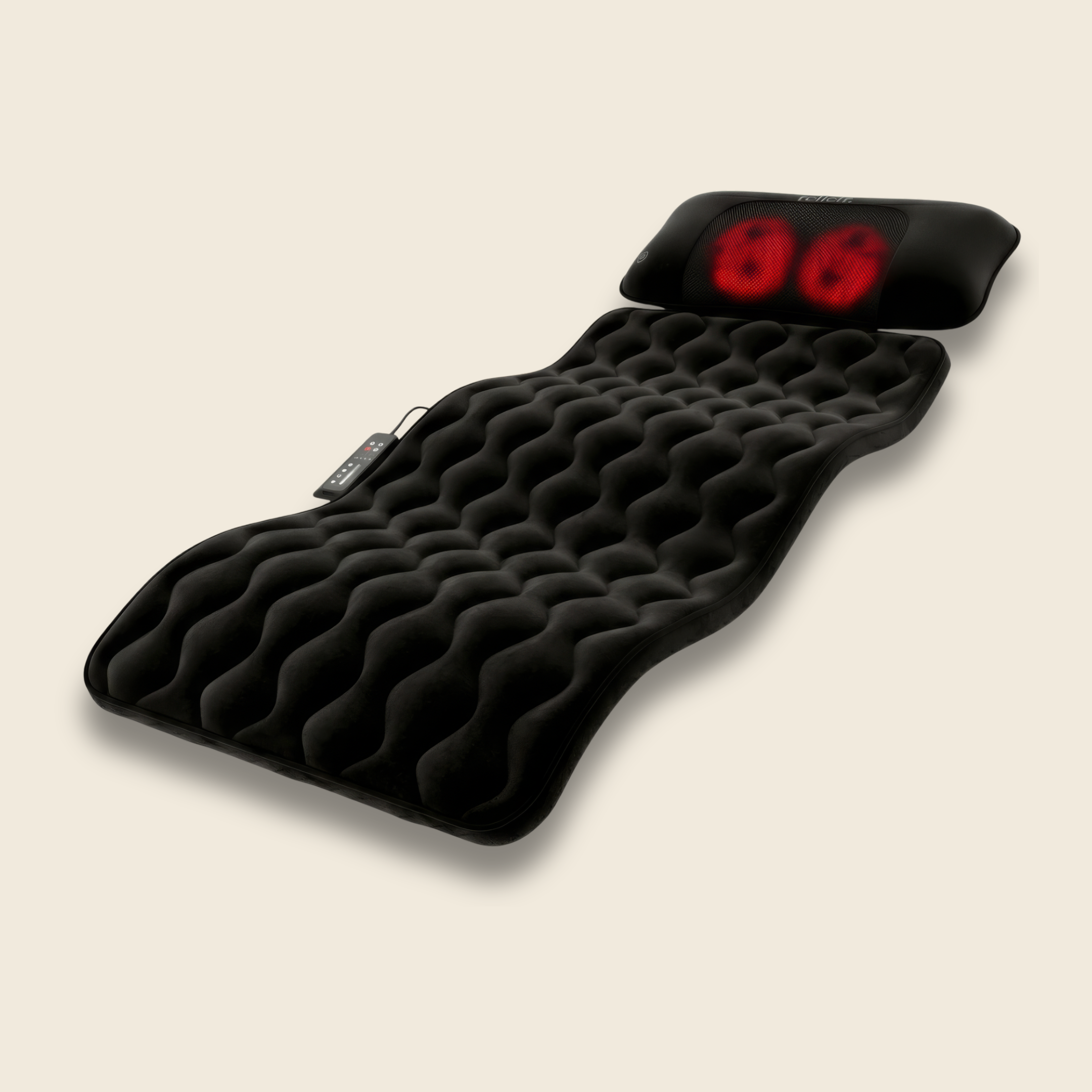
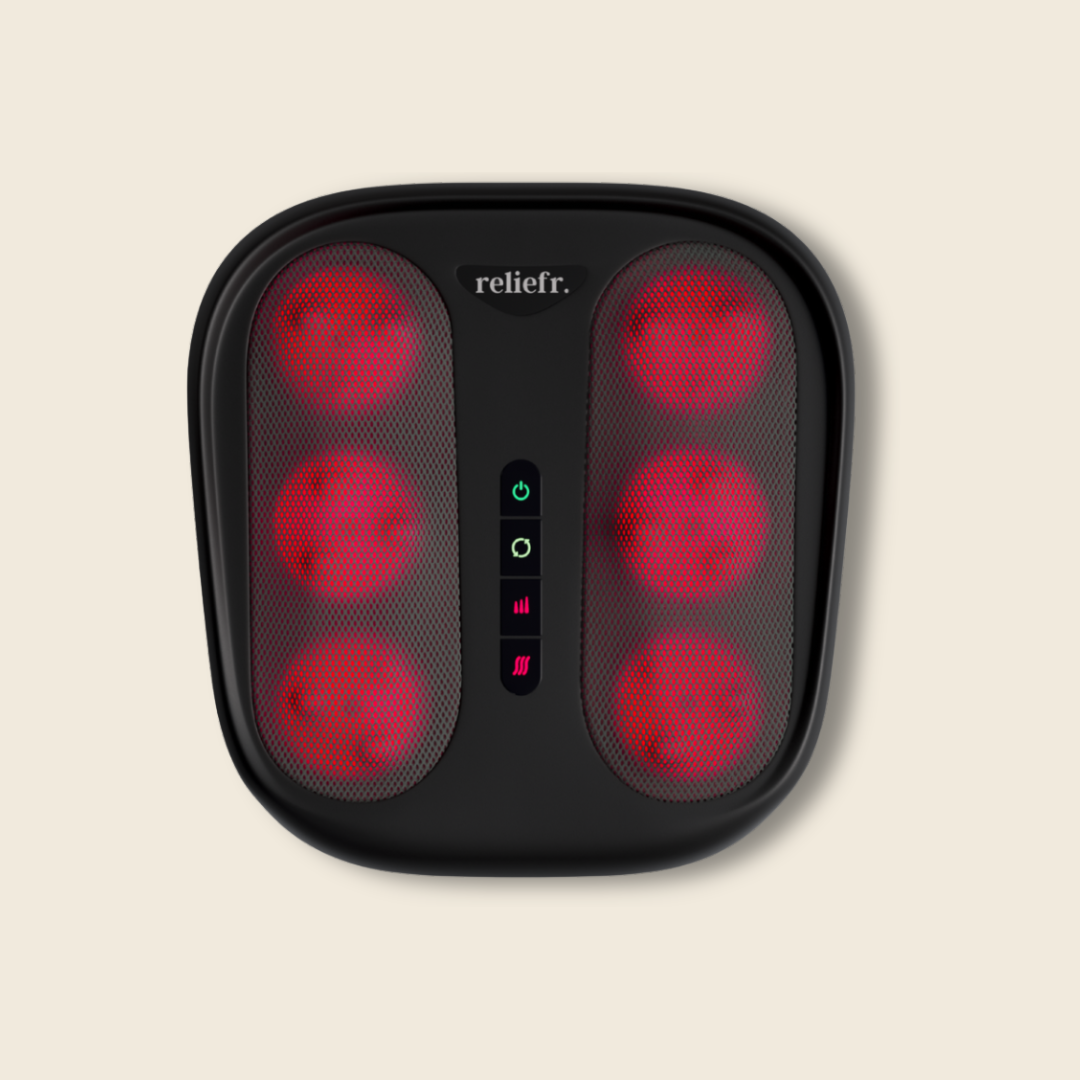
Massage and light touch of the area can in everyday life be experienced as a way to change the perception of tension and soreness. Massage can be experienced as helping to increase local blood flow and relaxation in soft tissue, which for some means a changed sensation in everyday life. With us, products such as foot rollers or massage devices can be used as part of daily well-being without being a solution in themselves.
- Wear patterns on shoes and insoles that show changed load
- Long periods on hard surfaces or uneven surfaces
- Uniform movement patterns at work or during leisure time
- Fluctuations in pain after rest or after activity
- Emotional or physical fatigue that can change the gait pattern
Over months, small habits can together have a noticeable effect. Observing patterns rather than reacting to individual events often gives a clearer picture of what affects the condition. By noting when the pain typically changes, you get a basis for finding future solutions, and it can be a natural transition to asking specific questions about relief or care.
Frequently asked questions
Can massage have a role in pain in the heel under the foot?
Massage can be experienced as a way to affect the tension level in the soft tissues of the foot and may show up as increased relaxation in the calf and foot. Many describe that massage changes the immediate sensation in the area, although the effect may vary from person to person.
How long can heel pain last?
The course of the pain varies greatly. For some, it is a short-term problem during increased activity, while others experience longer-lasting periods alternating between calm and more demanding phases. The patterns can often be seen over weeks to months.
How can shoes show whether the load has changed?
The shoe's outer sole, heel edge, and compression of the sole can provide signs of how weight is distributed during walking. Examining wear patterns can show whether the load has shifted to a specific part of the foot or whether the foot's movement pattern has changed.
Can daily routines affect how the pain develops?
Yes. Repeated movements, duration of standing work, and the type of surface can all help shape how the discomfort appears over time. Small changes in everyday life can therefore influence the experience of pain in the longer term.
.