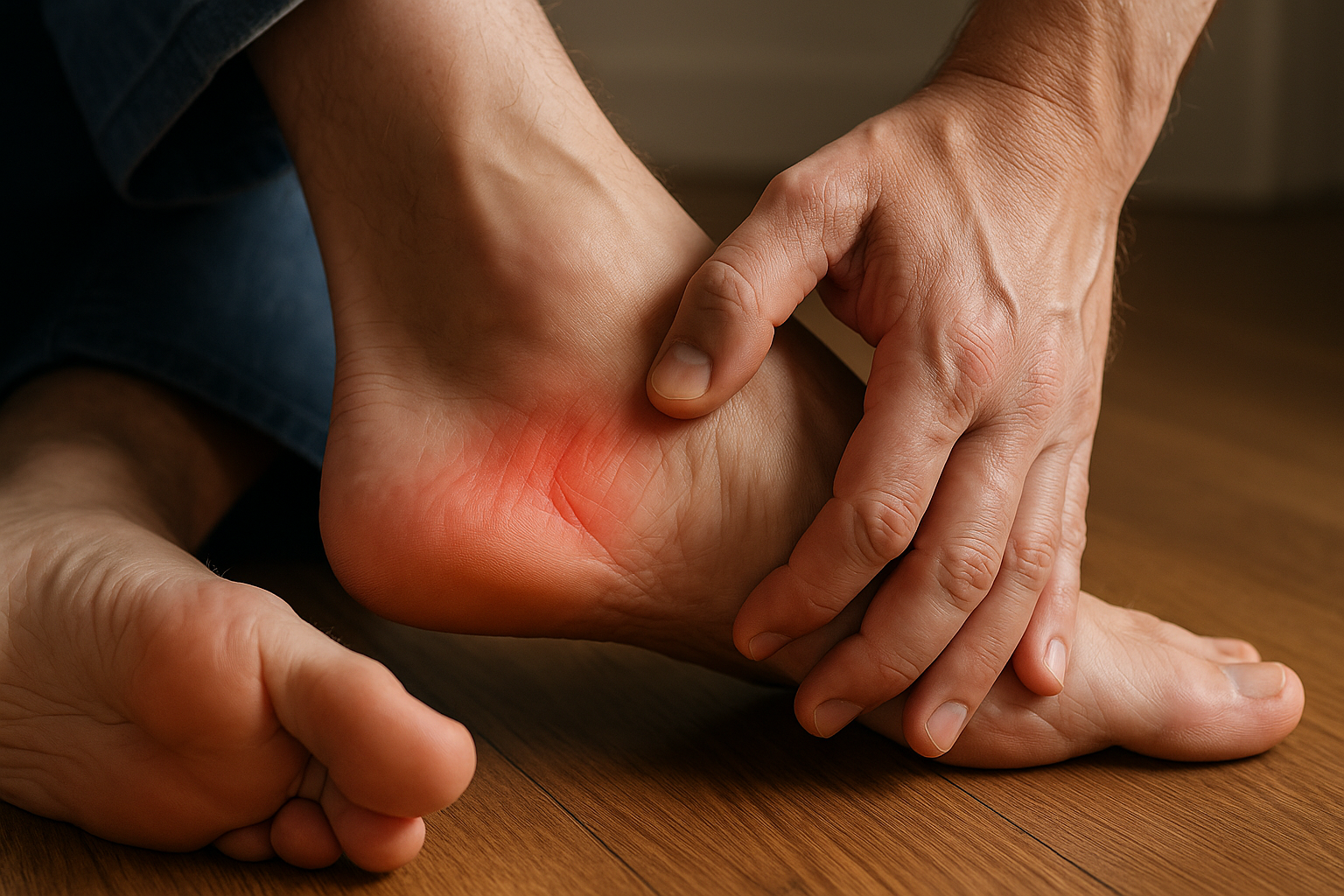
Many experience unexpected pain in the heel, and it is often a challenge to know whether it is merely temporary discomfort or a sign of something that requires closer attention. It is common to notice a change in the level of pain, especially after long periods of standing or walking activities. For some, the pain may begin as mild soreness, while others experience a sharp and stabbing sensation that makes everyday movements difficult. In many cases, the pain often becomes noticeable when moving after a period of rest – for example in the morning or after long breaks. These variations in pain intensity and duration lead many to seek basic information about what the symptoms of heel spur actually are, in order to gain an understanding of how the condition manifests in daily life.
What are the symptoms of heel spur?
Symptoms of heel spur can be experienced in several different ways, depending on how severe the strain on the foot is. Many describe marked soreness in the heel, which may appear at the start of the day or when beginning activity. A typical experience is a sharp pain that quickly makes itself known when the foot is reactivated after prolonged rest. This pain can both be persistent and come in waves, depending on how the foot is strained during the day.
Some of the most common signs include:
- A sharp or stabbing pain in the heel area
- Increased discomfort when starting movement, especially in the morning
- An intermittent feeling of stiffness after rest
- Variation in the intensity of the pain during daily activities
These symptoms often appear when the foot is exposed to repeated strain, which helps explain why many experience the pain in connection with longer periods of walking or standing activities. The pain may vary from day to day, which makes it important to note how and when the discomfort arises. The experience of pain in the heel can affect daily quality of life, as even short walks can cause discomfort that gives reason to pay attention to the body's signals. By having an overview of which signs characterize heel spur, it becomes easier to gain a calm understanding of the condition and assess when it is important to seek further information or help in managing the discomfort.
How do the symptoms show themselves in everyday life?
Symptoms of heel spur can show themselves differently from person to person, but a recurring feature is a marked difference between rest and starting activity. Many describe a sharp or stabbing sensation with the first steps after sitting or lying down, while the pain during continued movement may shift to a more diffuse soreness. Some experience burning or throbbing pain in the heel area itself, while others notice soreness under the foot when bearing weight on hard surfaces.
How widespread are the symptoms in daily life?
The symptoms are common in daily situations where the foot is exposed to repeated strain. People who stand or walk a lot at work more often experience discomfort in everyday life, just as longer walks or many stairs can make the pain more noticeable. At home, simple activity such as doing the morning routine or taking short walks around the house may be enough for the symptoms to appear. Many automatically adjust their gait or posture to avoid pain, and these adjustments are often associated with increased tension in other areas of the body.
Which factors can cause variation in symptoms?
Several conditions can affect how intensely the symptoms are experienced. The level of strain from activity, the type of surface, and the choice of footwear can all affect the level of pain. Overweight and sudden increases in activity level can increase the strain on the heel. Tight calf muscles or Achilles tendon can also contribute, as they change the way the foot's load is distributed and can thereby cause more soreness when starting movement and during strain.
Pain and muscle tension related to the heel
Pain in the heel can be associated with muscle tension both locally and higher up in the body. Compensation in the walking pattern can lead to increased tension in the calf, knee, and back, and this may be felt as stiffness or tired muscles after prolonged activity. Relief in everyday life often appears as temporary ease, while recurring strain can make the pain more varied from day to day. Being aware of when and how the pain occurs helps in understanding which daily conditions may affect the symptoms.
Observe patterns in everyday life
In daily life, small changes in routines may show themselves as variation in the pain experience. Some find that imbalances in the structure of the workday or shorter periods of high activity influence how the pain appears during the week. Others notice that repeated movements in certain situations make the discomfort more visible, even if the intensity does not necessarily become stronger immediately.
Habits that may become significant over time
There are several habits that over time can affect how the symptoms develop. For example, fixed patterns in standing work, prolonged one-sided strain, or changes in daily movement patterns may be seen in connection with changes in the pain pattern. Small, repeated strains may, in some cases, make the pain more fluctuating rather than constant, and this may be experienced as periods of increased sensitivity after certain workdays.
Overall considerations without specific advice
When looking at the course of the pain over time, it is useful to be aware of connections rather than seeking immediate solutions. Sleep quality and rest periods may affect how the symptoms are experienced upon waking, and mental strain can often be associated with increased muscle tension. Massage and gentle handling of surrounding tissue are often mentioned as a source of temporary relief, but results may vary from person to person.
Note changes to form a pattern
- Time-related patterns in pain are often experienced during specific daily activities
- Variation between quiet periods and activity can affect how the pain appears
- Compensatory movements may have significance for tension in nearby musculature
Frequently asked questions
Can symptoms arise suddenly without prior discomfort?
Yes, symptoms may be experienced either as a sudden sharp sensation after a specific event or as gradually increasing soreness. Both patterns occur in practice, and the course varies from person to person.
How can sleep affect morning stiffness and pain?
Pain when starting movement may be related to the body's rest period. After a longer time at rest, areas around the heel may feel stiff or more sensitive, which is often most apparent in the first steps in the morning.
What can massage feel like in relation to heel pain?
Massage may be experienced as relaxing or as a temporary change in the level of tension around the foot. For some, it provides short-term relief in the muscles around the heel area, while others notice less effect.
Can pain in the heel affect other parts of the body?
Yes, changes in gait or compensation can lead to increased tension in the calf, knee, or hip, and some therefore experience secondary discomfort in nearby areas.
.