Many experience pain in the heel area, and it is not uncommon for heel spurs to cause discomfort in everyday life. When the foot is exposed to repeated strain, it can cause persistent irritation in the arch area, which is often felt as discomfort or a stabbing sensation. This can mean a change in daily routines, where even a short walk can feel challenging. As more people seek methods to relieve these issues, socks for heel spurs have gained ground as a measure that can both provide support and relieve pain. The socks offer a form of compression that is intended to increase blood flow and thereby contribute to a better feeling in the affected area. This method has therefore appealed to many who want a simple and practical solution, without having to resort to more invasive measures. At the same time, it is common to seek information, because the field of well-being often offers a wealth of possibilities, and it can be helpful to get an overview of how such a solution works in everyday life.
What are Socks For Heel Spurs?
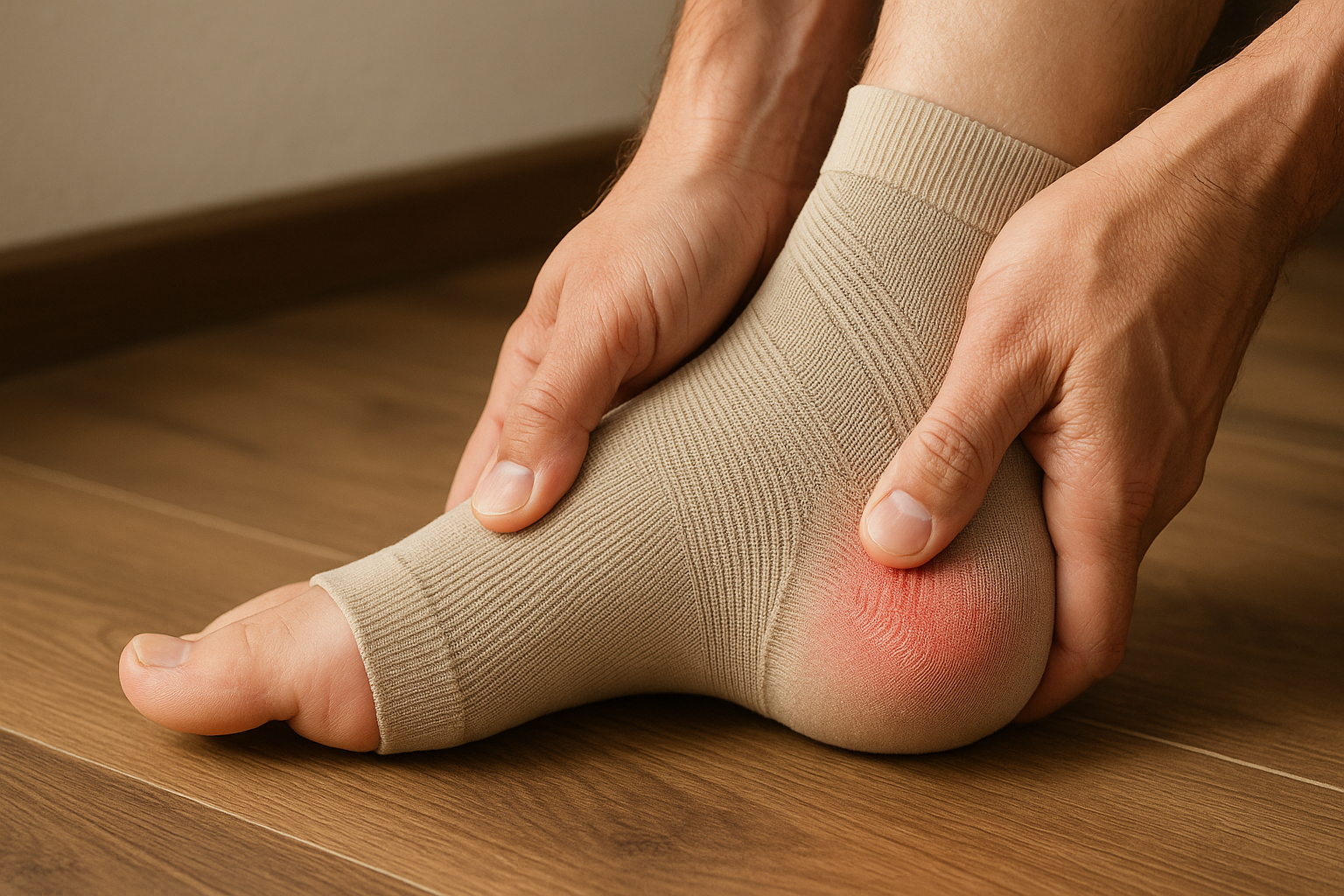
Socks for heel spurs are made with the purpose of supporting the foot and providing firm pressure in the heel area. By offering compression, they can help increase blood circulation and reduce the feeling of irritation that often accompanies heel spurs. This form of pressure can help make the area feel less sore, making it easier to manage everyday activities.
Some of the key elements of socks for heel spurs include:
- Increased support of the foot's structure
- Improved blood flow, which can lead to an altered sensation in the area
- A simple method that is easy to use in everyday life
It is common to choose socks with an elastic fit that follows the contours of the foot. The purpose is to create a comfortable distribution of pressure that can ease the painful sensations often observed with heel spurs. When socks are used as part of daily well-being, they are often experienced as a practical method for reducing the discomfort that may arise – especially during periods when the foot has to bear extra strain. By strengthening local blood circulation, the socks can help support a calmer feeling in the affected area, making them an obvious choice for many seeking simple and effective help in a busy everyday life.
How do socks for heel spurs work?
Socks for heel spurs work primarily by applying even pressure around the foot, which can increase blood flow and reduce fluid buildup in the area. Many models have graduated compression, typically in a range that provides noticeable support without feeling tight. Special zones around the heel and arch distribute the pressure so that the load on the sore area becomes less. Some designs contain soft pads that redistribute pressure while standing and walking, which can change the way the foot moves and reduce irritation in soft tissue.
How do the symptoms appear in everyday life?
Symptoms in the heel area often appear as sharp or stabbing pain during the first steps in the morning or after longer rest. The pain can also be experienced as soreness after long periods of standing or walking. When the pain becomes part of everyday life, gait pattern and posture can change, which is often associated with increased tension in the legs, back, neck, or shoulders as the body tries to relieve the sore foot.
How widespread is the problem in everyday life?
Tendencies toward symptoms in the heel area are relatively common among adults, especially in those with active everyday lives or jobs where they stand a lot. It is often seen in runners and people who frequently carry heavy loads on their feet. For many, it becomes a recurring challenge that affects both movement and well-being in everyday life.
Which factors can affect the pain?
- Overweight can increase the pressure on the heel and arch and thereby worsen soreness.
- The structure of the foot and the height of the arch can make the load uneven.
- Choice of shoes, especially lack of support or hard soles, can worsen symptoms.
- A sudden increase in activity level or prolonged standing work can increase muscle tension in the legs and feet.
Variations in design and practical use
Socks are available in different heights and compression levels, from low models to higher socks, as well as variants designed for daily activity or for rest. Materials vary from dense, elastic fibers to more breathable fabrics, and some have extra padded zones at the heel or arch. These variations mean that the use of socks can be adapted to the individual situation in everyday life, whether it is about reducing soreness during work, walks, or after longer periods of strain.
Daily variations in sensation
In everyday life, symptoms from the heel area can vary significantly over the course of a day. The first steps of the morning often appear different from the feeling after many hours of standing, and small changes in surface or shoes can affect the experience. It is useful to notice when the discomfort fluctuates, as this can provide insight into patterns without pointing to specific solutions.
Material and fit in daily use
The material and fit of the socks can be experienced differently depending on how long they are worn and how the feet react over time. Breathability, seams, and the density of the fabric can affect skin comfort and friction. Over days and weeks, the elasticity can change, so the pressure distribution feels different than on first use.
Typical conditions that change over time
- Wear on the heel area of the sock, which can change how the pressure is distributed
- Differences in sensitivity after longer periods of standing work or changing activities
- Variation in the condition of the skin in heat or moisture, which can cause increased friction
- Changed sensation when combining socks with other wellness practices, for example massage
Observations you can make note of
Noticing small changes can be a way to gain an overview without seeking specific solutions. Some experience that the fit feels tighter later in the day, others note that certain shoes or surfaces are often associated with increased discomfort. It may also be relevant to look at how the seams or padding of the sock feel against the skin during prolonged use.
The following FAQ addresses specific questions that often arise when considering socks for heel spurs and daily comfort.
Frequently asked questions
How long does a sock typically retain its fit?
Durability varies with material and frequency of use. Over time, elasticity and fabric can give way, so the pressure distribution changes, and signs of wear become visible in the heel area.
What can change the effect of the sock during the day?
Differences in temperature, humidity, and the total daily load on the foot can affect how a sock is experienced and how it distributes pressure.
How does the skin's reaction appear with prolonged use?
Skin reactions can be experienced as increased warmth, slight redness, or changed sensitivity in areas with denser fabric or seams. This can be an indicator of how the material and fit affect comfort.
.