Aprende más sobre tus dolores

Dolor en la parte externa del pie: ¿A qué se debe y cómo se alivia?
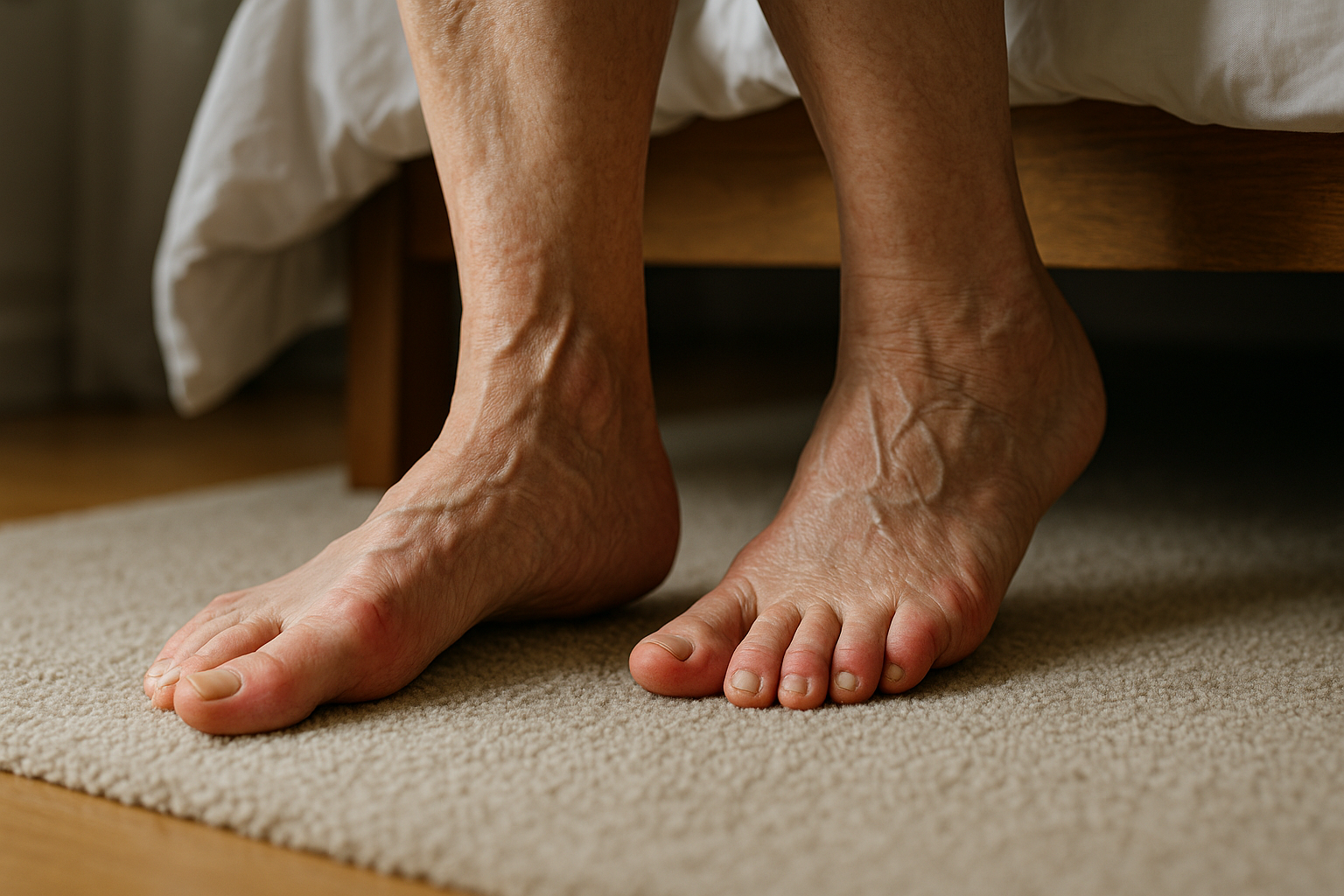
Many people periodically experience pain in the foot, and for some it is specifically the outer side of the foot that causes problems. This pain can be felt both in everyday life and during physical activity, and it often arises without a clear cause. It is common for discomfort or soreness along the outer edge of the foot to make daily movement less comfortable. The pain can appear suddenly, but for many it develops over time, which can lead to gradually becoming aware of how the sensation affects the overall comfort of the foot.There is often great curiosity about what exactly causes the pain and how it differs from other forms of foot pain. It is important to gain a clear understanding of what is meant by pain in the outer side of the foot, as several everyday factors can help trigger the discomfort. Many people who experience this type of pain may have had a change in their activity pattern or changed their footwear, and they consider whether these changes may be connected to the unpleasant sensation.What is pain in the outer side of the foot?Pain in the outer side of the foot describes a condition where pain is primarily felt on the lateral part of the foot. This pain can occur from a single case of overexertion to a longer period of repeated strain. Typically, the pain feels like soreness that worsens with certain movements, especially when the foot is exposed to further strain. This discomfort can be experienced both while walking and during other activities where the foot plays a central role. The intensity of the pain can vary throughout the day The discomfort can be intensified by repeated strain Certain movements can trigger a marked worsening of the pain Many want to understand why this particular part of the foot is especially prone to pain. It may be a combination of overuse, altered foot position, or a previous overuse injury. By getting an overview and a factual framework for what is actually happening, it becomes easier to take the necessary precautions and adapt everyday life. People often seek information in order to adjust their daily activities and prevent the discomfort from developing into a more persistent problem. In this way, factual understanding becomes a starting point for creating calm and reassurance in relation to daily well-being when the foot is affected by unpleasant pain.Common causes of pain on the outer side of the footPain on the outer side of the foot often appears with repeated strain or increased pressure against the edge of the foot. Tendon irritation, local overexertion, and altered foot position are common causes, just as shoes that press or provide incorrect support can contribute. Sudden movements or twists can also lead to pain, especially if muscles and tendons are already tense from daily activity.How the pain can be feltPain on the outer side of the foot can be experienced as local soreness, stiffness, or sharper twinges with certain movements. The intensity can vary throughout the day and worsen during longer walks, running, or carrying a heavy load. Some mainly notice discomfort under strain, while others experience a persistent mild soreness that may feel stronger after prolonged activity.Everyday factors that can affect the discomfortSeveral daily conditions are often connected with increased pain on the outer side of the foot. Choice of footwear, the surface you walk on, sudden changes in activity level, and repeated movements at work can all affect how quickly the pain develops. Tension higher up in the body can also play a role; strain and muscle tension in the back, neck and shoulders as well as in the legs often affect how much strain the foot has to take.Pain relief and offloading in everyday lifeA combination of offloading and targeted relief can make everyday life easier. Offloading is about reducing direct pressure and repeated strain on the painful side of the foot and instead distributing weight and movement so the foot has peace to rest. Massage and heat can loosen muscle tension, increase blood circulation, and create a feeling of increased comfort, while short breaks from demanding activities often reduce the intensity of the pain.Typical activities that can worsen pain Longer walks or runs on hard or uneven surfaces Standing work without the possibility of changing position Frequent lateral movements or sudden turns Daily habits that can affect the foot over timeIn everyday life, it is often small patterns that play a role in how pain on the outer side of the foot develops. Repeated movements, one-sided standing work, and prolonged use of the same type of footwear can over time change the distribution of strain in the foot. These conditions often appear as persistent soreness or discomfort, which can change in intensity depending on activity and rest.Surfaces, footwear, and wear patternsThe surface one moves on and the properties of the shoe are often connected to how pressure and friction are distributed along the edge of the foot. Wear on the sole or stiffness in materials can change the foot’s movement pattern. Over time, such changes can affect how often and how strongly the area is strained, and therefore uniform use of the same shoes or one-sided strain may be relevant in a longer-term perspective.Posture, compensation, and tensionPain in the foot is often connected with movement patterns higher up in the body. Compensation in the hip, knee, or ankle can change the strain on the outer side of the foot, and muscle tension in the leg and calf can appear as altered walking or increased stiffness. Psychological stress can also affect muscle tension and the experience of discomfort in the body in general.Signs of change over time Variation in pain intensity in relation to days or weeks Changed pattern in wear on shoes or uneven pressure under strain Symmetry in walking pattern that changes with prolonged activity Being aware of these conditions can provide a picture of which patterns repeat themselves, without necessarily saying anything about the cause in each individual case. At Reliefr you can find examples of products for foot massage and support, if you want to explore the options available: https://reliefr.dk/collections/fodmassageFrequently asked questionsHow can one distinguish between tendon-related and nerve-related pain?Pain related to tendons often appears as local soreness and worsening with certain movements, while nerve-related discomfort can be experienced as shooting pain, tingling, or radiating sensations. Differences in how the pain changes over time and with different types of strain can be useful indicators.Can massage or heat influence the discomfort?Many describe that massage and heat can provide temporary relief by reducing muscle tension and increasing blood circulation in the area. How and how quickly such an effect is experienced varies from person to person.Which product categories do people typically search for when experiencing pain on the outer side of the foot?People often search for products for reducing pressure, support, and comfort as well as devices for local massage. Nouns such as insoles, massage devices, and heat products recur in searches when people want to explore options for home use.
Aprende más
Stiff legs: What causes it, and how can it be relieved?
Many experience that their legs feel stiff during everyday life, especially after physical activity or longer periods of sedentary work. The feeling of stiffness can give a sensation of soreness and tension in the leg muscles, which affects daily mobility and comfort. It is common for the legs to seem less flexible, and for the muscle tension to be felt more clearly when the body has to rediscover its balance after rest or activity. These sensations often arise as the muscles have been exposed to repeated strain or prolonged inactivity. Many therefore seek information about what may be the cause of stiff legs and how best to manage the uncomfortable condition in a busy everyday life.What are stiff legs?Stiff legs is a term that covers a range of sensations in the leg muscles, where soreness and reduced flexibility are central elements. The condition can be experienced as a general tightness in the legs and can arise for several reasons related to the body's daily strain. Among the most common triggering factors is overuse, such as intense exercise or prolonged periods of inactivity, which mean that the muscles do not get the opportunity to relax completely. The experience of stiff legs can also arise after sitting down a lot, where movement is limited, and therefore the muscles can become tense and stiff.The accompanying symptoms can vary in intensity, and many describe a feeling that the legs are "locked" or have a feeling of fatigue and heaviness. It is noted that the condition typically manifests itself as soreness, which may be associated with mild or more pronounced tension in the muscles. Common descriptions of stiff legs include: A feeling of tightness and less flexibility in the muscles Soreness that can be felt both before and after physical activity A general feeling of fatigue in the legs that affects daily movements These experiences are very common and can occur in people with both active and sedentary lifestyles. When stiff legs manifest themselves, it is often a sign that the body is reacting to a strain that one may not have noticed until the symptoms set in. For those who experience this condition regularly, it can be a natural reaction to various influences such as physical exertion, marked changes in activity level, or insufficient warm-up before exercise.How stiff legs typically present themselvesStiffness in the legs often presents itself as reduced mobility and a feeling of tightness that is most pronounced after longer periods without movement or after physical exertion. For some, the feeling is short-lived and disappears quickly with ordinary walking; for others, it can be persistent and felt during daily activities such as walking up stairs or standing up from a seated position. The symptoms can be experienced as soreness, a heavy sensation, or local increased sensitivity in the muscles.How widespread stiffness is in everyday lifeMany experience stiff legs from time to time, especially people with jobs that require long periods of standing or sitting work. Older people report stiffness more frequently, as do those who perform repeated movements in everyday life. Stiffness in the legs is often related to daily habits and the overall strain the body is exposed to over time.Everyday factors that can affect stiffness Poor posture at work and during leisure can increase the strain on the muscles. Longer periods of inactivity or one-sided movements often lead to an increased feeling of stiffness. Dehydration and insufficient rest can make muscles more sensitive and less flexible. Stress and sleep quality can affect muscle tension and thereby the experience of stiffness. Incorrect or poor cushioning in footwear can increase the strain on legs and feet. Variations and accompanying discomfortsStiff legs can occur in different ways: some primarily experience local tension in the thigh or calf, while others feel a more widespread sensation of heaviness in the legs, feet, and back. It is also common for the stiffness to be combined with cramps or swelling at times. Many describe that the stiffness changes character throughout the day — worse upon waking or after long periods without movement and improved after light activity.Frequently mentioned forms of reliefPeople with stiff legs often mention the use of massage, heat, and compression as ways of pain relief and relief. Massage is experienced as help in loosening tense muscles, heat can give a feeling of increased suppleness, and compression is described as support against the sensation of heaviness in the legs. These approaches are used in everyday life to create greater comfort and improved mobility.Observations in everyday lifeWhen stiff legs occur over time, there may be subtle patterns that are useful to be aware of. The stiffness often presents differently from day to day and may be experienced as changes in intensity, extent, or time of day. Several people notice that the type of activity immediately before the symptoms can often be related to how the stiffness develops in the following days. Longer-term patterns can provide insight into which situations or periods play a role in the experience of stiffness.Habits and conditions that can affect over time Variation in daily movement patterns can lead to some muscle groups being strained more during repeated movements. The quality of sleep and the choice of surface can matter for how muscles and joints feel upon waking. Ambient temperature and seasonal changes can affect how stiffness is experienced from day to day. Persistent imbalances in posture during work or leisure can over time change muscle tone and be felt as increased tightness. Repeated, asymmetrical strains in everyday life, for example when carrying bags on the same side, can cause localized changes in muscle tension. These conditions are not solutions, but points of attention. Over months, small differences in the rhythm of daily life can create clearer patterns in when and how the stiffness occurs. Symmetry in symptoms, changes in location, or newly arisen discomfort should be noted, because they can appear as changes in the way the body reacts to strain.Concluding perspective before questionsKeeping an eye on patterns rather than individual events can provide a more nuanced picture of the development of stiff legs. Changes in frequency, extent, and character can be useful guideposts in everyday life. The frequently asked questions below address some of the most common uncertainties about stiff legs.Frequently asked questionsHow can massage help against stiff legs?Massage can improve blood circulation in the treated area and loosen tension in the muscles, which many experience as a temporary relief of stiffness and soreness.Is heat or cold better for stiff legs?Heat can be experienced as soothing for tight muscles, while cold is often used in situations with local swelling or increased warmth in the tissue. The choice depends on the individual's experience of the symptoms.When should you seek a doctor for stiff legs?It may be relevant to contact a doctor if the stiffness changes character significantly, becomes persistent, or occurs together with severe pain, sudden swelling, or other new symptoms..
Aprende más
Inflamación en el pie: Causas comunes y alivio en la vida cotidiana
Muchas personas experimentan dolor e hinchazón en el pie, lo que a menudo puede ser señal de una afección inflamatoria. La inflamación en el pie puede hacer que las actividades cotidianas sean menos cómodas y afectar la sensación de bienestar. La sobrecarga y el calzado inadecuado se encuentran entre las causas habituales que pueden hacer que los tejidos del pie reaccionen con sensibilidad y rigidez. Es común que síntomas como dolor, hinchazón y una sensación de calor aparezcan gradualmente o después de un período de carga intensa. Esta afección suele convertirse en un punto de atención para quienes desean comprender qué sucede en el pie y cómo se puede aliviar la molestia en la vida diaria.¿Qué es la inflamación en el pie?La inflamación en el pie se refiere a una afección en la que los tejidos del pie se irritan y se hinchan. Puede experimentarse como una reacción dolorosa que normalmente aparece durante la actividad física o como consecuencia de una carga prolongada. Algunos signos característicos de la inflamación en el pie son: Sensibilidad al cargar peso Hinchazón y una sensación de calor Rigidez, que especialmente puede notarse después del reposo No es inusual experimentar que la molestia en el pie esté relacionada con una reacción que se manifiesta tanto a nivel físico como práctico. Cuando el pie se expone a una sobrecarga repetida o lleva un calzado inadecuado, cualquier actividad cotidiana puede ir acompañada de una sensación persistente de molestia. Muchas personas buscan información sobre la inflamación en el pie para entender cómo aliviar y prevenir los síntomas con medios sencillos, síntomas que pueden hacer que la vida diaria sea un desafío.Tener conocimiento de cómo se manifiesta la inflamación en el pie proporciona una mejor visión general de los desafíos que pueden surgir cuando el pie se somete a demasiada carga. Se trata de conocer los rasgos típicos para poder identificar los signos tempranos. Una comprensión básica de cómo se desarrollan la sensibilidad, la hinchazón y la rigidez facilita expresar por qué muchas personas buscan en su vida diaria información sobre cómo surgen estos síntomas y qué puede hacer que la molestia sea menos irritante. Esta atención a los primeros signos ayuda a crear un entorno de seguridad en el que escuchar las señales del cuerpo se convierte en una parte natural de una vida cotidiana saludable.Cómo suele manifestarse la inflamación en el pie en la vida diariaLa inflamación en el pie suele manifestarse como dolor durante actividades con carga de peso y una sensación de rigidez después del reposo. Muchas personas experimentan que el dolor es más evidente por la mañana o después de un período prolongado de trabajo sentado o de pie, mientras que la hinchazón y una sensación local de calor pueden variar a lo largo del día. Un patrón de marcha alterado, como apoyarse menos en el talón o caminar con cuidado, puede ser una señal de que el pie está reaccionando a una irritación persistente.Cuándo los síntomas suelen volverse más pronunciadosLos síntomas suelen estar relacionados con cambios en el nivel de actividad o con cambios de calzado. Los períodos de aumento al caminar, correr o permanecer de pie durante mucho tiempo pueden provocar un empeoramiento, al igual que los zapatos con mal soporte pueden hacer que el dolor sea más evidente. El clima y la temperatura también pueden influir en la sensación de rigidez y sensibilidad, y los cambios de peso pueden afectar cuánto esfuerzo soporta el pie.Cómo se desarrollan las tensiones musculares como consecuencia del dolor en el pieEl dolor en el pie puede llevar a compensaciones en otras partes del cuerpo. Pueden aparecer tensiones en los músculos de la pantorrilla, lo que puede sentirse como una mayor tirantez en la pierna. Con el tiempo, una marcha alterada también puede afectar las rodillas, las caderas y la espalda, y algunas personas experimentan una mayor tensión en el cuello y los hombros como consecuencia de una postura corporal alterada. Estas relaciones explican por qué la molestia rara vez se limita a una sola zona.El papel del alivio de la carga en la comodidad diariaEl alivio de la carga en la vida diaria consiste en reducir el esfuerzo y crear espacio para un mejor movimiento. Las pausas cortas de las actividades exigentes, elevar el pie durante el descanso y evitar cargas pesadas repetidas en períodos de dolor más intenso pueden marcar la diferencia tanto para la hinchazón como para la percepción del dolor. Una distribución uniforme de la carga a lo largo del día suele estar relacionada con menos brotes de molestia.Alivio del dolor mediante el tacto y el calor/fríoEl masaje puede tener un efecto relajante sobre los músculos tensos y al mismo tiempo mejorar la circulación sanguínea local, lo que a menudo reduce la rigidez. El calor puede proporcionar un efecto suavizante en los músculos doloridos, mientras que el enfriamiento puede percibirse como calmante en caso de hinchazón marcada o sensación de calor. La elección entre calor o frío depende de cómo se sienta el pie en la situación concreta.A qué se puede prestar atención en la vida diariaEn el día a día, pequeños patrones repetidos pueden tener importancia para cómo evoluciona la molestia en el pie con el tiempo. Los cambios en la superficie, cómo se desgastan los zapatos y con qué frecuencia el pie se expone a una carga unilateral son a menudo factores que influyen. Puede sentirse que los síntomas son peores después de determinadas actividades o en ciertos momentos del día, y que las condiciones alrededor del pie afectan tanto al dolor como a la movilidad por períodos. El patrón de desgaste del zapato puede mostrar dónde se concentra principalmente la carga El trabajo prolongado de pie suele estar relacionado con una mayor sensación de cansancio en los pies Las superficies cambiantes, por ejemplo duro frente a blando, pueden cambiar cómo se carga el pie Hábitos que pueden tener importancia con el tiempoAlgunos hábitos afectan gradualmente al pie. Las repeticiones frecuentes del mismo movimiento, cargar objetos pesados de un solo lado y largos períodos sin variación en el patrón de movimiento pueden con el tiempo hacer que los tejidos reaccionen. Los cambios de peso y los cambios prolongados en el nivel de actividad también pueden influir en lo evidentes que son los síntomas en la vida diaria. Estas condiciones no tienen por qué ser visibles de inmediato, pero pueden desarrollarse gradualmente y sentirse como una mayor sensibilidad o rigidez.Consideraciones generales en la vida diariaCuando se piensa en el marco de la vida diaria, puede ser relevante ser consciente de la distribución de la carga a lo largo del día y de qué tareas se repiten con frecuencia. La variación en las actividades y la frecuencia del mismo movimiento suelen estar relacionadas con cómo se experimentan los síntomas. Del mismo modo que el sueño y el descanso pueden desempeñar un papel en cómo se siente el pie al despertar, los patrones diarios pueden influir en cuánto se percibe la molestia a lo largo del día.La relación entre el tacto, el calor y la percepción del dolorEl tacto y la temperatura a menudo influyen en la percepción de la molestia en el pie. El masaje puede percibirse como calmante en las zonas tensas y puede cambiar cómo se percibe la sensibilidad local. El calor y el frío pueden percibirse de manera diferente según el momento del día y el grado de hinchazón, y muchas personas observan que estas impresiones sensoriales pueden cambiar cómo se siente el pie durante la actividad. Estas reacciones varían de una persona a otra y pueden cambiar con el tiempo.Factores a largo plazo que merecen atenciónA lo largo de meses y años, los patrones repetidos pueden provocar cambios en la marcha y en la carga de la musculatura. La compensación en el movimiento puede manifestarse como una mayor tensión en la parte inferior de la pierna y en otras articulaciones, y dichos cambios pueden contribuir a influir en la frecuencia o intensidad con la que se experimenta la molestia. Prestar atención a los patrones de cuándo aparecen los síntomas puede dar una visión de qué factores desempeñan un papel con el tiempo.La conclusión de esta parte conduce naturalmente a algunas preguntas frecuentes sobre preocupaciones comunes relacionadas con la inflamación en el pie. La sección de preguntas frecuentes a continuación aborda dudas habituales y ofrece información breve sobre situaciones típicas sobre las que muchas personas desean respuestas.Preguntas frecuentes¿Cuánto tiempo puede durar la inflamación en el pie?La duración varía mucho según las causas y las condiciones individuales. Algunas personas experimentan que los síntomas disminuyen en unas pocas semanas, mientras que otras pueden tener períodos más prolongados de molestias cambiantes. Los patrones de actividad diaria y recuperación pueden influir en la evolución.¿Pueden los hábitos diarios empeorar los síntomas con el tiempo?Sí, las cargas repetidas y la falta de variación en el movimiento suelen estar relacionadas con un empeoramiento de los síntomas con el tiempo. Cómo y con qué frecuencia se carga el pie en la vida diaria puede afectar tanto la intensidad como la frecuencia del dolor y la rigidez.¿Son el masaje y el calor buenos para aliviar la molestia en el pie?El masaje y el calor pueden percibirse como agradables y pueden influir en la sensación local de rigidez y tensión. Las reacciones son individuales, y cómo se perciben estas impresiones sensoriales puede variar según el momento del día y el grado de hinchazón.¿Qué puede decir el patrón de desgaste del zapato sobre la carga del pie?El patrón de desgaste puede dar una indicación de dónde se concentra principalmente la carga al caminar y correr. Puede ayudar a visibilizar patrones repetidos de carga que, con el tiempo, pueden tener importancia para cómo reacciona el pie.
Aprende más
Pain on top of the foot when I walk: What can cause it and how is it relieved?
Muchas personas experimentan dolor en la parte superior del pie al caminar, y esto puede hacer que la vida diaria sea menos agradable. A menudo se siente una sensación aguda o irritante que indica que algo no está del todo bien cuando el pie soporta carga al caminar. Es habitual que la sensación varíe: algunos días se experimenta una ligera sensibilidad, mientras que en otras ocasiones el dolor puede ser más marcado. Este tipo de molestia suele estar relacionado con las cargas que conlleva caminar a diario, y es interesante que muchas personas busquen información sobre por qué aparece dolor en la parte superior del pie precisamente durante estas actividades.La experiencia de dolor en la parte superior del pie no es inusual y puede sentirse tanto en personas activas como en personas con una vida diaria ajetreada. El dolor suele estar relacionado con la forma en que usamos el pie: cuando se expone repetidamente al movimiento y a la presión, pueden surgir pequeñas irritaciones en tejidos y tendones. Esto puede hacer que se sienta una sensación de tirantez o molestia que aumenta con la actividad. Muchas personas también experimentan que el dolor se hace más evidente al caminar rápido o sobre superficies irregulares, y esto puede afectar su capacidad para realizar las tareas cotidianas con comodidad.¿Qué es el dolor en la parte superior del pie cuando camino?El dolor en la parte superior del pie cuando camino se refiere a una sensación de dolor que aparece en la zona de la parte superior del pie, especialmente con el movimiento. No es un diagnóstico médico, sino más bien una observación de cómo reacciona el pie a la carga diaria. El dolor puede surgir como resultado de algunas condiciones que afectan al pie con la carga repetida o al caminar durante mucho tiempo. Entre las causas típicas se encuentran: Sobrecarga por movimientos repetidos Uso de zapatos inadecuados o ajustados Aumento de la tensión muscular durante la actividad física Estas experiencias han sido descritas por muchas personas que en ciertos periodos pueden notar que la parte superior del pie está especialmente expuesta a irritación y molestias. Esto puede dar la impresión de que el dolor es simplemente el resultado de la actividad diaria, pero al mismo tiempo es precisamente en estas condiciones cuando a menudo se busca comprender cuál puede ser la causa de la molestia. Al obtener una visión general de lo que desencadena el dolor, resulta más fácil valorar cómo puede manejarse de la mejor manera posible y asegurar una vida diaria más cómoda.Causas típicas en tendones y tejido blandoEl dolor en la parte superior del pie suele estar relacionado con irritación en los tendones y el tejido blando de la parte delantera del pie. A menudo son los músculos extensores y sus tendones los que se cargan con el uso repetido o con un aumento repentino de la actividad. Los zapatos ajustados y los cordones, que presionan contra la parte superior del pie, pueden empeorar esta carga y hacer que los tendones sean más sensibles al caminar con normalidad.¿Cómo se manifiesta el dolor?El dolor puede experimentarse de distintas maneras, pero hay algunos rasgos comunes. Los signos típicos pueden manifestarse como: sensibilidad inmediata al presionar la parte superior del pie dolor agudo o punzante durante ciertos movimientos, especialmente al levantar el pie una sensación de cansancio en el pie después de caminatas largas Algunas personas experimentan que el dolor disminuye cuando el pie recibe calor y movimiento, pero regresa con una carga prolongada.¿Qué tan común es en la vida diaria?El dolor en la parte superior del pie es bastante frecuente entre personas que caminan mucho, permanecen de pie durante largos periodos o realizan movimientos repetidos con los pies. Las personas activas y aquellas con vidas diarias ocupadas suelen describir episodios en los que la molestia afecta el ritmo o la velocidad al caminar. El problema se observa en todas las edades y géneros, pero la frecuencia aumenta en periodos de mayor actividad o con cambios en el uso del calzado.Factores que pueden causar dolor al caminarVarios factores cotidianos pueden ser causantes de la experiencia de dolor. Caminar sobre superficies inclinadas o irregulares aumenta la carga sobre los tendones de la parte delantera del pie. Un aumento rápido del ritmo o de la longitud de las caminatas, una carga pesada al llevar peso y el uso de zapatos con poco espacio para los dedos son factores que pueden hacer que la zona sea más sensible. Además, la rigidez en la pantorrilla y la espinilla suele estar relacionada con un aumento de la tensión en la parte superior del pie.Variaciones en la evolución e intensidad del dolorLa experiencia del dolor puede variar desde una ligera molestia persistente hasta una sensación aguda en cada apoyo. Para algunas personas, el dolor es breve y solo aparece con ciertos movimientos; para otras, puede haber una sensación continua de cansancio que puede afectar la comodidad al caminar. También puede haber diferencias en cómo el dolor se extiende a zonas circundantes como el pie, la pierna y a veces la espalda, si el patrón de marcha cambia para evitar la molestia.A qué puedes prestar atención en la vida diariaEn la vida diaria, a menudo son pequeños fenómenos repetidos los que aportan información útil sobre cómo evoluciona el dolor en la parte superior del pie. Presta atención al momento en que aparece la molestia. Algunas personas experimentan que el dolor se manifiesta como cansancio temprano en el pie después de trayectos cortos, mientras que otras notan un empeoramiento gradual a lo largo del día. El dolor también puede sentirse como agudo en ciertos movimientos o más bien como una sensibilidad persistente después de periodos prolongados de trabajo de pie. Patrón temporal: cuándo aparecen los síntomas y si cambian a lo largo de la semana Relación con la carga: si la molestia sigue a determinadas actividades o movimientos repetidos Cualidad de la sensación: si el dolor se manifiesta como punzante, ardiente o palpitante Hábitos y factores que pueden influirLos cambios de hábitos y las rutinas diarias suelen estar relacionados con cómo evoluciona el dolor con el tiempo. Un cambio en el patrón de marcha, periodos más largos de pie o llevar bolsas más pesadas de lo habitual pueden afectar la sensación en el pie. La temperatura y el clima también pueden influir en la sensación; las condiciones frías pueden hacer que los músculos estén más rígidos, mientras que la humedad y el calor pueden cambiar la comodidad en zapatos y calcetines.Cómo pueden manifestarse los cambios en el patrón de movimientoCuando aparece dolor, suele verse que el patrón de marcha se adapta para evitar la molestia. Esta adaptación puede experimentarse como un cambio en la longitud del paso, pausas más frecuentes o un desplazamiento de la carga hacia otras partes del pie. Con el tiempo, tales cambios pueden manifestarse como cansancio en la parte inferior de la pierna o molestia en la cadera y la rodilla, porque la postura corporal cambia para compensar.Preguntas frecuentes¿Puede el masaje ayudar contra el dolor en la parte superior del pie?El masaje puede percibirse como calmante para la tensión muscular y puede dar una sensación de mayor circulación sanguínea en la zona. Muchas personas describen que un masaje relajante se presenta como un alivio temporal, especialmente después de caminatas largas.¿Por qué puede volver el dolor después de una actividad breve?El dolor que regresa suele estar relacionado con la carga repetida o con que el tejido sigue sensible después de una actividad previa. El dolor puede experimentarse como una reacción repetida al mismo tipo de movimiento o superficie.¿Cuándo debo prestar especial atención a los cambios?Presta atención si el dolor cambia de carácter, se desplaza a nuevas zonas o si aparece hinchazón marcada o movilidad reducida. Tales cambios pueden ser señales de que algo en el patrón de marcha o en la carga ha cambiado de forma significativa..
Aprende más
Aparato de masaje infrarrojo: ¿Cuáles son los beneficios del calor y la vibración?
Muchas personas experimentan músculos rígidos y molestias en la vida cotidiana, y es común buscar métodos para aliviar estos síntomas de una manera segura y fácil. Un aparato con calor infrarrojo y vibración tiene como objetivo crear una sensación de relajación y mejorar el bienestar general. Al combinar dos elementos diferentes – calor que penetra en los músculos y suaves vibraciones que aflojan las tensiones – una máquina de este tipo puede ayudar a reducir la molestia diaria. Muchas personas consideran que la sensación de calor junto con los ligeros movimientos pulsantes crea un ambiente agradable y tranquilo, en el que se perciben tanto relajación como una mayor sensación de alivio del dolor. Esta forma de automasaje se ha convertido en parte de las rutinas diarias de quienes desean dar a su cuerpo y mente un respiro del estrés cotidiano y de las tensiones musculares.El uso de un aparato de masaje infrarrojo puede percibirse como una ayuda natural para aflojar zonas tensas, especialmente después de un largo día o tras actividad física. El tratamiento con calor actúa aumentando la circulación sanguínea, mientras que las vibraciones ayudan a aflojar las tensiones acumuladas. Por ello, muchas personas sienten curiosidad cuando oyen hablar de cómo estos aparatos pueden crear una base suave pero eficaz para reducir la sensación de cansancio y sensibilidad, sin necesidad de añadir medios médicos.¿Qué es un aparato de masaje infrarrojo?Un aparato de masaje infrarrojo es una máquina que utiliza calor infrarrojo en combinación con vibraciones para crear una experiencia de masaje suave. Esta combinación actúa haciendo que el calor penetre profundamente en los músculos y al mismo tiempo estimule los tejidos mediante movimientos ligeros y rítmicos. Varias personas experimentan que esta forma de masaje favorece una mejor circulación sanguínea y proporciona una marcada sensación de relajación. El calor infrarrojo proporciona una sensación profunda en músculos y tejidos Las vibraciones ayudan a aflojar las tensiones musculares El uso regular puede llevar a un alivio del dolor notable y a un mayor bienestar Es importante entender que un aparato de masaje infrarrojo no sustituye un tratamiento profesional, sino que más bien complementa el autocuidado diario. Muchas personas experimentan que una combinación de calor y vibraciones proporciona tanto calma inmediata como una sensación duradera de mejora del bienestar, lo que lo hace atractivo para quienes desean aliviar de forma sencilla las molestias relacionadas con la vida cotidiana.¿Cómo funciona el calor infrarrojo?El calor infrarrojo se percibe como un calentamiento más profundo y penetrante que el calor superficial habitual. Cuando el calor llega a los músculos y al tejido conectivo, puede aumentar localmente el flujo sanguíneo, haciendo que más oxígeno y nutrientes lleguen a las zonas afectadas. Muchas personas describen la sensación como un calentamiento suave que reduce la rigidez y hace que los músculos sean más receptivos a la suave acción de las vibraciones.Ventajas de la combinación de calor y vibraciónLa combinación de calor y vibración suele actuar con más fuerza que cada una por separado, porque atacan las tensiones de dos maneras: el calor relaja el tejido, mientras que las vibraciones afectan al tono muscular y a la sensación. Esto puede manifestarse como una experiencia más rápida de alivio del dolor y una sensación de que los músculos se aflojan más fácilmente en poco tiempo.Ventajas típicas que suelen mencionarse Reducción de las tensiones musculares, que puede percibirse como menos rigidez en los movimientos Mejora del flujo sanguíneo y mayor oxigenación de los tejidos en la zona tratada Mayor relajación y una sensación más tranquila, que muchas personas experimentan en relación con una reducción del nivel de estrés Zonas típicas con mejora perceptibleEl cuello, la espalda y los hombros se encuentran entre las zonas donde el calor y la vibración suelen sentirse más eficaces para aflojar músculos tensos. Las piernas y los pies también pueden reaccionar positivamente, especialmente después de largos días de pie o tras actividad física. Cuando se tratan varias zonas, el efecto puede sentirse más global, porque el cuerpo experimenta menos molestias de varios lugares al mismo tiempo.¿Cómo puede afectar el uso cotidiano al bienestar?El uso regular de un aparato en relación con las rutinas diarias puede percibirse como una forma de reducir la sensibilidad y el cansancio en los músculos. Muchas personas experimentan que las sesiones breves después del trabajo o de la actividad facilitan relajarse por la noche y favorecen un movimiento más cómodo en las tareas cotidianas.Además, hay un aspecto práctico: el uso de calor y vibración puede facilitar centrarse en el descanso y la recuperación en casa, porque el tratamiento es fácilmente accesible y puede utilizarse de forma dirigida en cuello, espalda, hombros, piernas y pies sin necesidad de un largo tiempo de preparación.Qué se puede tener en cuenta en la vida diariaCuando un aparato de masaje infrarrojo forma parte de las rutinas diarias, hay varios factores que pueden influir en la experiencia con el tiempo. Los movimientos repetidos en el trabajo o en el tiempo libre, los patrones de sueño y la carga general de determinadas zonas musculares suelen estar relacionados con cómo reacciona el cuerpo al calor y la vibración. Estas condiciones pueden cambiar la forma en que el efecto del aparato se manifiesta como comodidad o molestia.Hábitos que pueden influir en la experienciaAlgunos hábitos diarios pueden ayudar a dar forma a cómo se siente el uso de un aparato de masaje en la vida cotidiana. El comportamiento sedentario prolongado o los patrones de movimiento unilaterales pueden hacer que ciertas zonas sean más sensibles, mientras que la variación en los movimientos diarios puede proporcionar una experiencia diferente. Es común que las personas observen diferencias en la respuesta según el momento del día y el nivel de cansancio. Los patrones de trabajo con movimientos repetidos pueden cambiar dónde se experimenta la tensión La posición al dormir y el descanso pueden influir en cómo se sienten los músculos por la mañana La ropa y los materiales sobre la piel pueden ser importantes para la comodidad durante el uso El clima interior y la temperatura ambiente pueden influir en la sensación de calor Mantenimiento y almacenamiento sin detalles técnicosEl mantenimiento del propio aparato influye en la durabilidad y en un funcionamiento uniforme con el tiempo. Las condiciones de almacenamiento, la limpieza y la revisión periódica de las piezas pueden desempeñar un papel en cómo se comporta el aparato con el uso repetido. Estas consideraciones son relevantes tanto para un buen funcionamiento como para la experiencia general del uso del aparato en el hogar.Expectativas y aspecto temporalLas expectativas pueden variar mucho. Algunos usuarios experimentan cambios rápidos en la comodidad, mientras que otros notan diferencias más graduales. Cómo se manifiesta el efecto como bienestar percibido puede influir en la frecuencia con la que se utiliza el aparato y en qué situaciones se prefiere.A continuación encontrarás respuestas a preguntas habituales sobre uso y diferencias, que suelen surgir al considerar un aparato de masaje infrarrojo.Preguntas frecuentes¿En qué se diferencia el masaje infrarrojo del masaje tradicional?El masaje infrarrojo suele percibirse como una combinación de sensación cálida y vibraciones rítmicas de un aparato, mientras que el masaje tradicional suele implicar manipulación manual de los músculos. La diferencia práctica puede verse en la accesibilidad y en cómo se percibe el efecto de forma superficial frente a una más enfocada.¿Existen riesgos al usar calor infrarrojo?Algunas personas pueden experimentar enrojecimiento temporal o mayor sensibilidad en la piel después del uso. Las reacciones varían de una persona a otra, y estos cambios pueden manifestarse como sensaciones temporales sin ser persistentes.¿Puede el aparato afectar a la comodidad diaria a largo plazo?Los informes de los usuarios muestran que el efecto puede variar con el tiempo. Para algunas personas, el uso regular proporciona una experiencia diferente de bienestar, mientras que otras notan resultados más variables según las condiciones y hábitos diarios..
Aprende más
Piernas doloridas: ¿A qué se debe y cómo puede aliviarse?
Many experience sore legs during their lives, and the discomfort can vary from a mild feeling of fatigue to more pronounced muscle tension. It is common for the legs to become sore after long periods of sedentary work, intense physical activities, or simply because of the daily strain that life offers. A slight soreness is often felt, which can develop over time, and this can create a feeling that the legs are not getting the necessary variation in movement. A persistent feeling of soreness can therefore be seen as a signal from the body that a change in everyday life is needed, either through more active movement or by giving the legs a well-deserved rest. For many, the feeling of sore legs becomes a topic they seek knowledge about, as it directly affects both comfort and general quality of life without being a medical diagnosis in itself.It is not unusual for sore legs to arise as a result of a range of different lifestyle choices. Long periods of inactivity combined with sudden strain can lead to a condition that is experienced as both fatigue and slight muscle stiffness in the legs. This type of discomfort can be felt after a day of many hours of seated work or after intense physical activity, where the leg muscles have worked extra hard. Normally, the symptoms are perceived as a natural reaction to the strain, and daily information about how the legs are feeling can help create an understanding of why changes in one's movement pattern often become necessary.What are sore legs?Sore legs refer to a condition where the muscles in the legs feel tired, tense, or painful. The condition can manifest as slight soreness immediately after physical activity, or it can develop gradually as the legs are exposed to repeated strain. The feeling of soreness can often be experienced after activities where the legs have had to work extra hard, but it can also arise the next day after a long workday. In some people, a slight pressure or stiffness in the legs gives rise to curiosity about whether the daily activity level is sufficient, while others experience more marked soreness that can make it challenging to maintain a normal daily routine. By understanding what sore legs entail, it becomes easier to gain an overview of how lifestyle and daily movement are connected with the experienced feeling of discomfort in the legs.How do sore legs present themselves?Sore legs often present as a feeling of fatigue or heaviness in the muscles, which can be localized or more widespread. It can be experienced as soreness after activity, stiffness after a long time in the same position, or as a throbbing sensation when pressure is applied to the muscles. Some also experience reduced mobility and a feeling that the legs need to "wake up" after rest, while others notice persistent tension that affects walking and standing work.How common are sore legs in everyday life?Sore legs are a common general complaint among both younger and older people, and the occurrence is often linked to work and leisure patterns. Both people with sedentary jobs and those with physically demanding everyday lives can experience soreness, although the causes may be different. In everyday life, the soreness can affect comfort during standing tasks, walks, and sleep, and many notice that the symptoms vary with activity and rest.Typical factors in everyday life that can cause sore legsFrequent factors include repeated strain from work or sports, long periods without variation in movement, as well as poor posture during seated work. Uneven surfaces, frequent short walks with many stops and starts, and lack of variation in standing positions can also cause increased strain in the leg muscles. Stress and sleep quality can also affect muscle tension and the experience of soreness.Variations in soreness and which areas are typically feltThe soreness may be acute after a single strain or more persistent with repeated strain. Affected areas often include legs, feet, and calves, but muscle tension can also be felt in the back, neck, and shoulders at the same time as in the legs. Some primarily experience local soreness in one muscle group, while others feel a more diffuse fatigue spread across several areas.Muscle tension in everyday lifeMuscle tension presents as tightness or a cramp-like feeling and is often associated with repeated use or prolonged static strain. Tension can be worsened by physical fatigue and psychological stress, and it can make normal movements more strenuous. For many, understanding how tension develops in everyday life is important in order to identify patterns in when and where the soreness occurs.What you can be aware of in everyday lifeWhen sore legs occur in everyday life, small patterns can provide useful information without pointing to concrete solutions. For many, the symptoms appear as variation in intensity throughout the day, and they can be experienced as both heaviness and localized tension. It may be appropriate to note when the discomfort occurs and which daily habits are often connected with changes in the sensation.Typical factors that may have an effect over timeSome factors in everyday life tend to play a role over a longer time, and they can affect how the soreness develops. Wearing shoes with worn soles or low cushioning can appear as increased strain in the feet and calves. The hardness of the surface and repeated short strains at work can also have an effect, just as variation in standing and sitting periods often matters for the feeling in the legs. Temperature and choice of clothing can make muscles more or less sensitive and thereby affect the experience of soreness. Use of tight-fitting socks or shoes can in some cases change pressure distribution and be experienced as discomfort Daily rhythms where mobility varies greatly can appear as fluctuating symptoms Prolonged strain on uneven surfaces can over time lead to persistent tension Sleep quality and psychological strain are often linked with muscle tone and experienced soreness General considerations without adviceIt can be useful simply to note patterns and times without seeking specific solutions. Many experience that certain days stand out because the soreness is more pronounced, while other days feel easier. Knowing these variations can provide perspective on which factors appear as repeated triggers over time. In this way, it becomes easier to ask the right questions about everyday habits if one chooses to investigate further.Frequently asked questionsCan massage be relevant for sore legs?Massage can be experienced as a way to create temporary relief and loosen muscle tension. Many describe a feeling of increased flexibility and easier blood circulation after massage, but the effect varies from person to person.How do sleep and stress affect the experience of sore legs?Poor sleep and elevated stress levels are often linked with increased muscle tone, which can make the legs more sensitive. Stress can appear as persistent tension, and the quality of sleep can affect how pronounced the soreness feels the next day.How do the symptoms typically vary over a day?Symptoms can vary from slight stiffness in the morning to increased heaviness during the day or a feeling of tired legs at the end of the day. Some also experience that variation in movement during the day affects how the soreness feels..
Aprende más
Inflamación en el pie: ¿A qué se debe y cómo puedes aliviarla?
Many periodically experience pain and discomfort in their feet, which can make everyday activities challenging. The condition often arises as a natural reaction in the body's tissues when they become overloaded or exposed to repeated strain. It is common for people to notice increased sensitivity and a general feeling of stiffness in the feet after long days of standing or walking a lot. This inflammatory process can cause a range of unpleasant symptoms that greatly affect how one manages in daily life, especially when the feet have to carry the entire body's weight during activities such as walking and work.This is why many seek information and guidance on the subject, in order to understand how the inflammation arises and what it can mean for their general well-being. By gaining an overview of what inflammation in the foot entails, one can better describe the symptoms experienced and assess how the discomfort affects the workday and leisure activities. This understanding is important for creating a reassuring framework in which it is possible to observe when the feet show signs of irritation and stiffness, without it necessarily having to be a serious problem.What is inflammation in the foot?Inflammation in the foot arises as a result of a natural reaction in the body's tissues, where there is an increased flow of blood and immune cells to the affected area. This can result in swelling, redness, and a feeling of warmth. The condition is often seen as a result of overuse, tendon inflammation, or plantar tendon problems, and the accompanying pain can vary in both intensity and extent from person to person. Many experience discomfort during weight-bearing, something that can be felt especially during walks or when standing for longer periods, and a feeling of stiffness that can make the start of the day extra challenging.It is noted that inflammation in the foot does not necessarily prevent daily activities, but that it often creates an extra challenge in the form of persistent discomfort and a tendency for the feet to feel more tired. Therefore, it is important to have knowledge of which typical symptoms may occur, and to be aware of how these experiences are connected to the strain one exposes one's feet to in everyday life.How inflammation in the foot presents itselfInflammation in the foot often presents itself as pain during weight-bearing and a feeling of tenderness when pressure is applied. Other common signs are swelling, warm skin, and a stiff sensation, which may be most pronounced in the morning or after rest. Some experience a crackling or pulling sensation in the tissue, while others feel general fatigue in the feet after longer periods of walking or standing. The intensity can vary from mild irritation to stronger pain, and the duration can be short-lived or repeated over several weeks.How widespread is the problem in everyday life?Many experience periodic problems in their feet in connection with work and leisure activities. Older people and those with a high activity level report discomfort more frequently, but sedentary work with sudden changes in load can also be significant. Lifestyle choices such as frequent walking on hard surfaces or long days on one's feet are often linked with increased risk of irritation and pain, which can affect mobility and daily comfort.What can cause inflammation in the foot?Several factors can cause irritation in the tissues of the foot. Repeated overuse from sports, long walks, or work where one stands for a long time are common causes. Incorrect or poorly supportive footwear can alter the loading pattern and lead to increased pressure on certain areas. Previous sprains or prolonged strain in the foot and lower leg can also make the tissue more vulnerable, just as sudden changes in activity level can matter.Different forms and where they are locatedInflammation can affect different tissue types in the foot, such as tendons, connective tissue, and soft tissue around the joints. Symptoms may be localized to the heel, forefoot, or side of the foot, depending on which structures are strained. Muscle tension in the lower leg can often be related to increased strain in the foot, and similar discomfort can also arise in other areas such as the back, neck, and shoulders, where overuse changes movement patterns.Practical measures for relief in everyday lifeThere are a number of simple, everyday measures that can provide relief. Short-term rest from demanding activities, cold compresses for swelling, light compression, and keeping the foot elevated can reduce discomfort in acute phases. The use of support in shoes and relieving footwear can alter the load, while gentle massage increases blood flow and can reduce muscle tension. Heat can help with stiffness, while short breaks and frequent position changes during the day can improve well-being.What you can pay attention to in everyday lifeIn everyday life, it is useful to be observant of patterns rather than individual episodes. Pain signals can vary from day to day, and several factors are often connected with how symptoms develop over time. Some notice that discomfort occurs more frequently on certain surfaces or after days with prolonged standing, while others experience that the foot feels stiffer in the morning or becomes warm during the workday. These patterns can provide insight into which situations affect comfort the most.Shoe changes and wear patternsThe condition of the shoes and how they wear can matter. Uneven wear on the soles or pressure points often shows where the load is greatest. Changes in fit during the day, for example if shoes feel tighter at the end of the day, can also be something one notices, as this can affect how the load is distributed.Timing and variation in symptomsThe timing of pain or discomfort can provide knowledge about which processes are involved. Some especially experience increased sensitivity in connection with the first steps in the morning, others mainly notice fatigue after longer activity. Fluctuations from day to day can be a sign that the impact is related to daily habits or loading patterns.Other factors that may affect over time Changes in gait pattern or posture, which alter pressure distribution The foot's appearance and volume at different times of the day Footwear, sock material, and how they affect friction Sleep and mental strain, which can change the pain threshold At Reliefr, we note that attention to these daily signals often helps with understanding what changes over time. Keeping an eye on patterns can make it easier to assess which situations repeatedly affect the well-being of the feet. In the following, we answer some of the most common questions that many ask when the discomfort arises.Frequently asked questionsHow can I test for inflammation in the foot myself?Simple observations can be useful. Comparing warmth, swelling, and tenderness in the affected foot in relation to the other foot can provide indications. Also note whether pain changes after rest or at the start of movement, and whether the swelling is visible when comparing in a mirror or in photos over time.Can heat be used instead of cold?Heat and cold can be experienced differently. Cold often appears as relief with visible swelling or warmth, while heat can be experienced as more comfortable with stiffness. How it feels for the individual can vary, and some choose based on what provides the greatest temporary comfort.How long can discomfort in the foot last?The duration varies greatly. Some periods of discomfort may be short-lived and disappear over days, while others may return over weeks or longer. Repeated patterns in symptoms can make it clear whether something is affecting the foot continuously or only sporadically..
Aprende más
Tendón del arco: ¿Qué es y cómo se alivia el dolor?
Many experience pain and discomfort in the feet, especially when the arch tendons are affected by overuse in everyday life. It is not uncommon for the first movement in the morning to be revealed by a stabbing sensation under the heel, which can seem inhibiting for a comfortable start to the day. The experience is often described as a sharp pain that gradually subsides as the foot warms up during movement. This form of discomfort can be felt whether one is mobile and active or has happened to have a period with many hours in a standing position, and it is one of the reasons why further knowledge is sought on the subject.Arch tendon problems typically occur as a reaction to the constant strain the foot is exposed to, and the irritating pain often leads to increased attention to how everyday activities affect the body's balance and movement. The experience can vary from slight soreness to more pronounced pain that makes it difficult to put the first foot out in the morning. It is a condition that many encounter at one point or another, and which therefore arouses curiosity about what arch tendons actually are and how the pain can be relieved for a more comfortable everyday life.What are arch tendons?Arch tendons refer to the band of tissue that runs from the heel to the toes and functions as a natural shock absorber for the foot. This band of tissue, also known as plantar fascia, helps distribute the body's weight and absorb shock during walking and running. Overuse of the arch tendons can result in increased sensitivity, causing even a light load to lead to stabbing pain, especially in the morning when the foot is cold. This feeling of discomfort is often felt clearly with the first steps, and although the pain may subside as the foot becomes warmed up, the sensitive sensation can continue to affect one's daily routines.With an increased understanding of what arch tendons cover, it becomes easier to recognize how the load on the foot can show itself in the form of sore and stabbing pain. This knowledge creates reassurance and provides a clearer framework for how one can listen to the body's signals and be aware of when an overuse is about to show itself.How do arch tendon problems show themselves?Pain in the arch tendons often shows itself as a sharp or stabbing sensation under the heel, especially in the first steps after rest. The pain can be described as intense during weight-bearing and subside as the foot warms up, but can return during longer walks or after prolonged standing work. In addition to local pain, the area may feel sore to pressure and cause an altered walking rhythm, where one compensates by supporting on the outside of the foot or taking shorter steps.How common is this type of pain in everyday life?Pain from the arch tendons is a frequent cause of foot pain in many age groups. It is often experienced by people with active everyday lives, those who have long periods of standing, and by those who suddenly increase their activity. In everyday life, this means that mornings and periods of repeated strain can be particularly problematic, and that activities such as walking, stair climbing, and longer standing tasks can intensify the discomfort.What can affect how severe the symptoms become?The extent of pain is often linked to the amount and type of strain on the foot. Prolonged standing, frequent walking on hard surfaces, or rapid increases in activity can cause increased sensitivity. Choosing footwear with poor support or worn soles can also increase the strain. In addition, tension in the calf muscles and ankles can affect the load pattern in the feet, just as general posture and strain in the back, hips, and knees can change the way one walks.How do muscle tension and relief show themselves in everyday life?Muscle tension around the foot and calf can be felt as tightness or a pressing sensation, making movement feel less smooth. Relief in everyday life shows itself as changed habits: shorter walks, frequent sitting breaks, or preferring to sit rather than stand for longer periods. These adaptations can provide temporary relief, but can also lead to imbalance in gait, which can affect other areas such as the back, neck, or shoulders.Everyday possibilities for relief and less strainMassage and warmth around the arch tendons can lead to short-term pain relief by loosening tension in the tissue and increasing blood flow. Stretching of the calf and the underside of the foot can reduce tightness and thereby reduce discomfort during strain. Choosing footwear with good support and periods of reduced standing time can reduce the strain in everyday life and make it easier to maintain function in daily tasks.Signs in everyday life that may require attentionIn everyday life, small changes in how one moves or distributes weight can over time show themselves as increased sensitivity in the arch tendons. It may be temporary soreness after longer periods of standing or a gradual change in how one places pressure on the foot while walking. Some experience that certain surfaces or prolonged work on hard floors are often linked to a persistent feeling of discomfort, while others notice that shoes that are very worn give an altered movement pattern.Habits and repeated strain that can affect over timeDaily routines tend to shape load patterns. One-sided habits such as preferring one side when carrying bags or repeated short movements at work can change the way weight is distributed on the foot. Over months, such patterns can show themselves as increased soreness or fatigue in the arch tendons, without it necessarily being a single event that triggers the problem.Other conditions one can be aware of Changes in gait as a result of pain elsewhere in the body can show themselves as changes in the load on the arch tendons Wear on the shoe sole or uneven heel wear can be an early sign of changed weight distribution Short-term periods of increased activity after relative inactivity can over time affect sensitivity in the foot Tension in the muscles of the lower leg can often be linked to a feeling of tightness around the underside of the foot Long-term considerations without concrete adviceOver months, repeated load patterns can lead to changes in how the body's joints and muscles work together. It is useful to be aware of persistent changes in pain, gait, or fatigue in the foot, because such signals often show themselves gradually. Noticing patterns in everyday life can provide a better basis for assessing what is relevant to investigate more closely.Frequently asked questionsWhat is the difference between arch tendon problems and heel spur?Arch tendon problems relate to irritation in the soft tissue band under the foot, while heel spur describes a bony growth at the heel bone. The symptoms may resemble each other, but the underlying causes can be different.How can massage affect the arch tendons?Massage can be experienced as relieving by loosening tension and increasing local blood circulation, which for many provides a temporary reduction in soreness and stiffness.When do the pains often change character over time?The pain can develop from pronounced stiffness with the first step to a more persistent soreness during longer strain. Changes in intensity, frequency, or location of the pain can show themselves gradually..
Aprende más
Rodillo de masaje para pies: ¿Para qué sirve?
Muchas personas experimentan a diario molestias y tensiones en los pies, especialmente después de largas jornadas laborales o de entrenamiento intensivo. Es habitual sentir que los pies se cansan y se ponen rígidos, lo que puede hacer que incluso las tareas cotidianas sean menos agradables. En una vida diaria ajetreada, donde la temperatura cambia y la carga puede variar de un día a otro, es importante encontrar una forma sencilla de dar a los pies la atención necesaria. Un rodillo de masaje para pies se presenta precisamente como un método fácil para lograr un mayor bienestar y aliviar la carga diaria sobre los pies.¿Qué es un rodillo de masaje para pies?Un rodillo de masaje para pies es una herramienta manual que se utiliza para masajear y estimular las zonas del pie mediante movimientos de rodadura. El rodillo suele estar fabricado con un material blando y flexible, que proporciona un contacto agradable sobre la superficie de los pies. Esta herramienta es popular porque puede ayudar a aumentar la circulación sanguínea y reducir las tensiones musculares, lo que a menudo se percibe como un alivio agradable después de un largo día. Aumenta la circulación sanguínea Reduce las tensiones musculares Crea una sensación de relajación El uso del rodillo de masaje es sencillo y solo requiere rodarlo suavemente bajo los pies. El efecto de rodadura actúa de forma calmante y puede ayudar a distribuir la carga diaria que muchas personas sienten en los pies. En períodos de estar de pie o caminar durante mucho tiempo, pero también después de la actividad física, el rodillo de masaje puede servir como una forma rápida y fácilmente accesible de reducir las molestias y promover una sensación de bienestar.Existen muchas variantes de rodillos de masaje para pies, cada una de las cuales ofrece diferentes grados de estimulación. Algunos modelos tienen estructuras como protuberancias o relieves que proporcionan un masaje más intenso, mientras que otros se centran en ofrecer una sensación de rodadura suave y uniforme. Esta diversidad permite adaptar la experiencia de uso a las preferencias y necesidades de cada persona. Sin embargo, lo común a la mayoría de los modelos es que funcionan estimulando las zonas del pie que suelen sentir más la carga, lo que puede resultar aliviador en la vida cotidiana.En conjunto, el rodillo de masaje para pies se muestra como una herramienta sencilla que puede ayudar a crear equilibrio y aumentar el bienestar, incluso cuando la vida cotidiana presenta muchos desafíos. Al integrar un pequeño momento de masaje en la vida diaria, la sensación de cansancio y rigidez puede disminuir, lo que favorece una existencia más relajada y agradable.Cómo afecta el rodillo de masaje a los piesEl contacto rodante del rodillo de masaje puede percibirse como una estimulación directa del tejido blando de la planta del pie, lo que a menudo se manifiesta como menos tensión y una sensación más relajada después de usarlo. Los movimientos pueden mejorar la circulación sanguínea localmente, de modo que la zona se sienta más cálida y menos rígida, al tiempo que la sensibilidad después de estar de pie o caminar durante mucho tiempo puede hacerse menos pronunciada. En conjunto, el rodillo actúa dirigiéndose a las zonas que suelen sentirse más después de un día de carga.Reacciones fisiológicas al usarloCuando el pie se masajea con un rodillo, puede surgir una sensación de mayor flujo y de fibras musculares aflojadas, lo que puede provocar un alivio inmediato. Muchas personas también experimentan una relajación general en zonas cercanas como la espalda, el cuello y los hombros, ya que la reducción de la tensión en el pie suele estar relacionada con una sensación de mayor calma corporal. La sensación se describe a menudo tanto como alivio local como bienestar más amplio.Síntomas comunes que a menudo se alivianLas siguientes molestias en los pies son áreas típicas en las que un rodillo de masaje puede tener un efecto aliviador: sensibilidad en la planta del pie, sensación de tensión en la zona del talón, pies cansados después del trabajo o del entrenamiento, así como rigidez al comenzar por la mañana. Estos síntomas se manifiestan en la vida cotidiana de muchas personas, especialmente de quienes están mucho tiempo de pie o caminan mucho, o que están expuestos a una carga repetida.Qué tan extendido está su uso en la vida cotidianaLos rodillos de masaje suelen incorporarse a las rutinas diarias como una herramienta fácilmente accesible para aliviar el cansancio en los pies. Se usan tanto después de la actividad física como durante una pausa en la jornada laboral, y muchas personas integran su uso por la noche para favorecer la relajación. Su uso se observa ampliamente entre personas de distintos niveles de actividad y grupos de edad.¿Qué puede afectar el efecto?El efecto puede verse influido por el material del rodillo y la estructura de su superficie, la duración del uso y la fuerza aplicada en los movimientos de rodadura. También la estructura del pie, los patrones de carga anteriores y el nivel de entrenamiento pueden influir en cómo se percibe el masaje. Además, la temperatura y el momento del día pueden cambiar si el alivio se percibe como duradero o temporal.Variaciones en el diseño y qué estimulación proporcionanExisten rodillos con superficie lisa, protuberancias, relieves o bolas integradas, y cada tipo proporciona un grado diferente de presión y estimulación. Los materiales más blandos ofrecen un contacto más suave y uniforme, mientras que las texturas más duras proporcionan una estimulación más marcada que puede sentirse más profundamente en el tejido. La elección del diseño influye en cómo se perciben las tensiones en los pies, las piernas y las zonas circundantes.Aspectos a los que se puede prestar atención en la vida cotidianaEn la vida diaria, varios factores pueden estar a menudo relacionados con cómo reaccionan los pies con el tiempo. La elección del calzado, la duración del trabajo de pie y las superficies por las que se transita pueden influir en si la molestia se manifiesta como sensibilidad o cansancio. Del mismo modo, los patrones de movimiento repetidos y la carga unilateral pueden hacer que ciertas zonas del pie se vuelvan más sensibles. Estas condiciones pueden experimentarse como cambios graduales en la comodidad y la movilidad y pueden hacer que la necesidad de prestar atención a los pies varíe de un día a otro. El ajuste del calzado y el soporte de la suela pueden estar relacionados con dónde se distribuye la carga La dureza de la superficie puede influir en cómo se sienten los impactos y la presión a lo largo del día El tiempo diario de pie o muchos pasos pueden manifestarse como un mayor cansancio hacia la noche La estación y la temperatura pueden cambiar el estado y la sensibilidad de la piel Hábitos que afectan al bienestar del pieLos hábitos prolongados pueden afectar el estado del pie a lo largo de meses y años. Por ejemplo, muchas repeticiones del mismo movimiento o un trabajo continuo de pie pueden hacer que algunas zonas estén más cargadas que otras. La distribución del peso al caminar y estar de pie, así como la frecuencia de las pausas en la vida cotidiana, también pueden influir. Estas condiciones pueden experimentarse como cambios en dónde los pies se sienten más fuertes o más cansados, y pueden hacer que la atención a la prevención y al cuidado sea más relevante.Consideraciones prácticas al usar un rodillo de masajeCuando el rodillo de masaje forma parte de la vida diaria, la durabilidad del material y la estructura de la superficie pueden ser aspectos que uno note con el tiempo. La higiene y las posibilidades de limpieza pueden resultar aspectos importantes para el uso continuo. El almacenamiento y la influencia de la humedad o el calor también pueden ser importantes para cómo se siente el rodillo tras un uso prolongado. En Reliefr, estas condiciones prácticas se mencionan de manera neutral como elementos que los usuarios suelen tener en cuenta cuando eligen herramientas para el bienestar diario.A continuación se ofrecen respuestas a preguntas comunes que suelen surgir en relación con los rodillos de masaje para pies.Preguntas frecuentes¿Cómo se elige el rodillo de masaje adecuado para los pies?Las consideraciones sobre material, estructura de la superficie y tamaño suelen influir. Algunas personas prefieren un contacto más suave, mientras que otras valoran una estimulación más marcada. Las preferencias personales y los hábitos diarios pueden ser decisivos en la elección.¿Con qué frecuencia se debe usar un rodillo de masaje en los pies?El patrón de uso varía mucho de una persona a otra. Algunas personas sienten que un uso breve y regular en la vida cotidiana resulta agradable, mientras que otras solo lo sacan en períodos de mayor carga.¿Cómo se cuida mejor un rodillo de masaje?La durabilidad depende del material y de las condiciones de almacenamiento. La limpieza y evitar la exposición prolongada a la humedad o al calor intenso pueden influir en la vida útil y en la comodidad percibida..
Aprende más